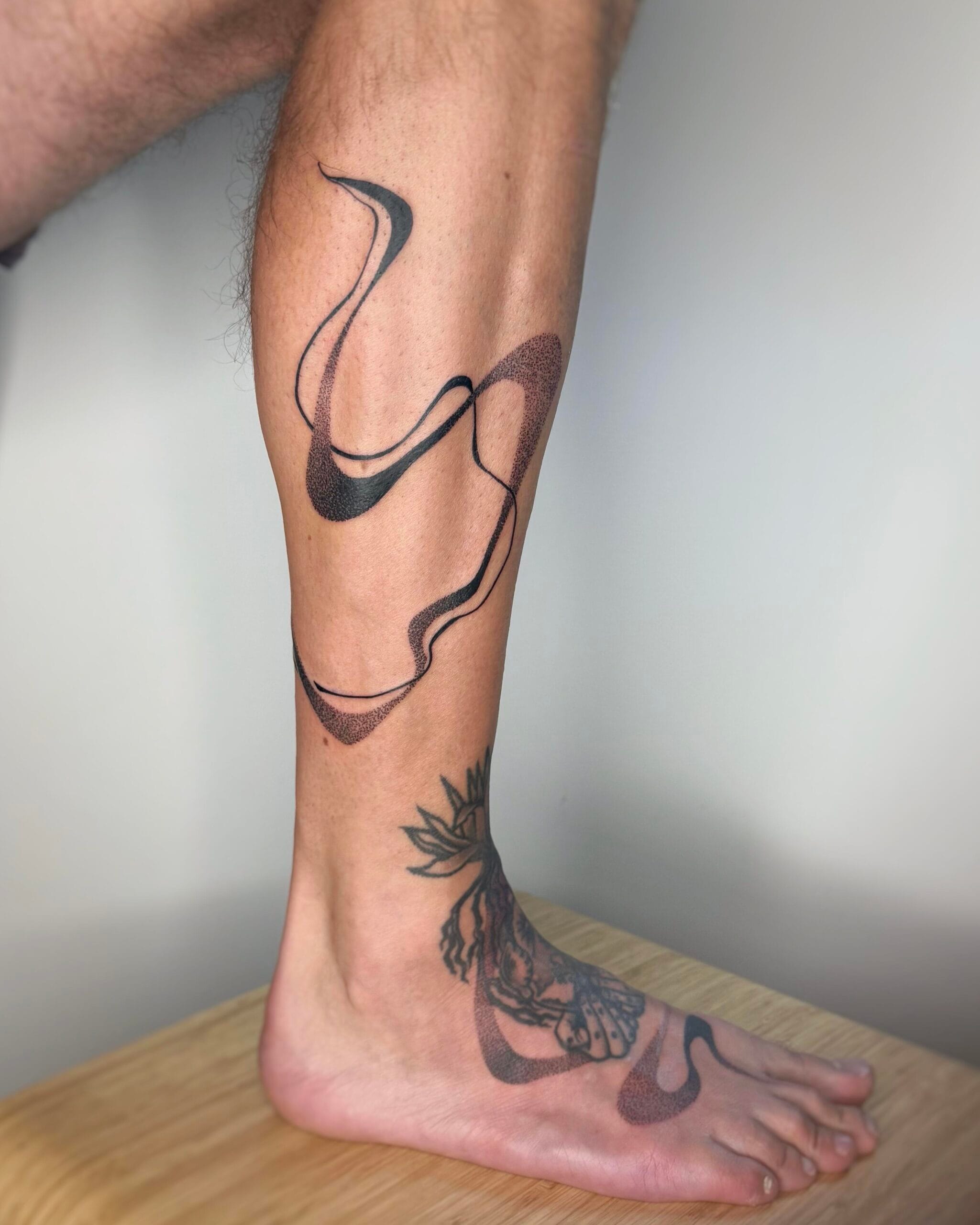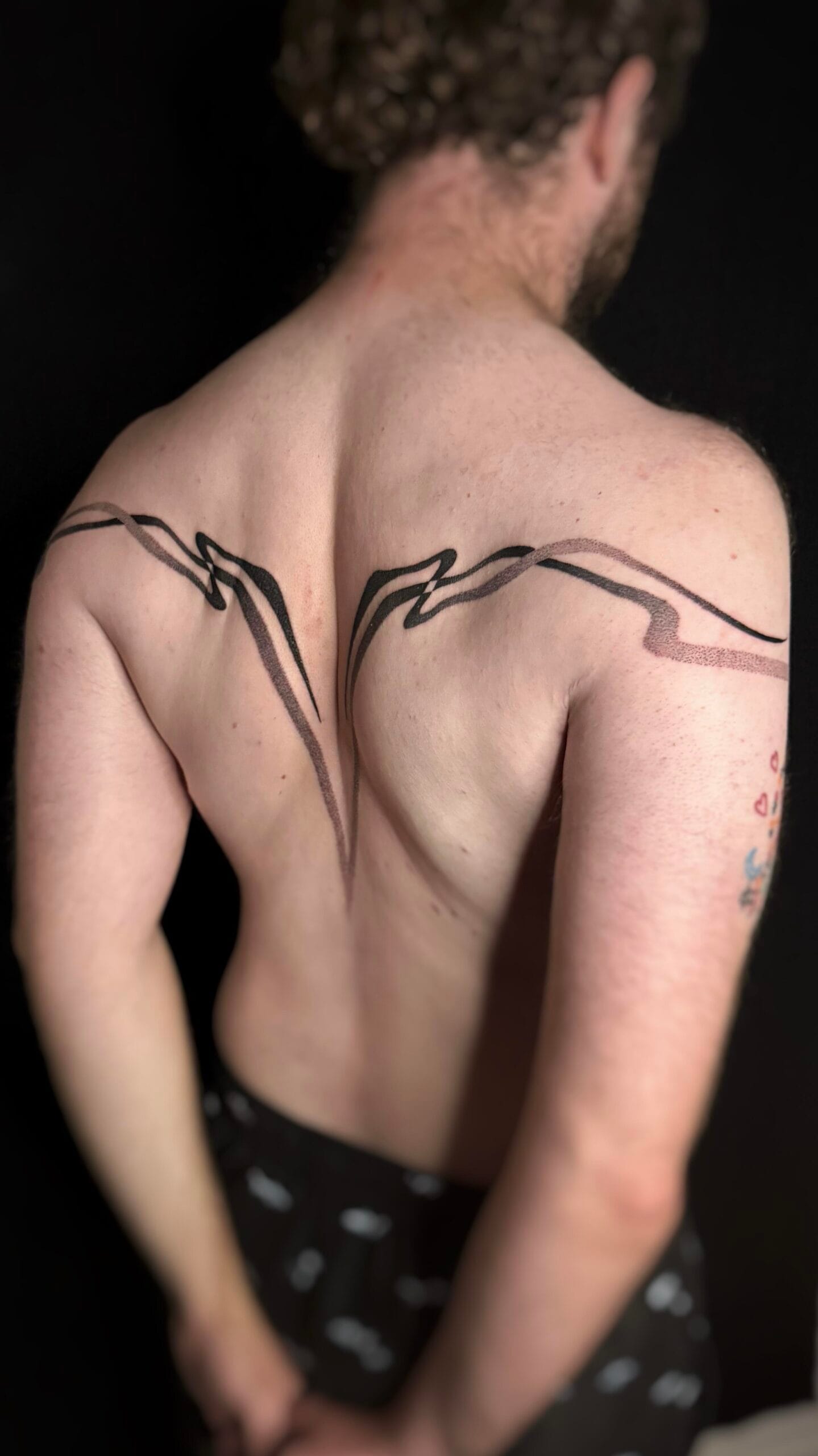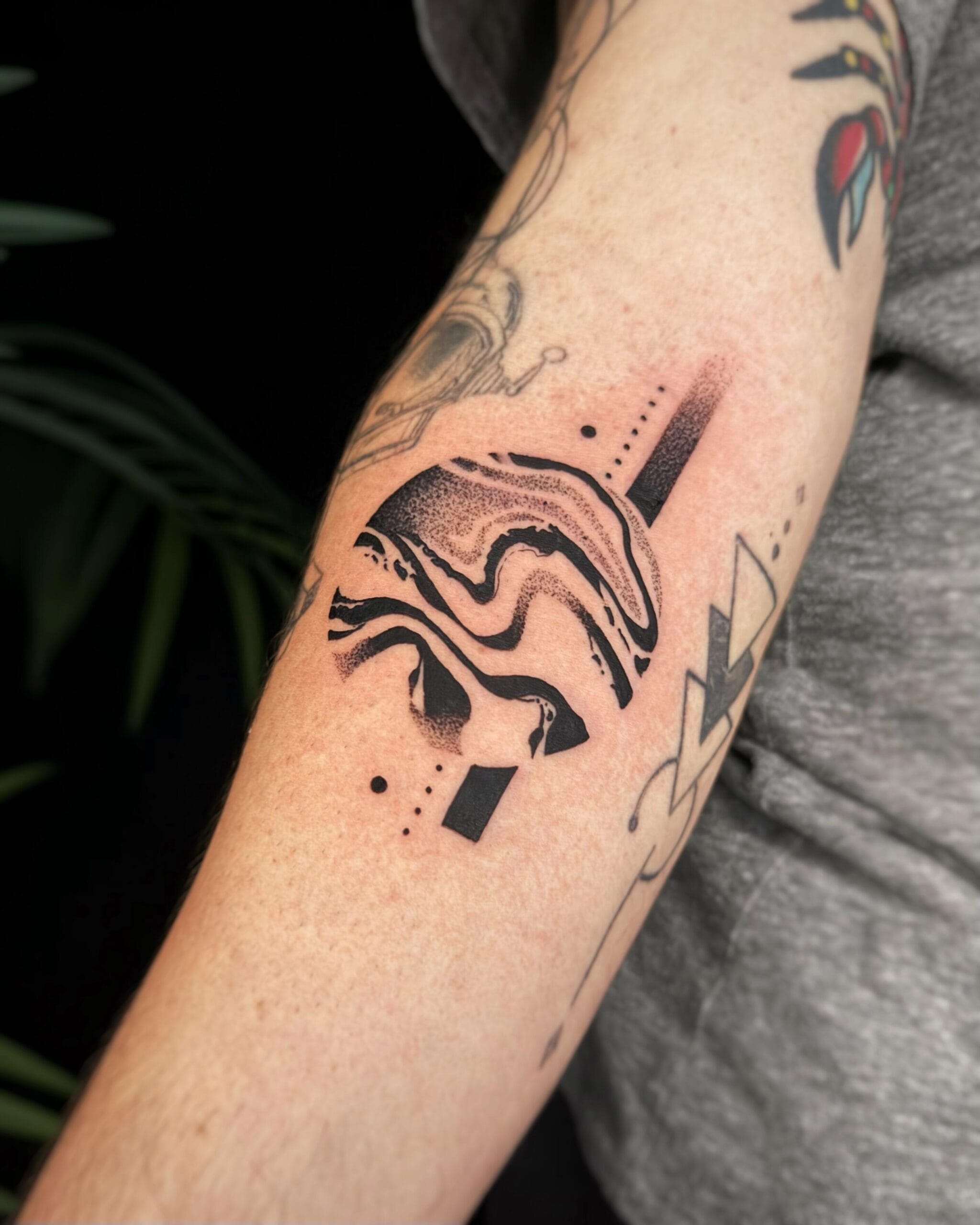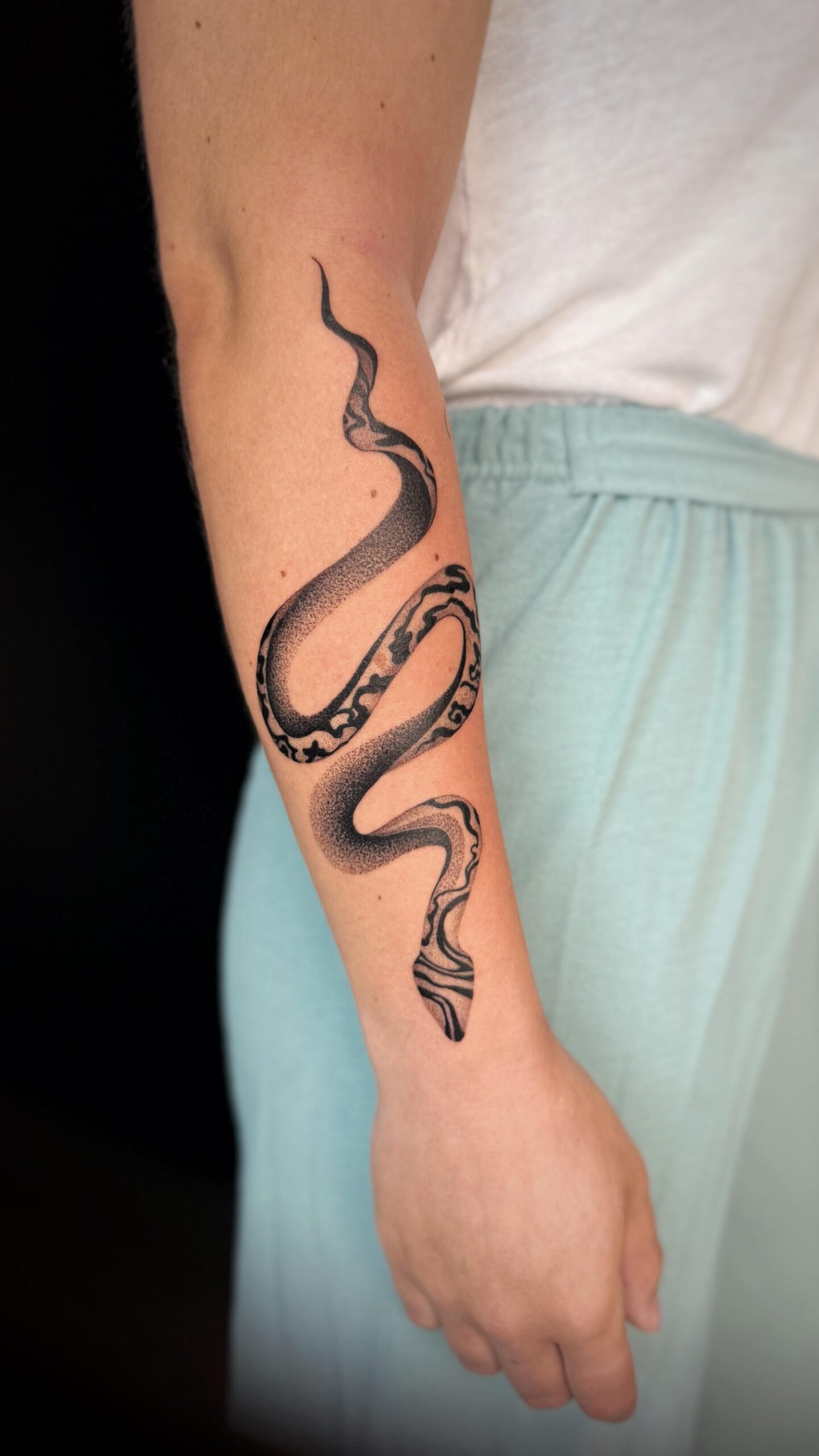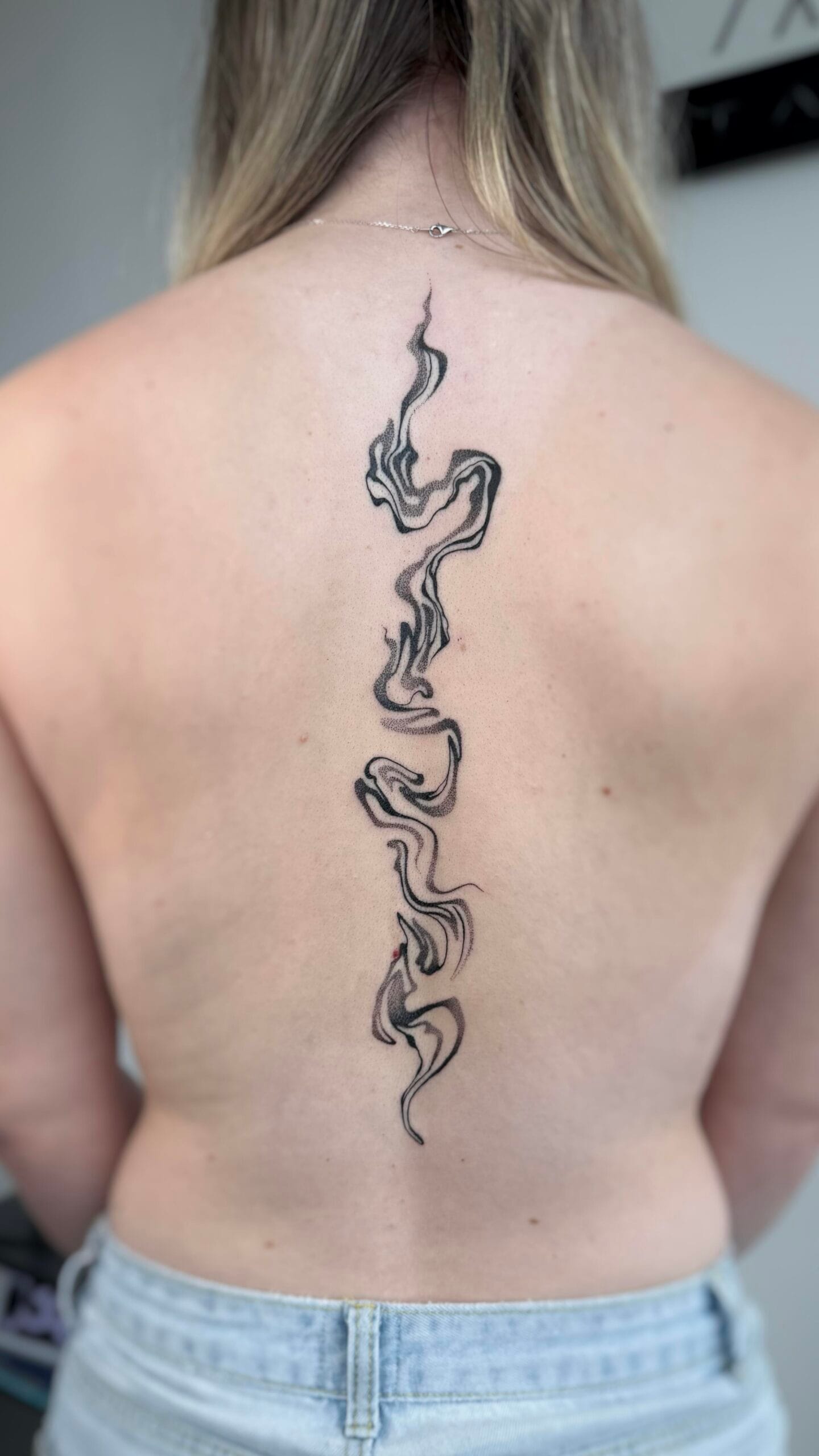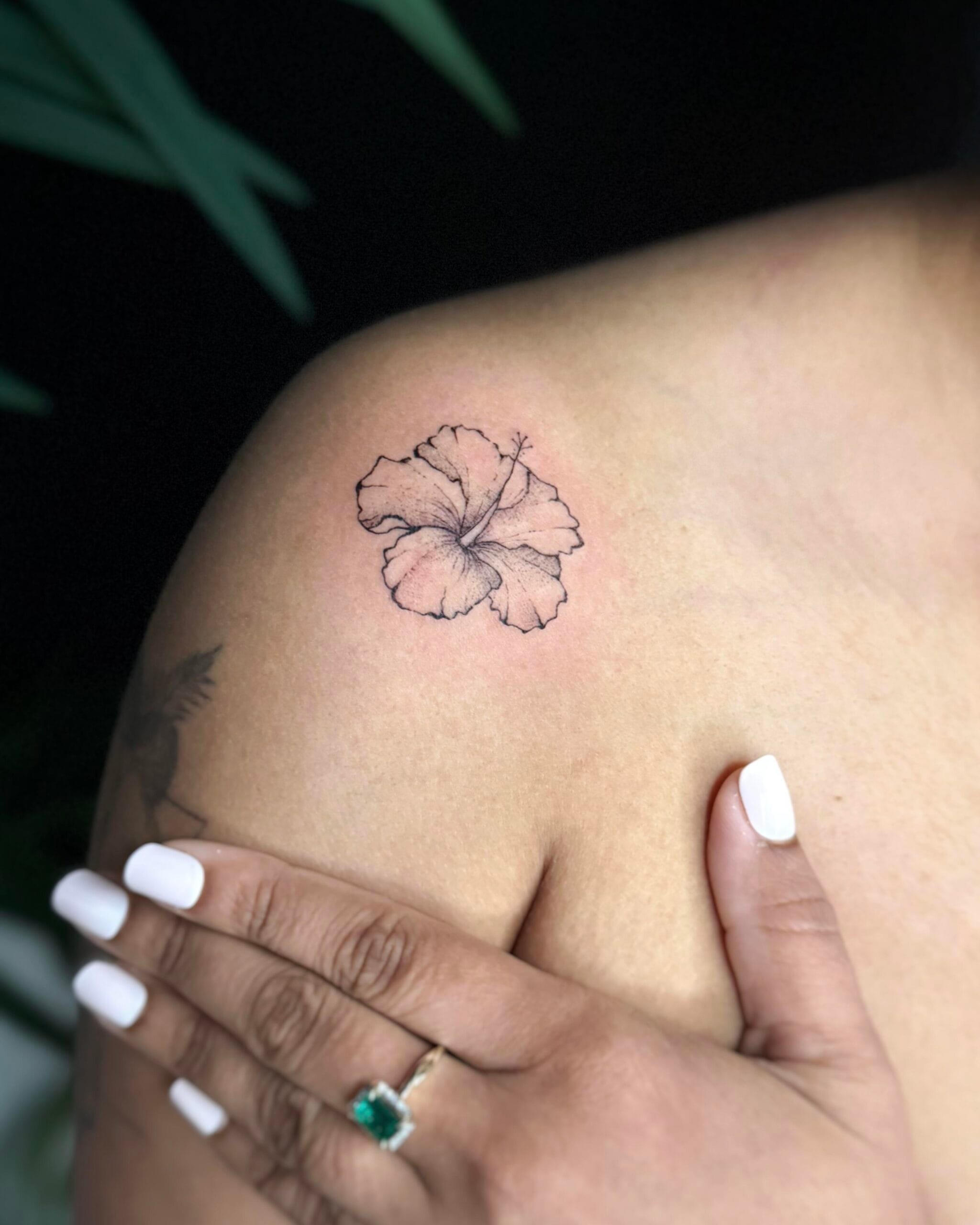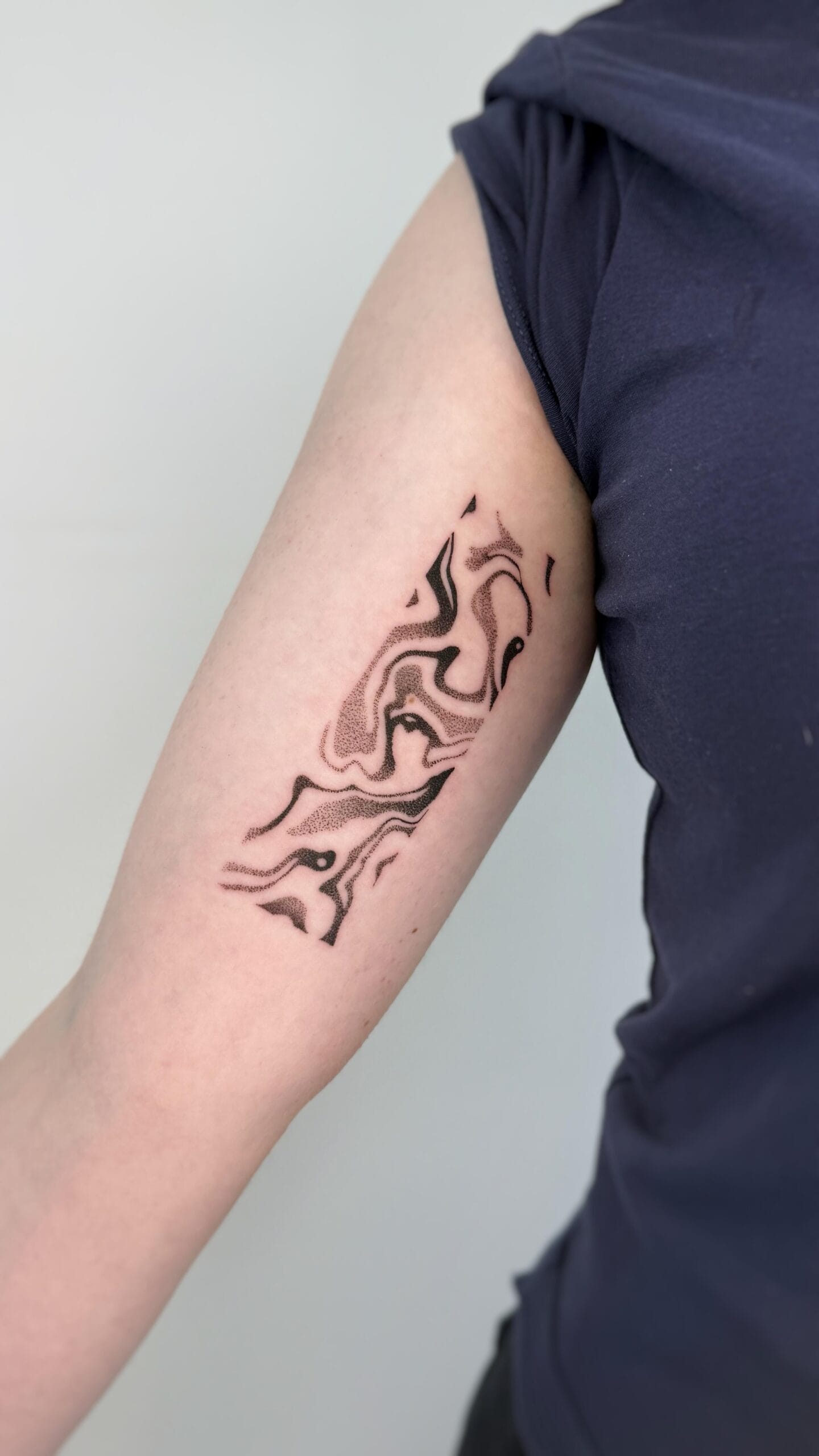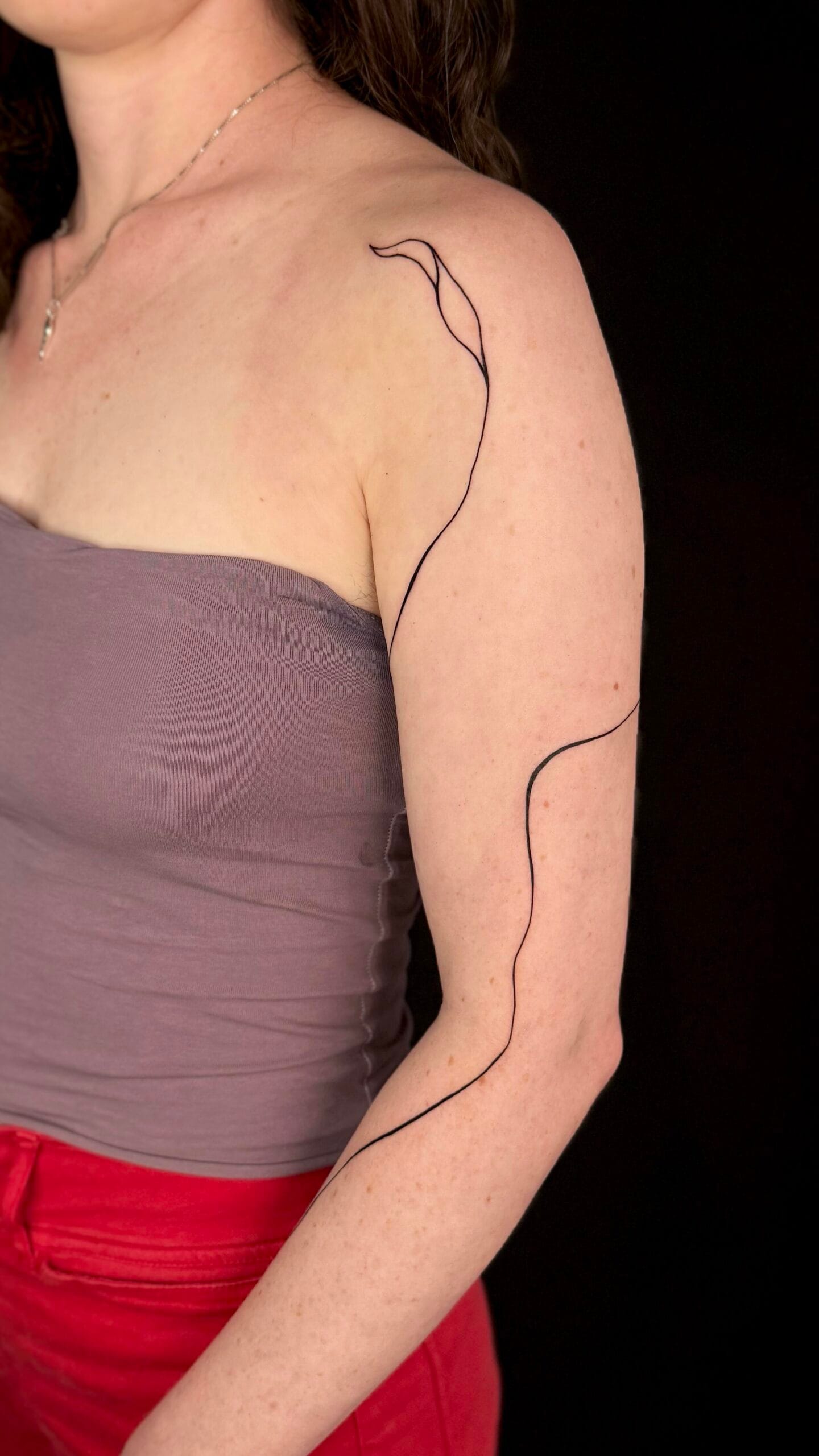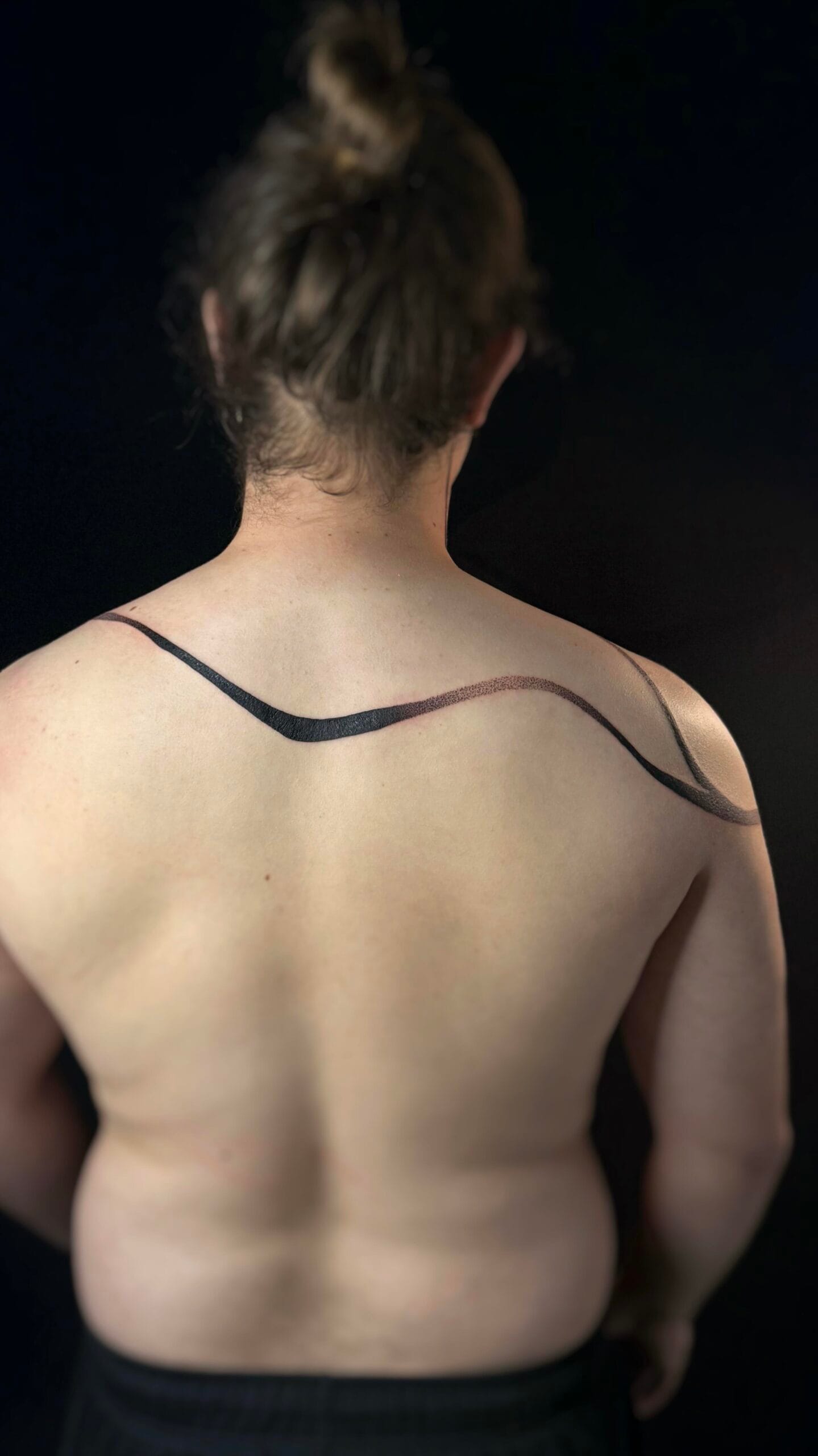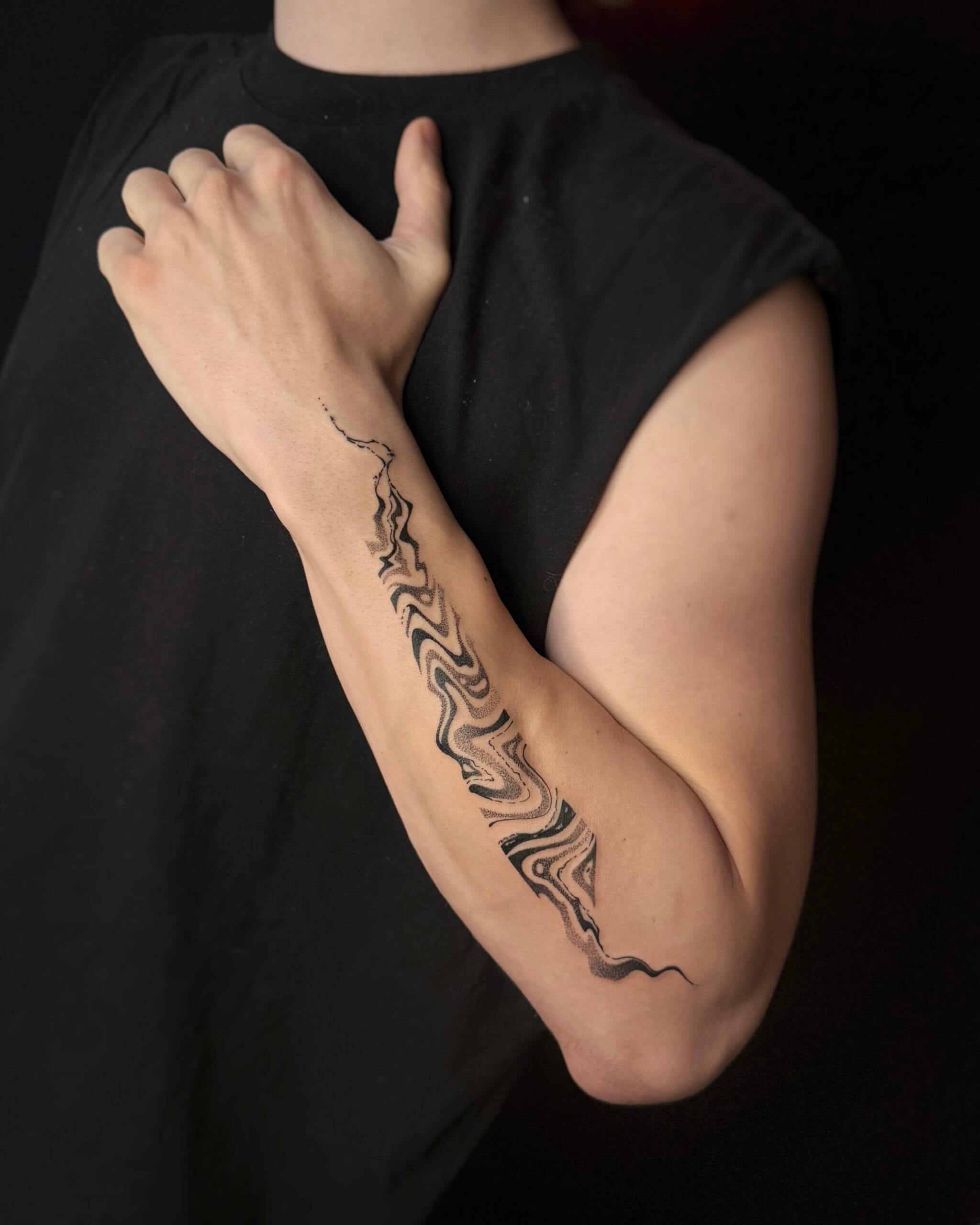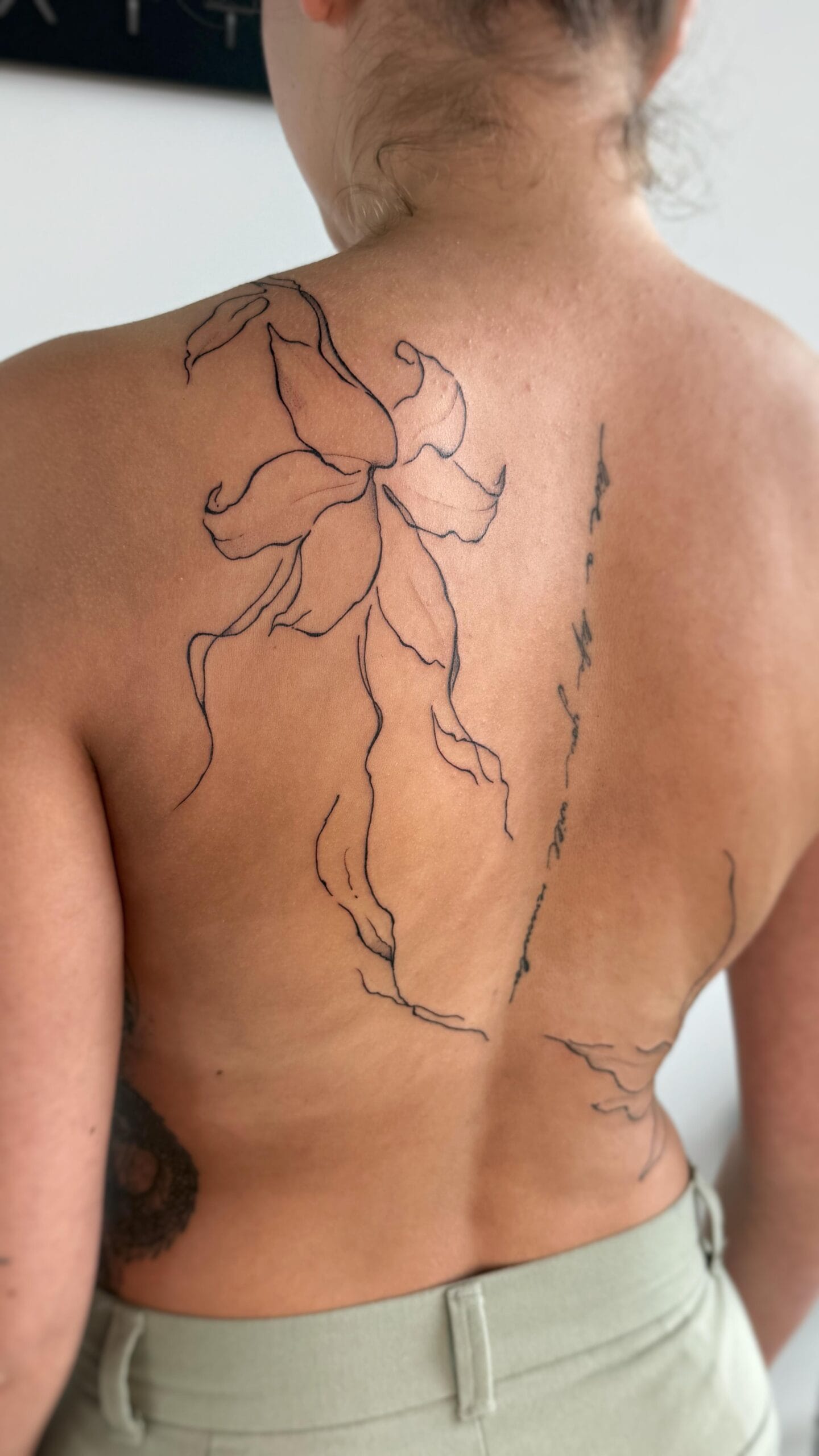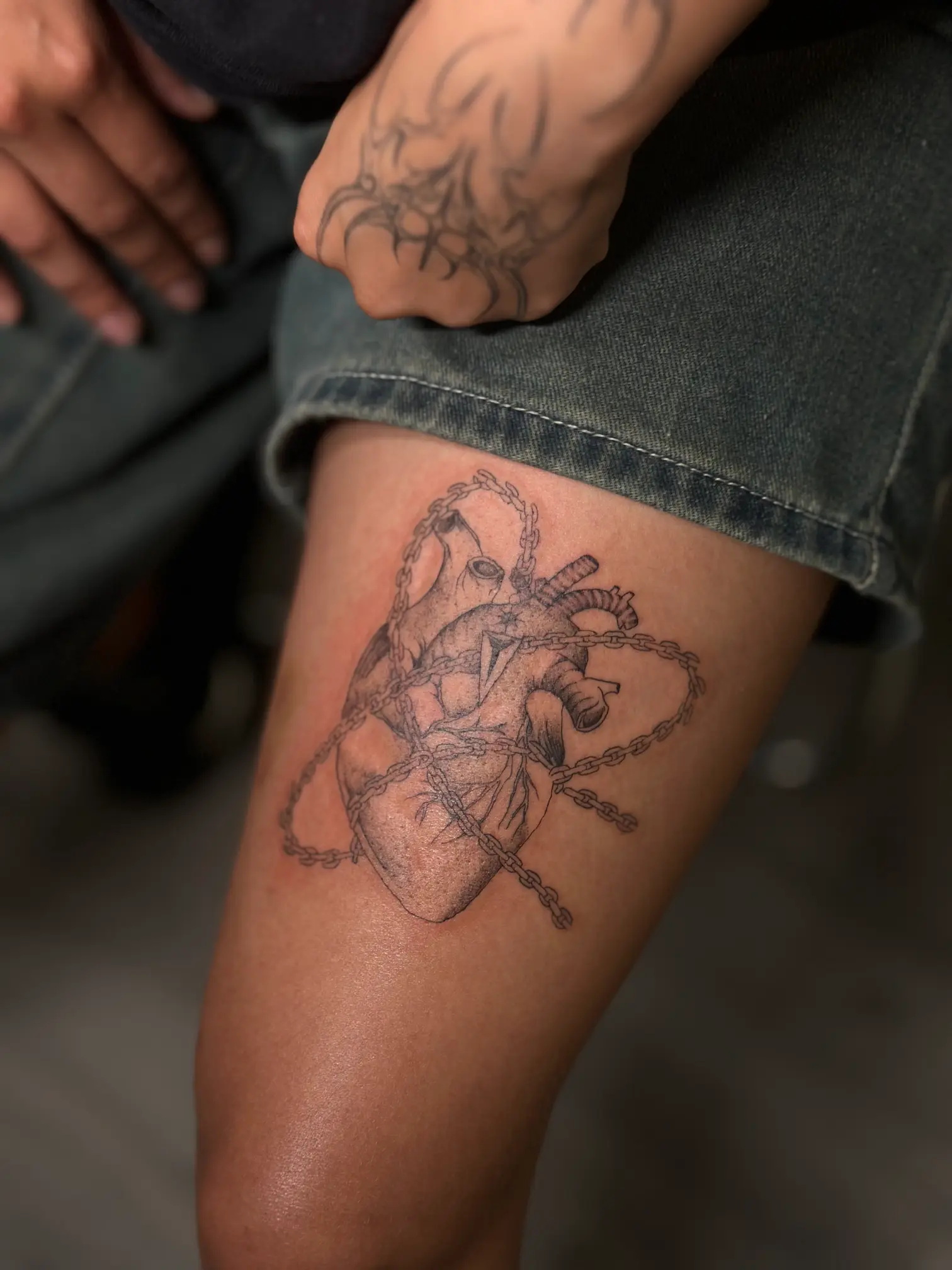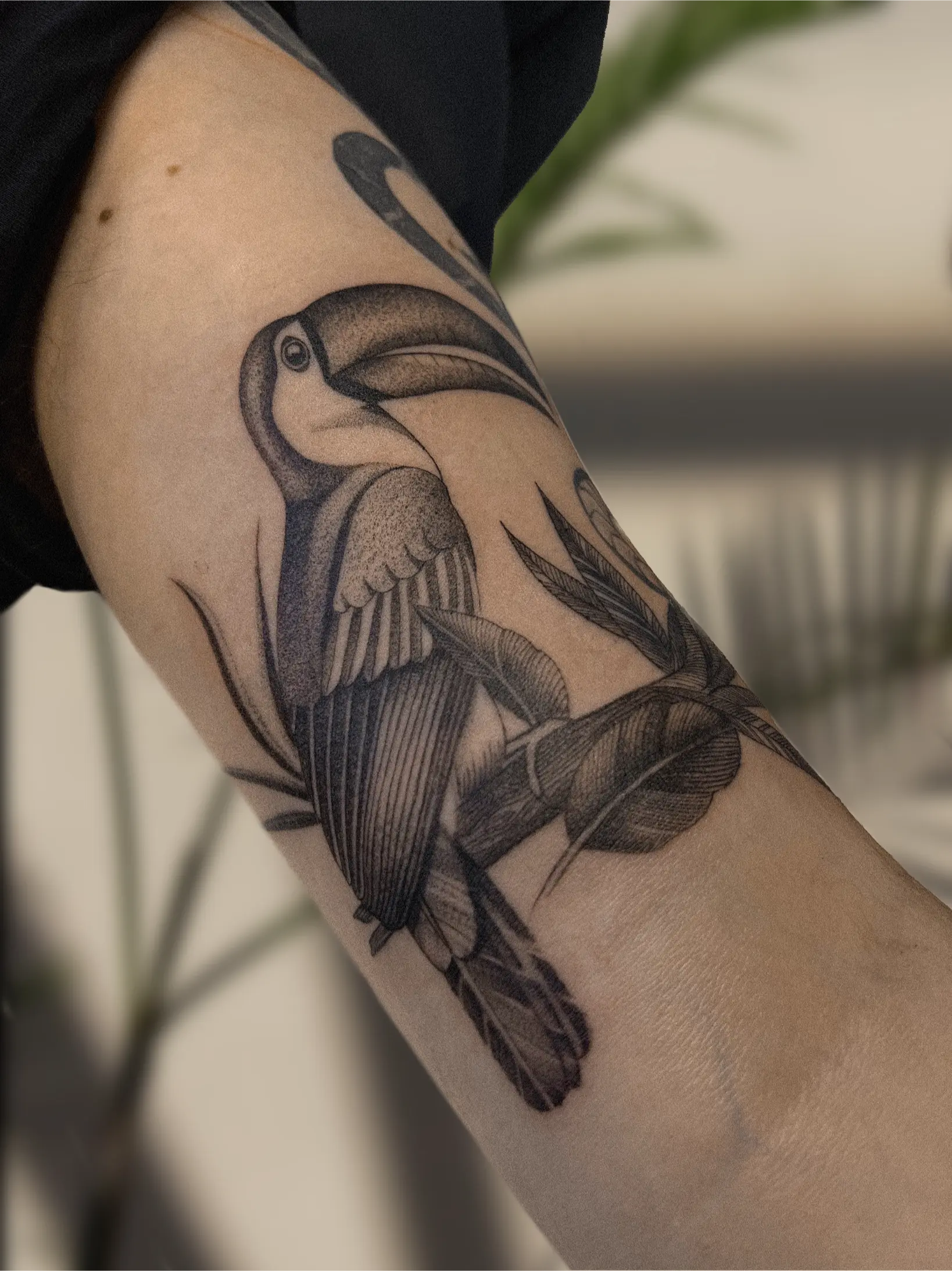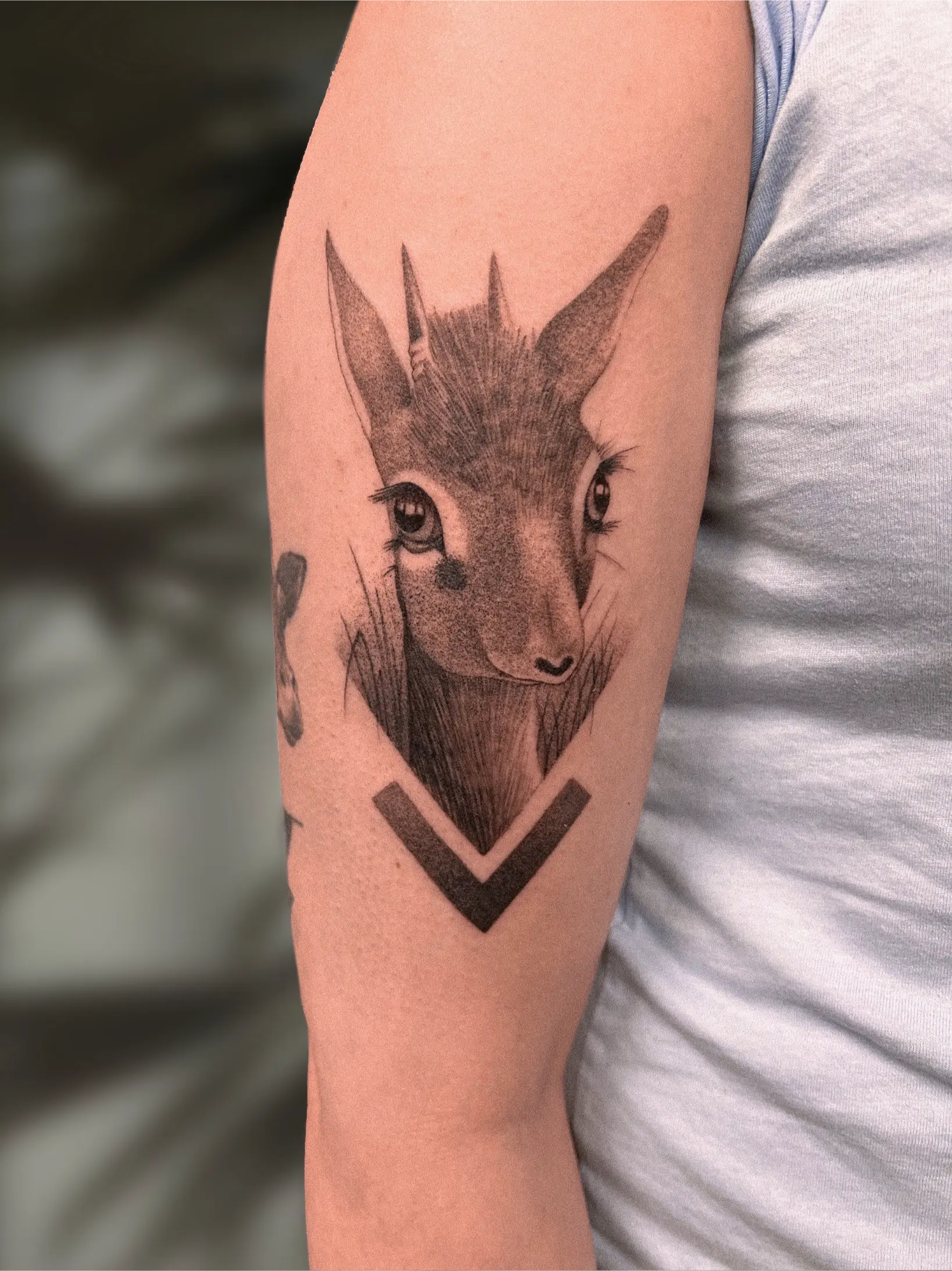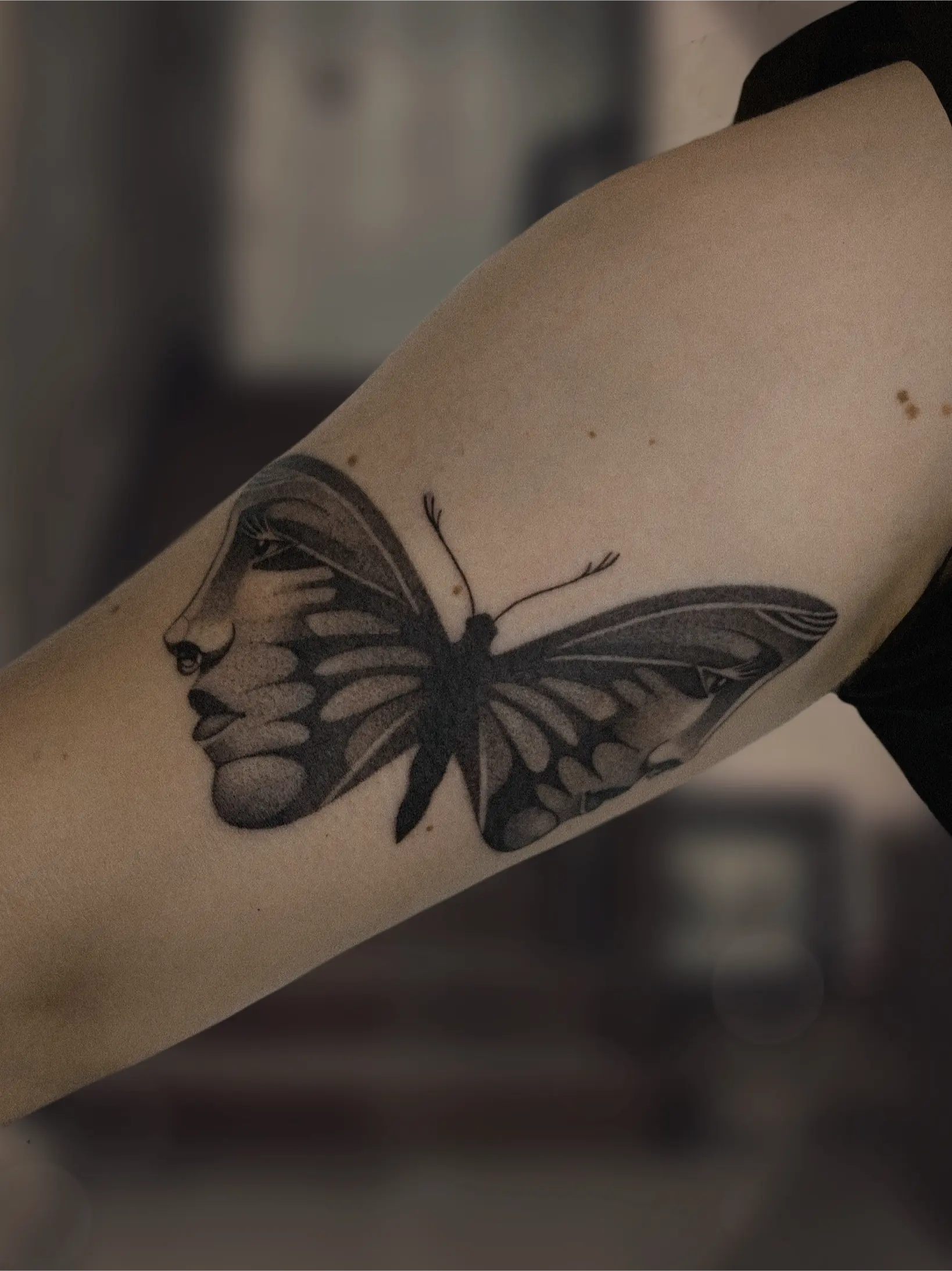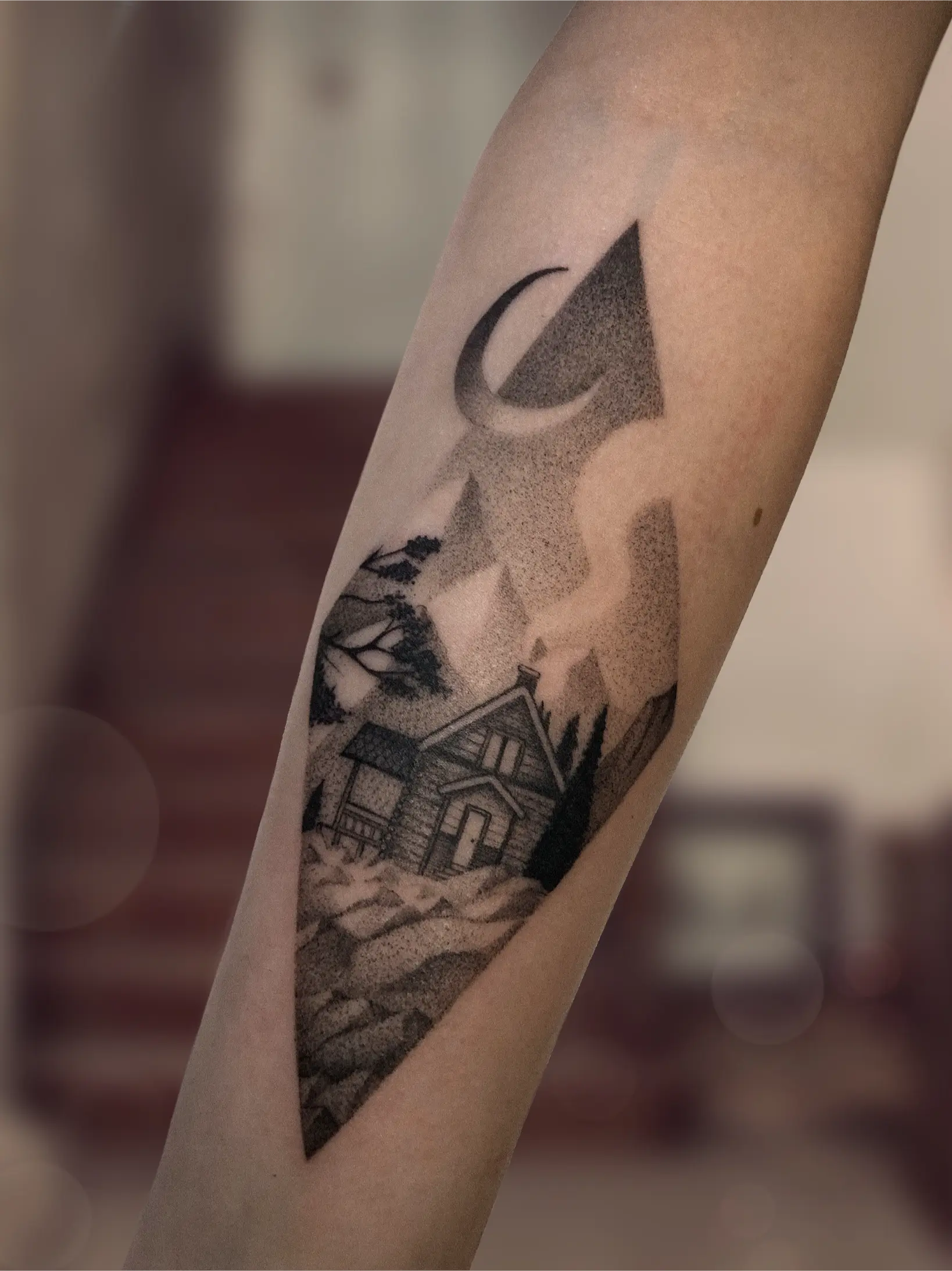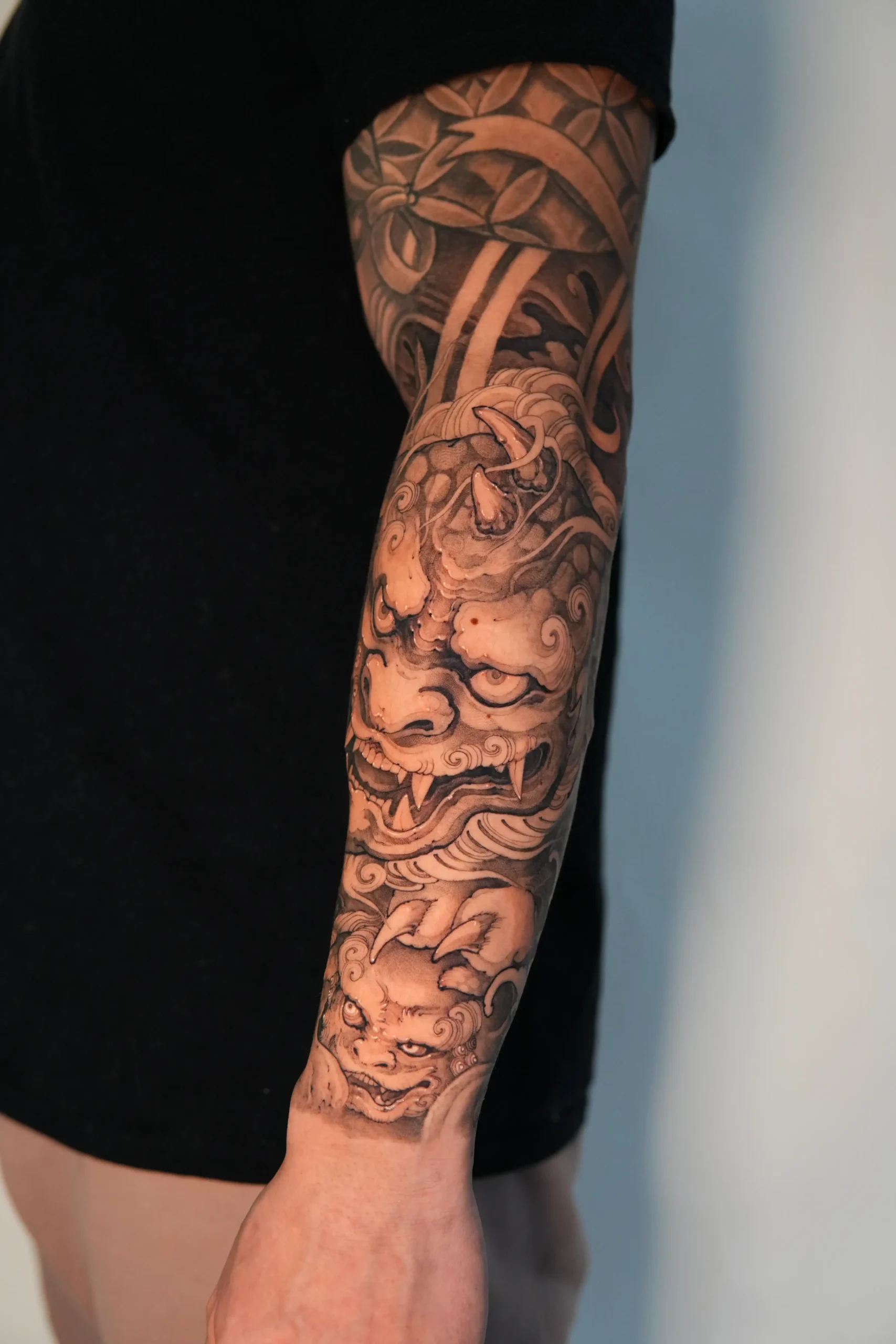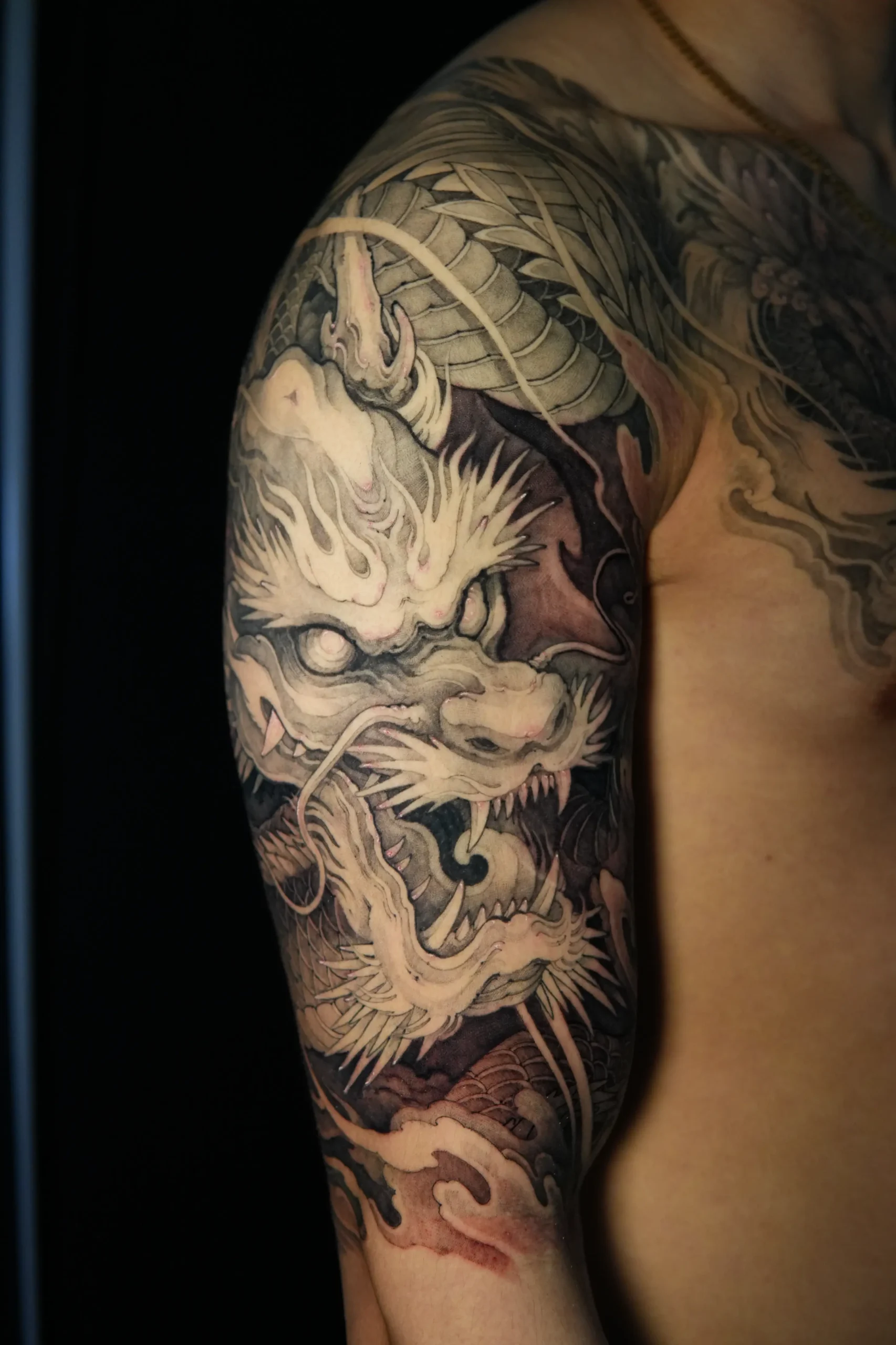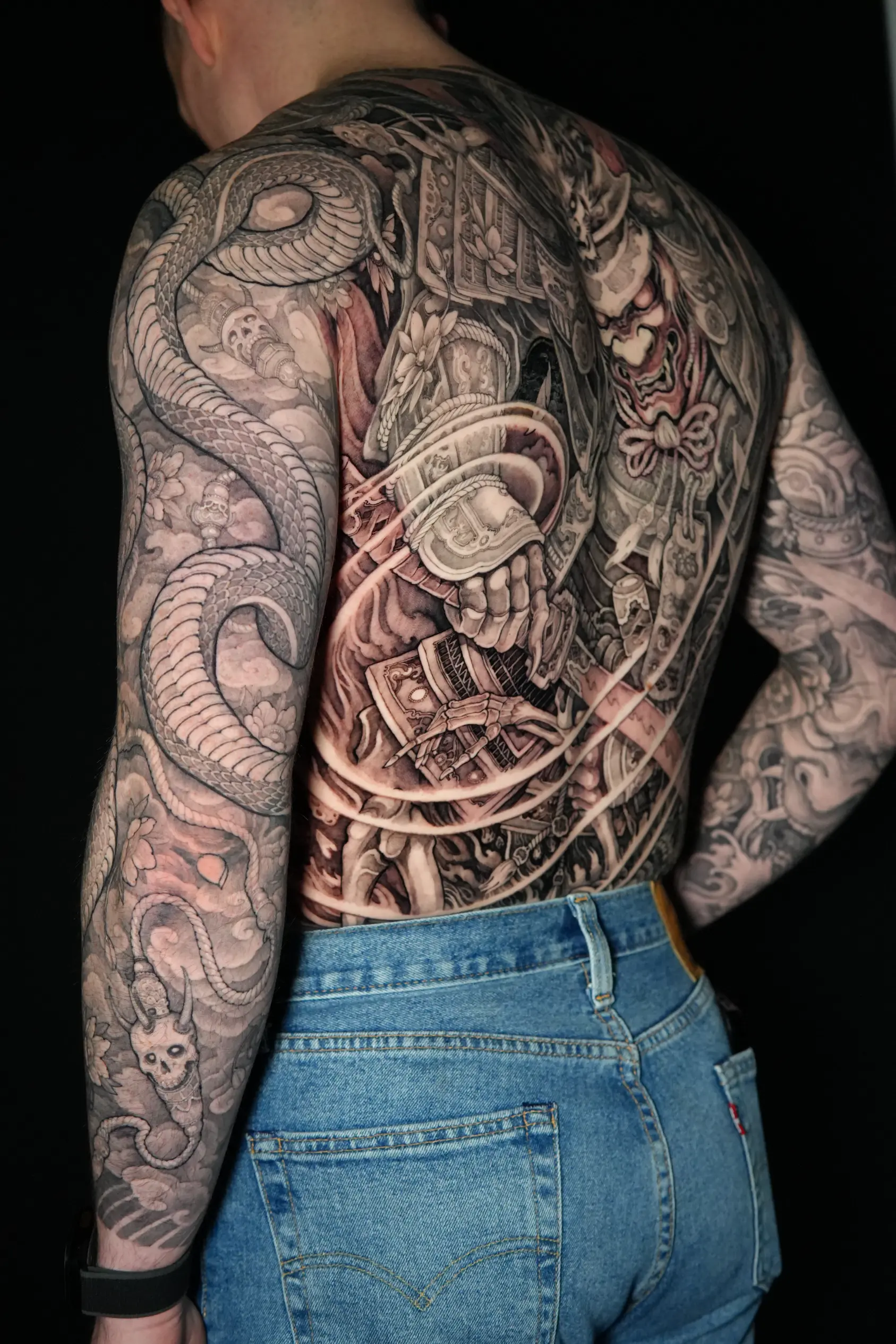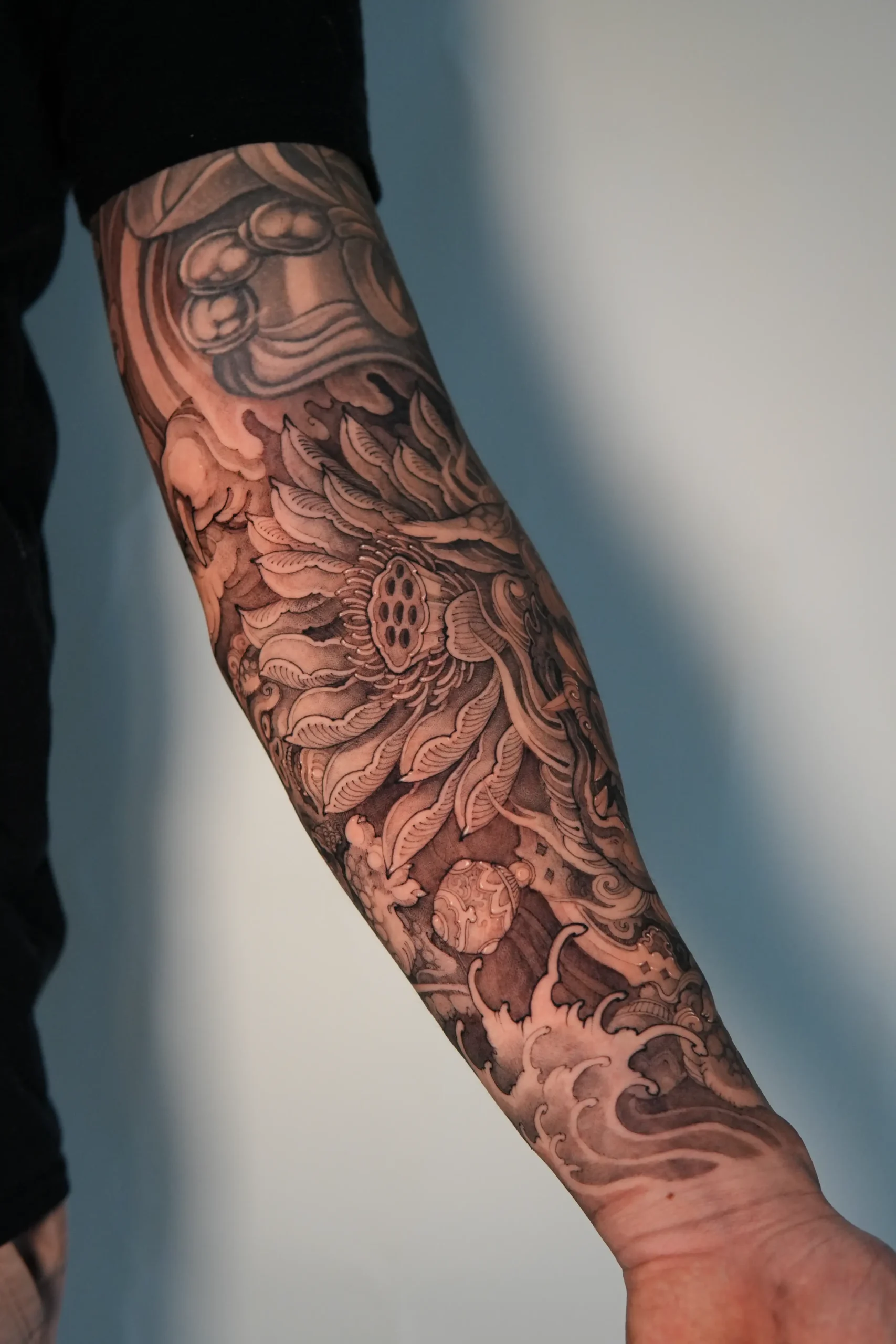




Viking tattoos have captured the imagination of modern tattoo lovers through their bold designs, deep meanings, and strong connection to Norse mythology.
Rooted in ancient symbolism and warrior tradition, these tattoos speak of strength, honor, protection, resilience, and the deep mysteries of the old gods.
From powerful Viking warriors and legendary gods to mythical beasts, runes, and sacred symbols, Viking-themed tattoos offer both stunning visual impact and rich personal significance that resonates on a spiritual level.
They are more than just art — they are expressions of identity, heritage, and the human desire to connect with something greater than oneself.
In this guide, we’ll explore the origins and meanings behind Viking tattoos, popular Norse symbols, cultural considerations, and design inspirations to help you understand and choose the right Norse-inspired ink for yourself.
Whether you’re drawn to the mythology, the aesthetics, or the deep values behind the culture, you’ll find the knowledge here to turn your idea into a meaningful and timeless piece of body art.
Did Vikings Really Have Tattoos?
The question are Viking tattoos historically accurate is one of the most commonly debated topics among enthusiasts and historians.
While there are no surviving Viking bodies with visible tattoos, some historical accounts suggest they may have existed.
Ahmad ibn Fadlan, a 10th-century Arab traveler, described the Rus (often associated with Vikings) as being covered in dark green symbols from fingertips to necks.
While the evidence isn’t concrete, many believe that tattoos were likely part of Viking warrior culture, representing status, protection, or spiritual beliefs.
Though we may never know for sure, Viking-inspired tattoos remain a powerful way to connect with Norse heritage and mythology today.
Popular Viking Symbols and What They Mean
Viking tattoos are filled with ancient symbols, each carrying its own meaning.
Some are protective, others spiritual, and some are tied directly to Norse deities and myths.
Here are a few of the most iconic symbols found in Viking-inspired tattoos:
- The Helm of Awe: A magical symbol of protection and fearlessness, often tattooed on the chest or forearm.
- Yggdrasil (Tree of Life): Represents the connection between all things — life, death, and rebirth.
- Runes: Letters from the ancient Futhark alphabet, used for divination and spiritual communication.
- Thor’s Hammer (Mjölnir): Symbol of strength and defense, linked to the god Thor.
Each of these can be tattooed alone or incorporated into a larger design for added meaning.
What Is the Meaning of a Valknut Tattoo?
One of the most mysterious Norse symbols, the Valknut, consists of three interlocked triangles.
The valknut tattoo meaning is often associated with the god Odin and the afterlife.
It has been found on ancient stones and artifacts, usually in connection with burial sites or depictions of fallen warriors.
Some interpret the Valknut as a symbol of the connection between life and death, or as Odin’s mark on those chosen for greatness.
It is often seen as a sign of bravery, fate, and sacrifice.
Due to its association with death, it’s typically worn by those who embrace life’s impermanence or walk a warrior’s path.
What Does the Viking Compass Tattoo Represent?
The Viking compass, also known as Vegvisir, is one of the most recognizable Norse symbols in modern tattoo culture.
It’s often misunderstood or confused with other designs, but its meaning is powerful and practical.
The viking compass tattoo protection meaning centers around guidance and safety.
The symbol was believed to help its bearer find their way through rough weather or unknown territory — both literally and metaphorically.
For many today, it represents a desire to stay on the right path, make wise decisions, and find direction during life’s challenges.
This symbol works beautifully as a standalone piece or within a larger composition involving runes, waves, or Norse landscapes.
Norse Symbols for Strength and Courage
Viking culture celebrated bravery above all else.
Warriors were honored for their fearlessness and willingness to face death.
Many norse symbols for strength and courage remain popular in tattoo art today.
Among them:
- Uruz Rune: Associated with physical strength and raw primal energy.
- Tiwaz Rune: Represents the god Tyr, symbolizing justice, courage, and self-sacrifice.
- Wolf and Bear Imagery: Animals revered for their strength and endurance in Norse mythology.
- Berserker Symbols: Representing the legendary Viking warriors who fought in a trance-like fury.
These elements are often integrated into sleeves or larger battle scenes, reflecting inner power and warrior spirit.
Valkyrie Tattoo Designs and What They Represent
The Valkyries were fierce female spirits who served Odin by guiding fallen warriors to Valhalla.
A valkyrie tattoo design blends grace and strength, showing both protection and honor.
Valkyries are often depicted as winged women in armor, carrying spears or shields.
Tattoo designs may show them mid-flight, standing guard over the dead, or merging with other elements like ravens or the northern lights.
They symbolize courage, divine selection, and the warrior’s reward — eternal glory in the afterlife.
For many, a Valkyrie tattoo is a tribute to strong women, spiritual protection, or a personal journey through hardship and victory.
Choosing the Right Viking Tattoo Design
With so many powerful symbols and myths to draw from, choosing a Viking tattoo can feel overwhelming.
Start by asking what values or ideas resonate most with you.
Is it protection? Strength? Spiritual connection? Legacy?
Then, consider how you want your tattoo to look — clean and minimalist, or complex and detailed?
Black ink or color? Standalone or part of a full sleeve?
It’s also important to research the cultural background of each symbol.
Some Norse imagery has been misused in modern times, so understanding the real meanings helps keep your tattoo respectful and accurate.
Work with a skilled artist who understands Norse designs — they can help you combine symbols in a way that feels balanced and meaningful.
Placement Ideas and Design Tips
Where you place your Viking tattoo can enhance its meaning.
Here are some common placements and their associations:
- Forearm: Strength, visibility, and pride
- Chest: Protection of the heart and soul
- Back: Spiritual guidance and legacy
- Shoulder: Warrior readiness and support
- Ribs or side: Intimate and personal symbolism
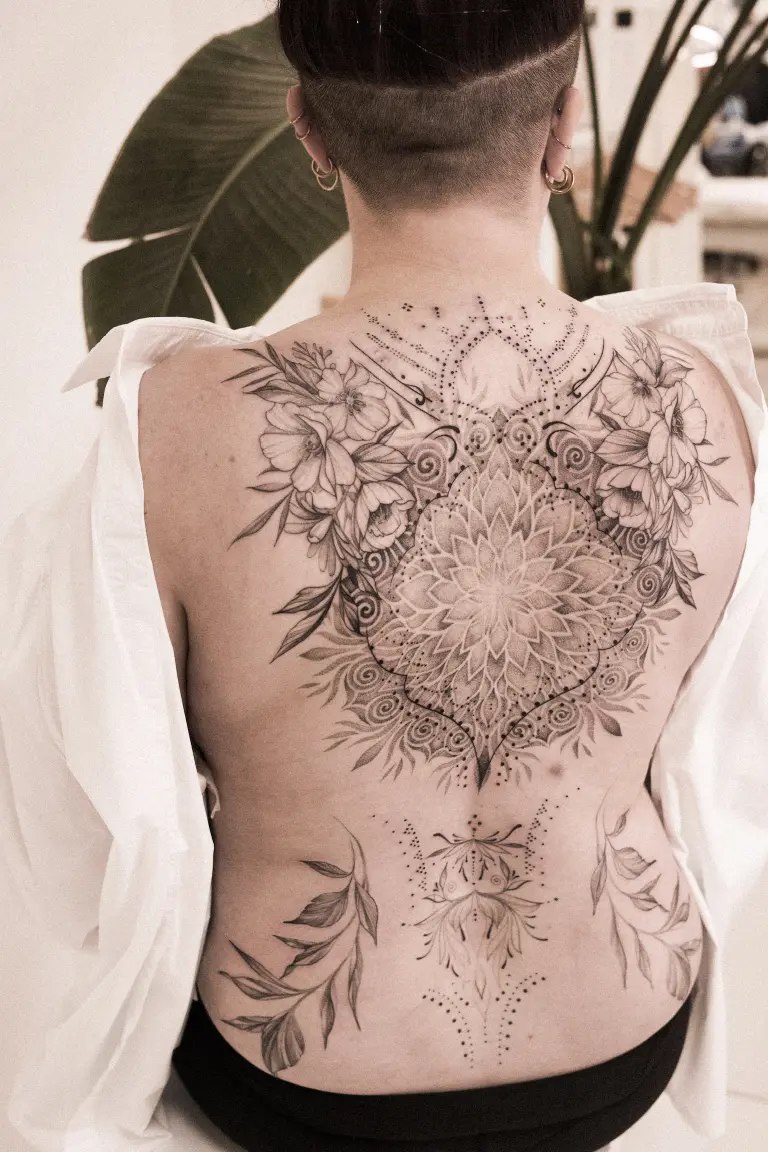
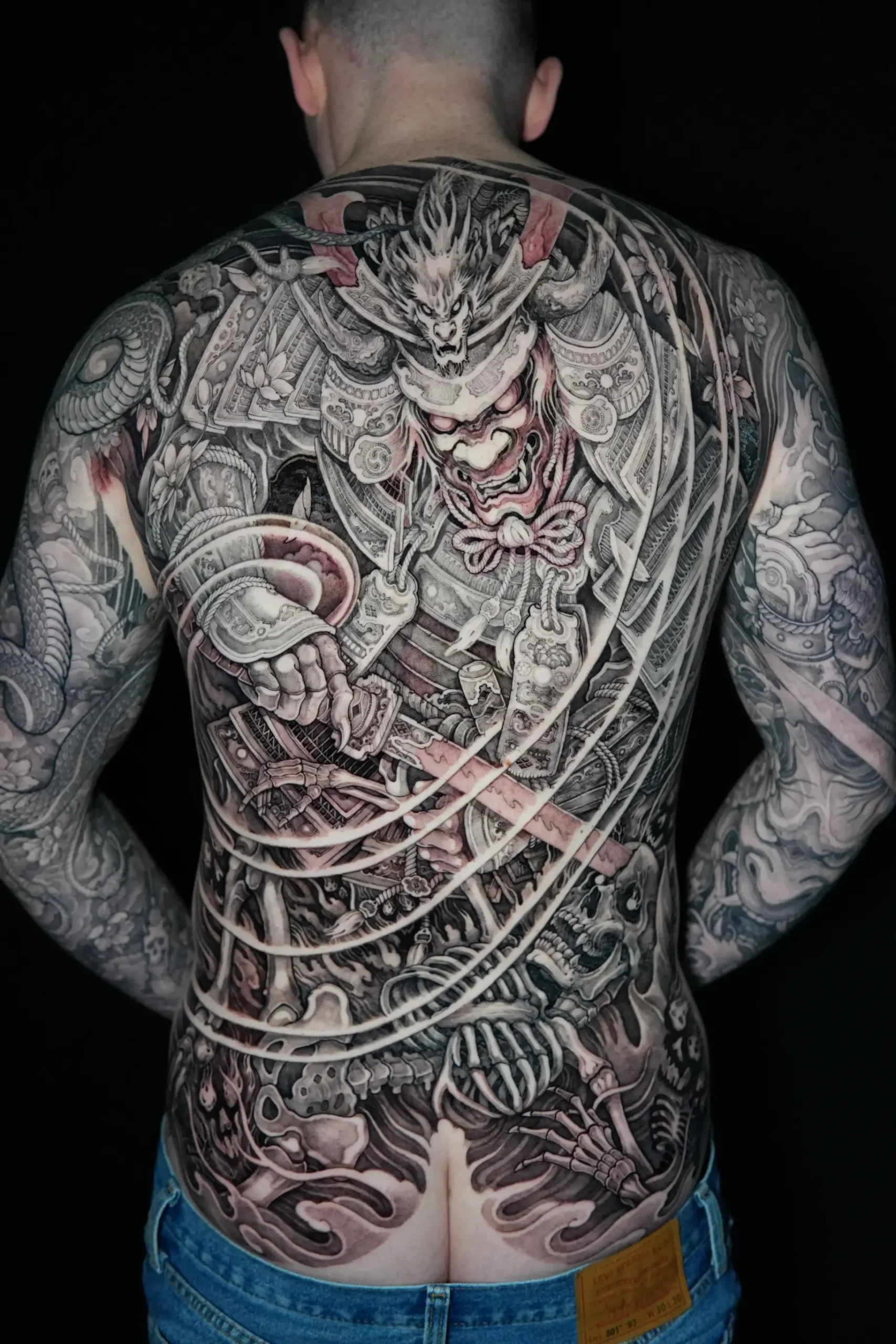
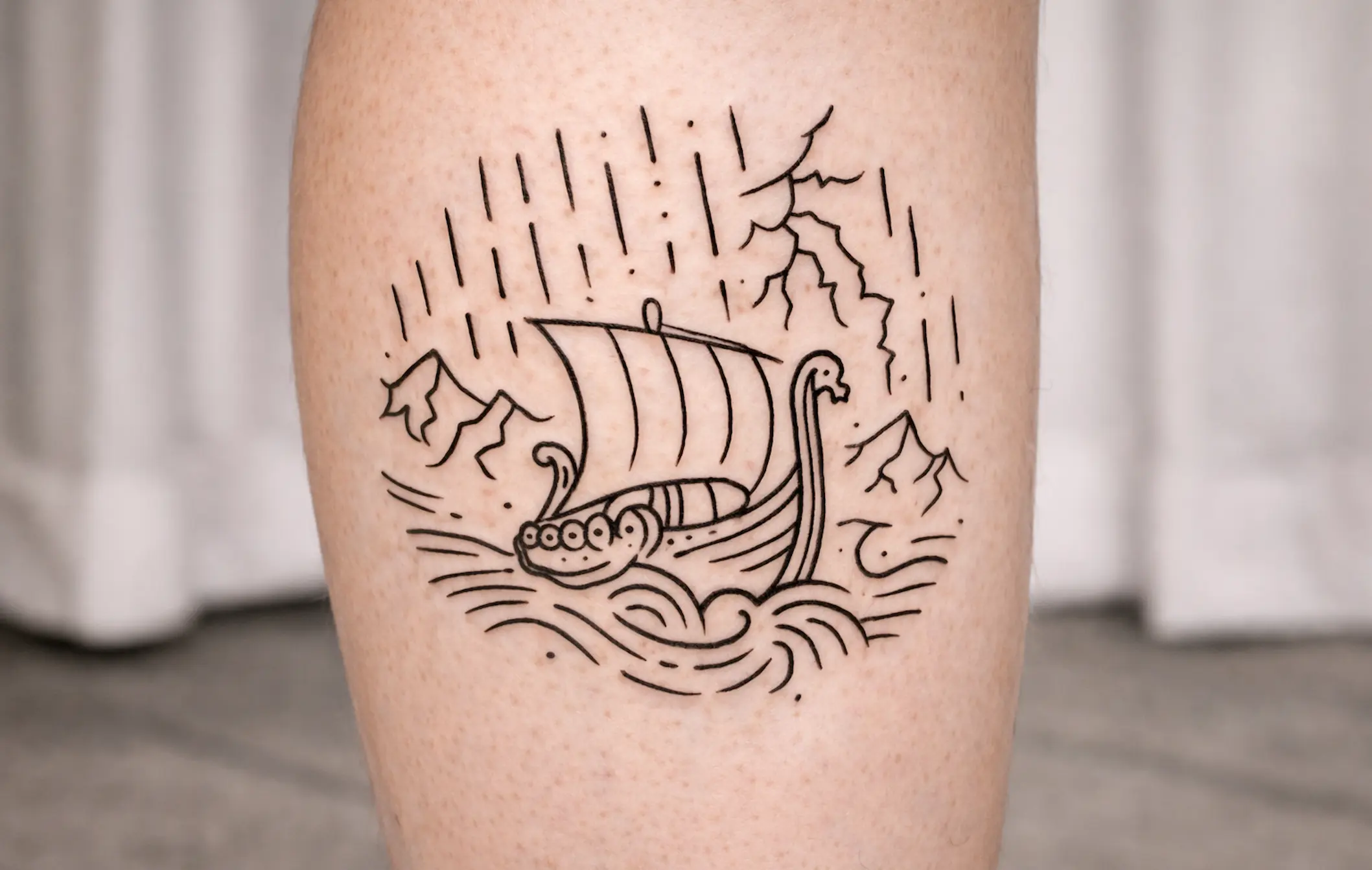
Some people incorporate Norse landscapes, ships, or mythological figures into large back pieces or sleeves.
Others prefer smaller symbols on the wrist, hand, or behind the ear.
The key is choosing something that tells your story — not just one pulled from history.
Final Thoughts
Viking tattoos are more than just striking visuals — they are a tribute to an ancient culture that valued bravery, honor, and the mysteries of the cosmos.
Whether you’re inspired by Odin’s wisdom, Thor’s power, or the protective energy of runes and sigils, Norse mythology offers endless inspiration for meaningful body art.
Each tattoo is a modern connection to a timeless past — bold, mysterious, and deeply personal.
When chosen with intention and understanding, Viking tattoos become more than ink.
They become a part of who you are.