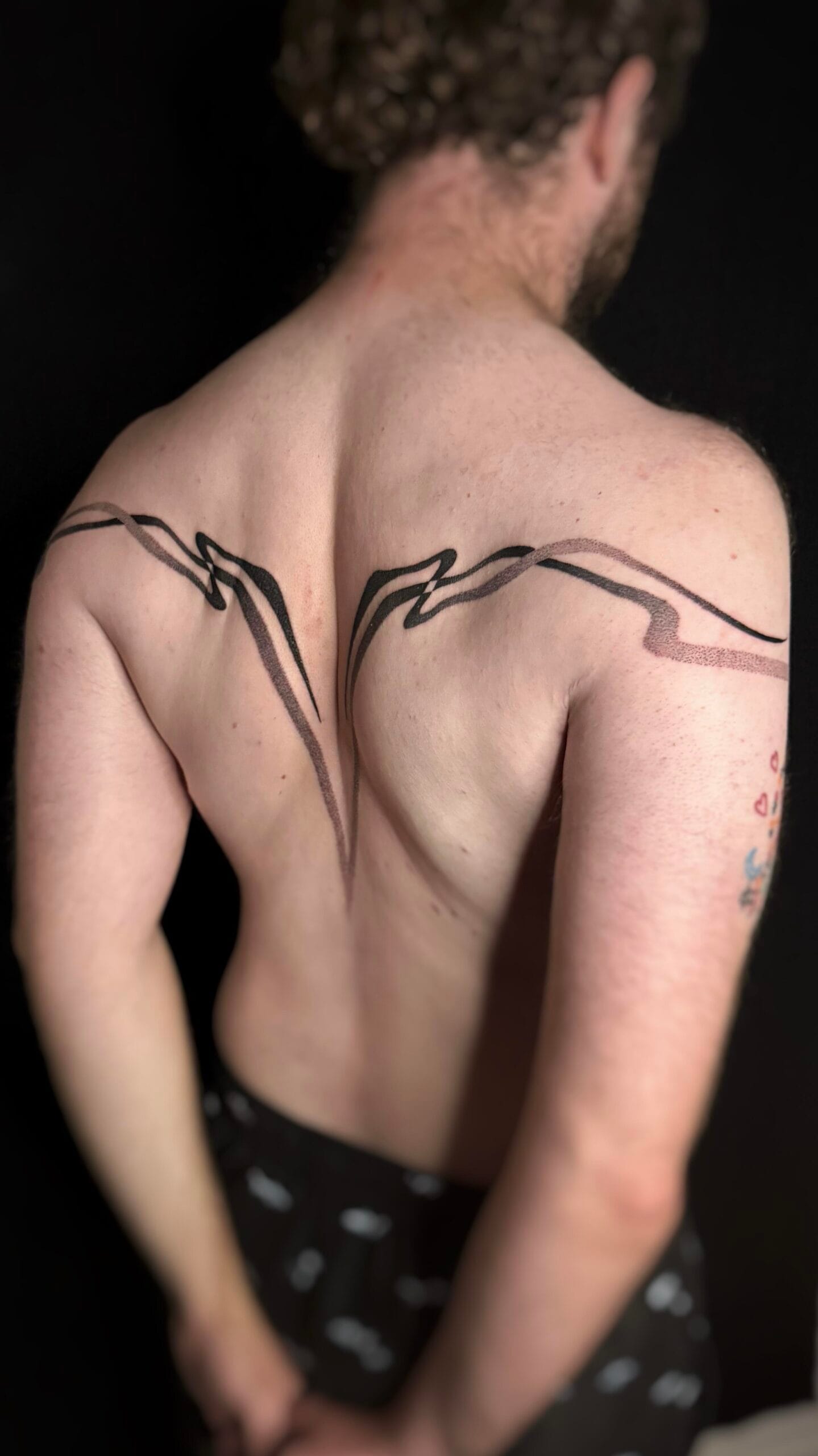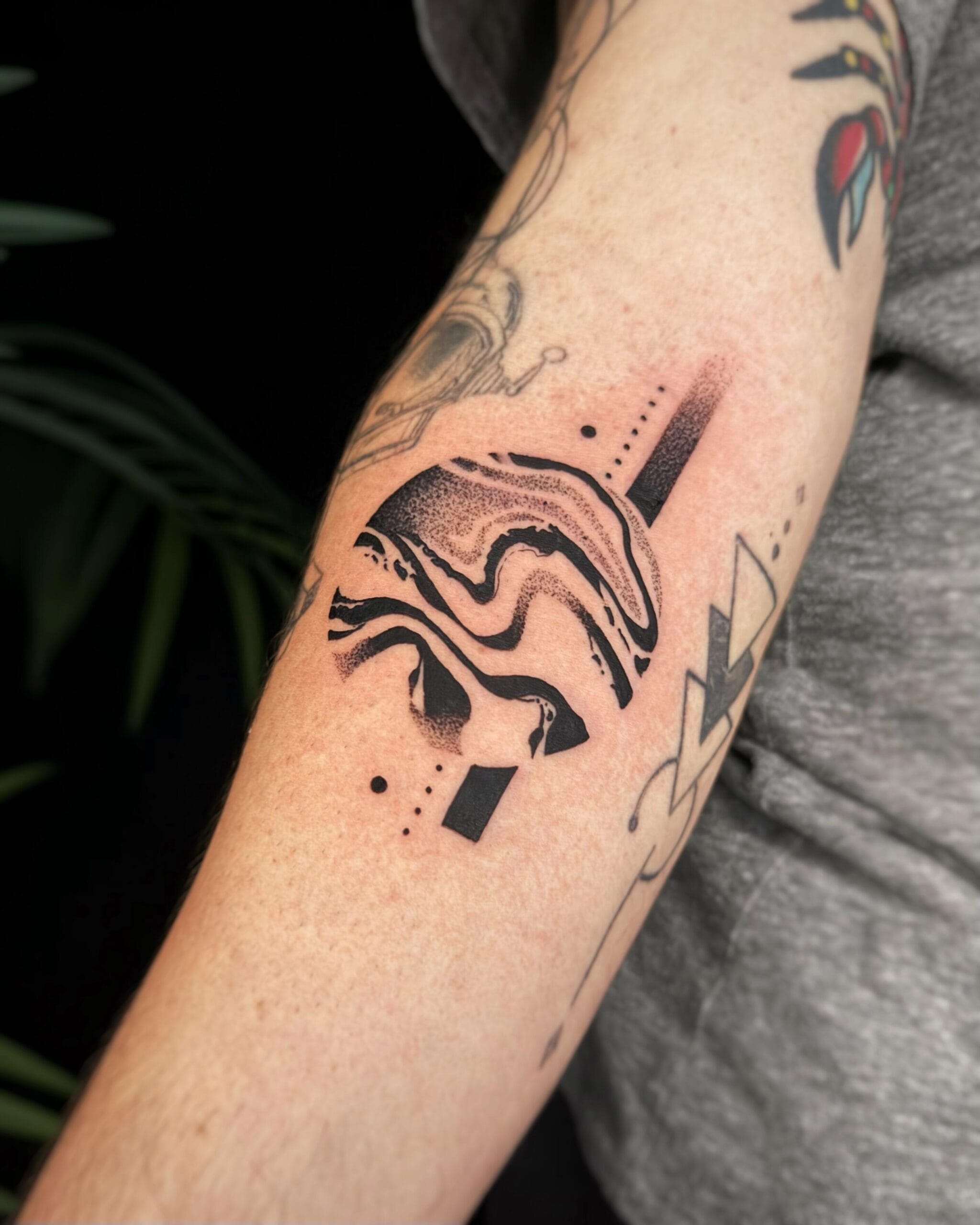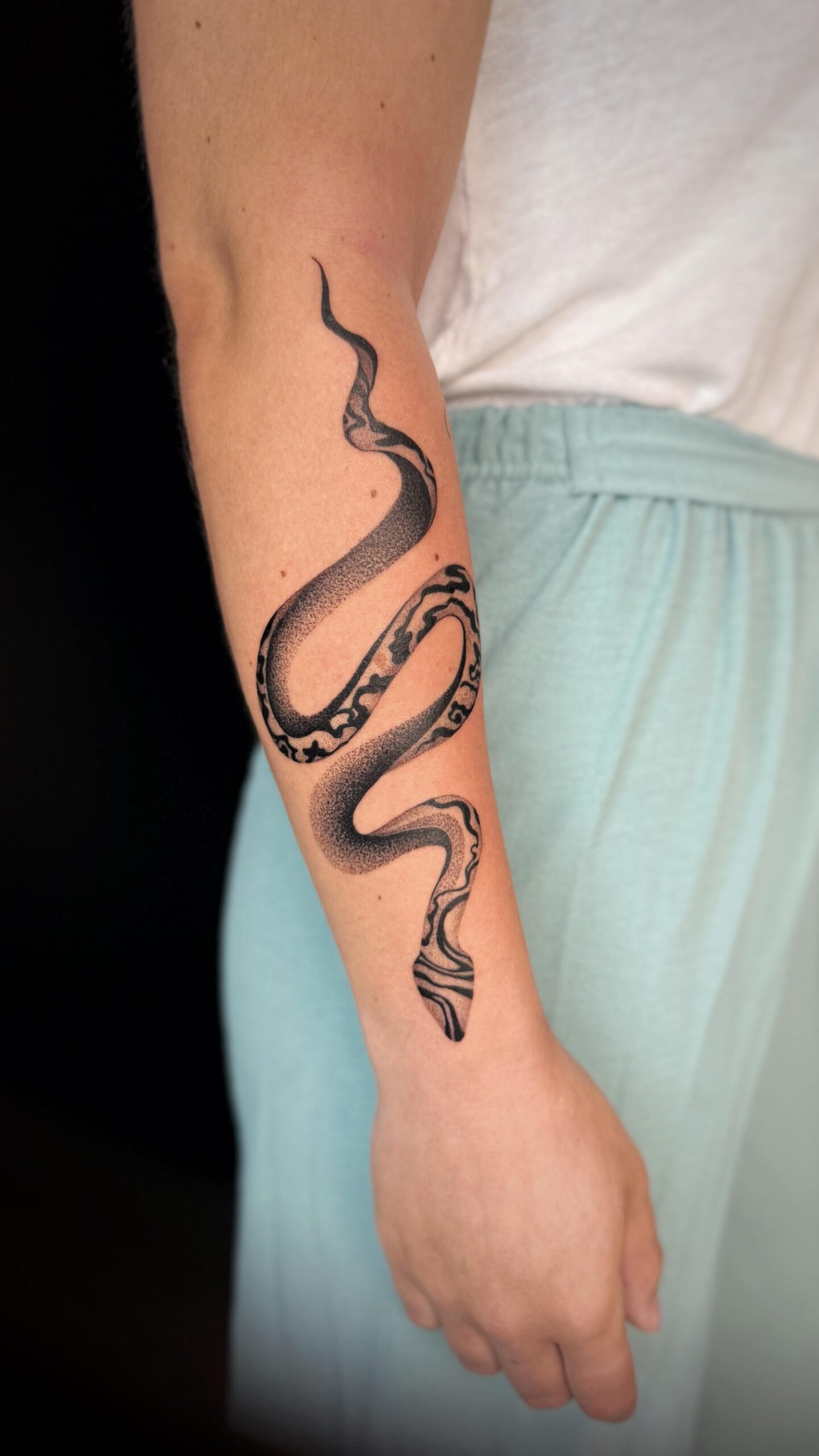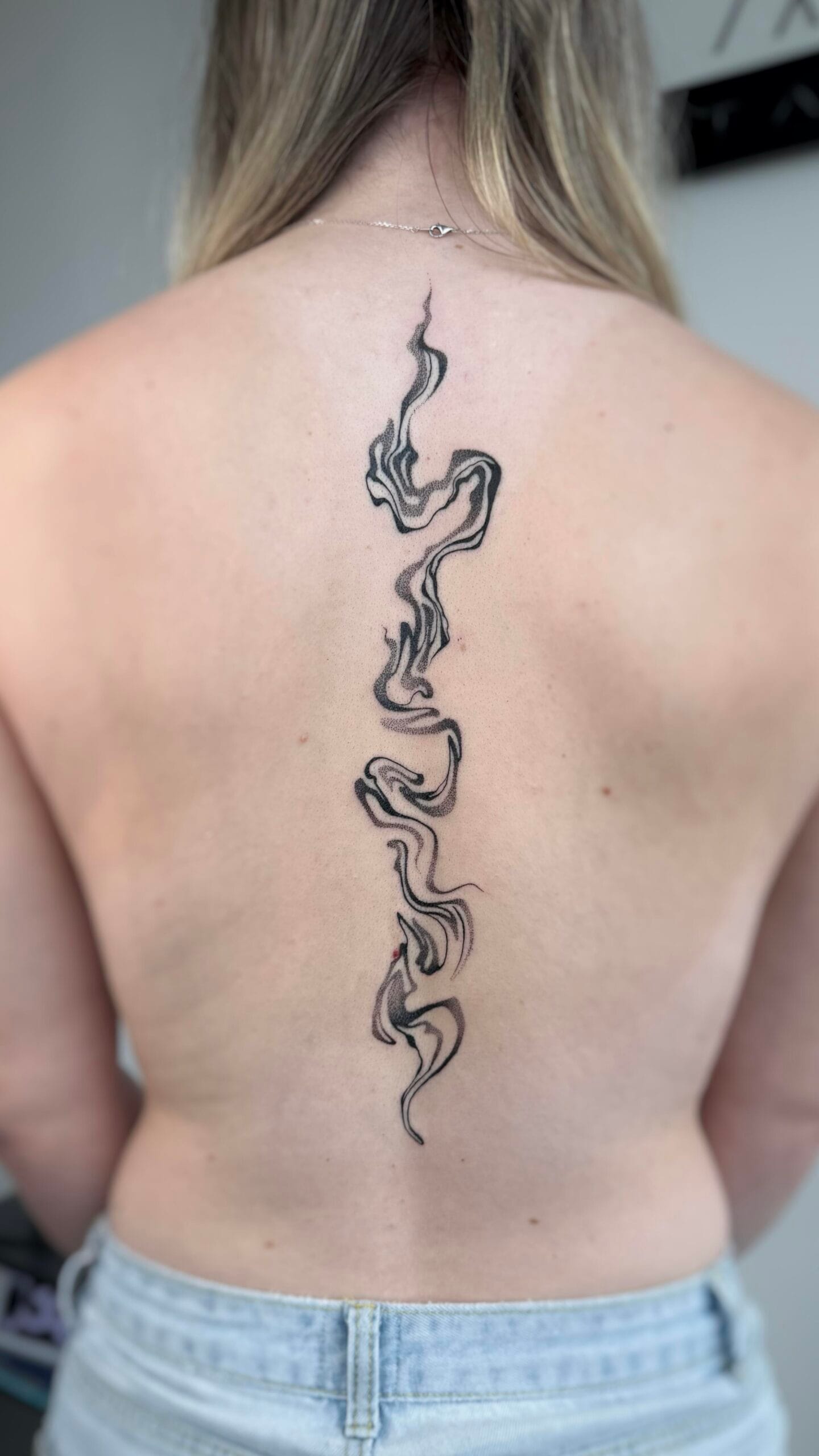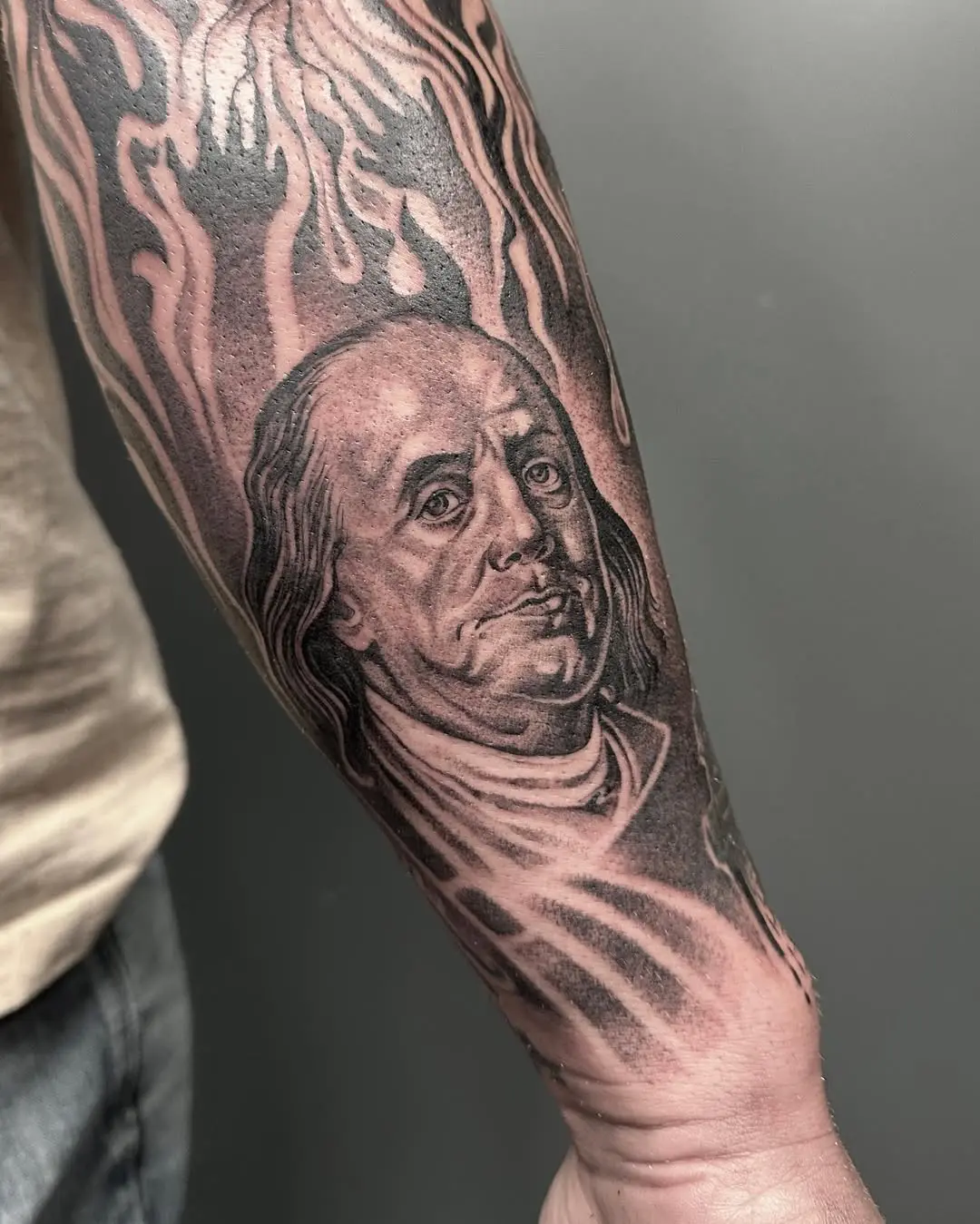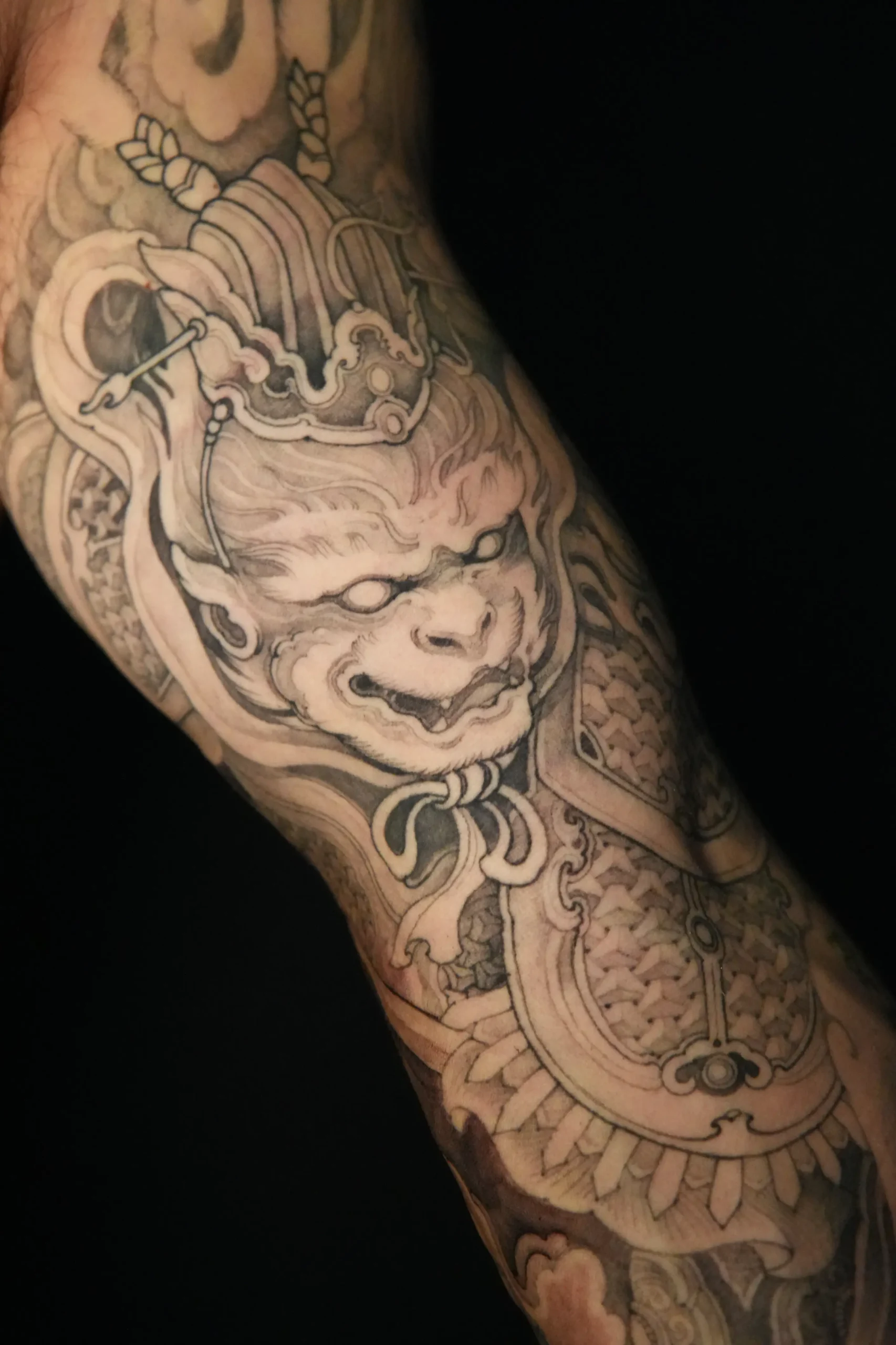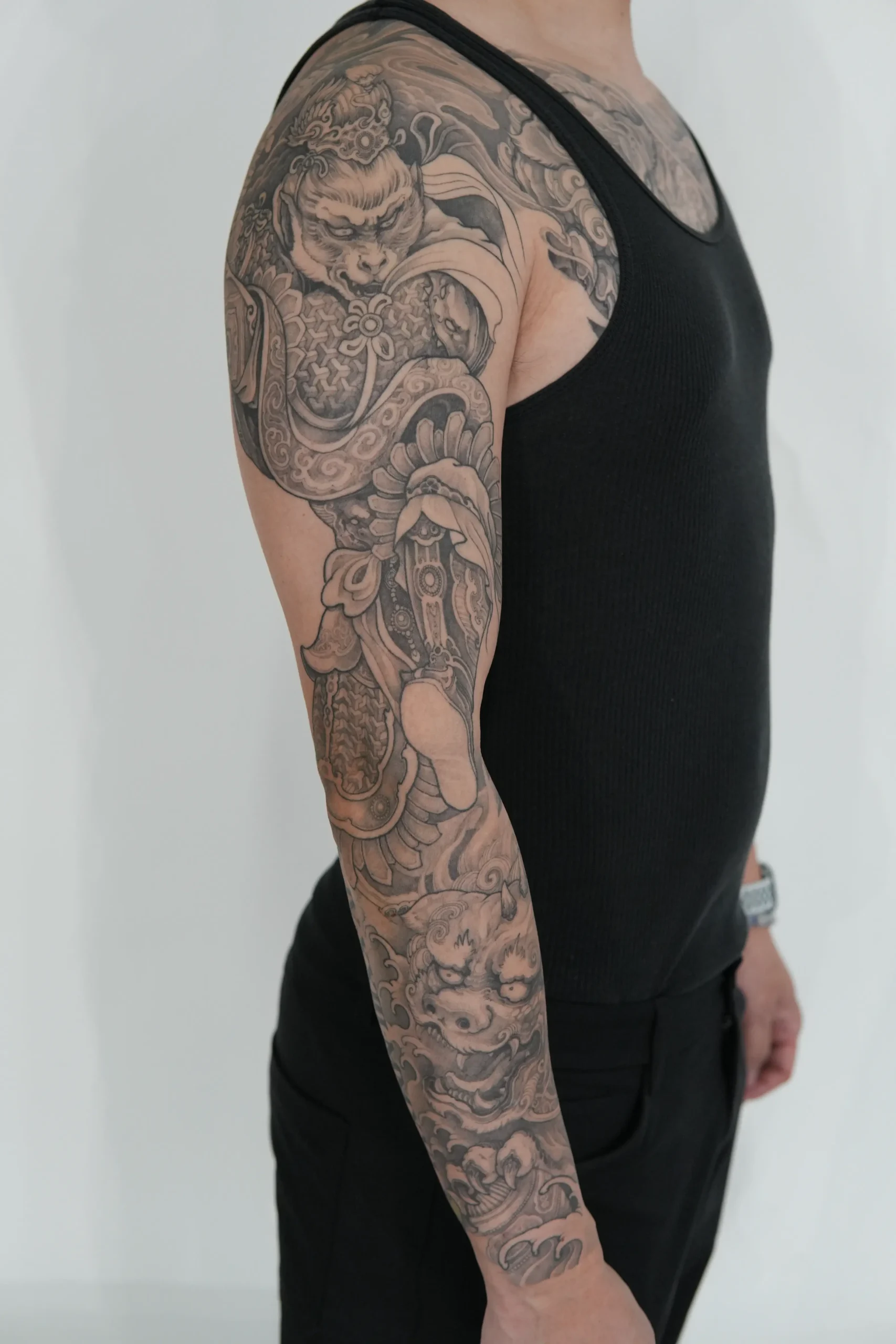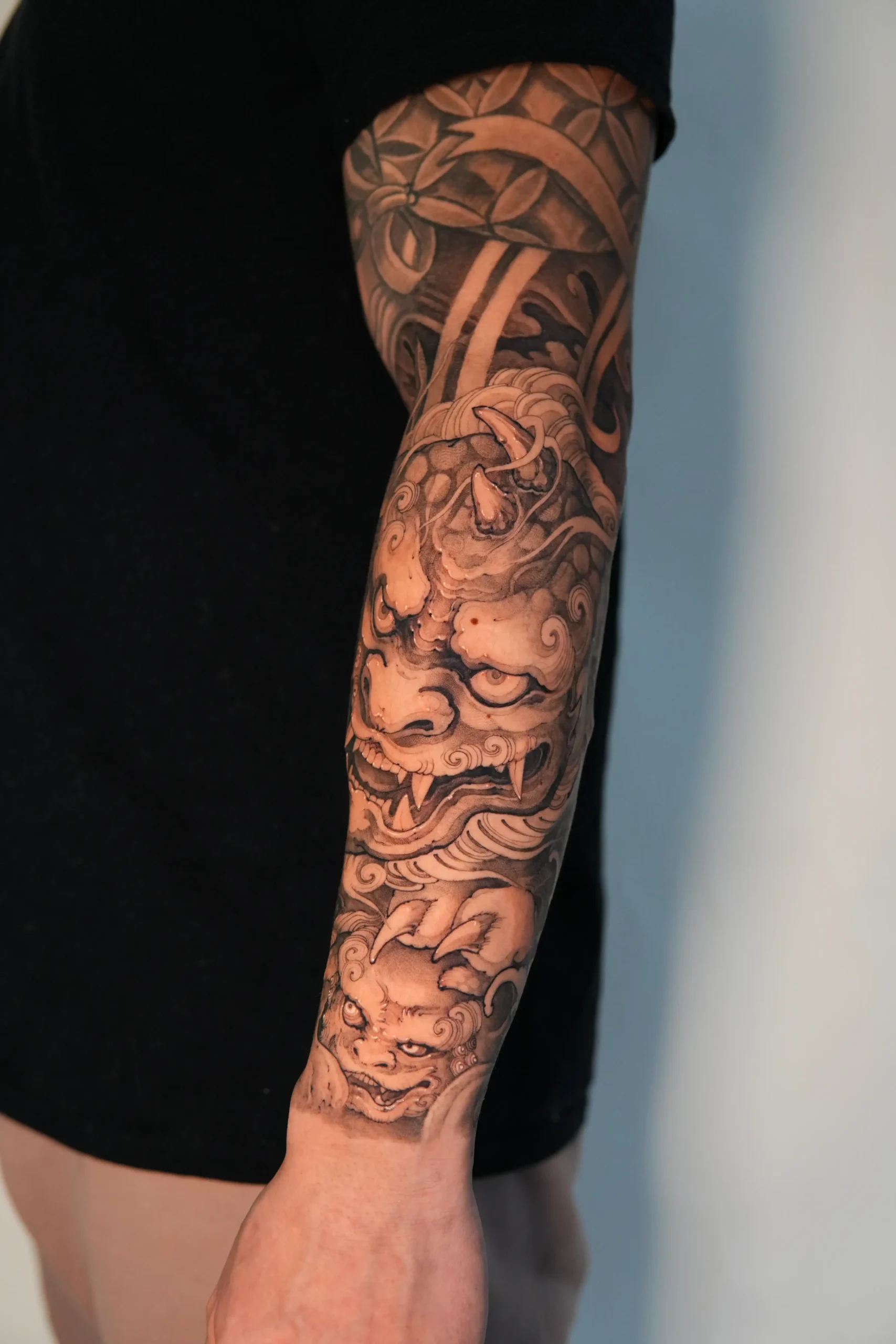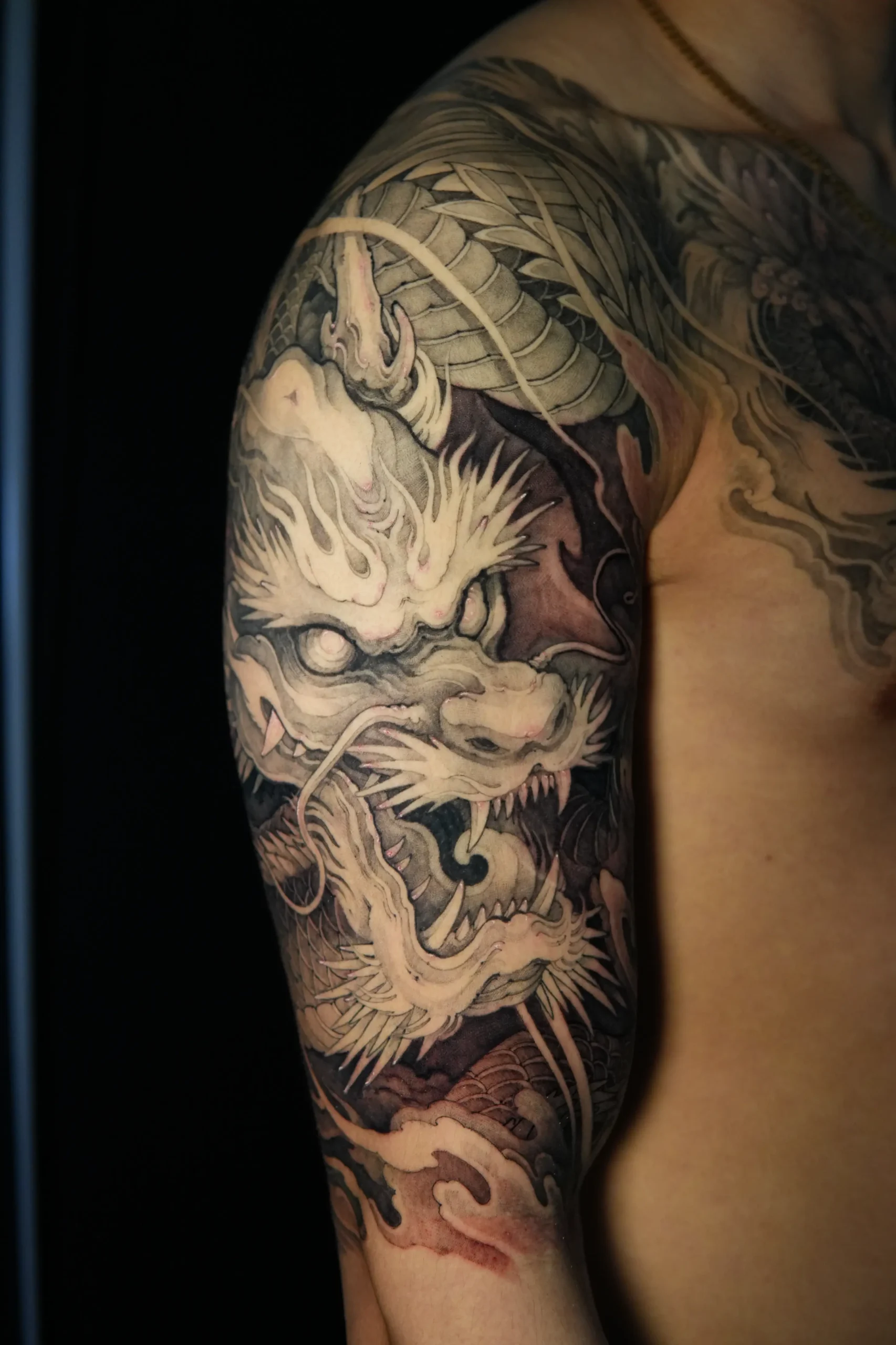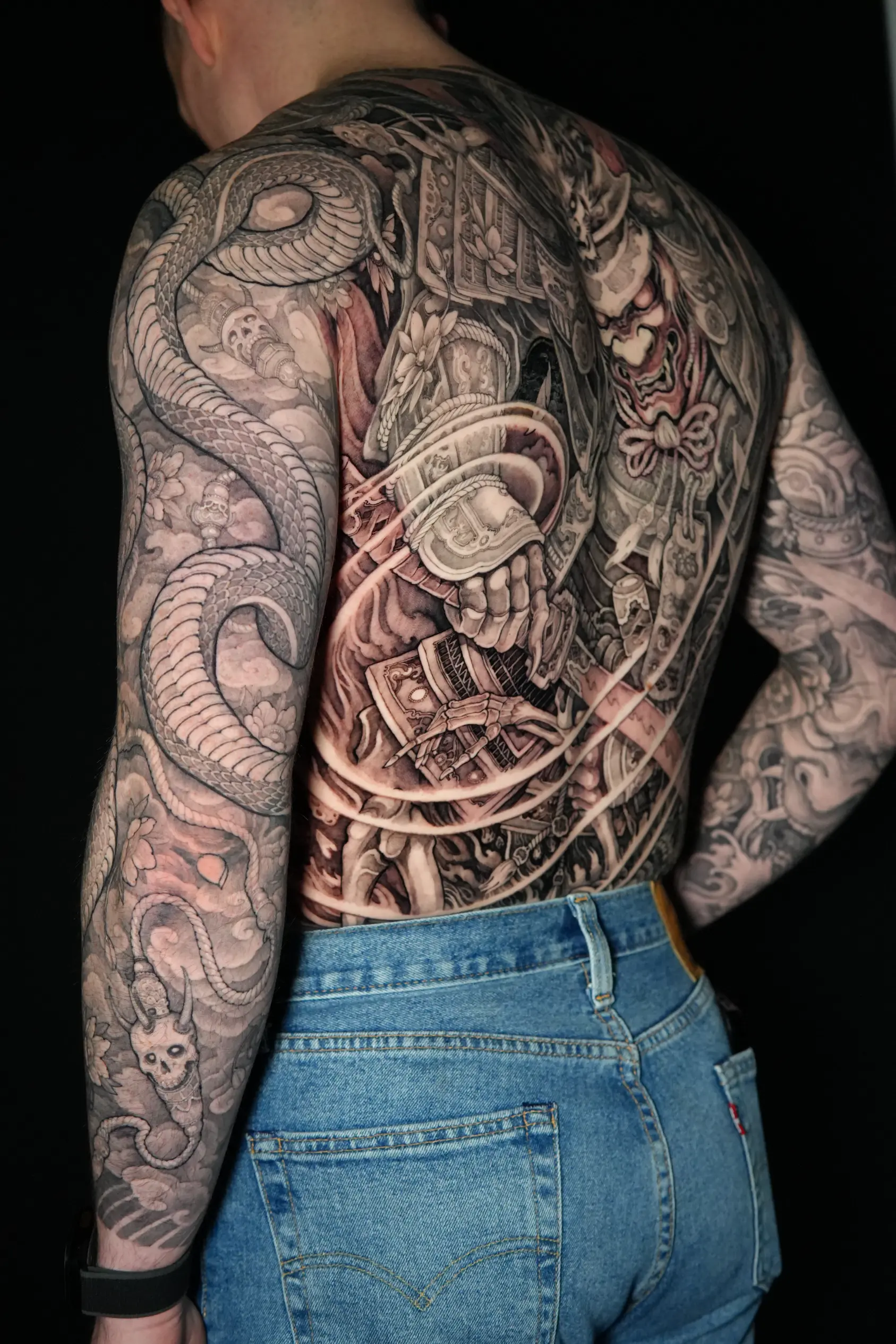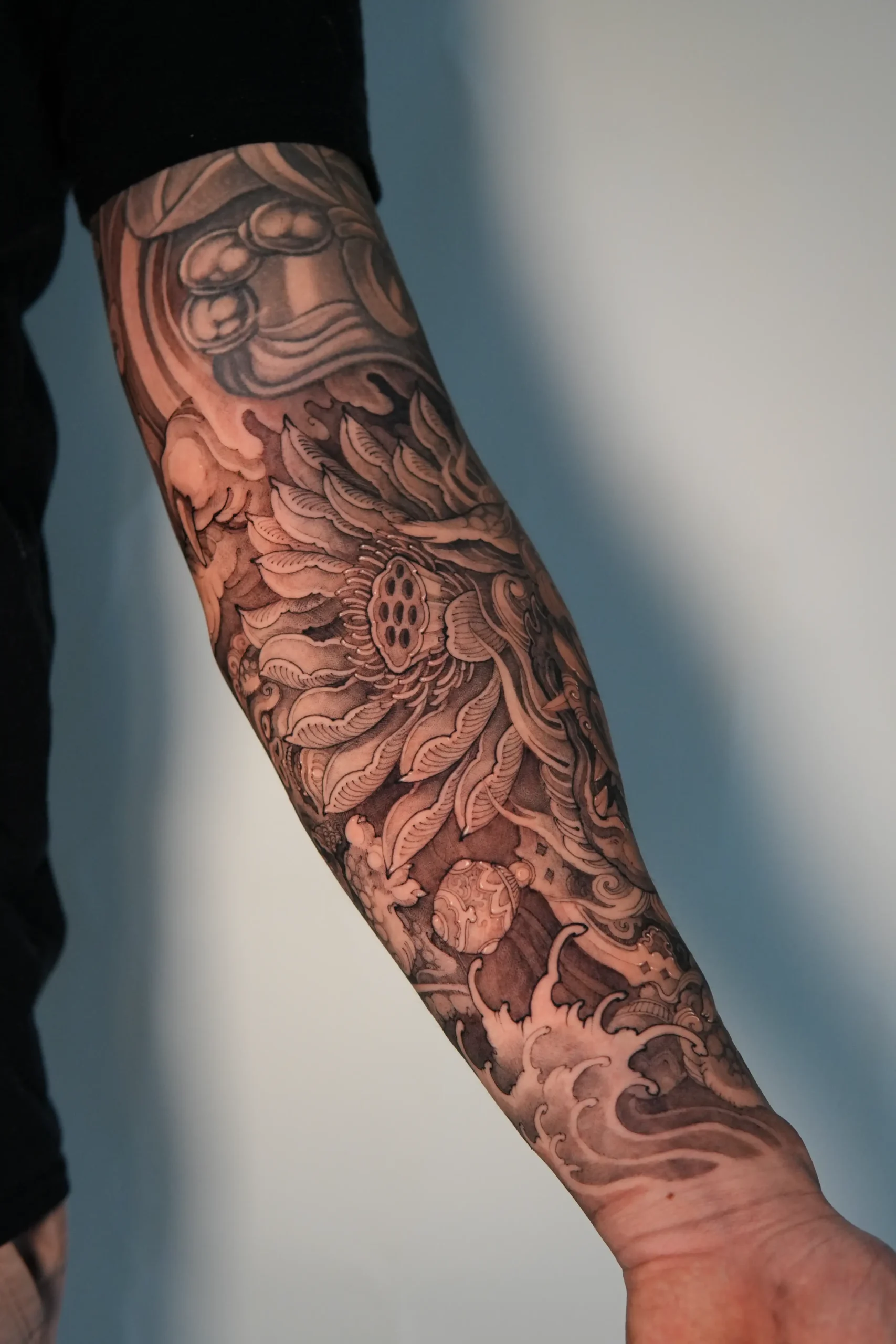





Samurai tattoos represent far more than striking visuals or traditional Japanese aesthetics, reflecting deep samurai tattoo meaning connected to honor, discipline, and warrior philosophy.
Rooted in centuries of history, philosophy, and discipline, these designs carry deep symbolic meaning connected to honor, loyalty, courage, and personal responsibility.
For many people, choosing a samurai tattoo is not simply about visual impact, but about aligning oneself with the timeless values of the Japanese warrior class.
This article explores the meaning, symbolism, design ideas, cultural considerations, and artistic approaches behind samurai tattoos, offering a comprehensive guide for those considering this powerful form of body art.
Samurai tattoos are inspired by the elite warrior class that played a central role in Japanese history for nearly a thousand years.
These warriors were not only skilled fighters but also disciplined philosophers who lived according to strict ethical principles.
As a result, samurai imagery has become a lasting symbol of strength, honor, and self-mastery.
In tattoo art, samurai figures are often depicted in dynamic, dramatic compositions that reflect movement, determination, and emotional depth.
Whether portrayed as full warriors, masked figures, or symbolic elements like swords and armor, samurai tattoos convey a sense of purpose and inner resolve that resonates across cultures.
What Do Samurai Tattoos Mean?
A common question people ask before choosing this style is what does a samurai tattoo symbolize, since the design is closely associated with courage, loyalty, and personal discipline.
Samurai tattoos historically represent values from the Bushidō code such as honor, courage, loyalty, and discipline.
At its core, a samurai tattoo represents commitment to a personal code of ethics.
Historically, samurai lived by Bushidō, a moral framework emphasizing loyalty, discipline, respect, and acceptance of death.
For modern wearers, samurai tattoos often symbolize:
- unwavering personal principles;
- courage in the face of adversity;
- loyalty to one’s values or loved ones;
- self-discipline and emotional control.
While interpretations vary, samurai tattoos consistently reflect a mindset rather than a specific event or story.
Samurai Tattoo Meaning: Symbolism and Cultural Roots
The samurai tattoo meaning is deeply connected to Japanese culture and philosophy. Samurai were expected to live honorably and die without fear, believing that integrity mattered more than survival. This worldview influences how samurai tattoos are perceived today.
Key symbolic themes include:
- honor over comfort;
- duty over desire;
- mental strength over physical dominance;
- balance between aggression and restraint.
Understanding the cultural roots behind samurai imagery helps ensure that the tattoo carries authentic meaning rather than being reduced to a purely decorative motif.
Popular Samurai Tattoo Designs and Styles
Samurai tattoos come in many artistic forms, ranging from traditional Japanese irezumi to modern illustrative styles, inspiring large-scale designs such as samurai sleeve ideas and samurai back tattoo ideas. Some of the most popular designs include:
- full samurai warriors in battle stance;
- close-up portraits emphasizing facial expression;
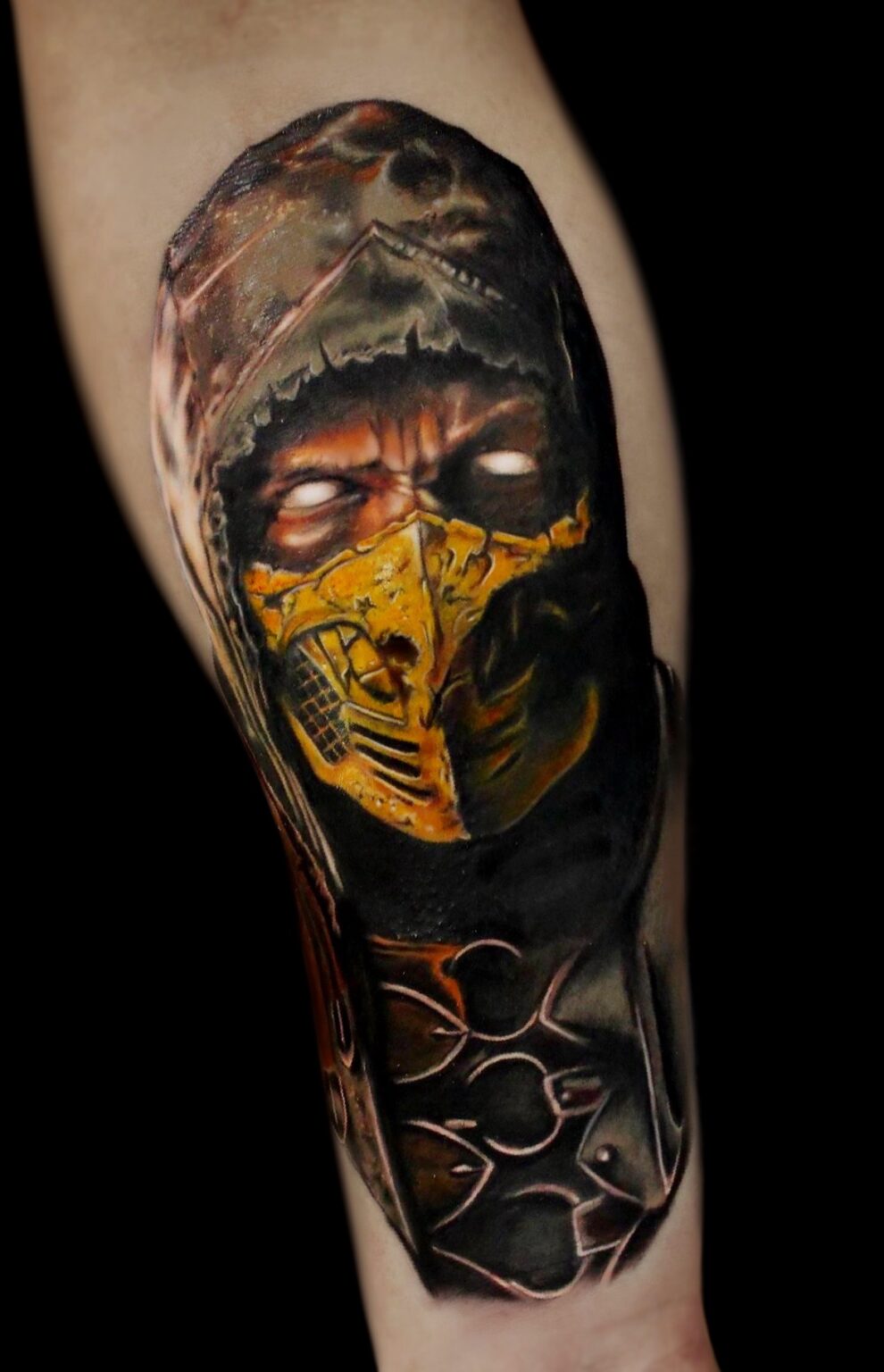
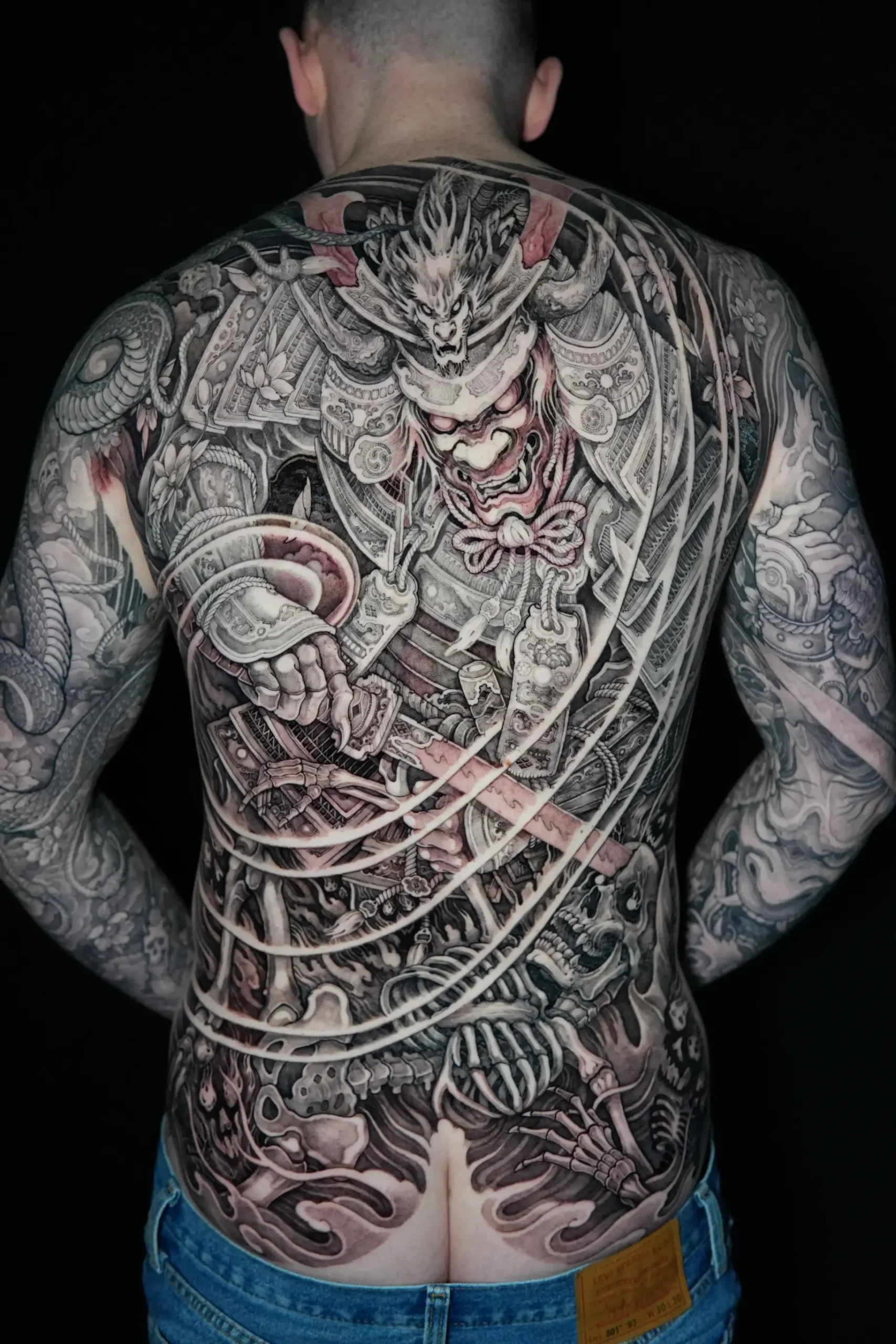
- armored samurai with detailed helmets and masks;
- symbolic compositions featuring swords, banners, or landscapes.
Large-scale pieces are especially common, as samurai imagery benefits from space to capture detail, motion, and emotional intensity.
Creative Samurai Tattoo Ideas
Creativity plays a significant role in adapting samurai imagery to personal meaning. Artists often blend historical accuracy with modern artistic interpretation to create unique designs.
Common creative directions include:
- combining samurai figures with natural elements like wind, fire, or waves;
- integrating calligraphy or kanji representing virtues;
- depicting lone warriors to emphasize independence;
- abstract interpretations focusing on armor or weapons rather than faces.
These approaches allow the tattoo to feel both traditional and personal.
Samurai Tattoo Placement and Design Considerations
Placement is critical for samurai tattoos due to their complexity and narrative nature. Many designs require ample space to maintain clarity and impact.
Popular placements include:
- back, for large narrative scenes;
- sleeves, for flowing action compositions;
- chest or ribcage, for dramatic close-ups;
- thigh or calf, for vertical storytelling.
Careful placement ensures that the design flows naturally with body movement and preserves visual balance over time.
Traditional vs Modern Samurai Tattoo Styles
Traditional samurai tattoos follow classical Japanese art conventions, including bold outlines, limited color palettes, and mythological symbolism. These designs often reference historical armor, weaponry, and battle scenes.
Modern interpretations, on the other hand, may incorporate:
- realistic shading and portrait techniques;
- cinematic lighting and perspective;
- hybrid styles blending realism with illustration;
- minimalist or symbolic approaches.
Both styles can be equally meaningful, depending on the wearer’s intention and artistic preference.
Common Elements in Samurai Tattoo Art
| Samurai Element | Symbolic Meaning |
| Samurai warrior | Honor, courage, discipline |
| Samurai mask | Protection, emotional control |
| Katana sword | Loyalty, strength, warrior spirit |
| Ronin | Independence and personal path |
| Armor | Protection and resilience |
Samurai Sword Direction Meaning
The orientation of a sword within a samurai tattoo is not arbitrary. The samurai sword direction meaning can subtly influence the message of the design.
Common interpretations include:
- sword pointing upward, representing readiness and vigilance;
- sword pointing downward, symbolizing peace or reflection;
- sheathed sword, indicating restraint and discipline;
- drawn blade, emphasizing action or resolve.
These details allow for nuanced storytelling within the artwork.
Ronin Tattoo Meaning
Ronin were samurai without a master, often viewed as outsiders in feudal Japan. Over time, their image has evolved into a powerful symbol of independence.
The ronin tattoo meaning typically represents:
- freedom from imposed authority;
- personal accountability;
- resilience after loss or change;
- choosing one’s own path.
For many people, ronin tattoos resonate deeply with themes of self-reliance and inner strength.
Samurai Sleeve Ideas
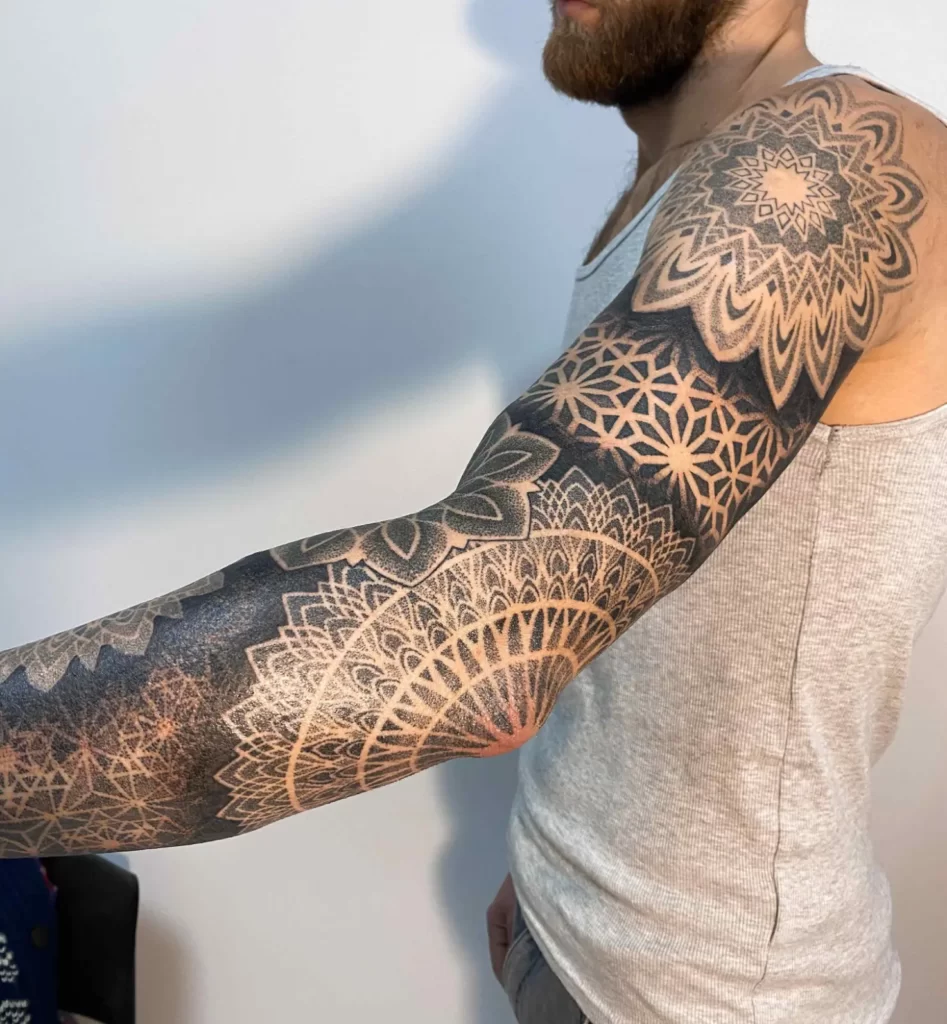
Full-arm compositions are a popular choice for this theme. Samurai sleeve ideas often feature dynamic movement, layered symbolism, and flowing backgrounds that connect individual elements into a cohesive story.
Common sleeve concepts include:
- a warrior progressing through battle scenes;
- seasonal imagery representing life cycles;
- transitions from calm to chaos;
- symbolic journeys from discipline to enlightenment.
Sleeves allow for gradual visual storytelling that unfolds naturally with the arm’s movement.
Samurai Back Tattoo Ideas
Large-scale designs on the back provide an ideal canvas for epic storytelling. Samurai back tattoo ideas often depict full figures, battle scenes, or symbolic landscapes that emphasize scale and power.
Back pieces are especially effective for:
- portraying detailed armor and weapons;
- creating dramatic composition and depth;
- incorporating multiple narrative elements;
- maintaining long-term visual impact.
These designs are often chosen by individuals seeking a statement piece with lasting significance.
Is It Disrespectful to Get a Samurai Tattoo?
A common concern among non-Japanese individuals is is it disrespectful to get a samurai tattoo, and the answer usually depends on cultural understanding and respectful design choices. The answer depends largely on intention and execution.
Samurai tattoos are generally viewed as respectful when:
- the design reflects understanding of the culture;
- imagery is accurate and thoughtfully chosen;
- the tattoo honors values rather than stereotypes.
Disrespect typically arises from careless or superficial use of cultural symbols. Taking the time to research and work with knowledgeable artists helps ensure cultural sensitivity.
Choosing the Right Samurai Tattoo Design
Selecting the right design involves more than choosing an image. It requires reflection on personal values, aesthetic preferences, and long-term meaning.
Consider the following:
- what aspects of samurai philosophy resonate with you;
- whether you prefer historical accuracy or artistic interpretation;
- how much space the design requires;
- how the tattoo will age over time.
Thoughtful planning results in a tattoo that remains meaningful long after it is completed.
Final Thoughts
Samurai tattoos are powerful representations of honor, discipline, and personal philosophy. Whether inspired by Bushidō, the image of the lone ronin, or the symbolism of swords and masks, these designs offer profound depth beyond visual appeal.
By understanding cultural context, symbolic elements, and design considerations, you can approach a samurai tattoo with respect and intention.
When done thoughtfully, a samurai tattoo becomes not just body art, but a lasting reflection of values, resilience, and inner strength.