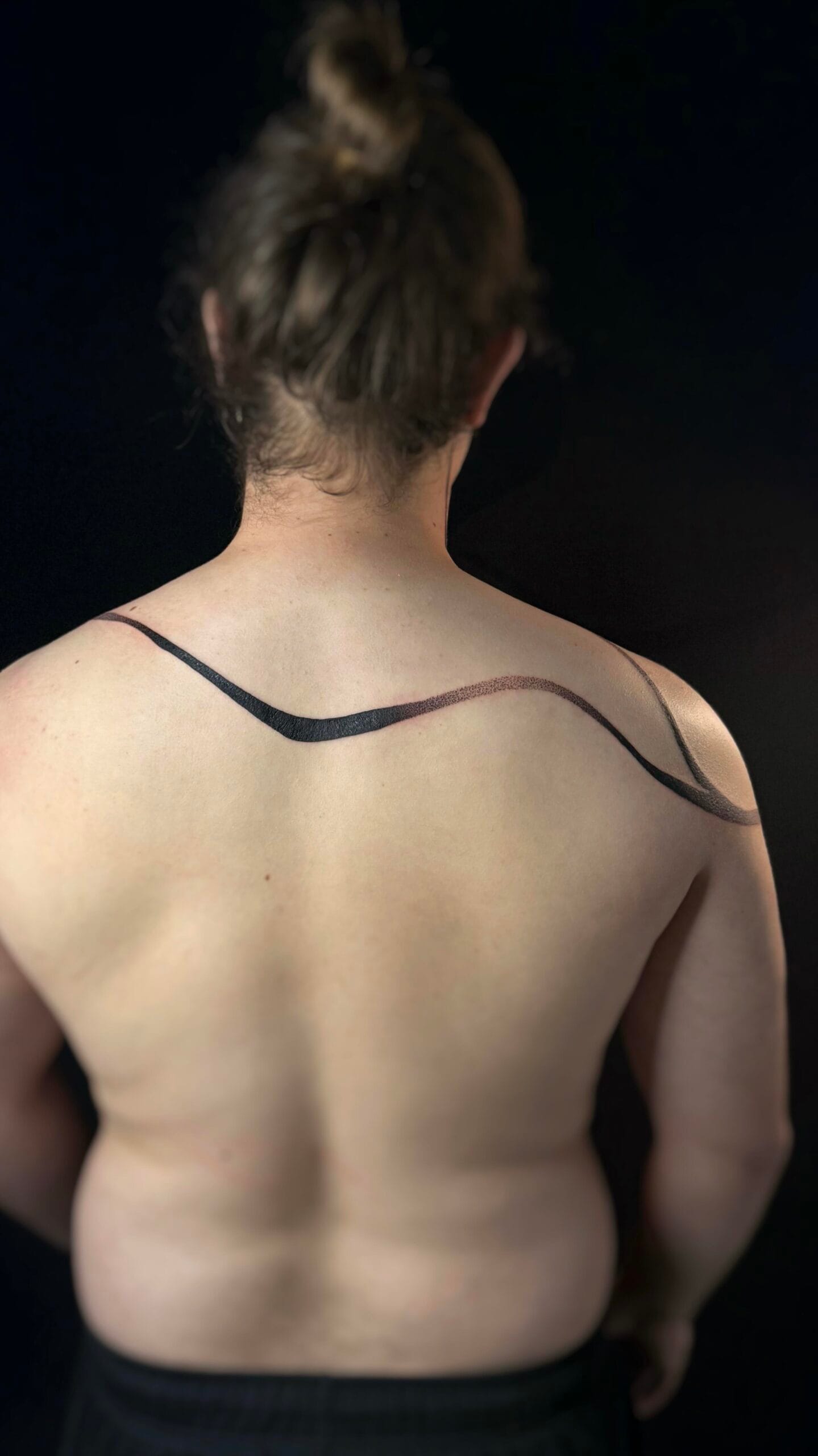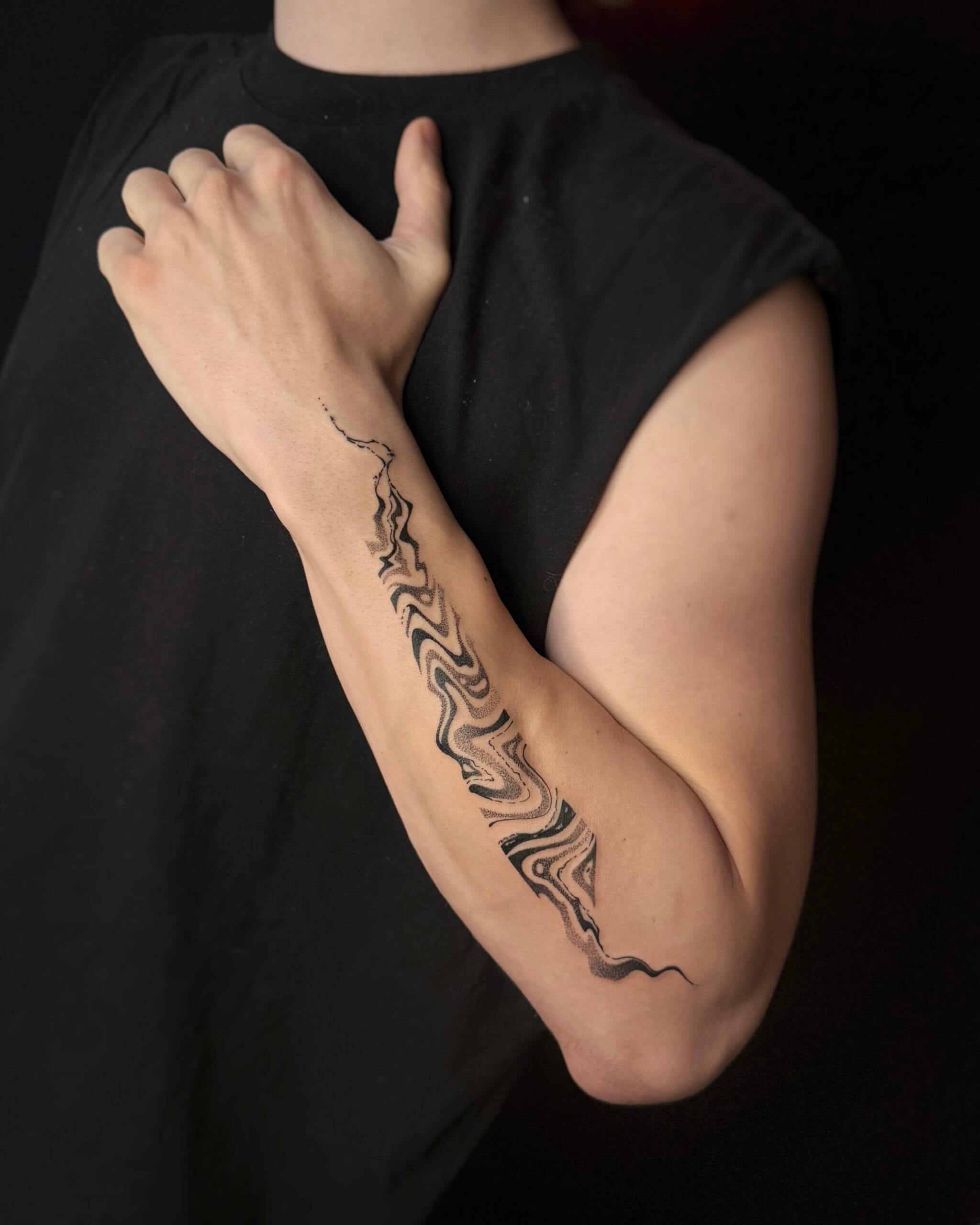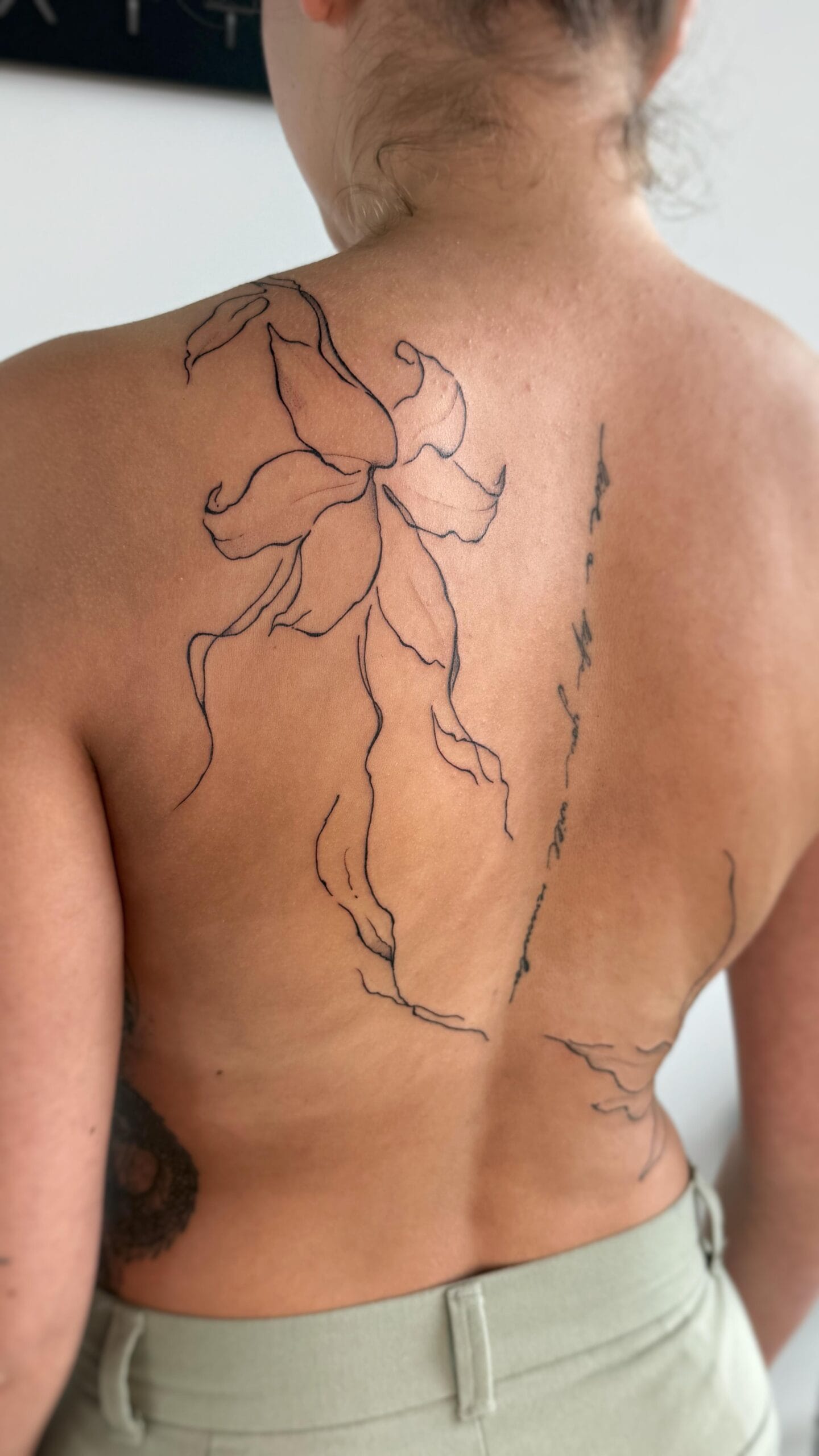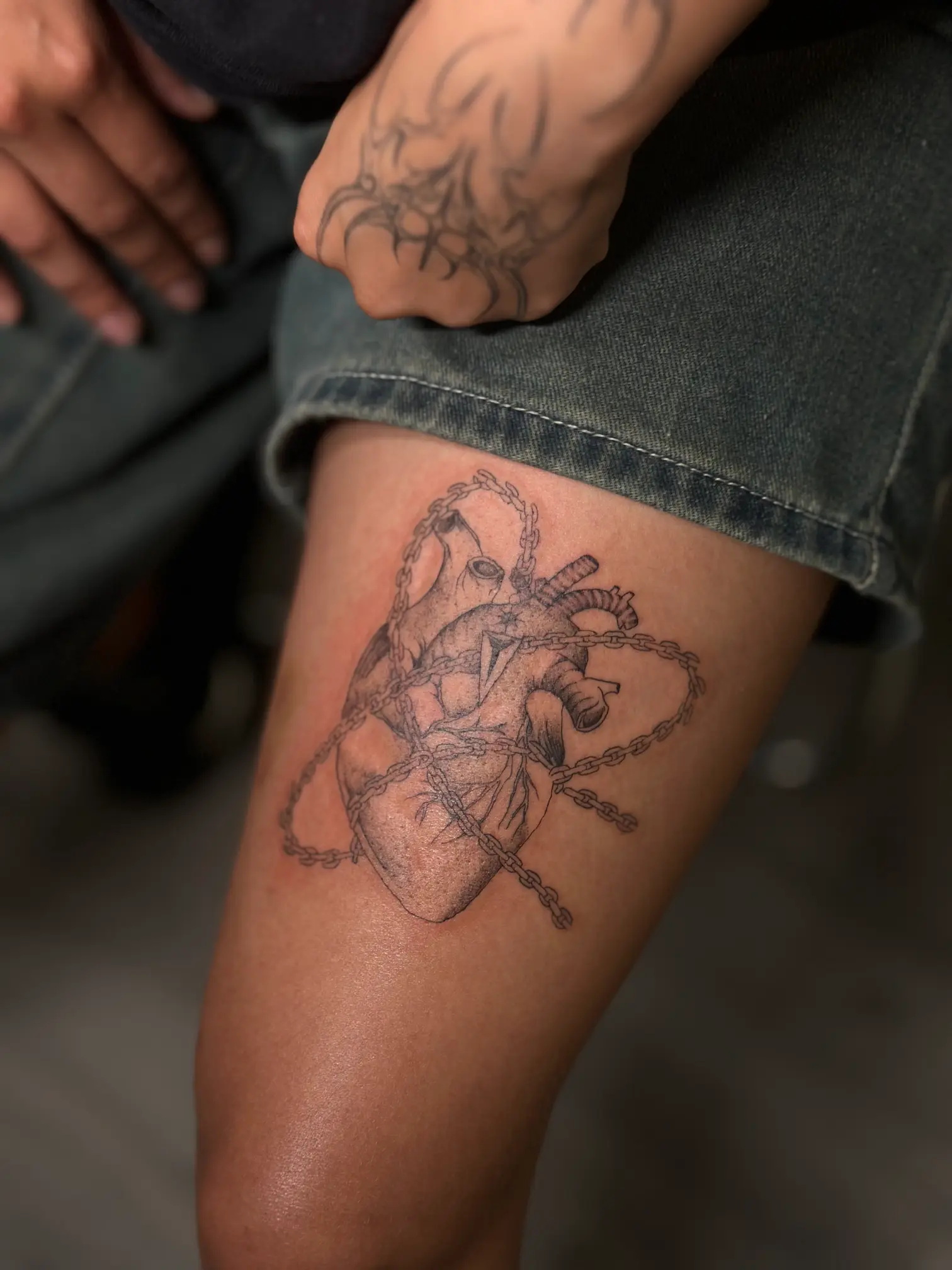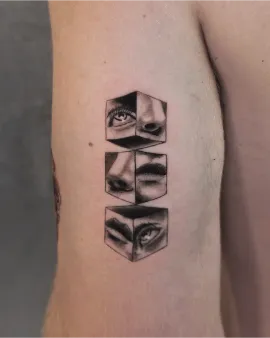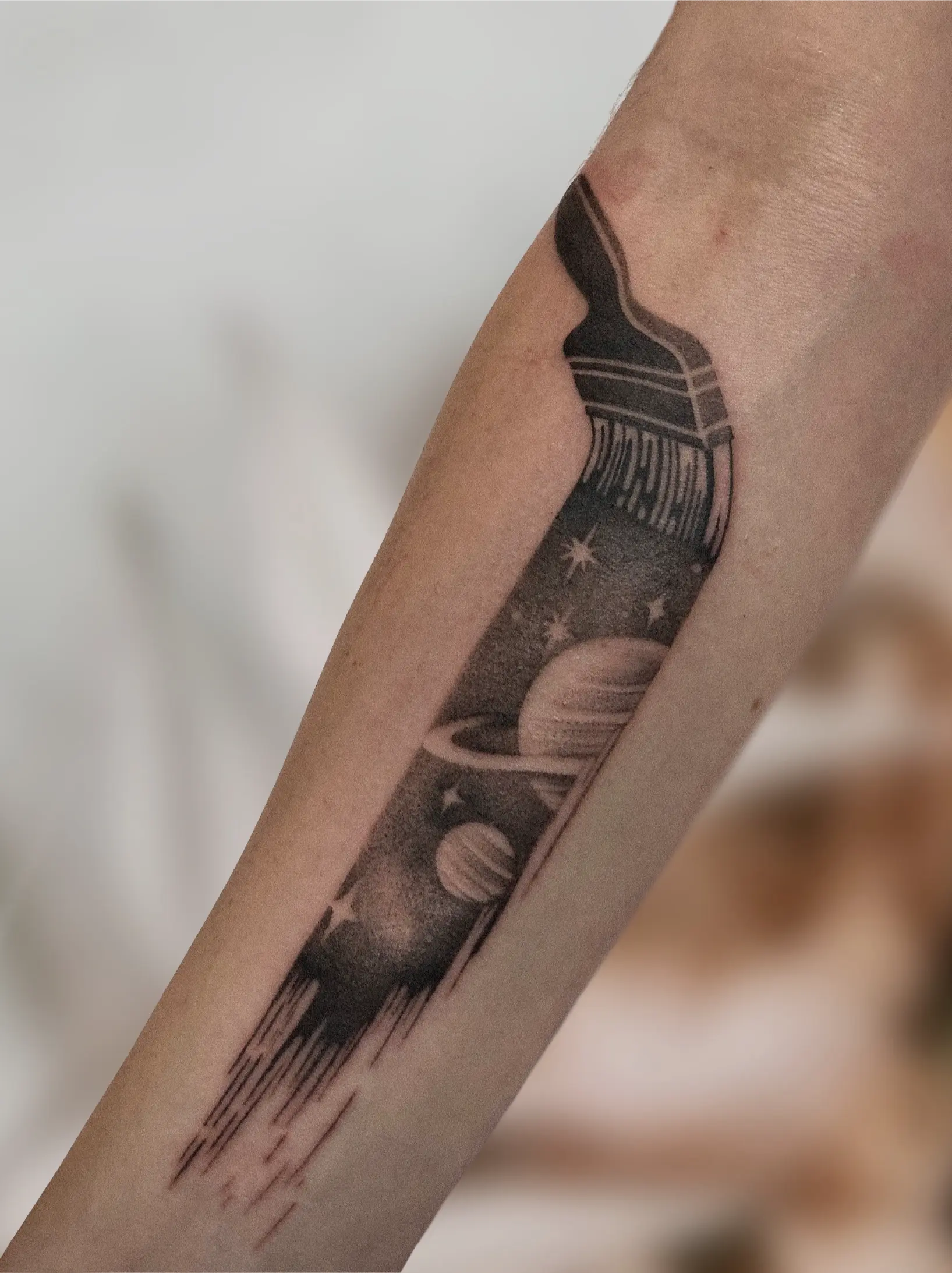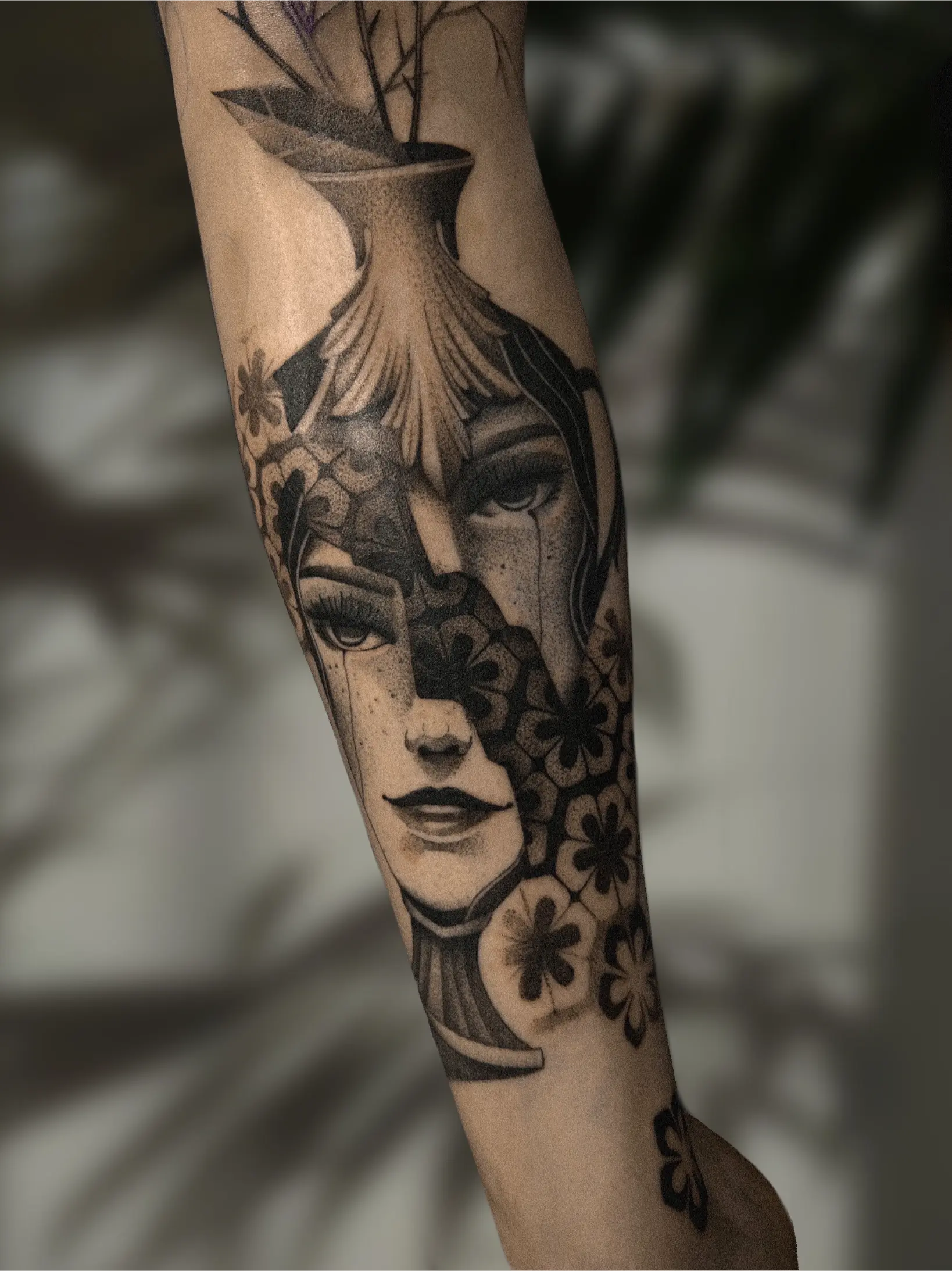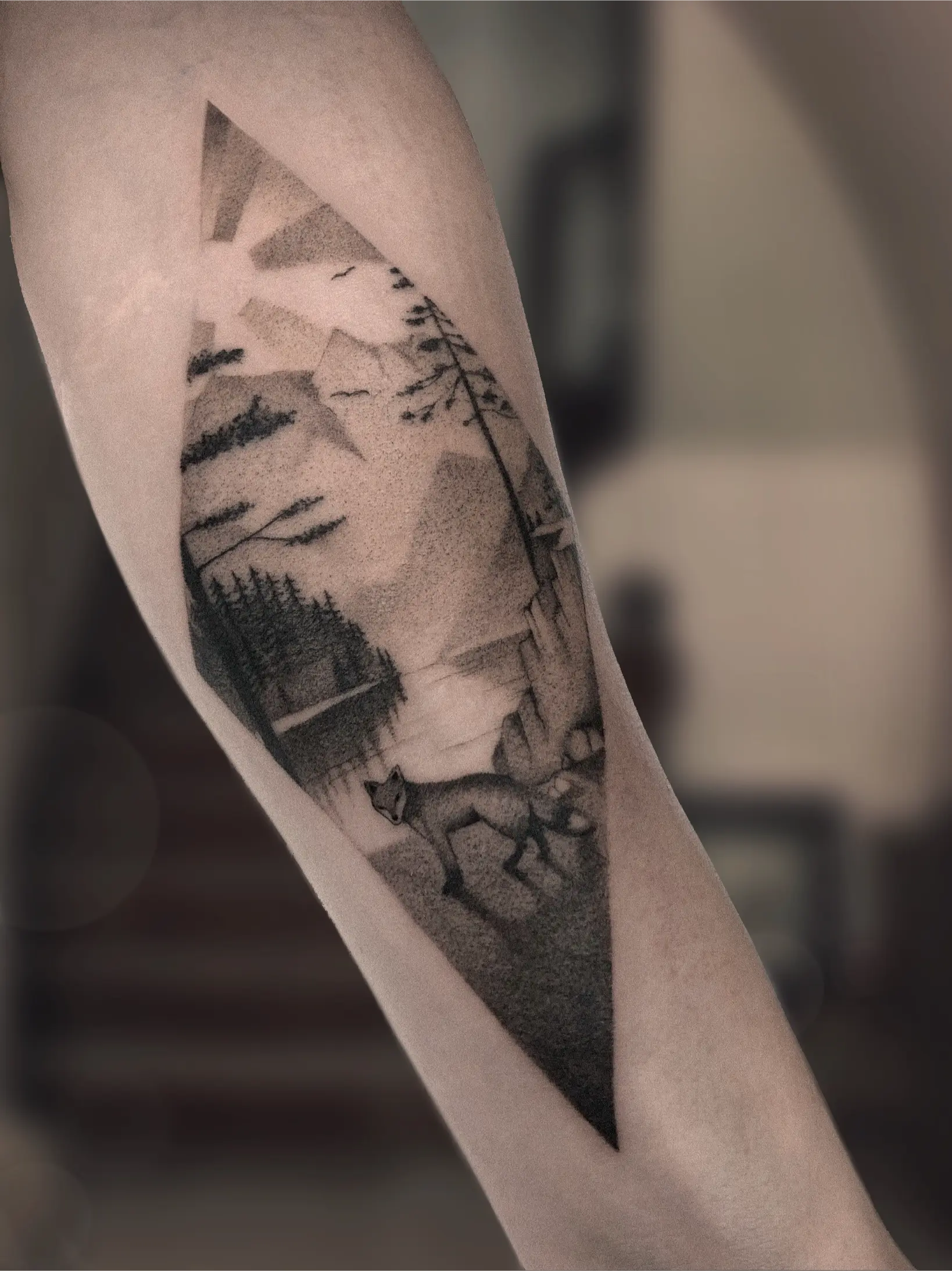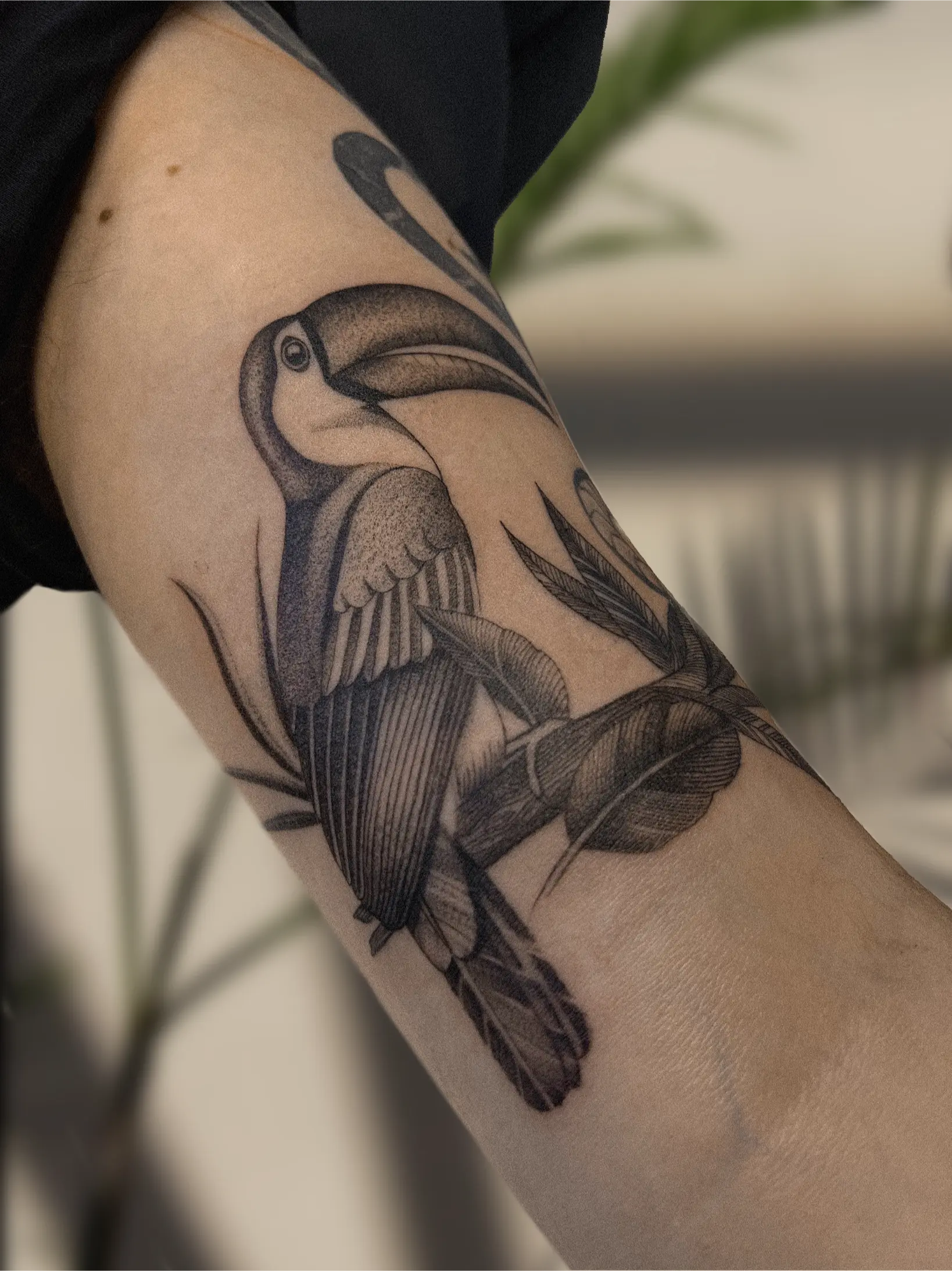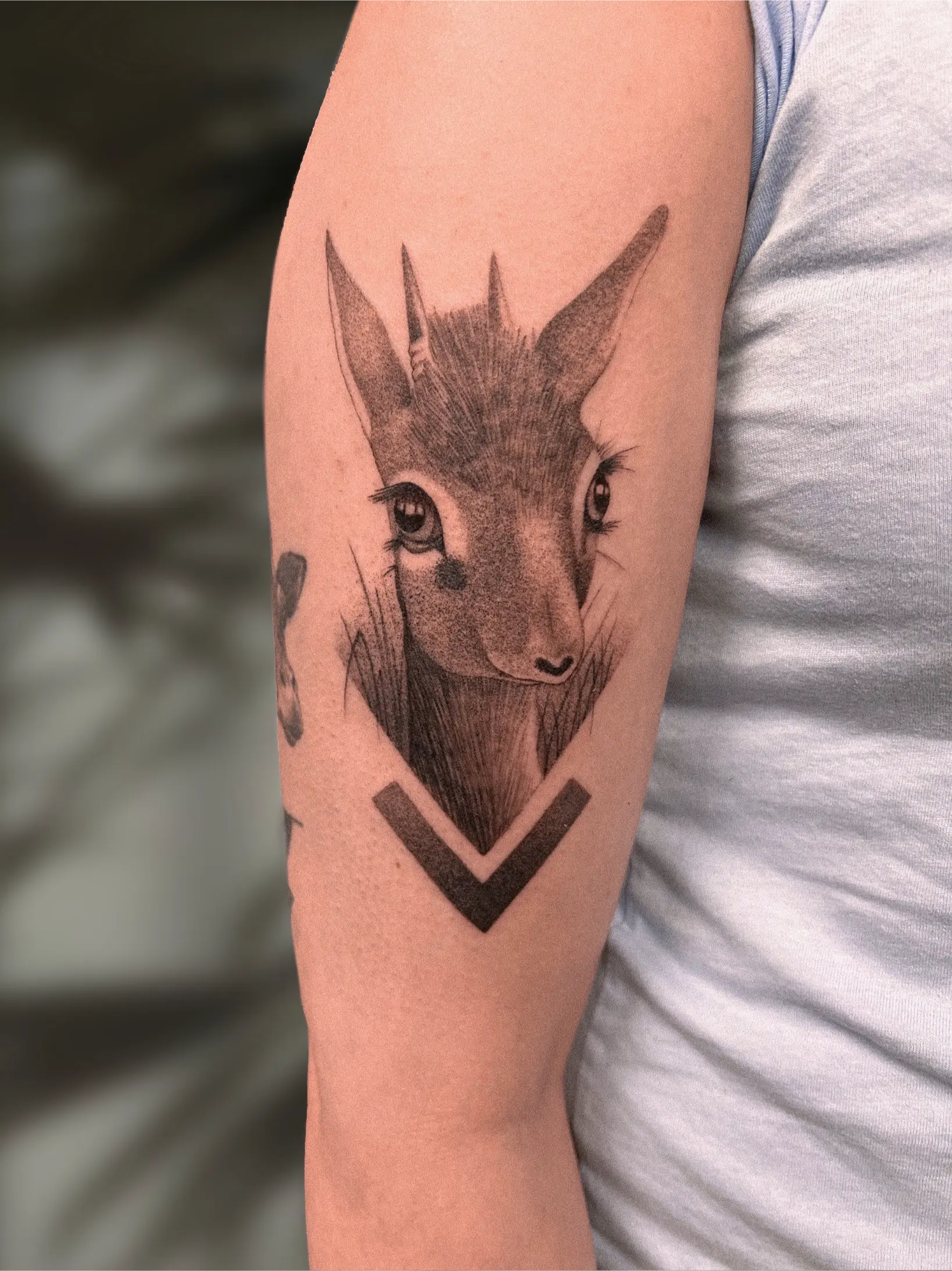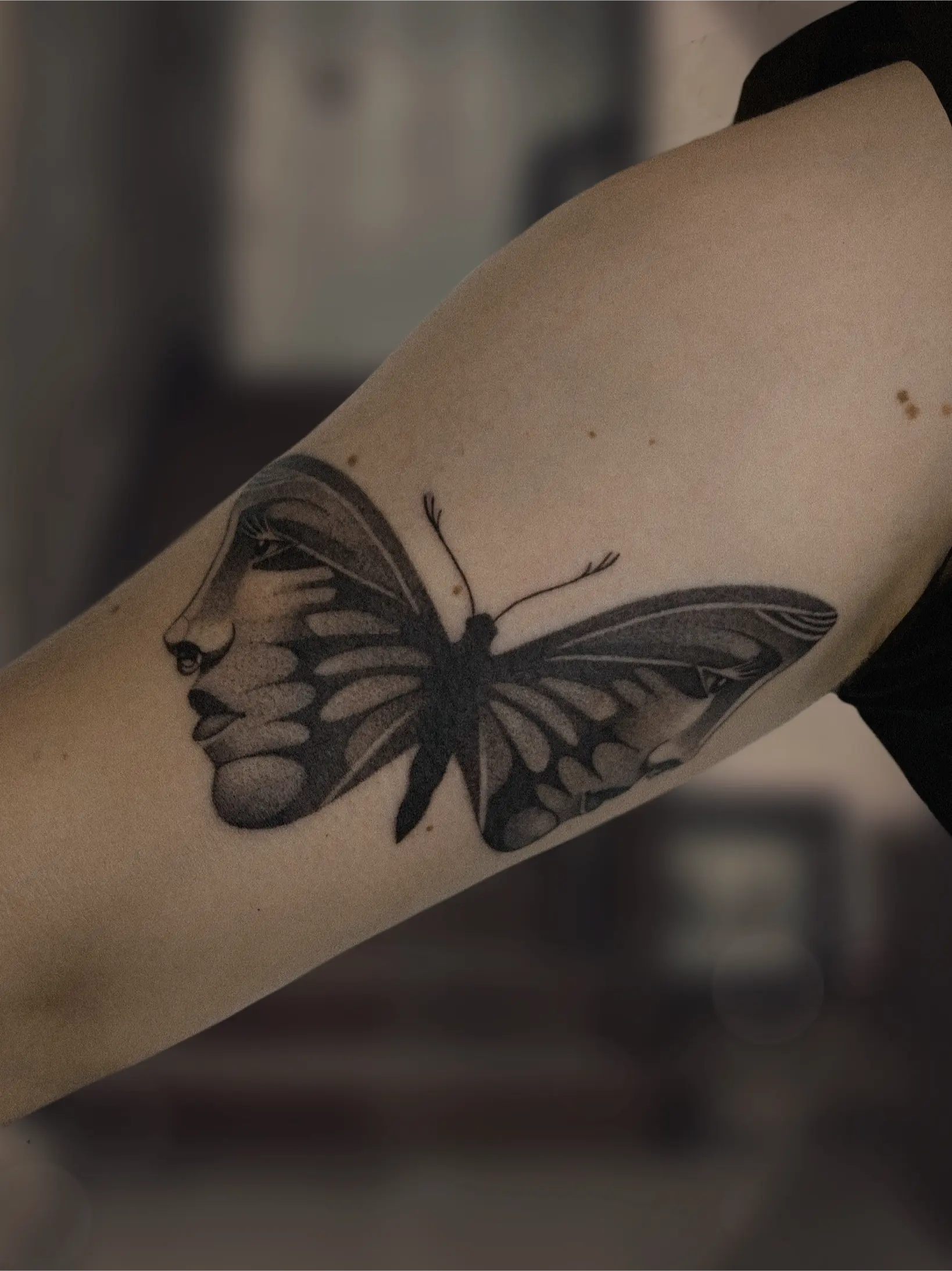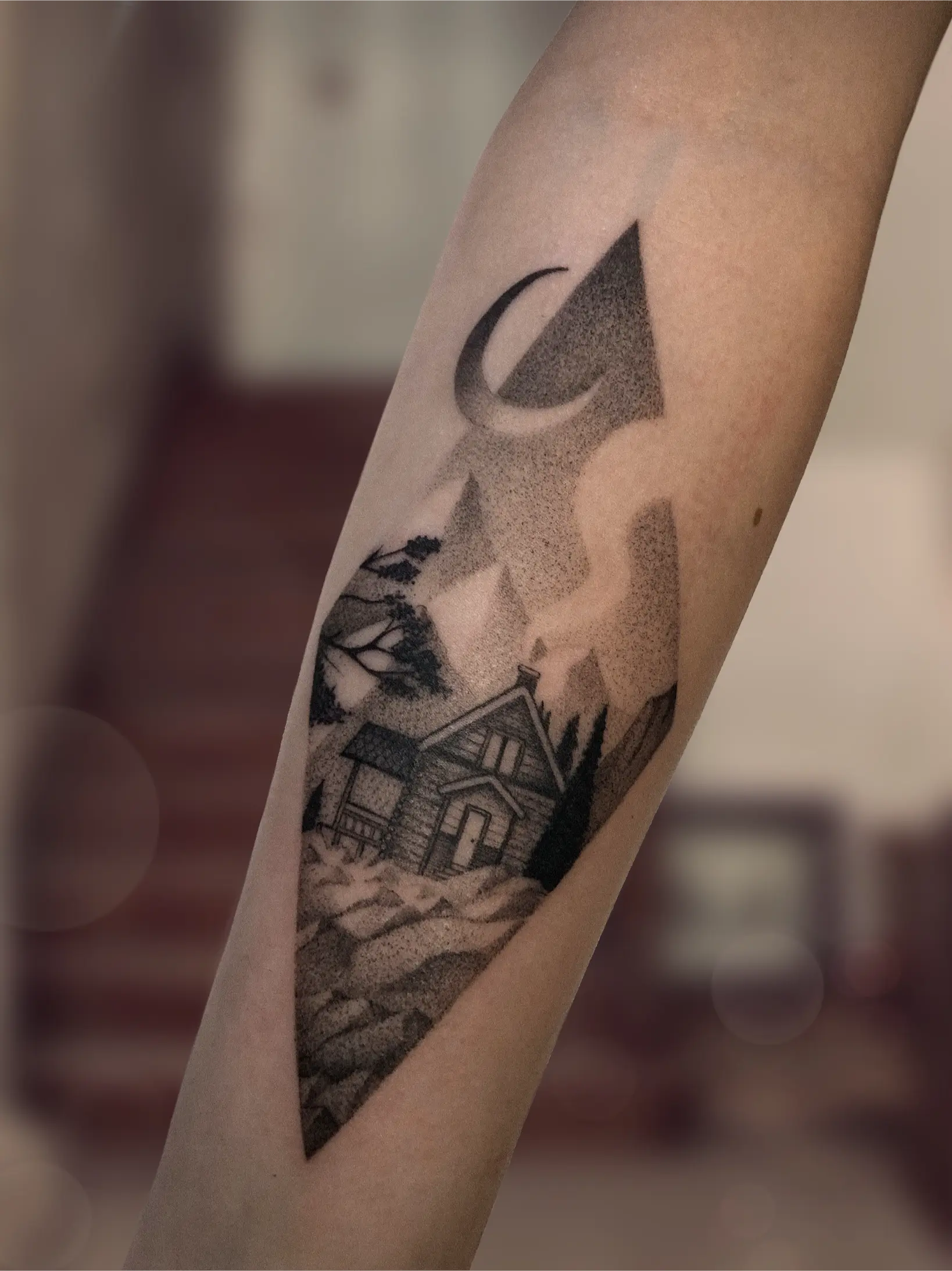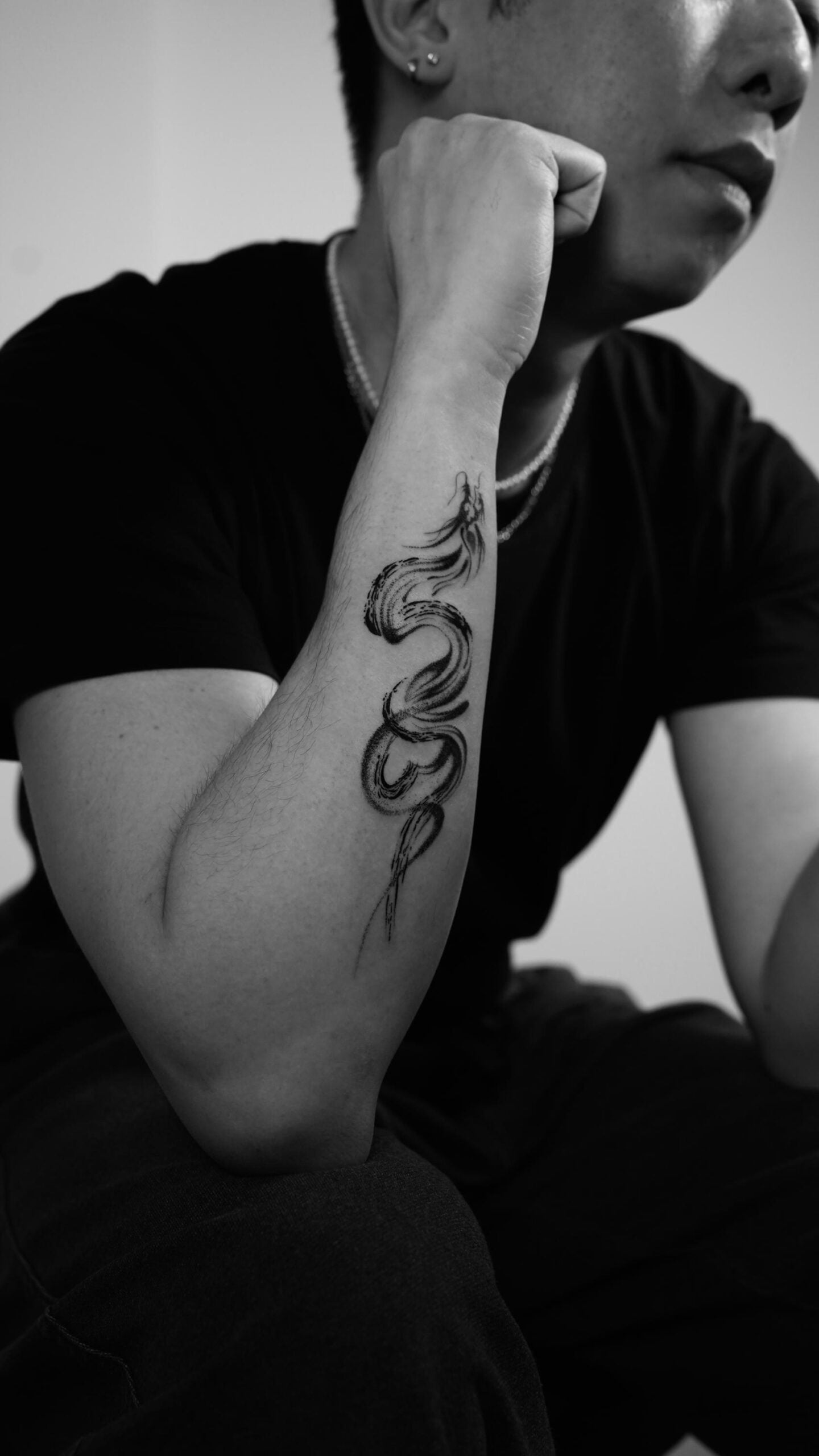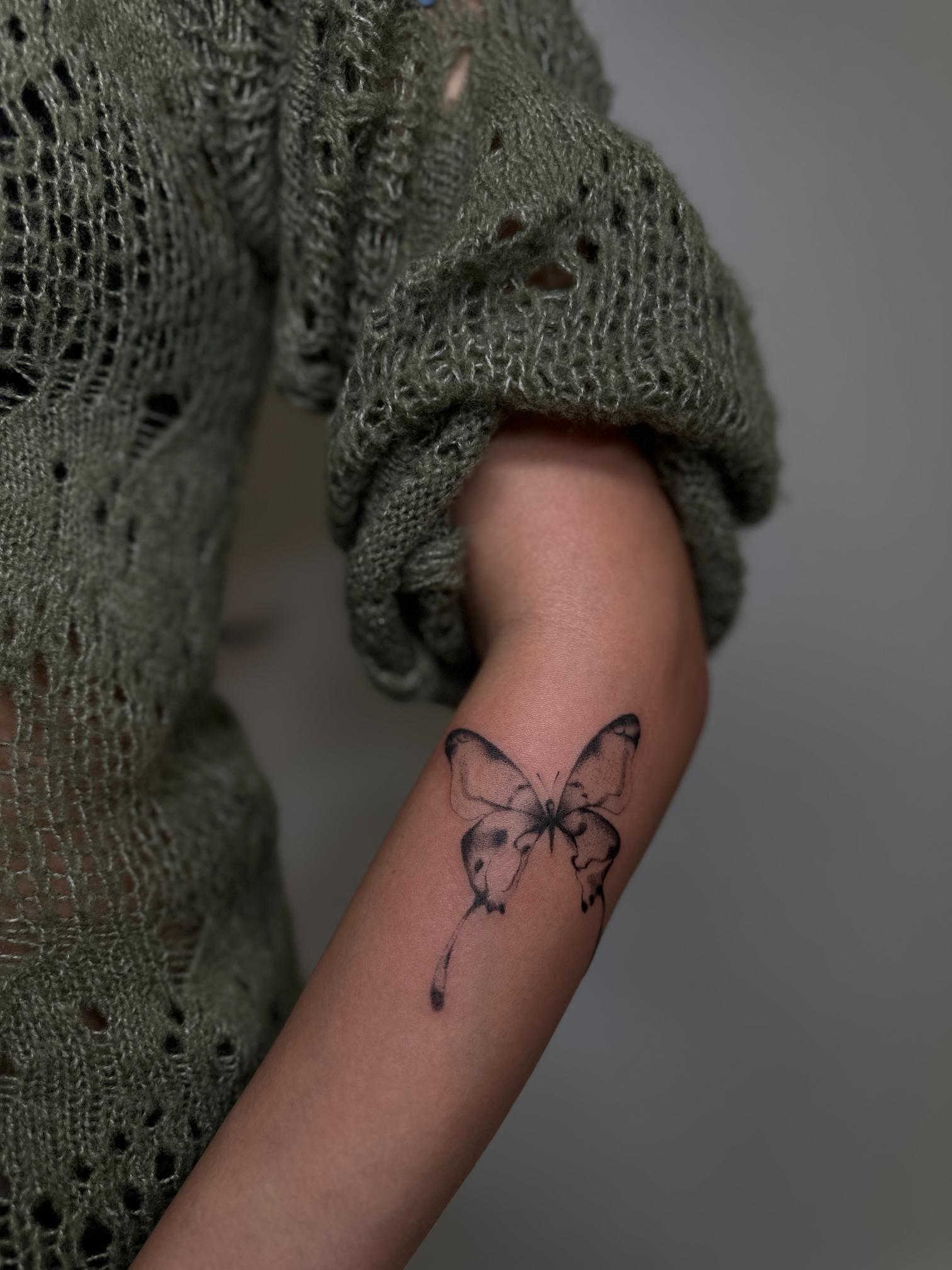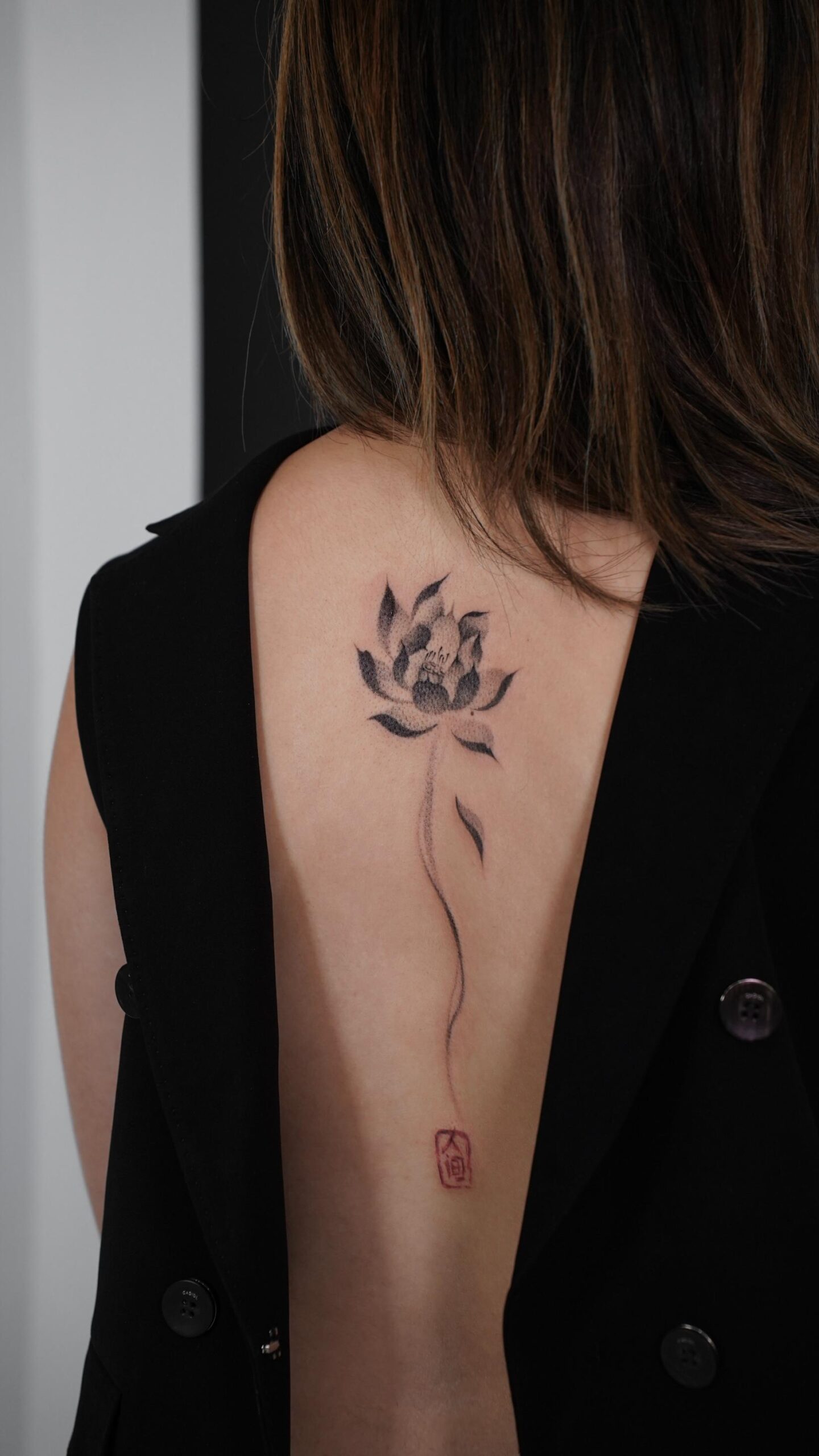





The rose stands as one of the most iconic and enduring symbols in the world of body art.
Its graceful petals, intricate layers, and sharp thorns create a captivating contrast that has inspired artists and collectors for centuries.
This floral motif transcends trends, offering profound emotional depth while remaining visually stunning across every possible style and interpretation.
People often begin their journey by searching for rose tattoo meaning or wondering what do rose tattoos mean in a personal context.
The answer is beautifully open-ended: the design can represent anything from passionate romance and eternal love to quiet remembrance, inner strength forged through hardship, protection of what matters most, or the bittersweet balance between beauty and pain.
Its versatility makes it ideal for first-timers and seasoned collectors alike.
What This Comprehensive Guide Covers
In this guide, we’ll dive deep into:
- the flower’s rich history and timeless appeal.
- core symbolism and layered meanings.
- the powerful role of color (what does rose color represent).
- cultural influences and variations.
- the legendary skull with rose tattoo meaning.
- popular rose tattoo placement ideas.
- popular design combinations and enhancements.
- aftercare best practices and longevity tips.
- thoughtful advice for choosing an artist and making the piece truly yours.
Historical Roots & Why the Rose Remains Timeless
The rose has appeared in tattoo culture since the early 20th century, especially among sailors who inked it as a symbol of:
- love waiting back home.
- protection at sea.
- remembrance of fallen comrades.
Over time, it evolved into a universal emblem embraced by rockers, bikers, artists, and everyday individuals.
What keeps it relevant today?
Natural duality: softness (petals) meets strength (thorns)
Infinite stylistic possibilities:
- traditional bold colors
- neo-traditional vibrancy
- black-and-grey realism
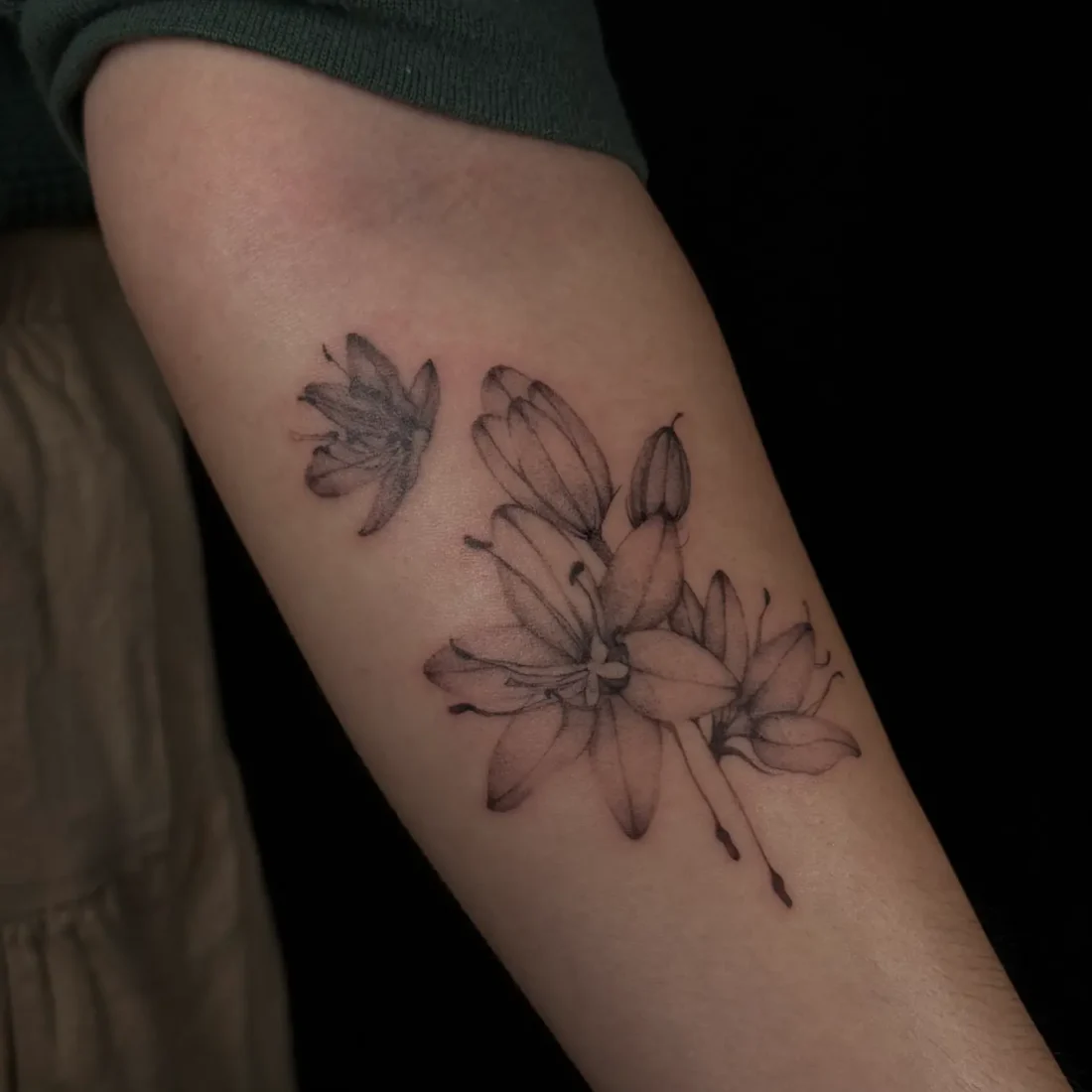
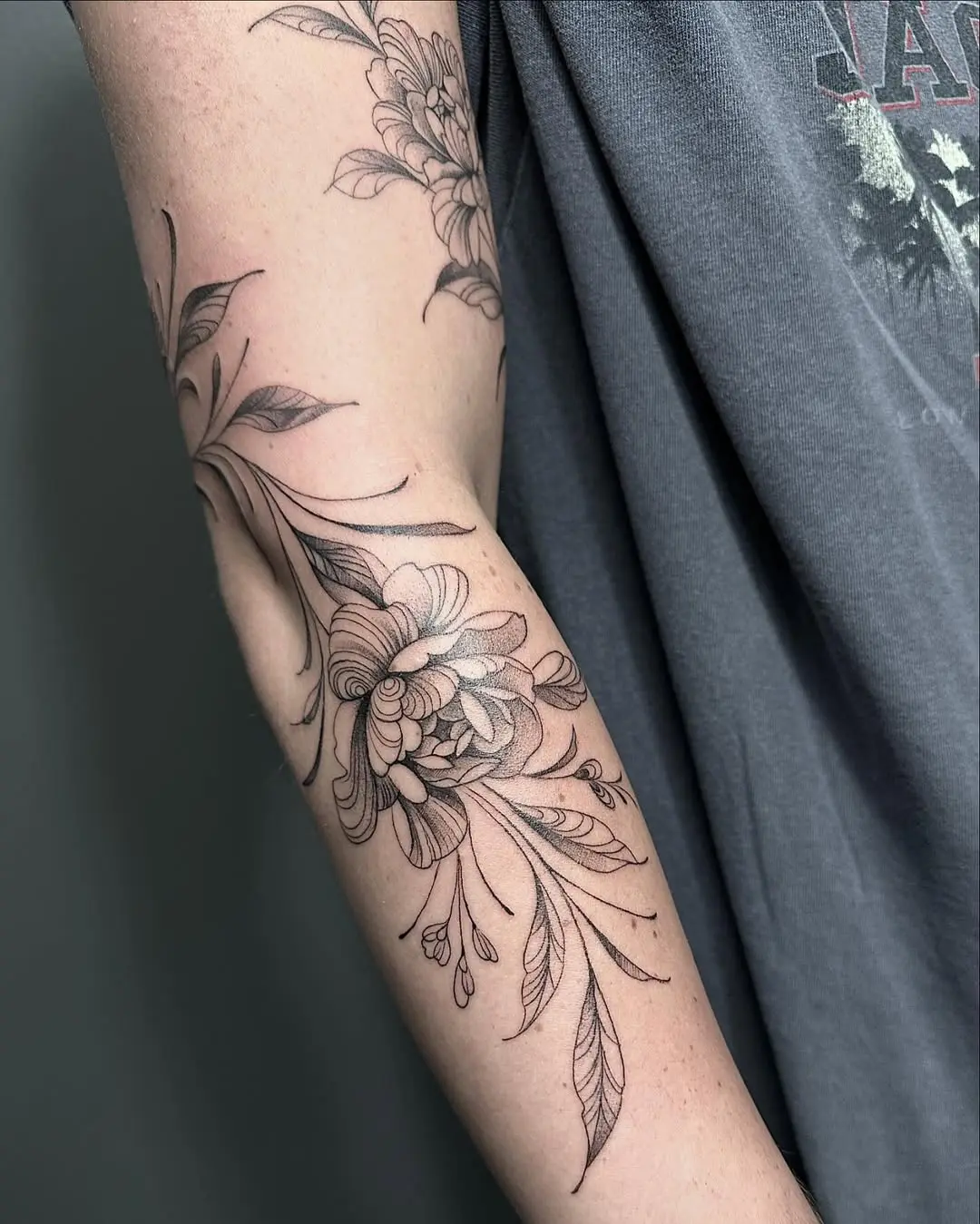
- delicate fine-line
- dotwork
- watercolor
- geometric
- surreal minimalist
- Emotional flexibility: it can feel romantic, rebellious, melancholic, empowering, or philosophical
This balance of tenderness and toughness ensures the rose never feels dated.
Deep Dive into Rose Tattoo Meaning
When clients ask what is a rose tattoo mean, the most common themes include:
- deep romantic love, passion, or devotion that withstands time
- honoring someone lost — a loved one, friend, or even a part of oneself
- personal growth, healing, and rebirth after trauma or loss
- beauty with boundaries (thorns as a reminder that vulnerability comes with protection)
- resilience — blooming despite adversity
- celebration of life’s fleeting, precious moments
Many enhance the symbolism with added elements:
- dates of significance
- initials
- clocks (for time lost or cherished)
- daggers (defense or betrayal)
- butterflies (transformation)
- snakes (temptation or renewal)
- hearts (pure affection)
These additions turn a classic bloom into a highly individualized narrative.
Are Rose Tattoos Feminine? Debunking the Myth
One persistent question is are rose tattoos feminine?
The honest answer is a resounding no — they are entirely gender-neutral.
For over a hundred years, people of all genders have proudly worn this motif.
Contemporary trends may show:
- softer, flowing watercolor or thin-line versions (often favored by some women)
- heavy shading, blackwork, large-scale pieces, or pairings with skulls, daggers, or mechanical elements (often preferred by many men)
Ultimately, the rose adapts to the wearer’s energy, personality, and story — not to any gender norm.
Cultural & Historical Layers of Symbolism
While love, beauty, and passion are near-universal, different cultures add unique shades of meaning:
- Western traditions: romance, emotional depth, idealized beauty.
- Mexican culture (especially Día de los Muertos): life cycles, honoring the departed, remembrance.
- Some Eastern European and Russian prison tattoo histories: markers of time served, maturity, or personal milestones.
- Japanese modern tattoo influences: mono no aware (the beauty of transience), harmony through struggle, impermanence of life.
- Victorian-era flower language: specific meanings tied to color and number of blooms
Your own background, heritage, and life experiences give the most powerful and authentic interpretation.
Color Psychology: What Does Rose Color Represent?
Color transforms the entire message. Many clients search for rose tattoo color meanings, what rose colours mean, and what does rose color represent.
Here’s a detailed breakdown of the most recognized associations:
- classic vivid red: burning passion, romantic love, courage, sacrifice
- crisp white: purity, innocence, spiritual peace, remembrance of the departed
- soft blush pink: admiration, grace, gentleness, appreciation, femininity
- bright cheerful yellow: joy, friendship, new beginnings, optimism, sunshine
- deep midnight black: mourning, grief, strength through loss, rebirth from darkness
- ethereal blue: mystery, rarity, tranquility, unattainable ideals, serenity
- lavender or rich purple: enchantment, spirituality, royalty, individuality, creativity
Artists frequently help clients select palettes that harmonize symbolic meaning with skin tone, overall composition, and personal resonance.
The Legendary Skull with Rose Tattoo Meaning
Few combinations are as instantly recognizable as the skull with rose tattoo meaning.
This powerful duo typically symbolizes:
- the intimate dance between life and death
- beauty that endures even in decay
- love or passion that survives beyond mortality
- living boldly while fully aware of life’s fragility
The hard, unyielding skull contrasts dramatically with the delicate, organic petals — creating a visually arresting and philosophically rich piece that remains one of tattooing’s greatest classics.
Rose Tattoo Placement Ideas: Finding the Perfect Spot
Placement influences visibility, scale, flow, and emotional impact.
Here are some of the most loved rose tattoo placement ideas:
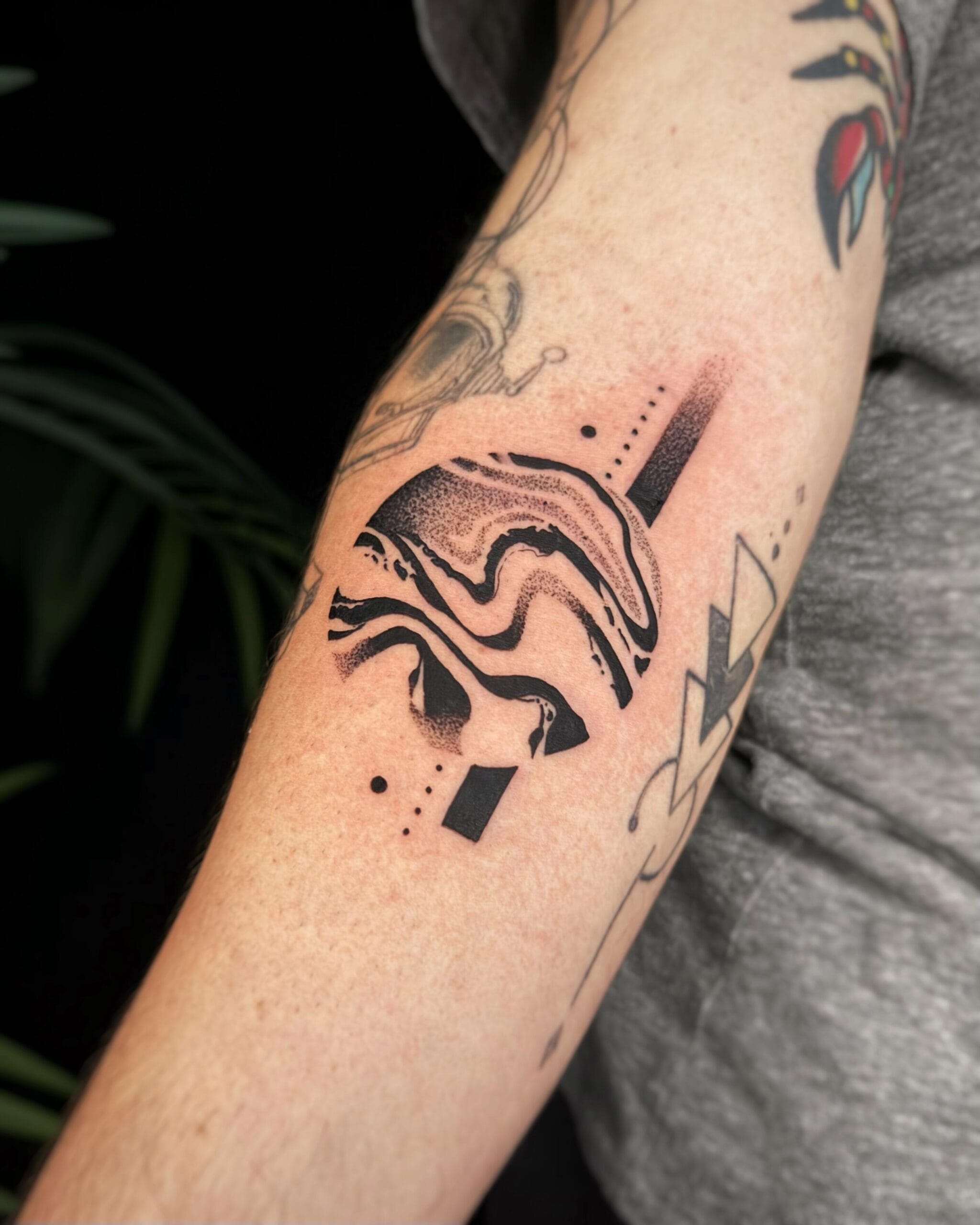
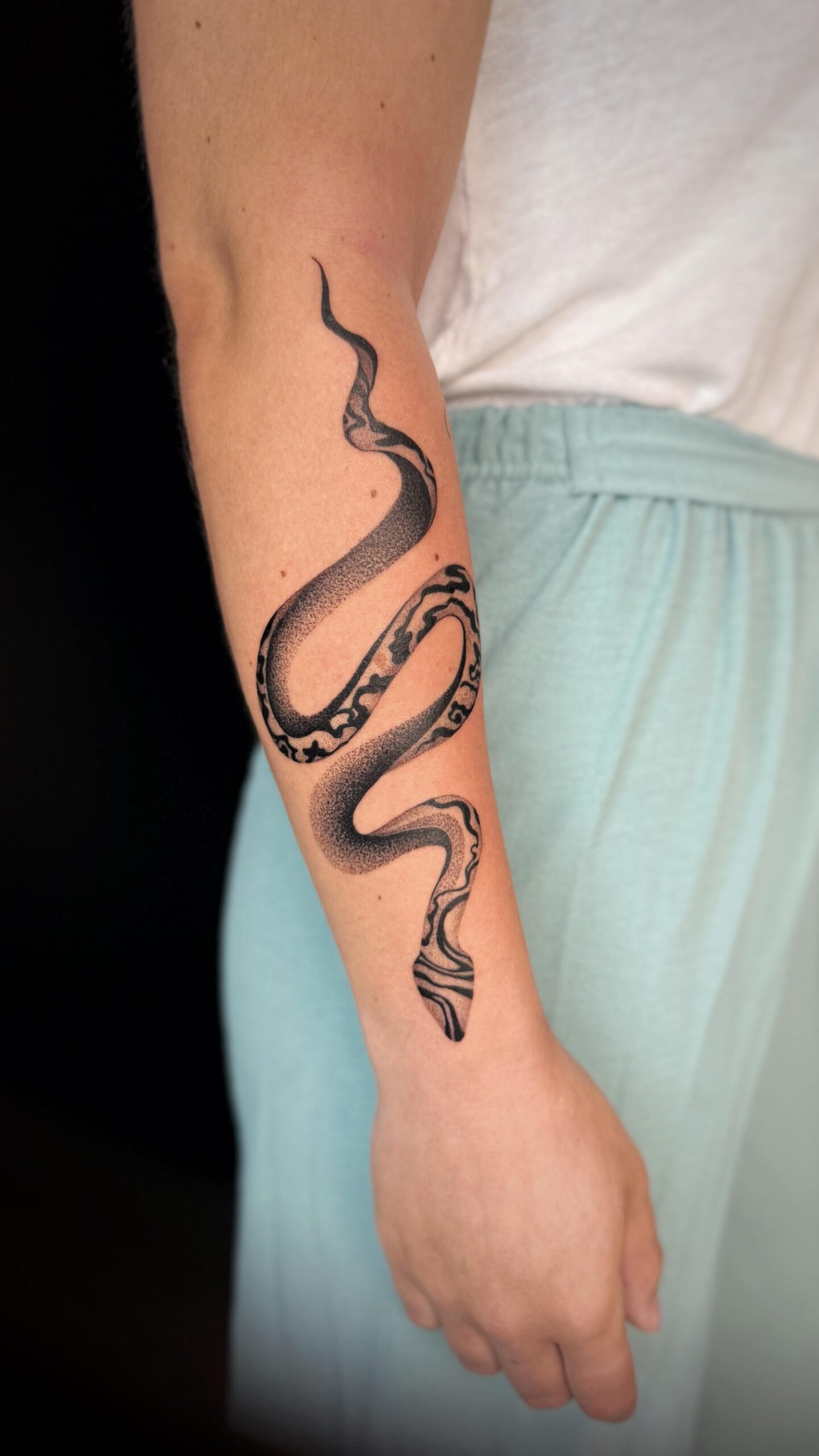
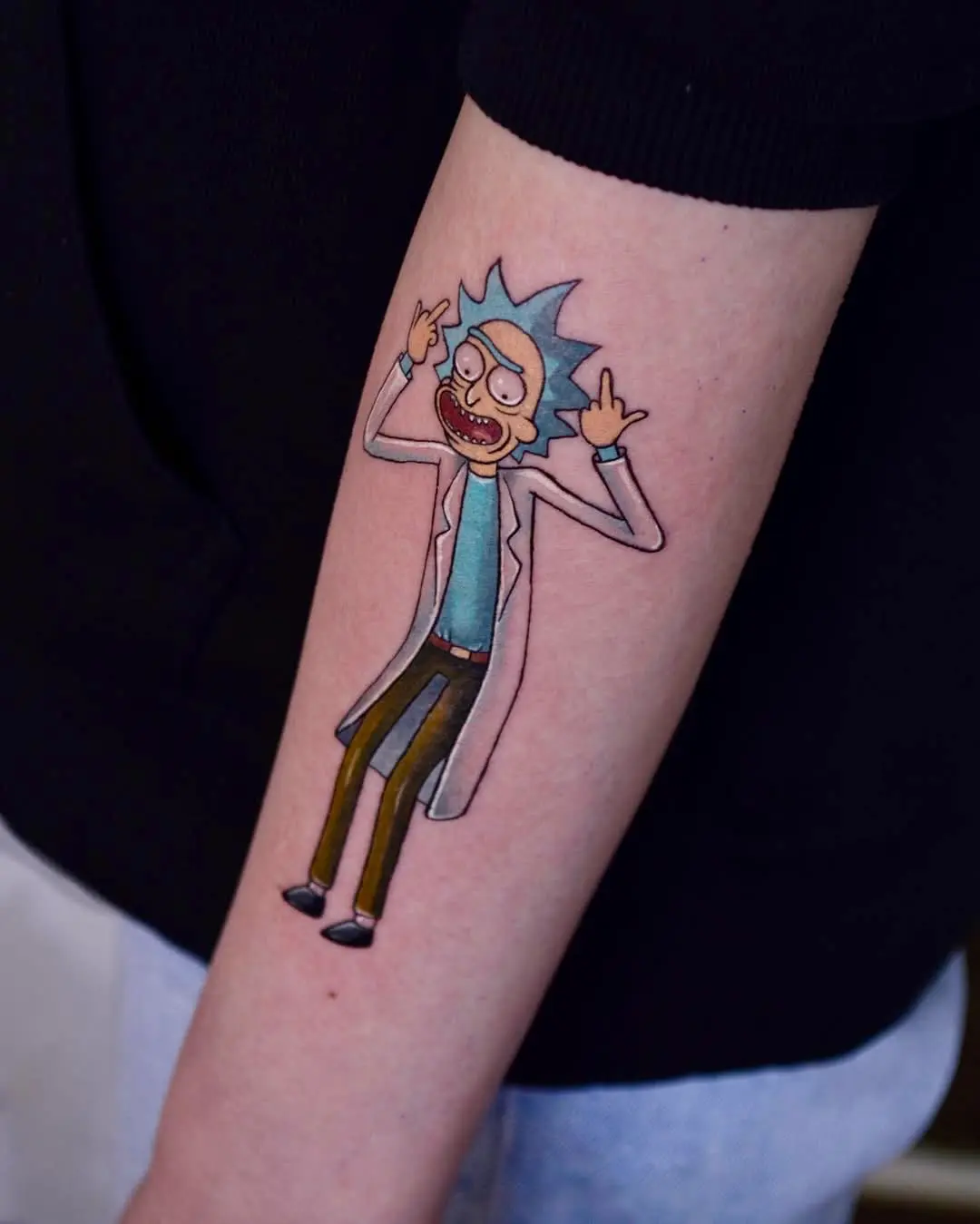
- forearm (inner/outer) — high visibility, excellent for detail and storytelling
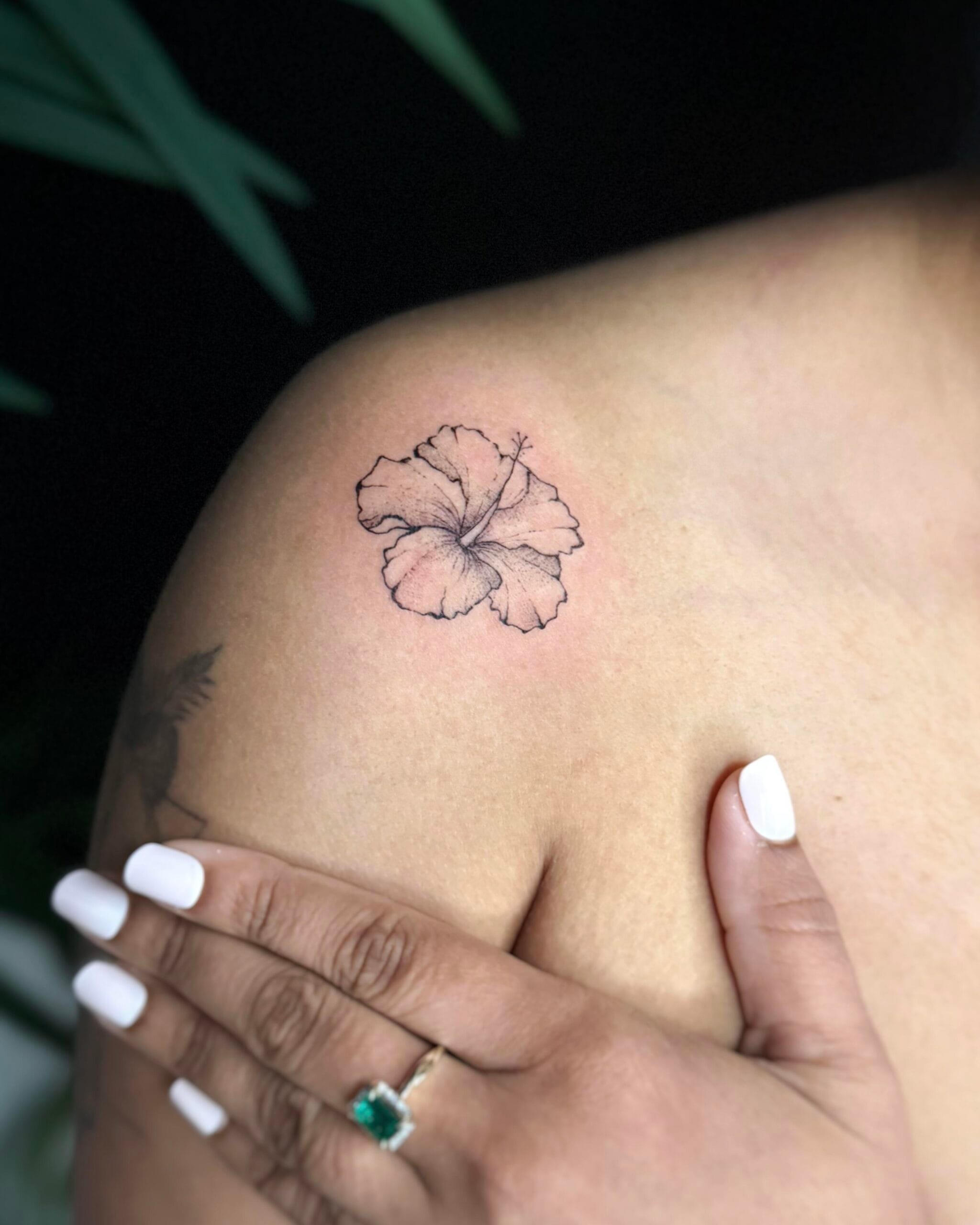
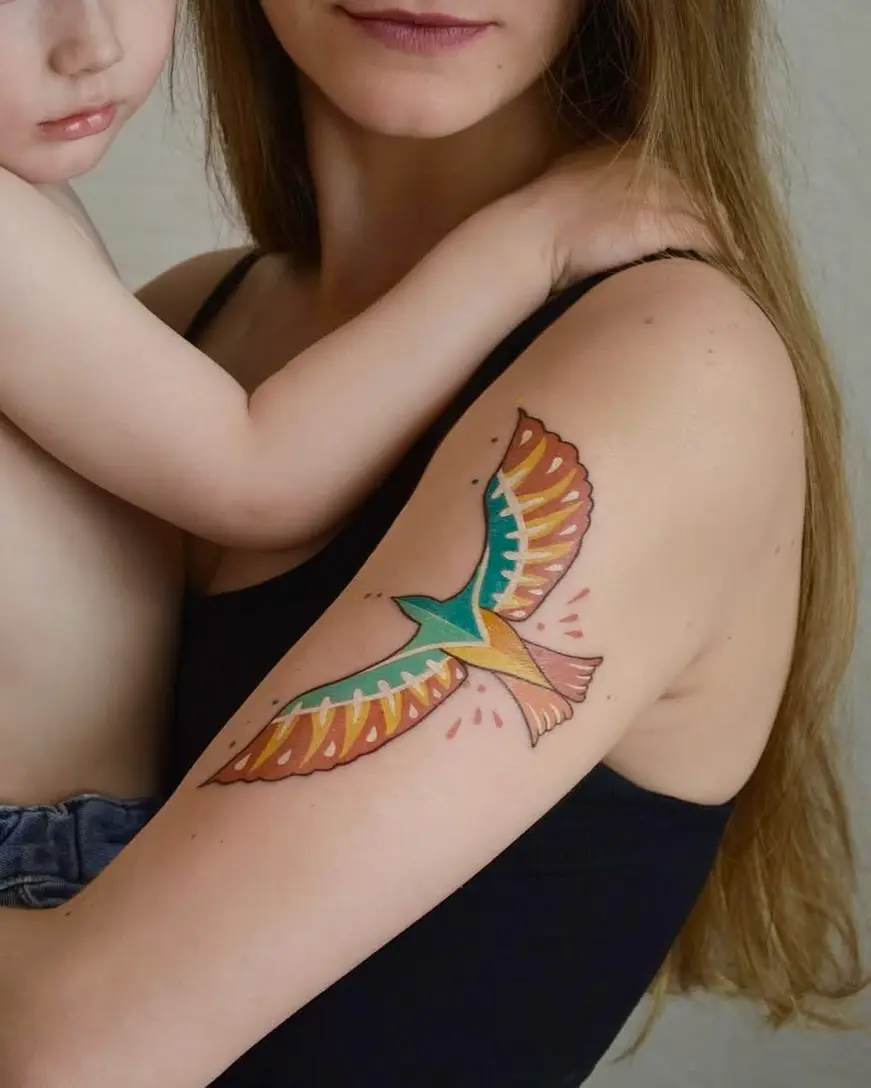
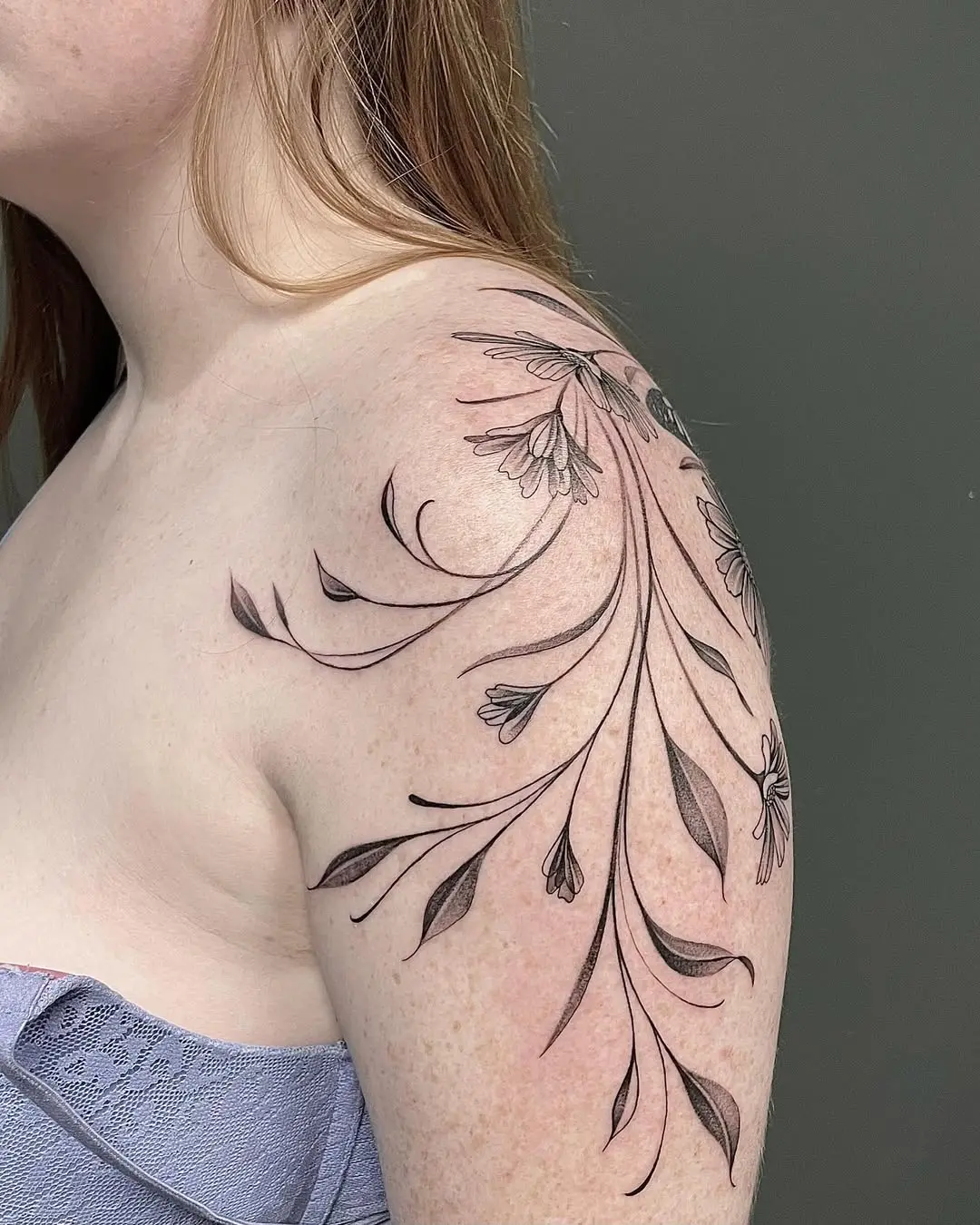
- upper arm or shoulder — classic, versatile, easy to cover or display
- chest, sternum, or ribs — deeply intimate, perfect for tributes or personal reminders
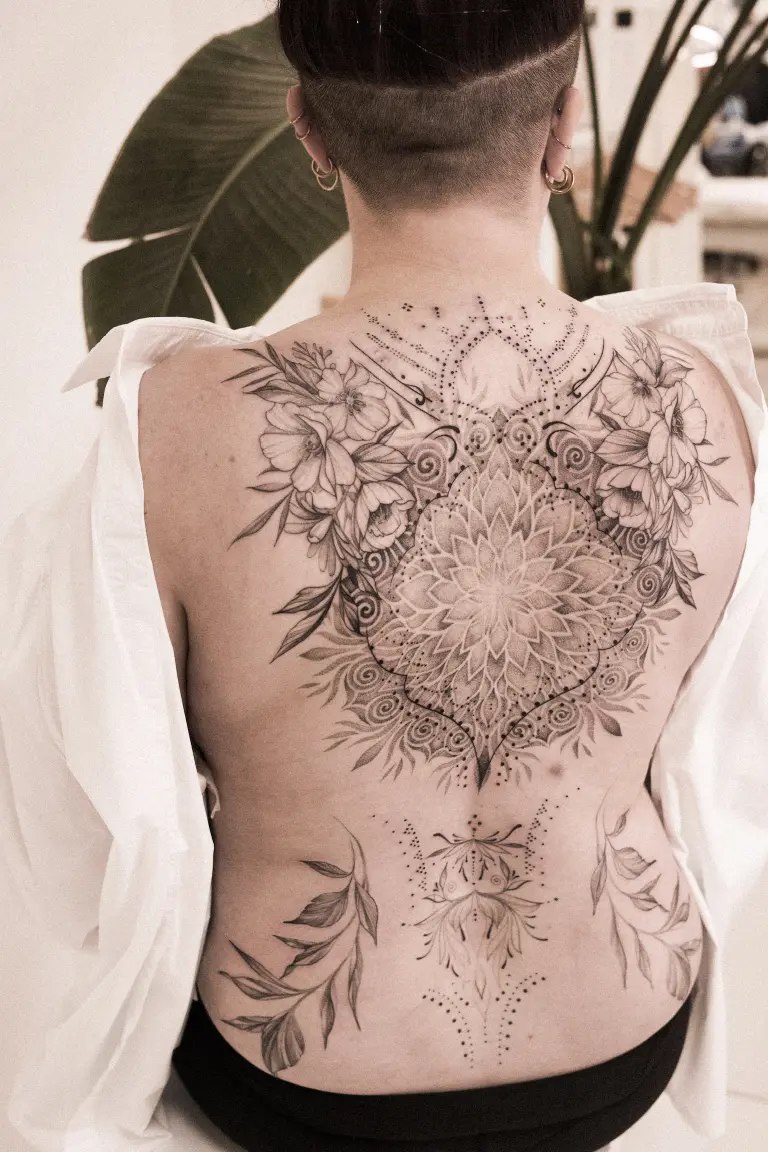
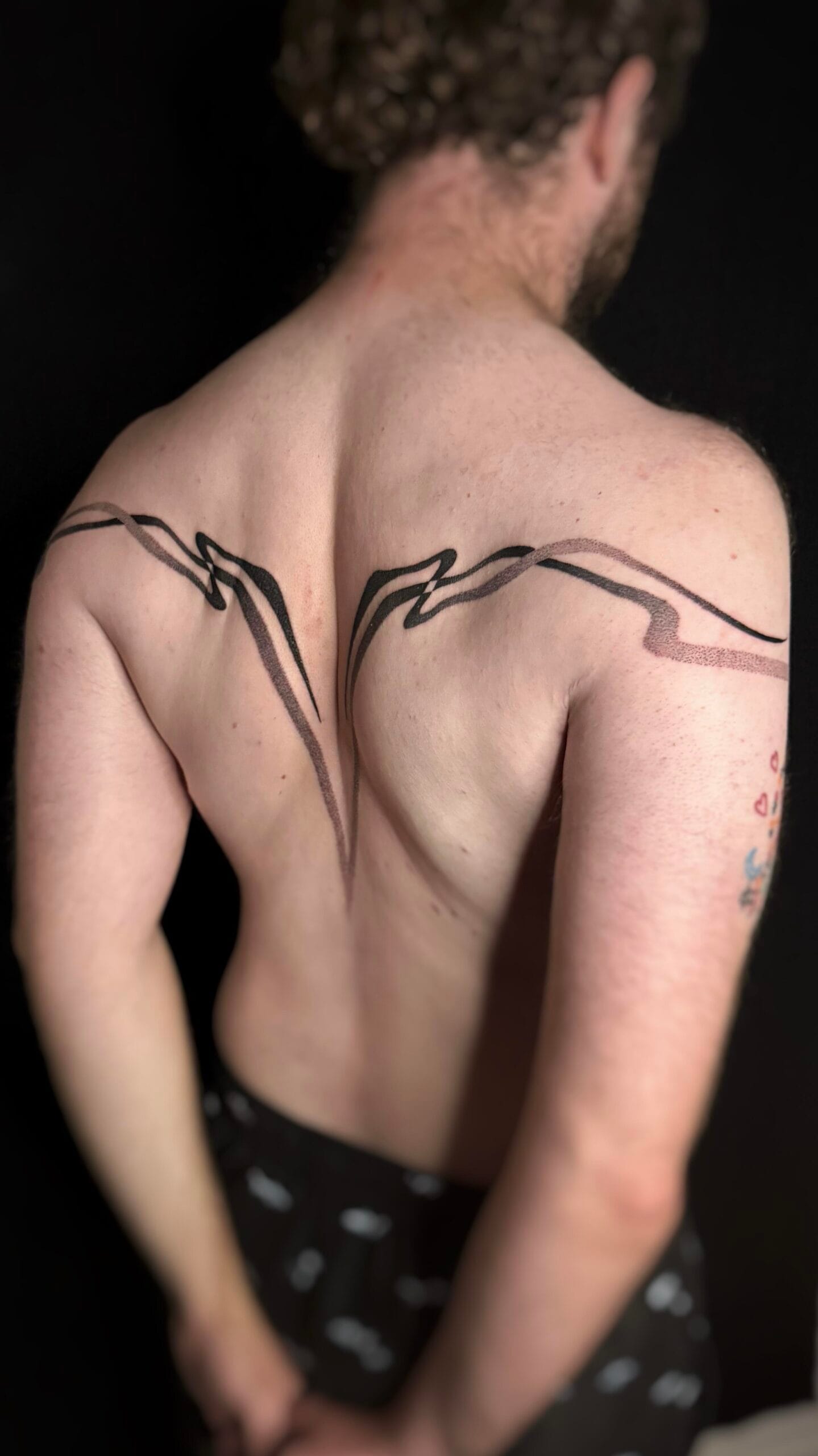
- full back or upper back — spacious canvas for large, multi-bloom compositions or sleeves
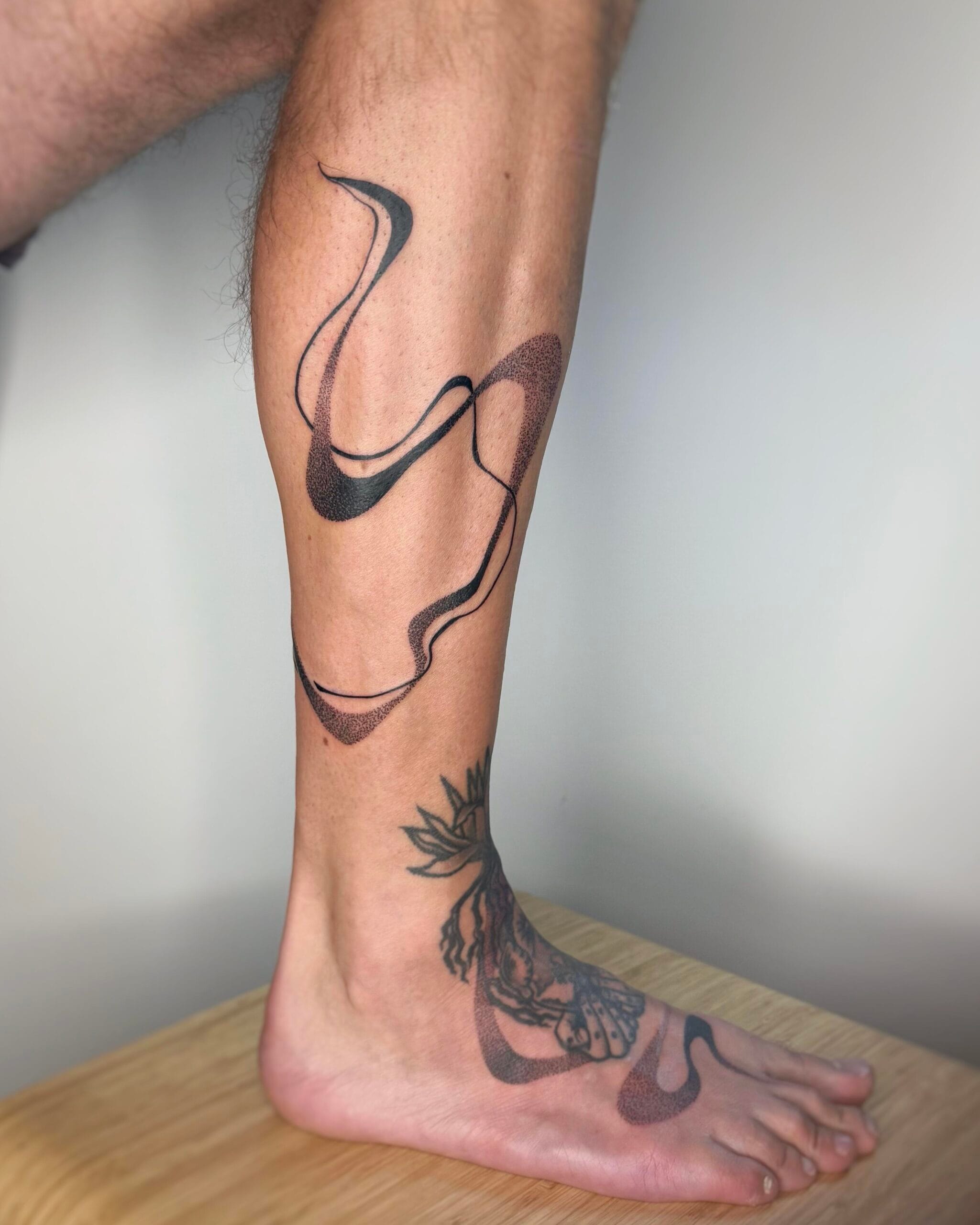
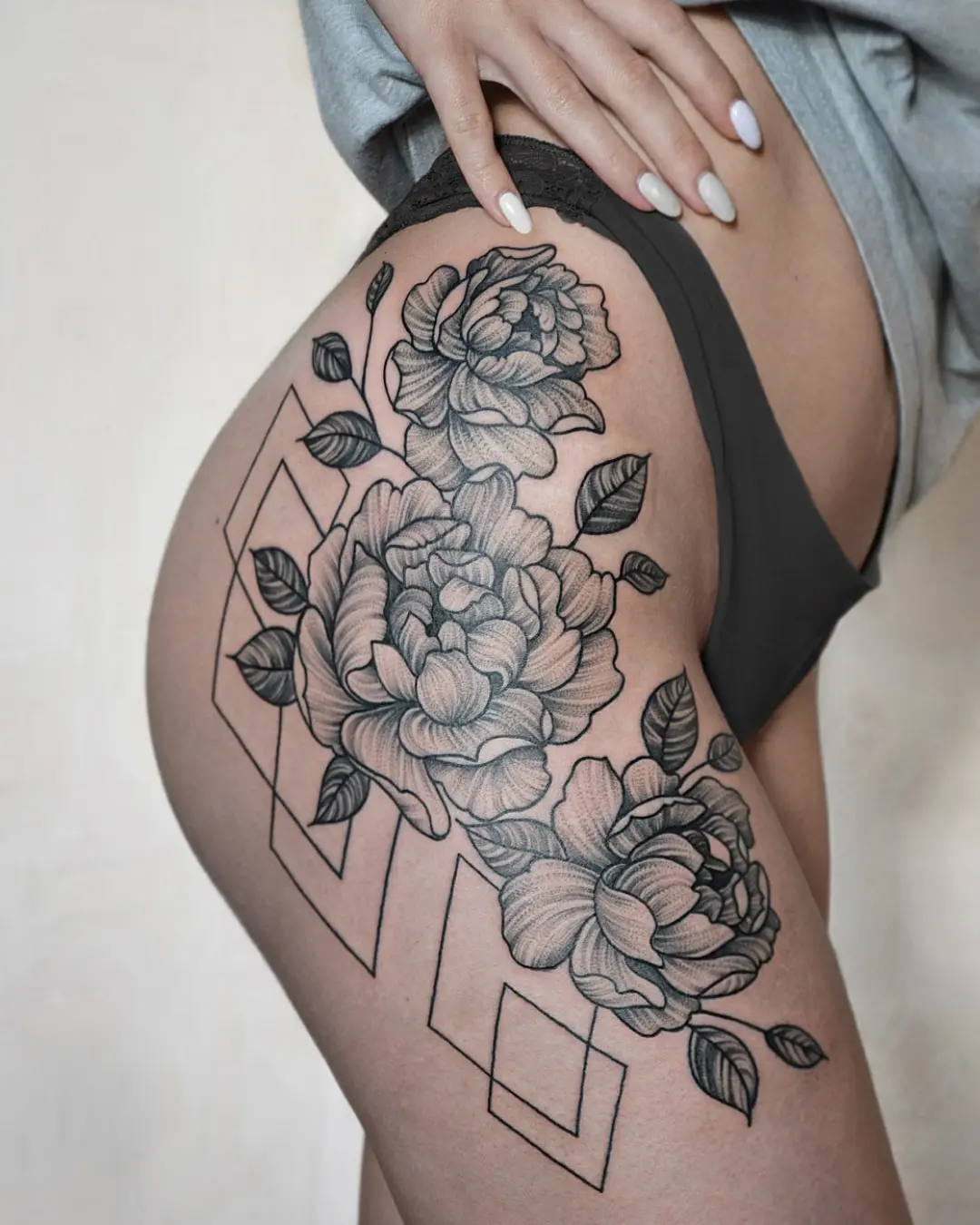
- thigh, hip, or calf — flowing lines, private, allows creative size and movement
- collarbone or neck — elegant, feminine-leaning, always subtly visible
- wrist, ankle, or finger — delicate, minimalist, constant personal reminder
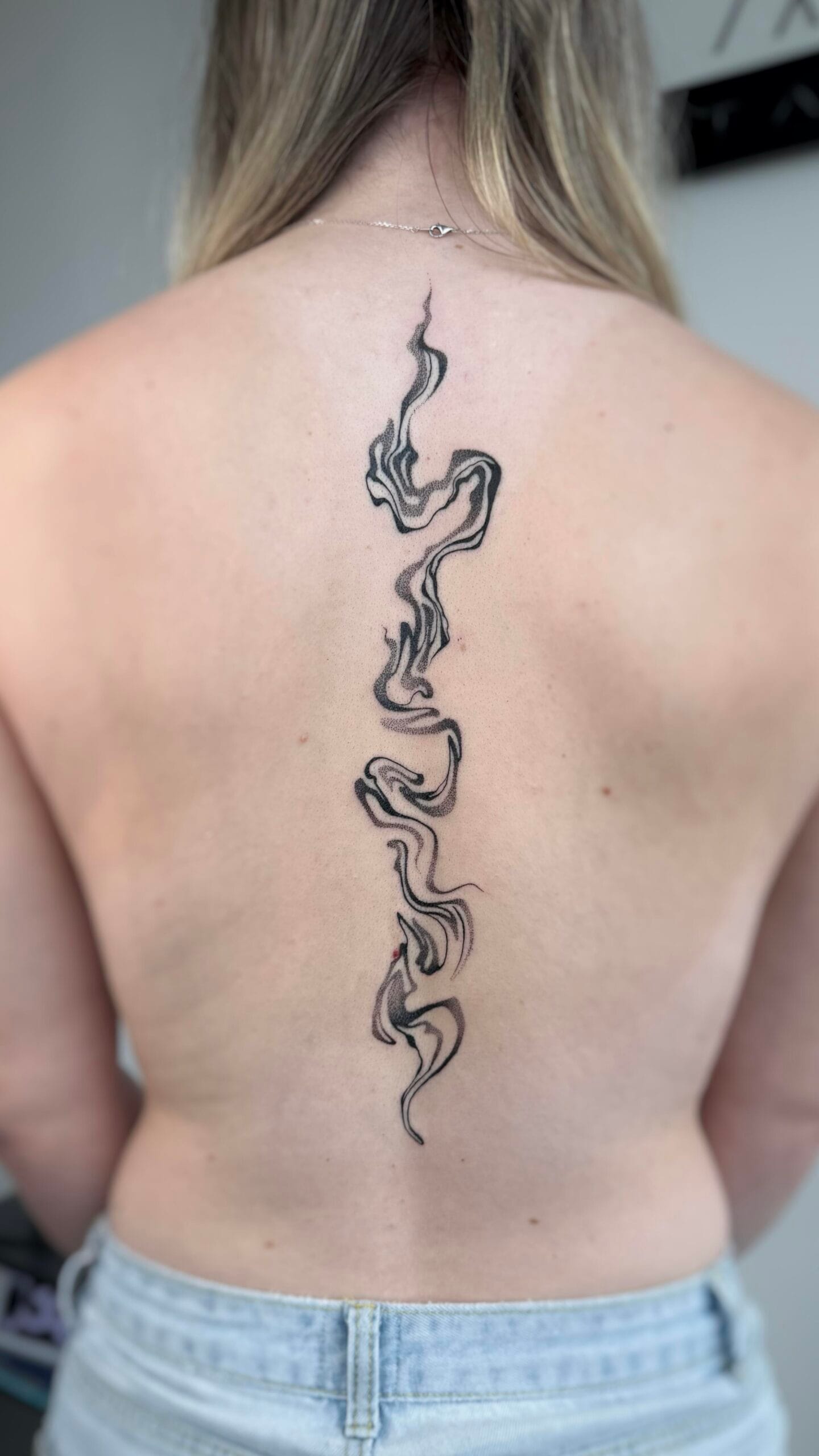
- behind the ear or along the spine — discreet yet bold, ideal for small, meaningful pieces
Consider your lifestyle, profession, and how much (or how little) you want the ink to be seen daily.
Aftercare, Longevity & Choosing the Right Artist
To ensure your rose stays vibrant for decades:
- Follow aftercare religiously (clean, moisturize, no sun/pool/sauna during healing)
- Use high-SPF sunscreen long-term to prevent fading
- Choose an experienced artist who specializes in botanical work and quality inks
A skilled hand makes all the difference in color retention, fine detail, and how the piece ages beautifully.
Making the Rose Truly Yours
At its core, there is no single what rose tattoo meaning that fits everyone.
The most powerful pieces are those that feel honest — whether they commemorate love found, love lost, strength gained, beauty appreciated, or life’s beautiful impermanence.
With limitless possibilities in style, color, scale, placement, and added symbolism, the rose continues to offer endless space for individuality and self-expression.
Take your time. Reflect deeply. Collaborate with a talented artist who truly listens. And when the moment feels perfect, let this timeless bloom become a permanent chapter in your story.