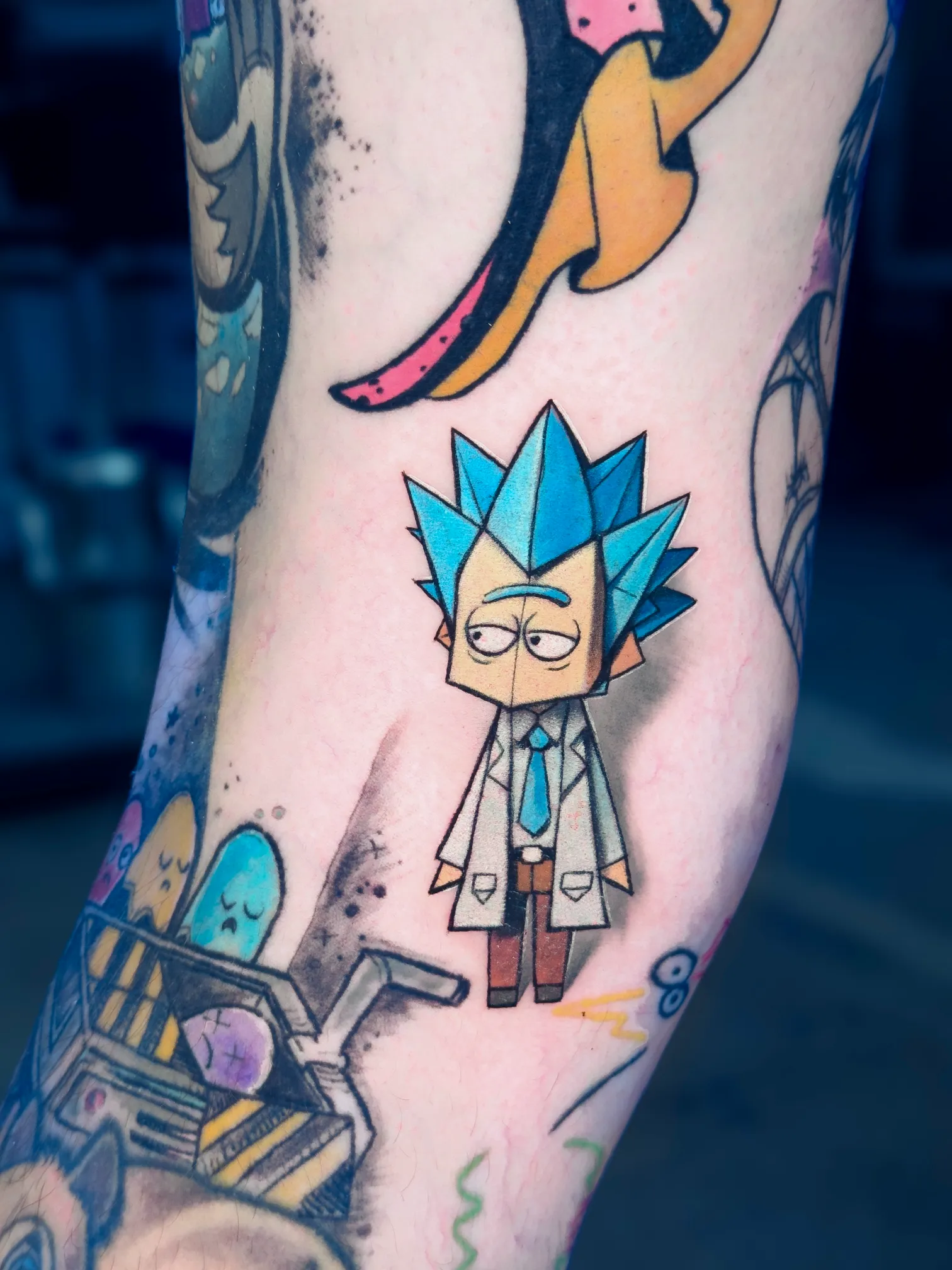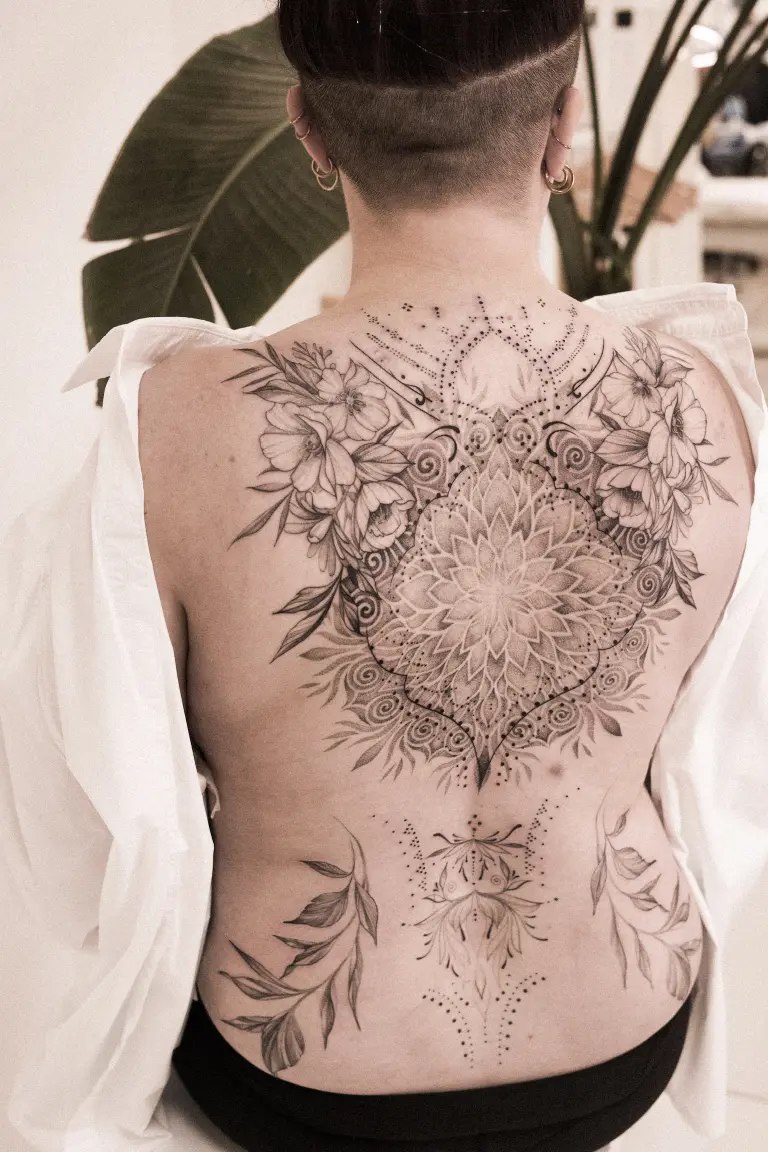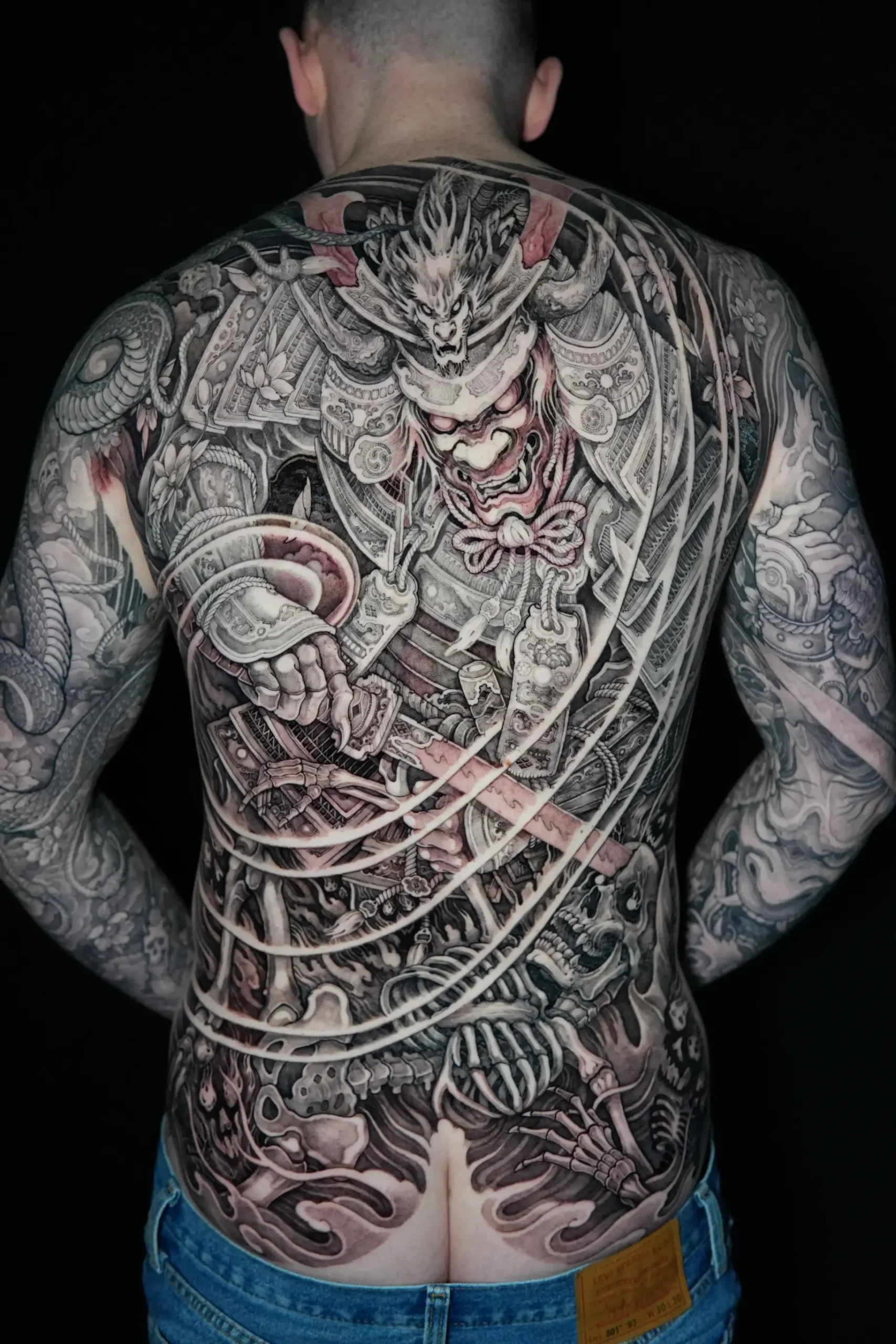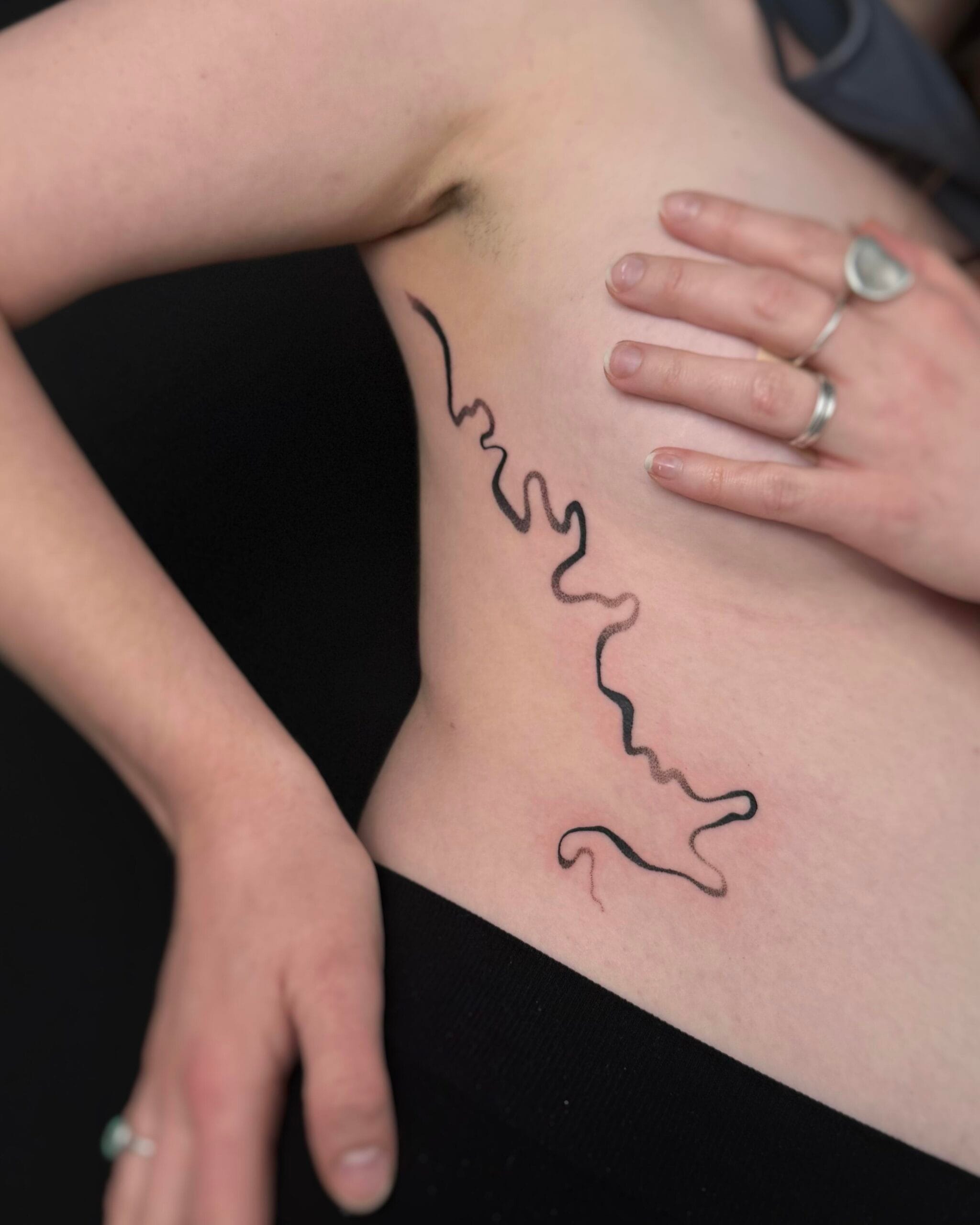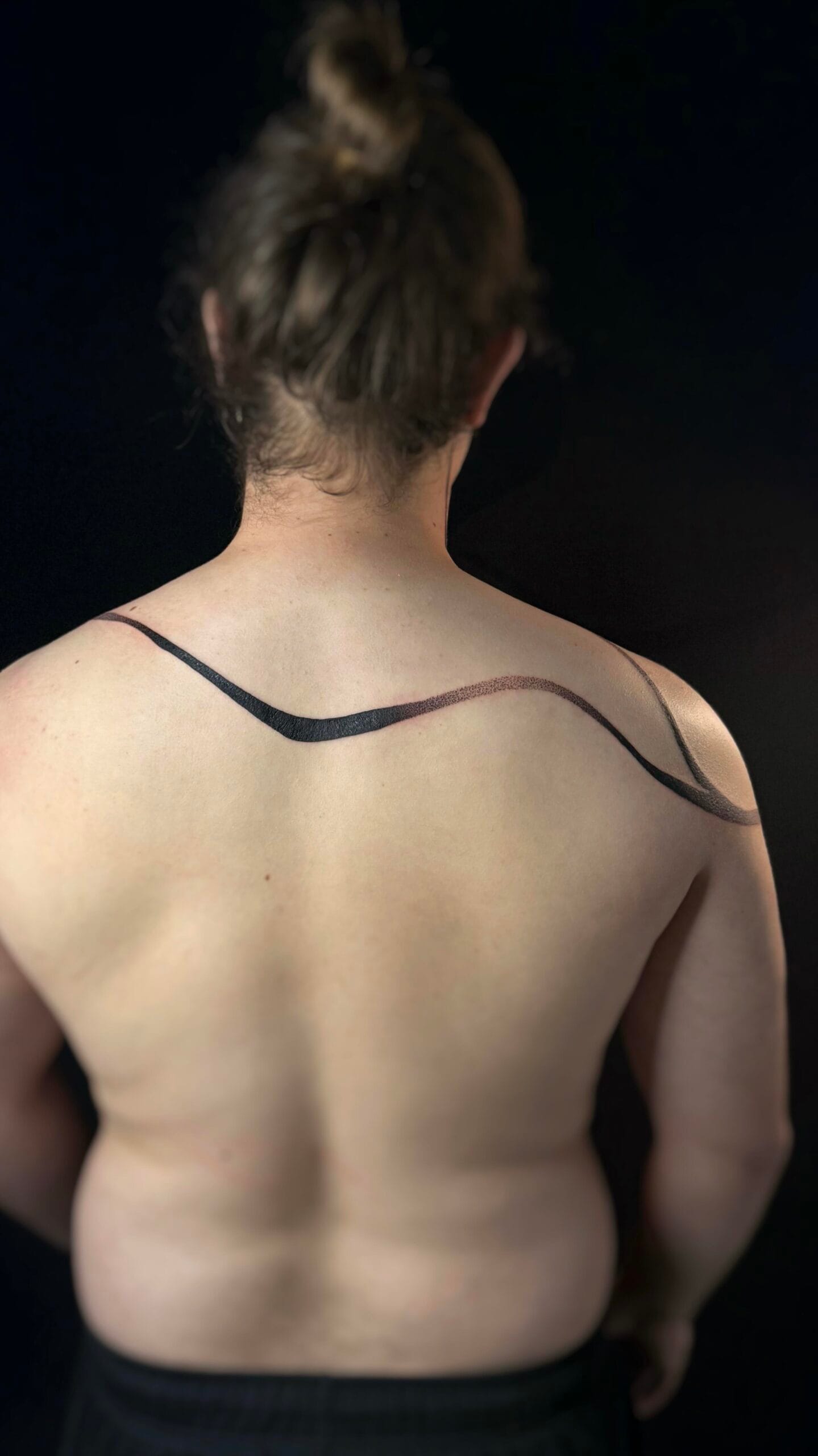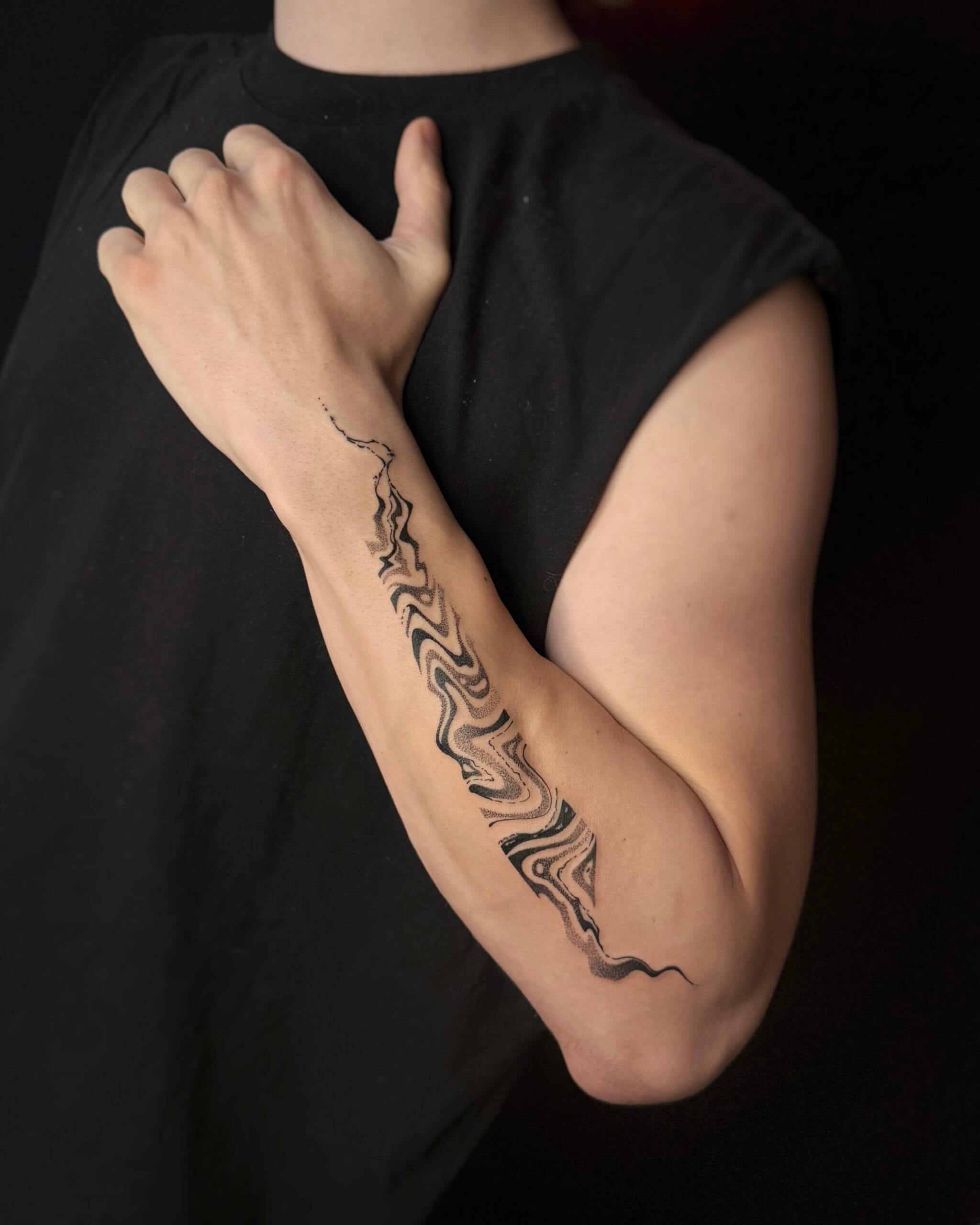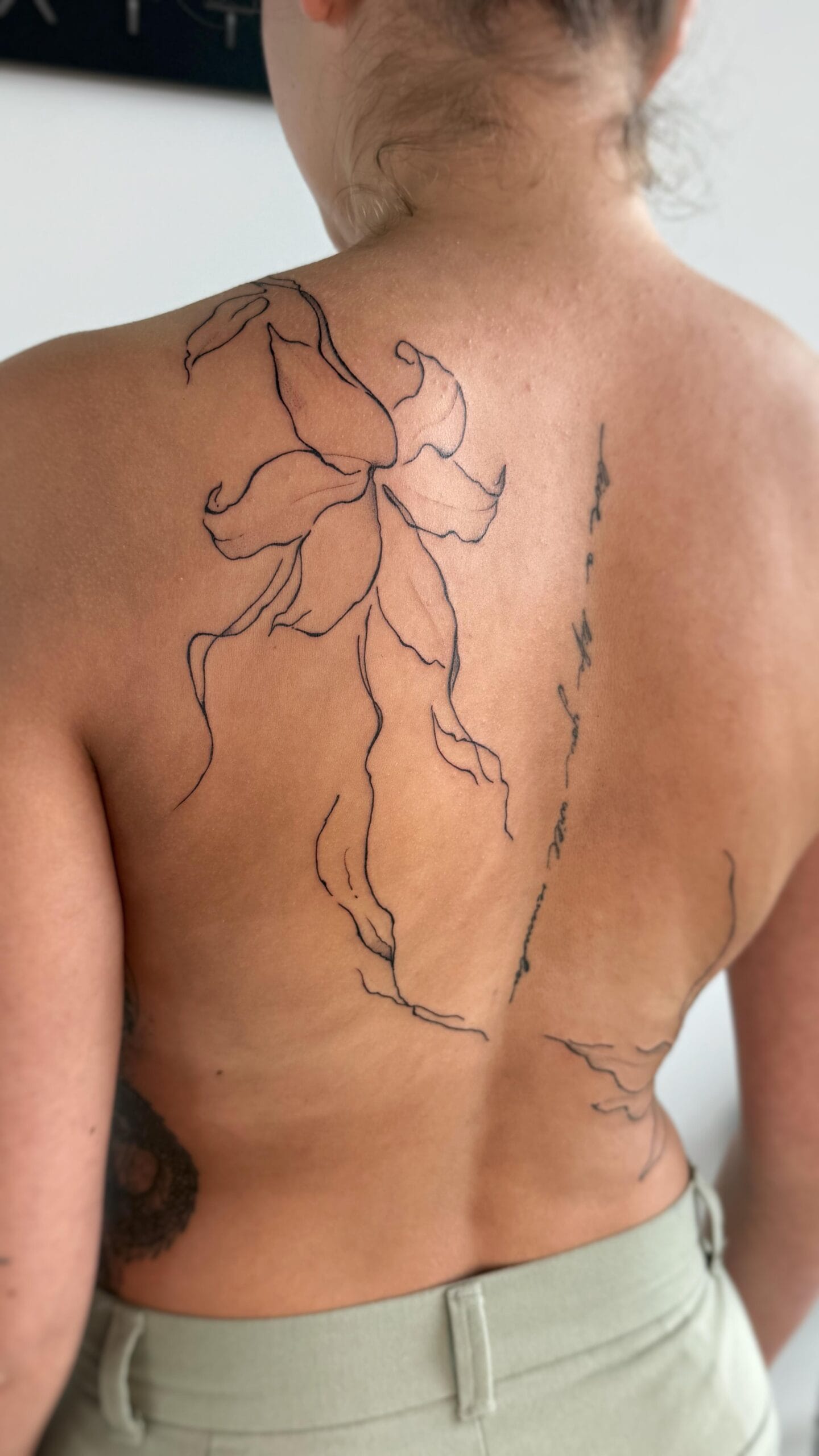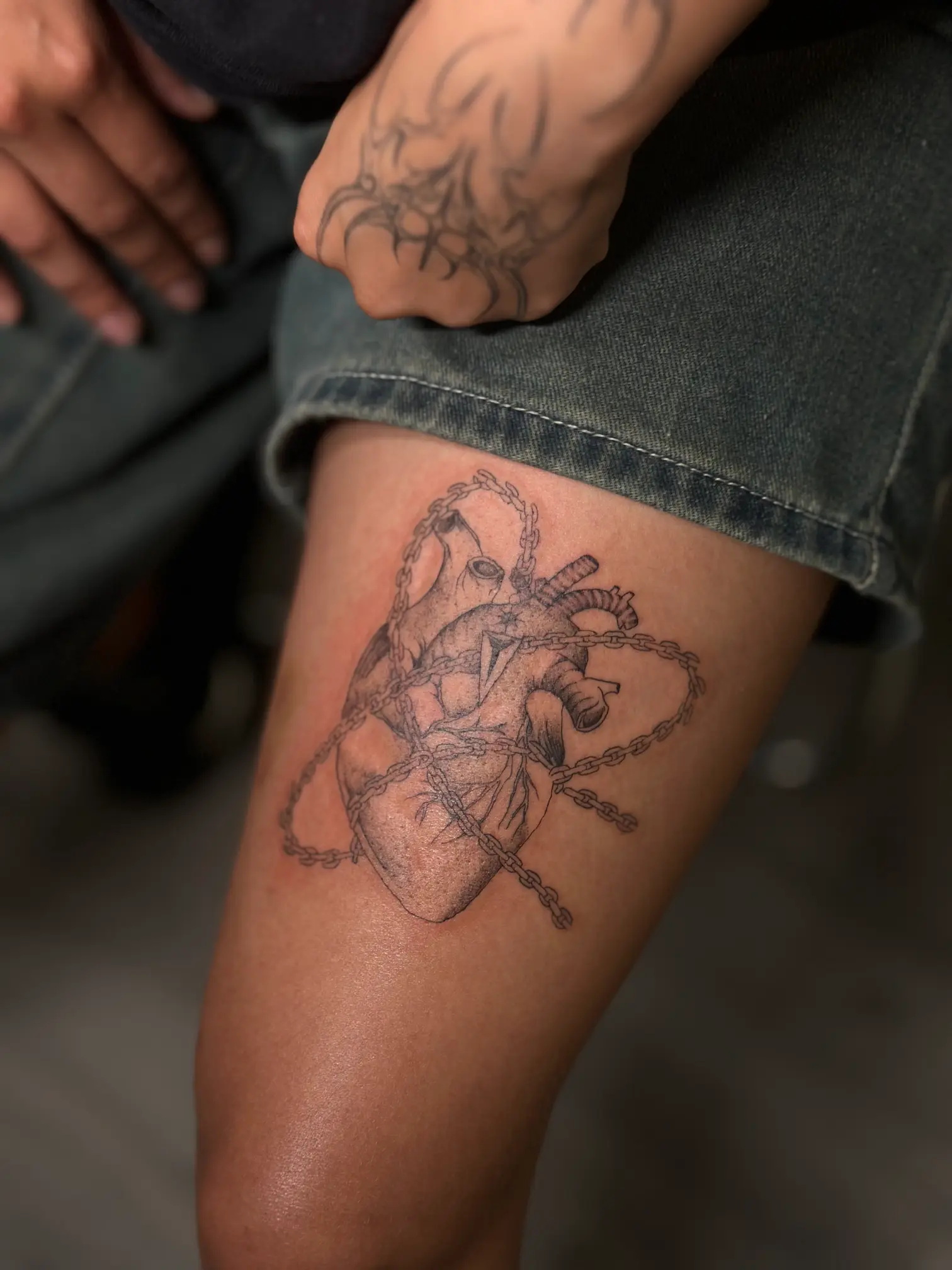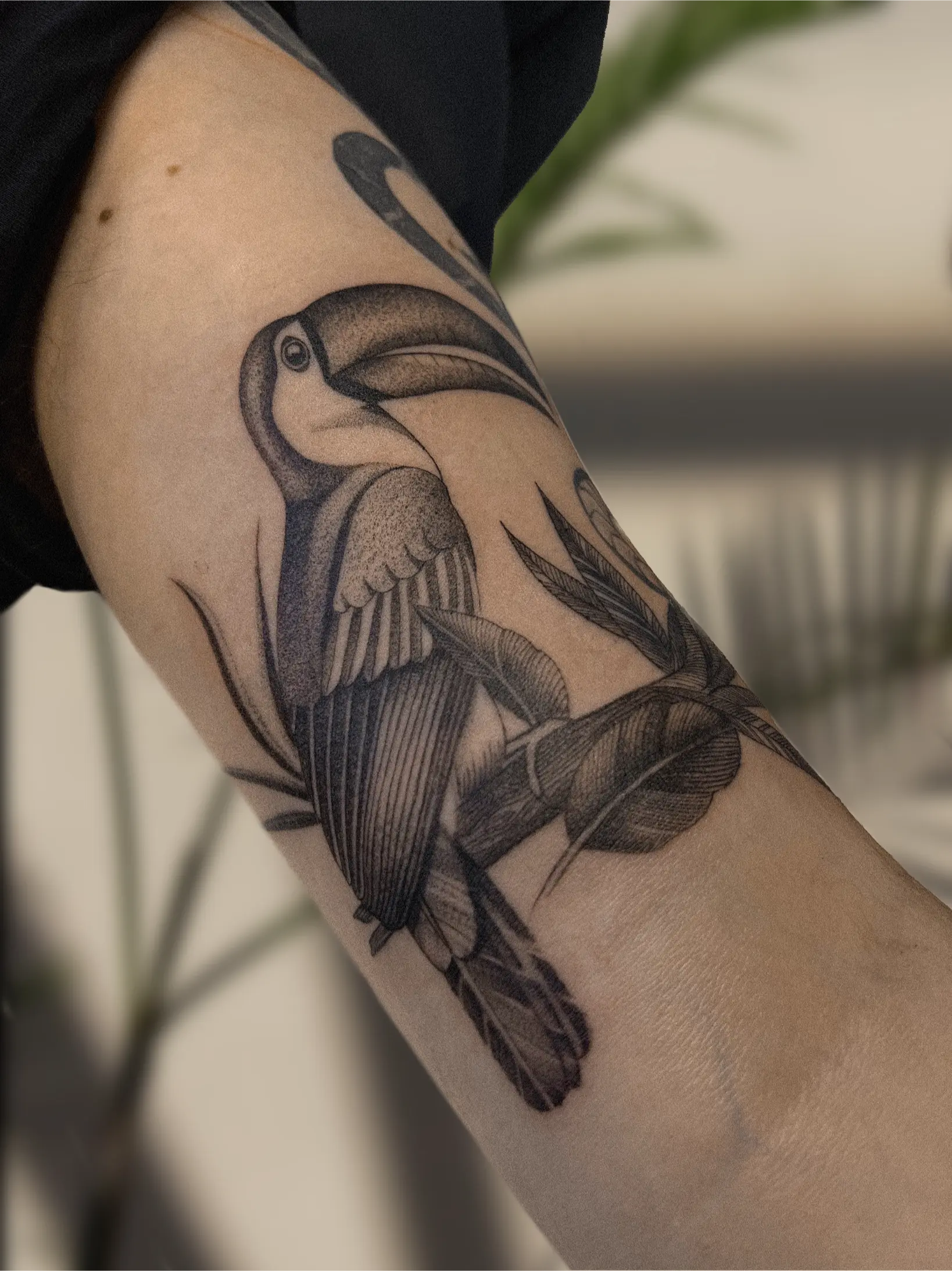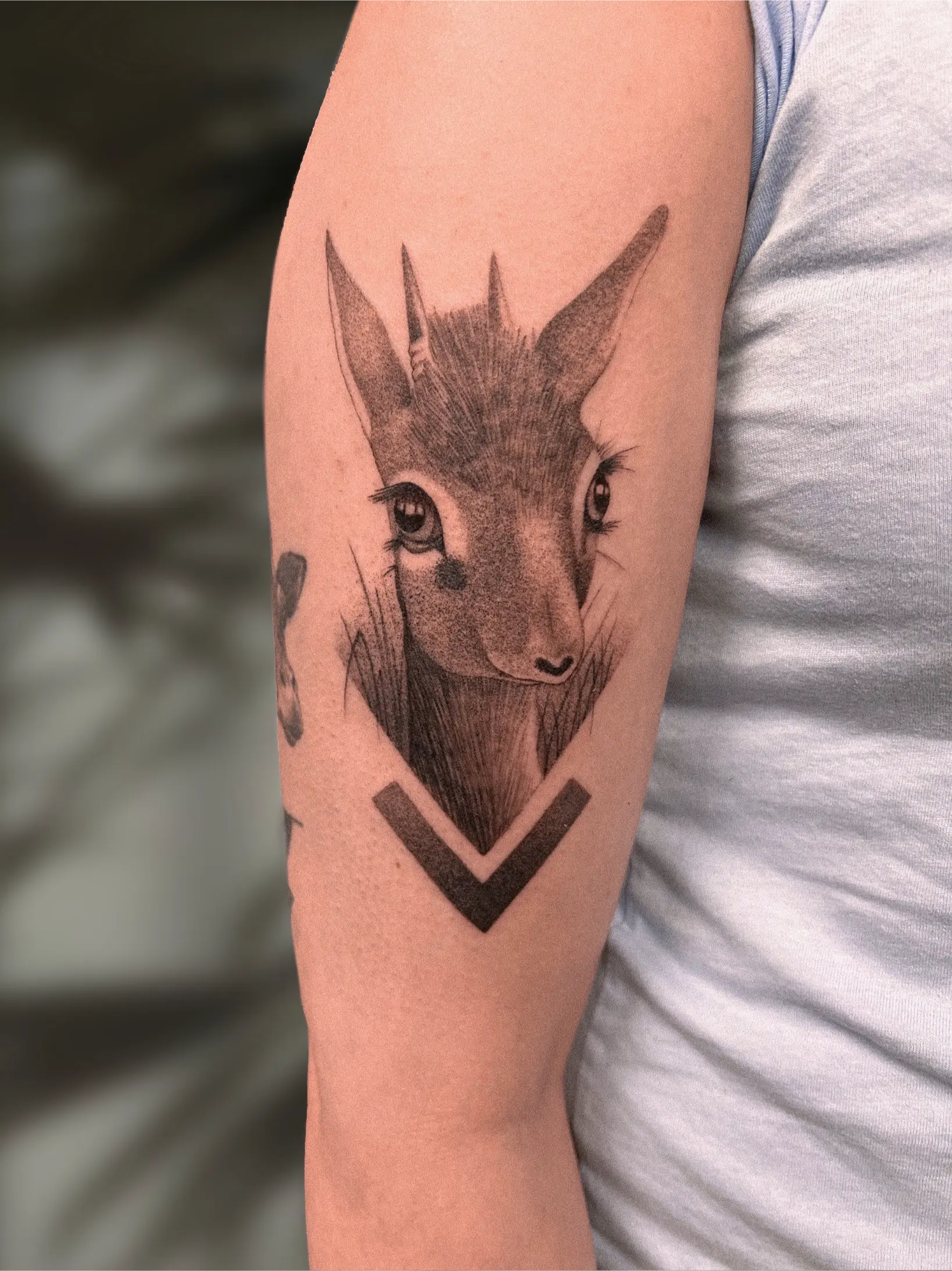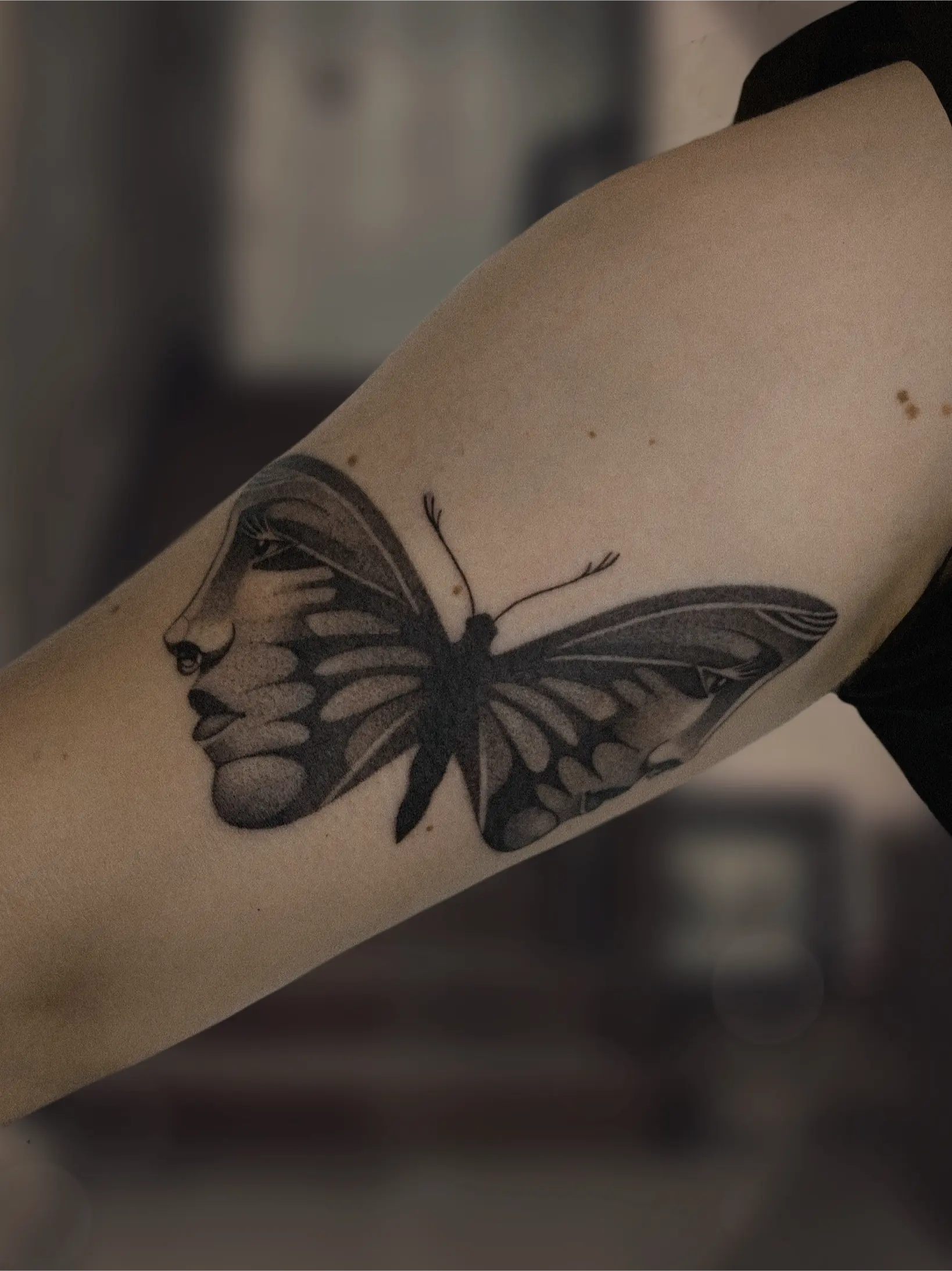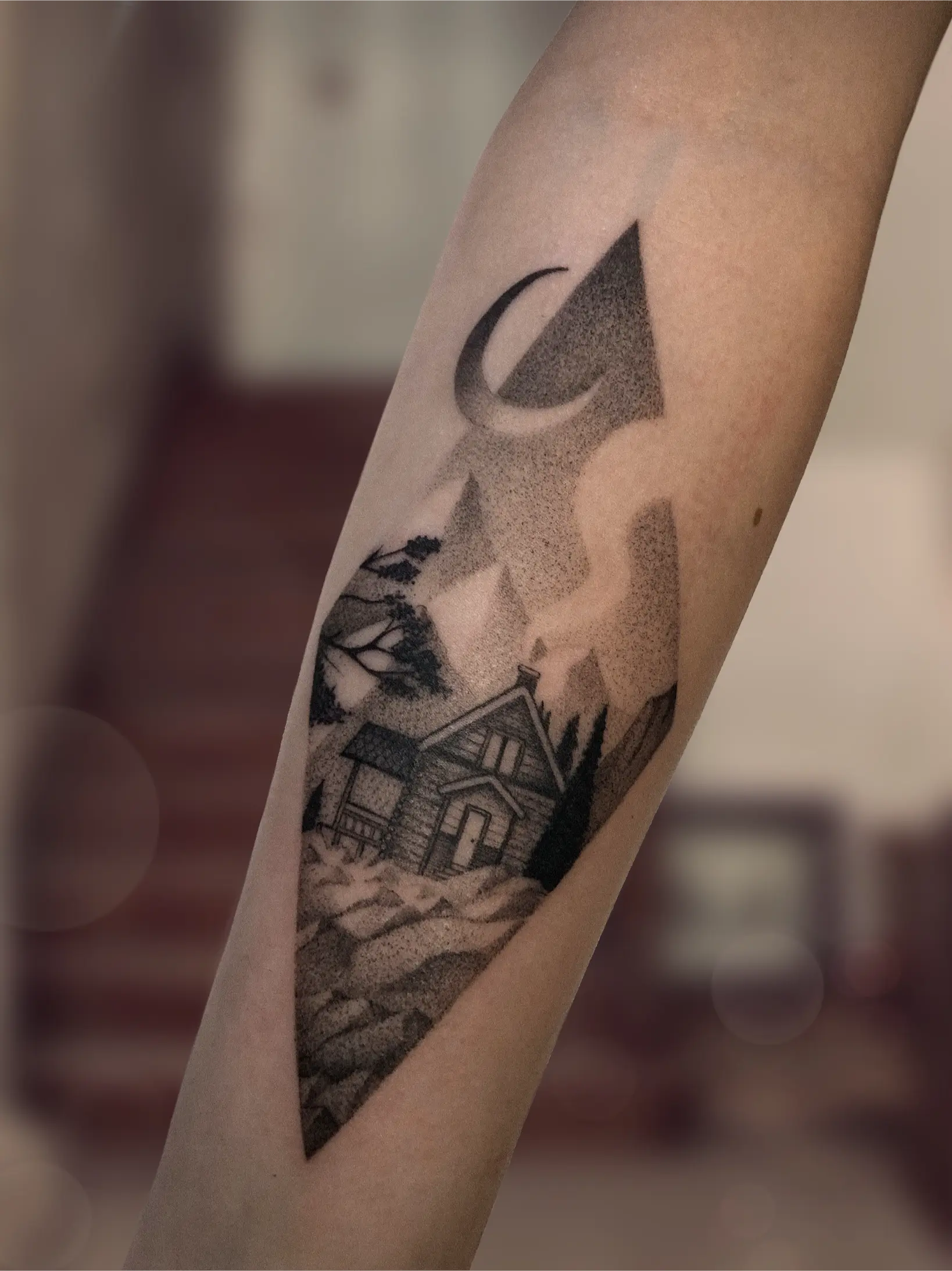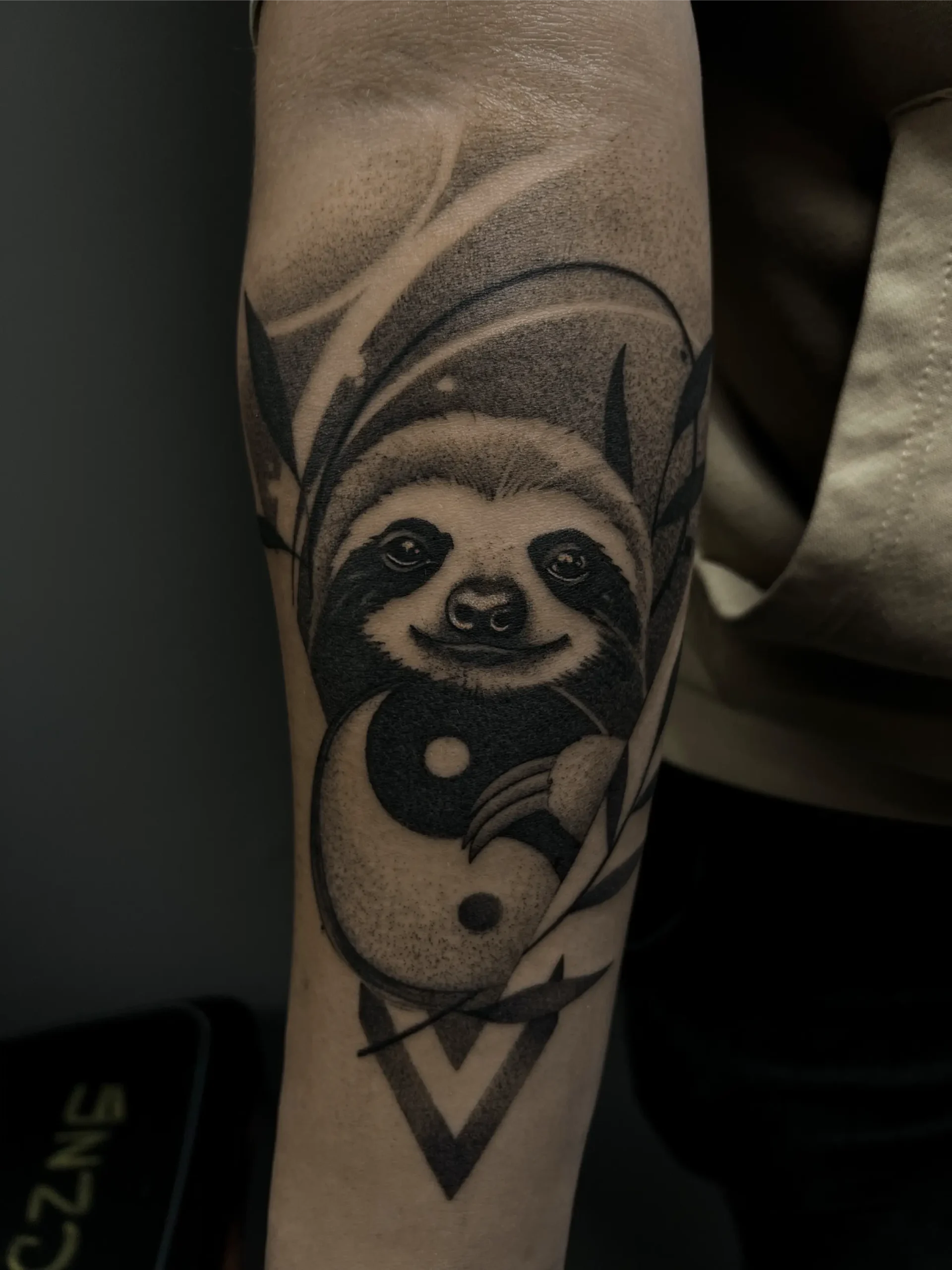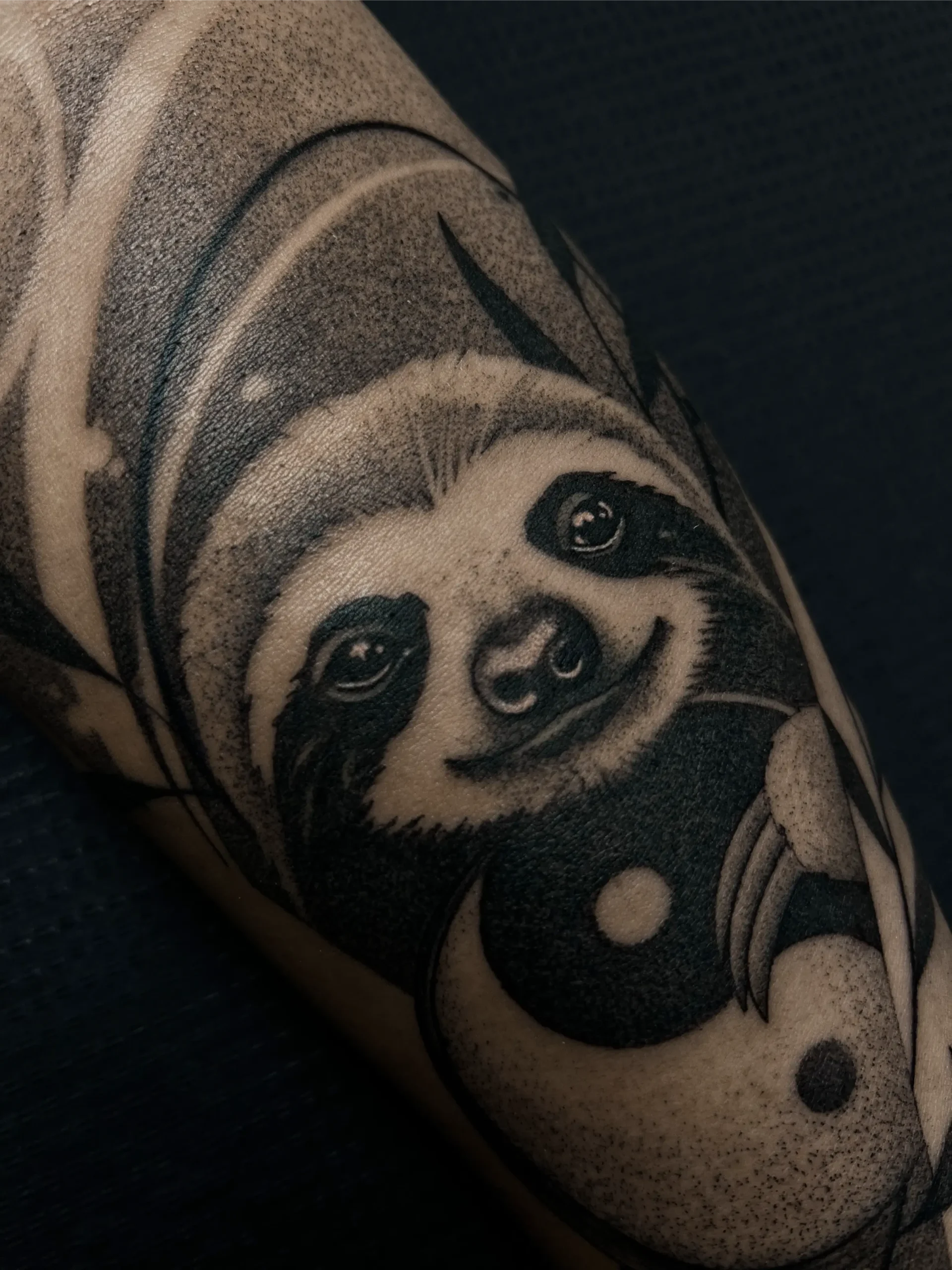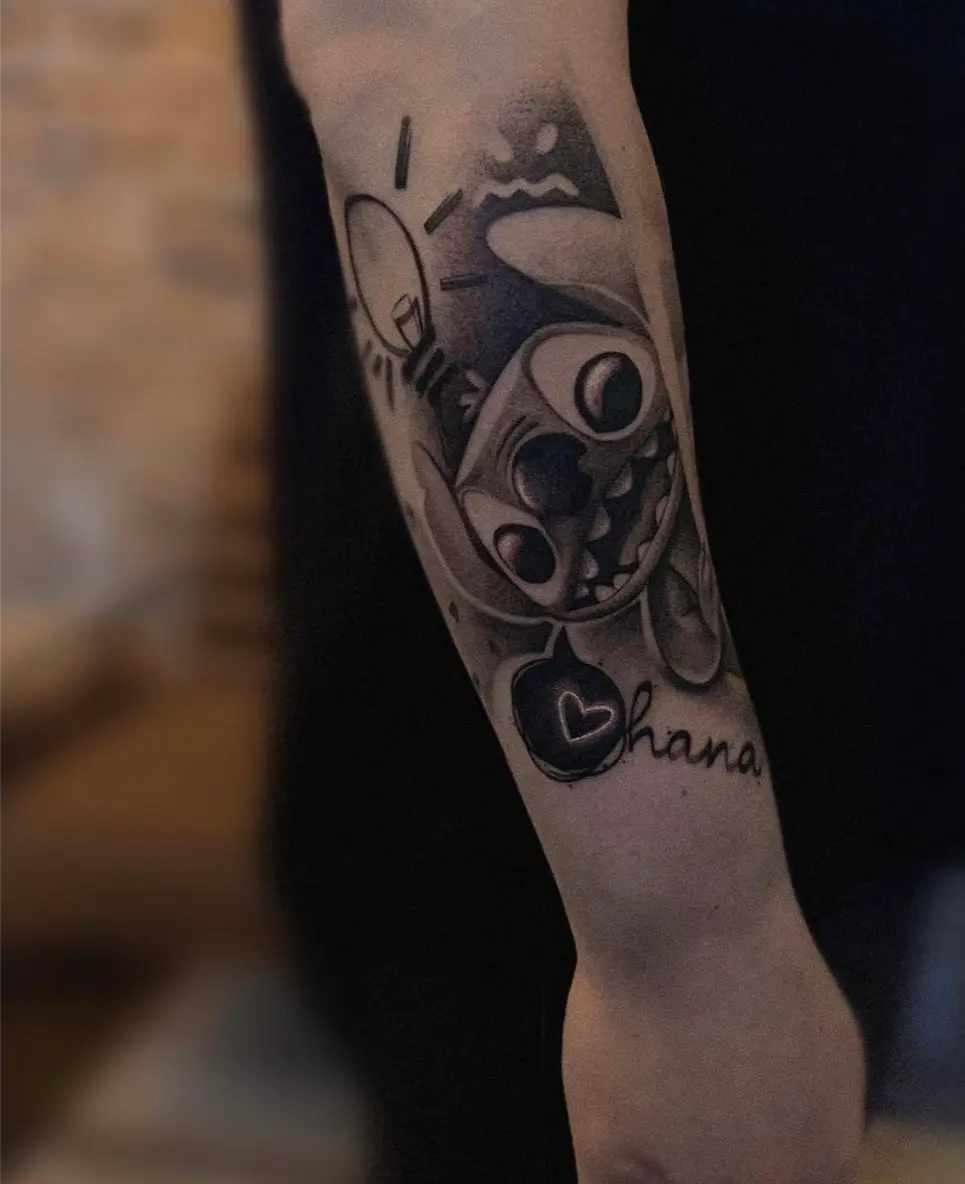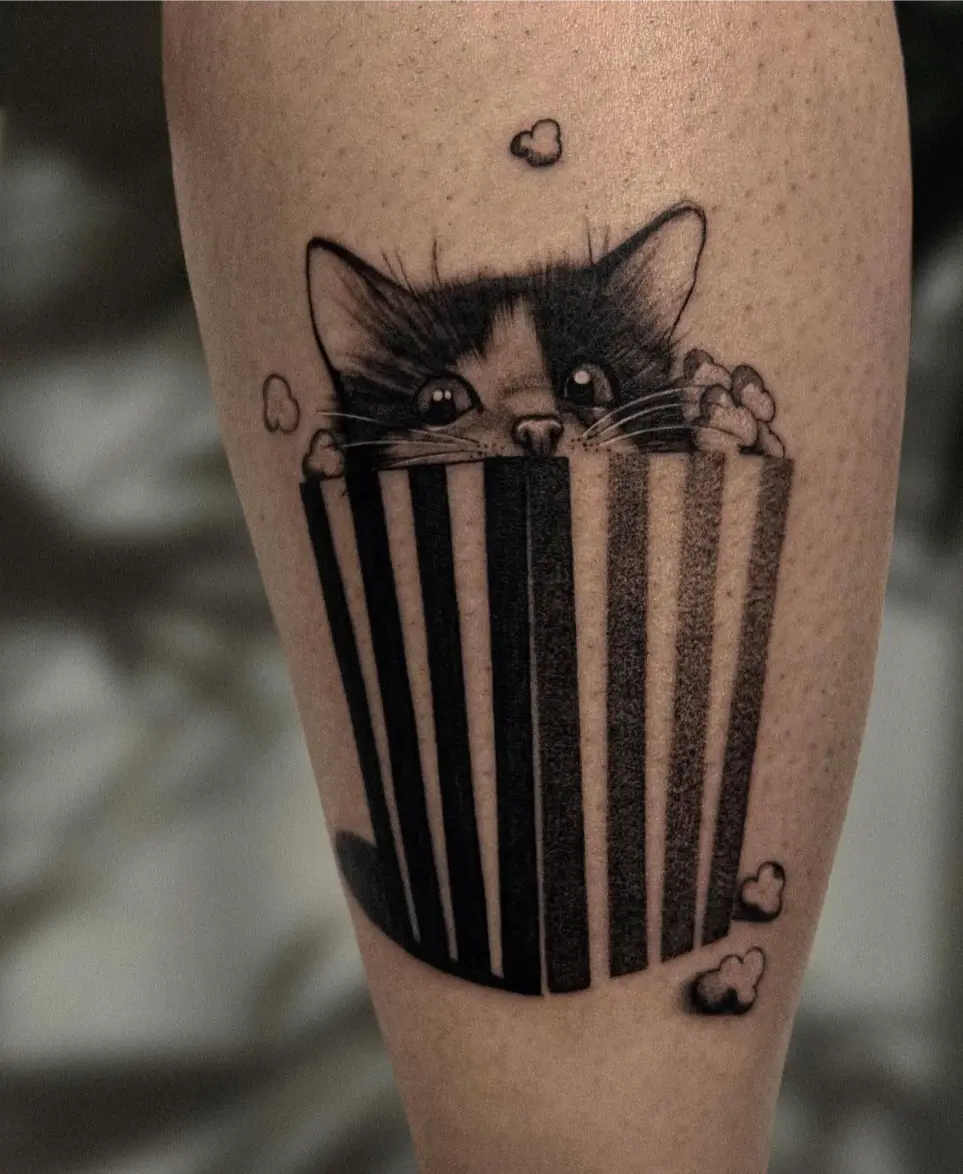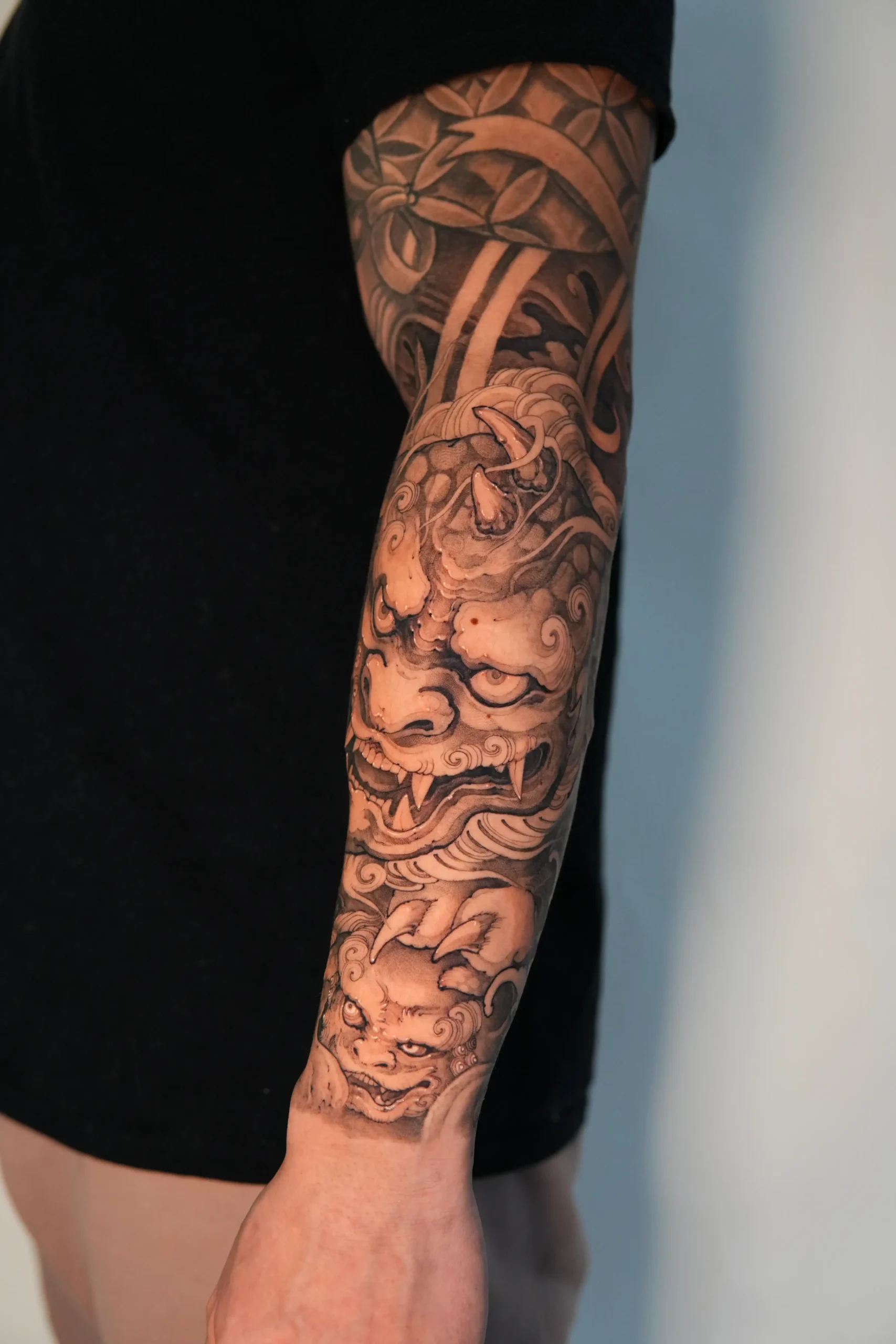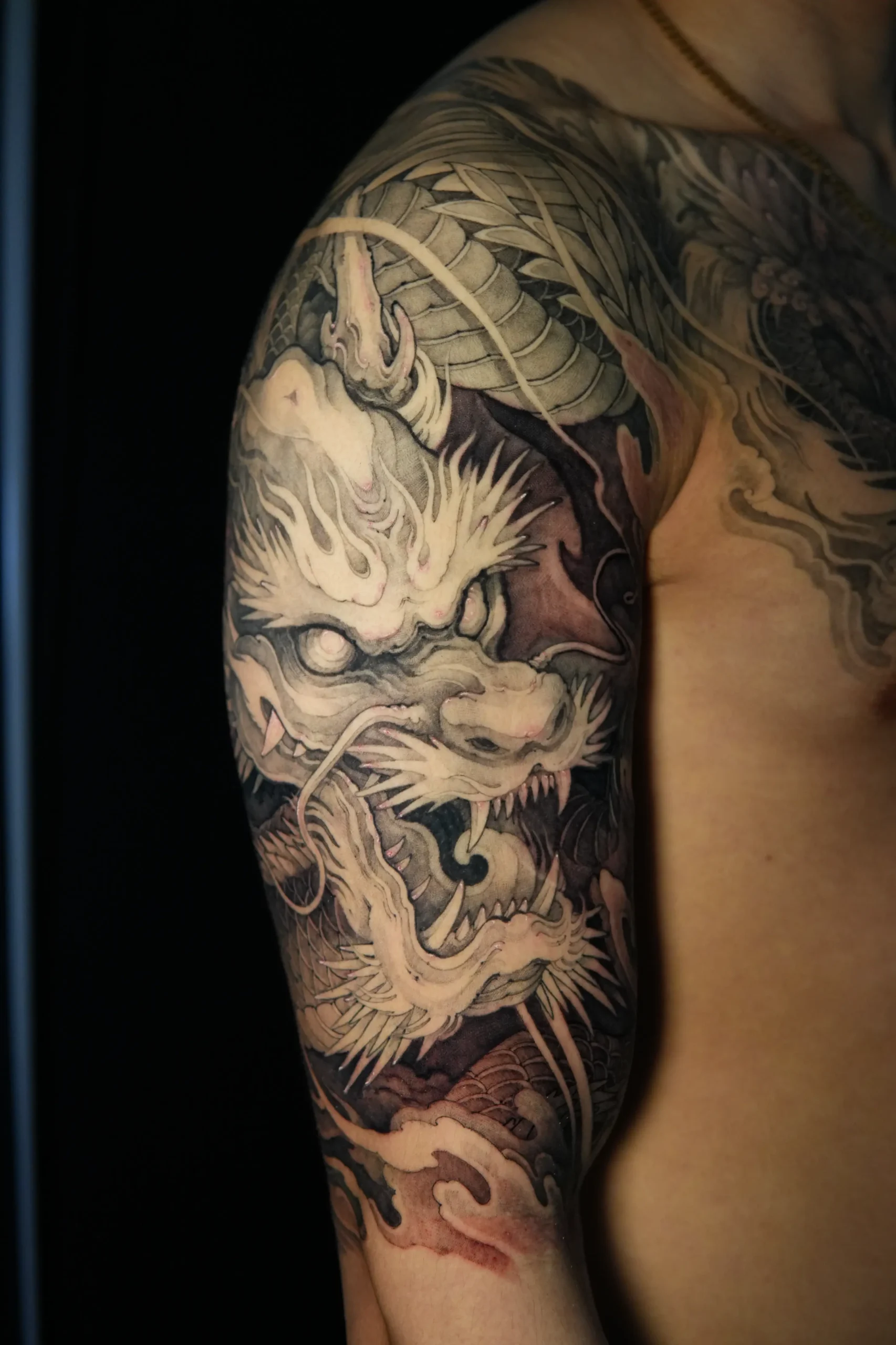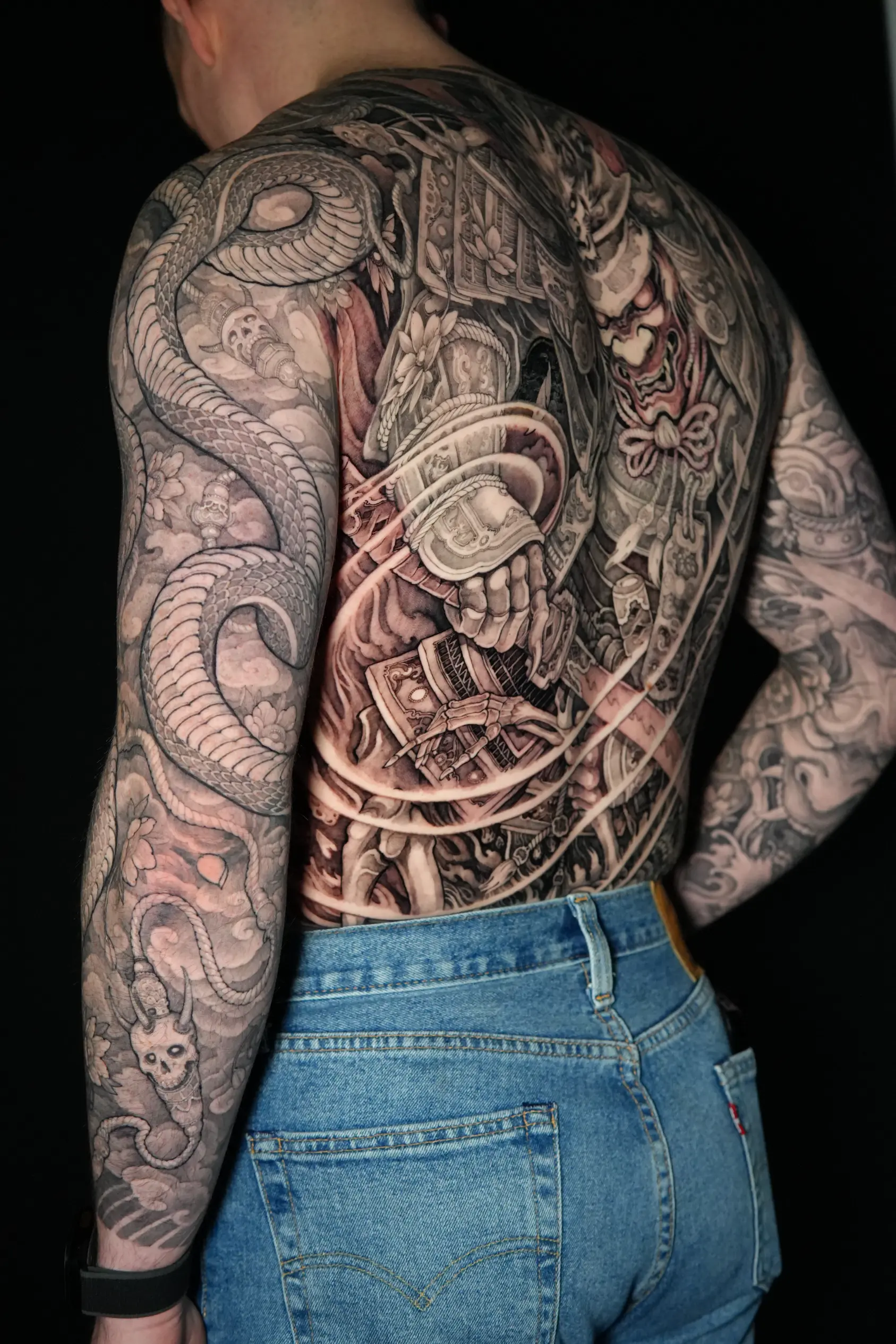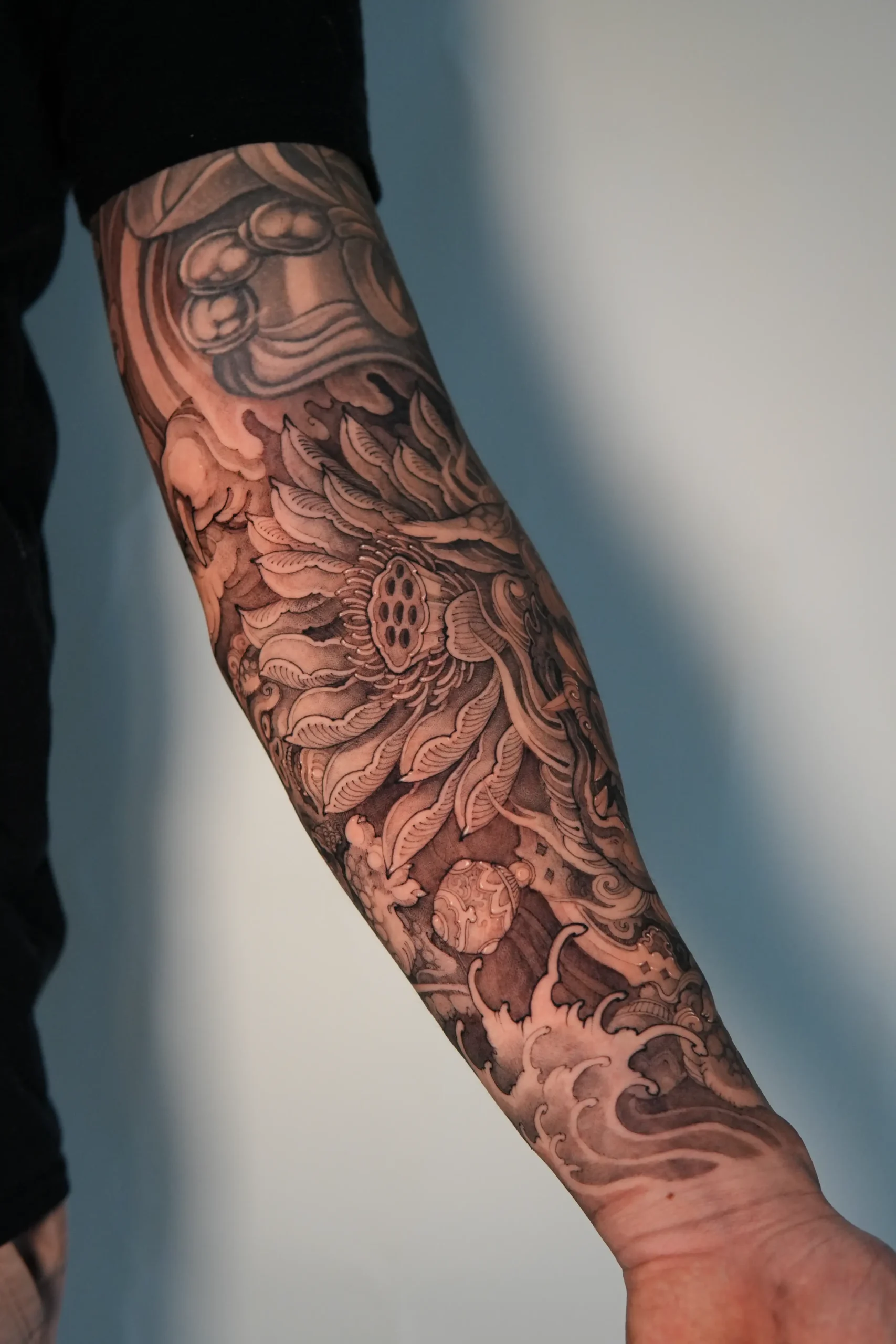




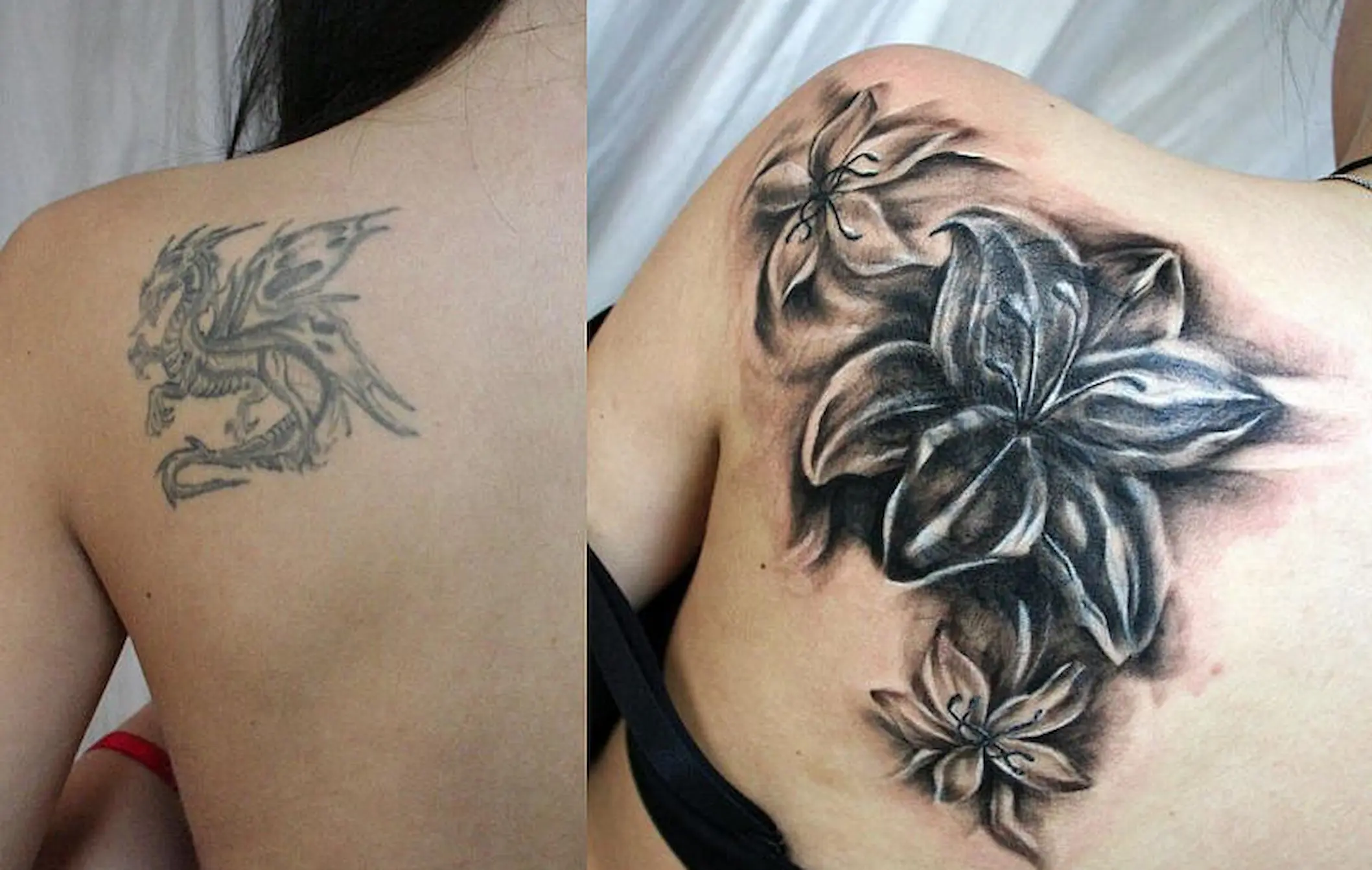
Many people eventually decide to transform or replace an existing tattoo. Whether the design no longer reflects their personality, the quality has faded, or the meaning has changed over time, a cover-up can provide a fresh start. However, before applying a new design, artists often recommend tattoo fading for cover up to ensure the best possible results.
A dark or heavily saturated tattoo can be difficult to conceal completely. When a tattoo is too bold, the original lines and colors may still show through the new design. That is why the process of fading tattoo before cover up is commonly recommended by professional tattoo artists. By reducing the intensity of the original ink, artists gain more creative flexibility when designing the new tattoo.
The tattoo cover up process often begins with evaluating the existing tattoo. Artists assess factors such as ink density, color saturation, skin condition, and placement on the body. Based on this assessment, they may suggest fading techniques to make the cover-up smoother and more visually effective.
Understanding the Tattoo Cover-Up Preparation Process
Before beginning a new tattoo design, proper tattoo cover up preparation is essential. Preparing the skin and existing ink ensures that the new tattoo will heal properly and achieve the desired visual effect. Without adequate preparation, even the most skilled tattoo artist may struggle to fully conceal the previous design.
One key part of this stage involves preparing tattoo for cover up by lightening the existing tattoo. This step does not necessarily mean removing the tattoo completely; instead, the goal is to reduce the visibility of the original ink. A lighter base allows artists to incorporate new shapes, colors, and shading techniques more effectively.
Another factor in preparation is considering tattoo modification before cover up. Sometimes an artist can partially integrate elements of the old tattoo into the new design. Strategic modifications, shading adjustments, or additional artwork can transform an outdated tattoo into something entirely new while still using parts of the original piece.
Common Tattoo Fading Methods
There are several tattoo fading methods that can help reduce the intensity of an existing tattoo. The best approach depends on factors such as tattoo age, ink color, skin sensitivity, and the desired final design. Professional guidance is always recommended when choosing the right method.
Some commonly used methods include:
- Laser tattoo lightening treatments
- Natural fading over time with sun exposure
- Skin exfoliation and specialized skincare
- Saline lightening techniques performed by professionals
Each approach works differently, but the overall goal is the same: to reduce the darkness or sharpness of the existing tattoo so it becomes easier to cover with new artwork.
When considering how to fade a tattoo for cover up, many tattoo artists recommend laser treatments as the most reliable option. Laser technology breaks down pigment particles within the skin, gradually lightening the tattoo without completely removing it.
The Best Way to Fade a Tattoo Safely
Choosing the best way to fade a tattoo depends on safety, effectiveness, and the condition of your skin. While many DIY methods are promoted online, professional consultation is always the safest route. Tattoo artists and dermatology professionals can recommend the most appropriate fading strategy based on your individual tattoo.
Laser tattoo lightening is widely considered one of the most effective techniques. During this procedure, targeted laser pulses break down ink particles so the body can gradually eliminate them. This approach is especially useful for tattoo lightening before cover up, because it allows artists to control how much fading occurs.
Another advantage of professional fading is minimizing skin damage. When done correctly, controlled lightening helps preserve skin texture and elasticity. Healthy skin is essential for creating a high-quality cover-up tattoo, making safe fading methods an important step in the overall process.
Why Lightening a Tattoo Improves Cover-Up Results
A successful cover-up relies heavily on color theory and design placement. When artists lighten tattoo for cover up, they create a cleaner canvas that allows the new tattoo’s colors and shapes to stand out more effectively. Dark lines or heavy shading from the old tattoo can otherwise limit design options.
The technique of tattoo fading for cover up is particularly helpful when the existing tattoo contains bold black outlines or deep color saturation. These elements can be difficult to conceal without significantly enlarging the new tattoo. Lightening the original ink gives the artist greater flexibility when designing the replacement artwork.
Some of the key benefits of lightening a tattoo include:
- More design options for the cover-up
- Better color visibility in the new tattoo
- Reduced risk of the old tattoo showing through
- Improved overall aesthetic balance
By reducing the intensity of the old tattoo, artists can focus on creating a visually striking and cohesive new design.
What to Expect During the Cover-Up Journey
The full tattoo cover up process usually involves several stages. After evaluating the existing tattoo and completing any necessary fading treatments, the artist will work with the client to design the new tattoo. This stage often includes discussing themes, placement, size adjustments, and artistic styles.
Designing a cover-up requires careful planning. Artists must consider how to strategically place lines, shading, and colors so the original tattoo is completely hidden. In many cases, the new tattoo may be larger or more detailed than the previous one to ensure effective coverage.
Studios such as Icon Tattoo often emphasize consultation as an essential part of the process. A skilled artist can analyze the existing tattoo and recommend the best approach for fading, design selection, and placement to achieve the best possible result.
Tips for Preparing Your Skin Before a Cover Up
Healthy skin plays a major role in the success of a cover-up tattoo. Proper preparing tattoo for cover up includes caring for the skin before the appointment. Hydrated, well-maintained skin allows ink to settle evenly and improves healing after the tattoo session.
There are several simple steps people can take to support the process:
- Keep the skin moisturized and hydrated
- Avoid excessive sun exposure before tattoo sessions
- Follow professional aftercare instructions
- Allow sufficient healing time between fading treatments and tattooing
These steps ensure that the skin remains in the best possible condition for the new tattoo.
Ultimately, fading tattoo before cover up is often the key to achieving a clean, professional-looking result. By carefully planning the fading process and working with experienced artists, clients can transform an unwanted tattoo into a piece of art they truly love.