


Genital piercings have a long and fascinating history, spanning ancient cultures, spiritual rituals, and modern body art movements. Today, they are chosen for many reasons: aesthetics, symbolism, confidence, and personal expression. This guide is designed to educate, not shock, offering clear and respectful information for anyone curious about body modification below the waist. Understanding the different types of genital piercings helps you make informed decisions about safety, anatomy, and long-term care.
While these piercings are more intimate than most, the principles behind them remain the same as any professional body art: precision, hygiene, and expert technique. Choosing a licensed studio and an experienced piercer is essential for both comfort and health.
Understanding Genital Piercings and Their Purpose
Genital piercings refer to body modifications placed on intimate anatomy, tailored to the individual’s structure and preferences. The term different types of genital piercings covers a wide spectrum of placements, each with its own healing process, visual effect, and sensation profile. Some people are drawn to the discreet elegance of minimal jewelry, while others prefer bold, statement designs.
Beyond appearance, many individuals view these piercings as deeply personal. They can symbolize empowerment, self-ownership, or a milestone moment in life. Because anatomy varies significantly from person to person, a professional consultation is always the first step before committing.
It’s also important to understand that not every piercing suits every body. A skilled piercer will assess anatomy, lifestyle, and expectations to recommend safe and appropriate options, ensuring both satisfaction and long-term comfort.
Female Genital Piercings: Options and Anatomy
When discussing different female genital piercings, it’s crucial to approach the topic with anatomical accuracy and sensitivity. These piercings are designed to complement natural structures and should never be performed without proper evaluation. Placement depends heavily on individual anatomy, making professional assessment essential.
The term female genital piercing types includes several well-known options, each varying in visibility and healing time. Some are chosen for subtle enhancement, while others are more decorative. Understanding placement helps reduce risks and improves healing outcomes.
| Piercing Type | Location / Anatomy | Description | Considerations / Notes |
| Clitoral Hood (Vertical) | Upper clitoral hood | Vertical piercing through the clitoral hood for stimulation and aesthetic appeal | Commonly chosen for both appearance and sexual enhancement; healing typically 4-6 weeks |
| Clitoral Hood (Horizontal) | Side-to-side clitoral hood | Horizontal placement, emphasizes symmetry and jewelry display | Slightly more complex than vertical; may require careful jewelry selection |
| Clitoral Piercing (Direct) | Clitoral glans | Piercing directly through the clitoris itself | Higher sensitivity; more intense stimulation; requires experienced piercer |
| Labia Minora | Inner lips | Piercings through the labia minora for decoration or sexual enhancement | Heals relatively quickly; multiple piercings possible |
| Labia Majora | Outer lips | Piercings on the labia majora, usually for aesthetic purposes | Less sensitive than inner labia; allows for larger jewelry |
| Fourchette | Rear edge of vulva | Piercing at the fourchette, mostly decorative | Can be more challenging; careful hygiene required |
| Triangle Piercing | Under clitoral hood, at base | Horizontal piercing beneath the clitoral hood, passes through vestibular tissue | High sexual stimulation; requires experienced piercer; longer healing |
| Christina Piercing | Mons pubis / top of vulva | Vertical piercing through the pubic mound above clitoral area | Mostly decorative; less sexual stimulation; slower healing |
| Vertical Clitoral Hood + Labia Combo | Combination piercings | Often combines vertical hood piercing with labia piercings for enhanced effect | Requires careful planning for comfort and healing |
Vaginal and Internal-Area Piercings Explained
Another category that often raises questions is different types of vaginal piercing. While the term is commonly used online, most of these piercings are external and do not involve internal vaginal tissue. This distinction is important for setting realistic expectations and reducing unnecessary fear.
These piercings are selected for their aesthetic balance and personal meaning rather than medical or functional reasons. Healing times can vary depending on placement, jewelry choice, and aftercare consistency. Patience during the healing phase plays a major role in long-term comfort.
Professional studios emphasize education during consultations, explaining what sensations to expect and how to maintain hygiene. Clear communication between client and piercer ensures confidence throughout the process.
Male Genital Piercings: Styles and Variations
The category of different types of male genital piercings is broad and diverse, offering options that range from discreet to visually striking. Anatomy, circulation, and lifestyle factors all influence which placements are suitable. This is why experienced piercers never take a one-size-fits-all approach.
When people research male genital piercing types, they often encounter terminology that can feel overwhelming at first. Learning male genital piercing names helps demystify the process and makes consultations more productive.
| Piercing Type | Location / Anatomy | Description | Considerations / Notes |
| Prince Albert (PA) | Urethra to underside of glans | Most popular male genital piercing; passes through urethra and exits on underside of penis | Enhances sexual stimulation; requires careful hygiene; healing ~4-6 weeks |
| Frenum | Shaft of penis, underside | Horizontal piercing through the penile shaft skin | Often done in multiples (frenum ladder); moderate sensitivity; heals relatively quickly |
| Lorum | Base of penis, near scrotum | Horizontal or slightly diagonal piercing along penis base | Low sensitivity; mostly decorative; good for multiple piercings |
| Dydoe | Ridge of glans, either side | Piercing through the coronal ridge of the glans | Can be combined with Prince Albert; more intense stimulation; requires experienced piercer |
| Apadravya | Vertical glans | Vertical piercing through glans, top to bottom | High sexual stimulation; longer healing; requires professional placement |
| Ampallang | Horizontal glans | Horizontal piercing through the glans | Intense sexual stimulation; more advanced; longer healing period |
| Foreskin Piercing | Foreskin | Piercing through the foreskin for decoration or jewelry | Less invasive; heals quickly; depends on foreskin length and anatomy |
| Guiche Piercing | Perineum | Piercing through perineal tissue behind scrotum | Mostly decorative; requires careful hygiene; healing can take several weeks |
| Scrotal Piercings | Scrotum | Can be single or multiple piercings for decoration | Heals relatively quickly; low sensitivity; jewelry choice important for comfort |
Pain, Healing, and Common Concerns
Pain perception is subjective, and questions like “does dydoe piercing hurt” are extremely common. Sensitivity varies from person to person, but most clients describe the experience as brief and manageable when performed by a skilled professional. Proper technique significantly reduces discomfort and complications.
Healing is influenced by aftercare, hygiene, and daily habits. Tight clothing, excessive friction, or poor cleaning routines can prolong recovery. Following studio-provided instructions is essential for preventing irritation or infection.
Many piercers recommend avoiding unnecessary pressure during the early healing phase and choosing high-quality jewelry to support tissue recovery. Clear expectations make the entire experience far more positive.
Choosing a Studio and Long-Term Care
Selecting the right studio is as important as choosing the piercing itself. A reputable brand like Icon Tattoo focuses on sterile procedures, professional training, and client education. Booking a professional Piercing service ensures that safety standards are met from consultation to aftercare.
Long-term care doesn’t end once healing is complete. Regular checkups, jewelry downsizing, and ongoing hygiene practices help maintain comfort and appearance. Being proactive reduces the risk of complications years down the line.
Genital piercings are a personal journey that should be approached with knowledge and respect for the body. With the right information and professional support, they can be a meaningful and empowering form of self-expression.
FAQ
Can male genital piercings affect sexual performance or sensation?
When properly placed, piercings like Prince Albert or Frenum can enhance sexual stimulation without negatively impacting performance. Individual experience may vary.
Are there piercings suitable for first-timers?
Yes. Simpler piercings like Lorum or Foreskin piercings are less invasive and generally easier to heal, making them ideal for beginners.
Can multiple piercings be combined safely?
Yes, piercers often create combinations like Frenum ladders or Prince Albert with Dydoe, but spacing and healing time must be carefully managed.
What are common jewelry options for male genital piercings?
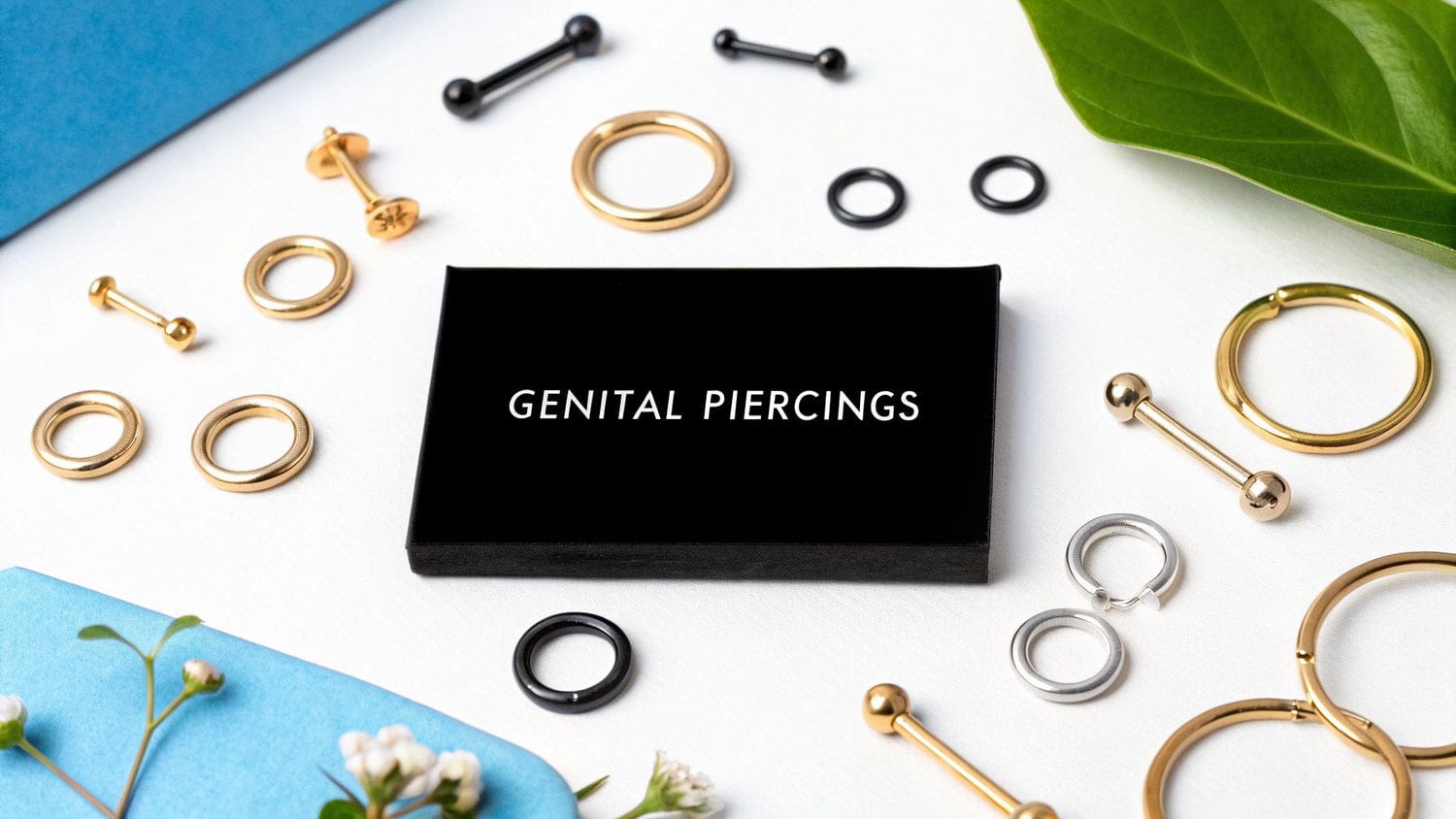
Popular choices include captive bead rings, curved barbells, straight barbells, and custom pieces. Material matters for comfort and healing, e.g., titanium or surgical steel.
What precautions should be taken during sports or physical activity?
Protective clothing or temporary removal (if advised by a piercer) can prevent irritation or injury during sports or exercise.
What are the most popular female genital piercings for beginners?
Many start with clitoral hood piercings (vertical or horizontal) or labia minora piercings, as they are less invasive and easier to heal.
Can female genital piercings enhance sexual pleasure?
Yes, piercings like vertical clitoral hood or triangle piercings can increase sensitivity and stimulation during intimacy.
Are there any risks unique to female genital piercings?
Risks include infection, irritation, or migration if aftercare is neglected. Choosing an experienced piercer and following care instructions reduces complications.