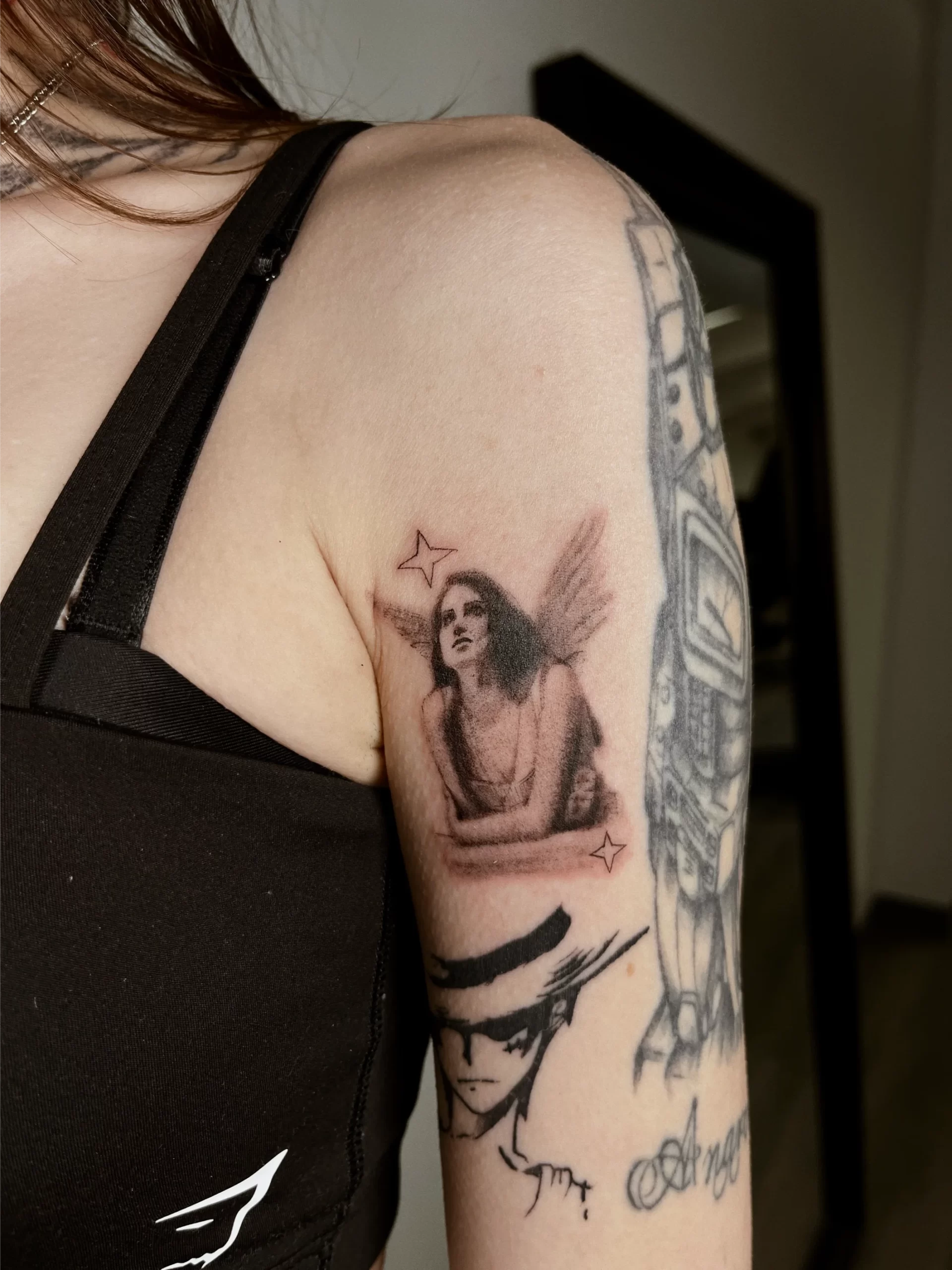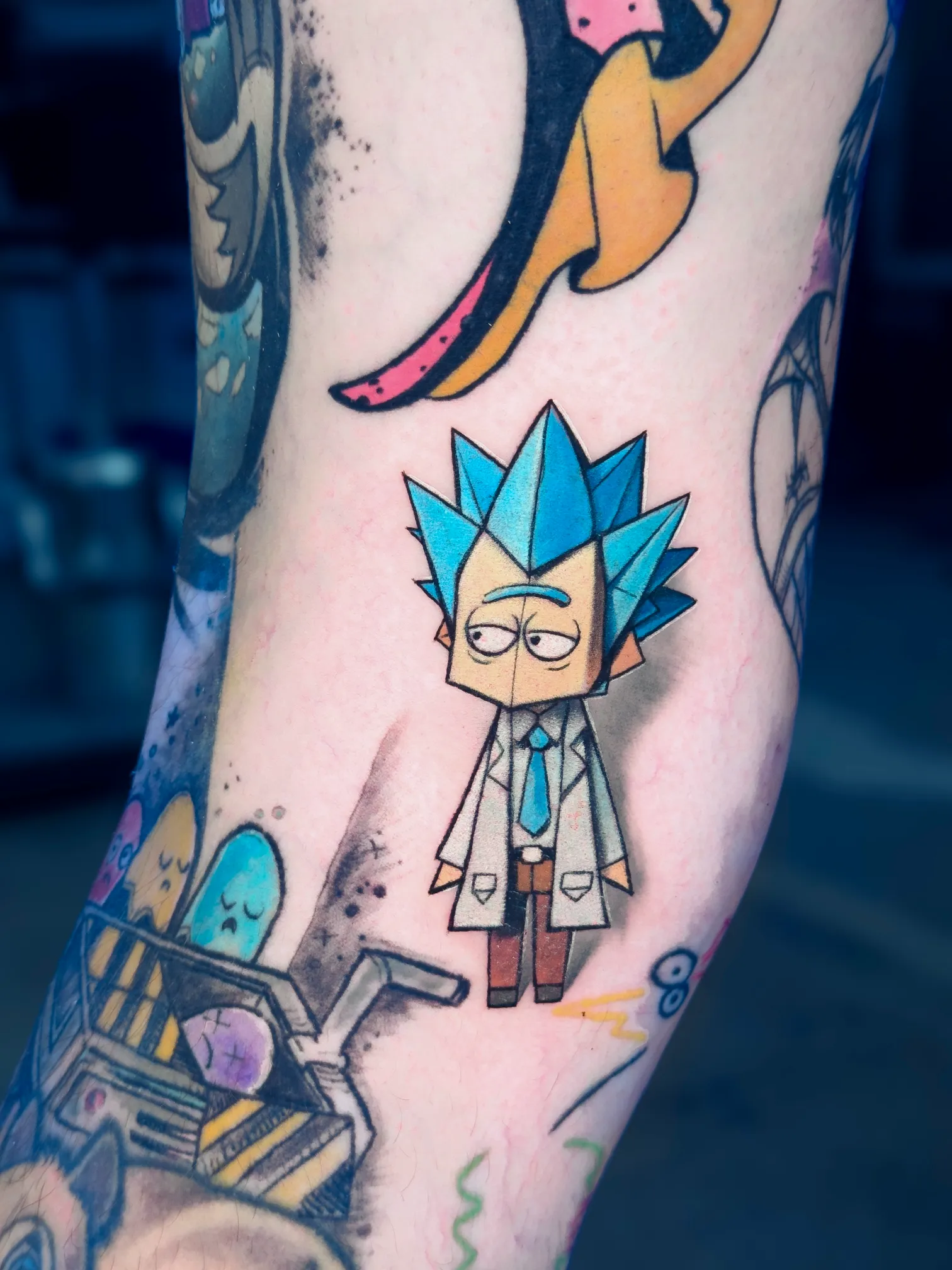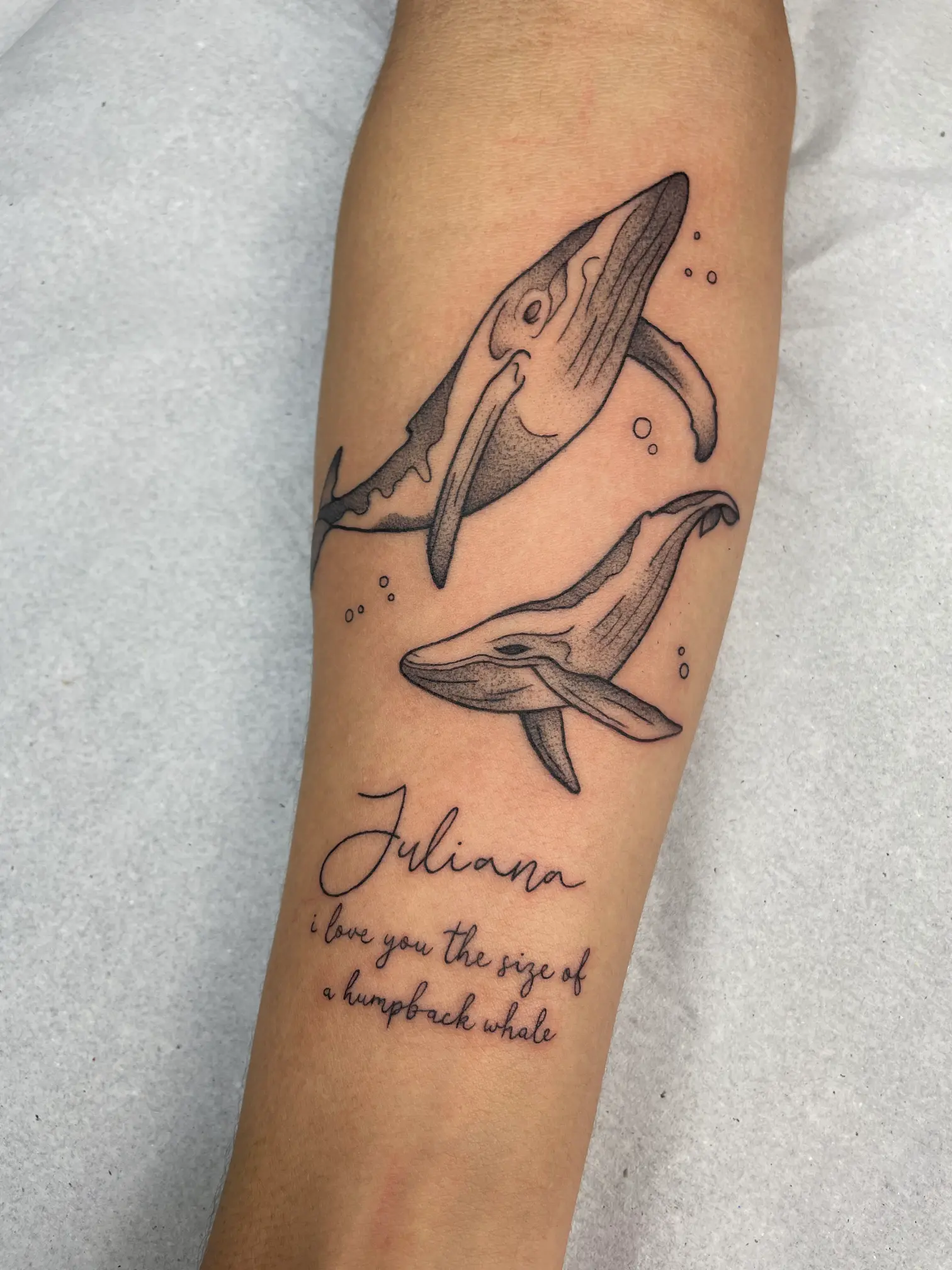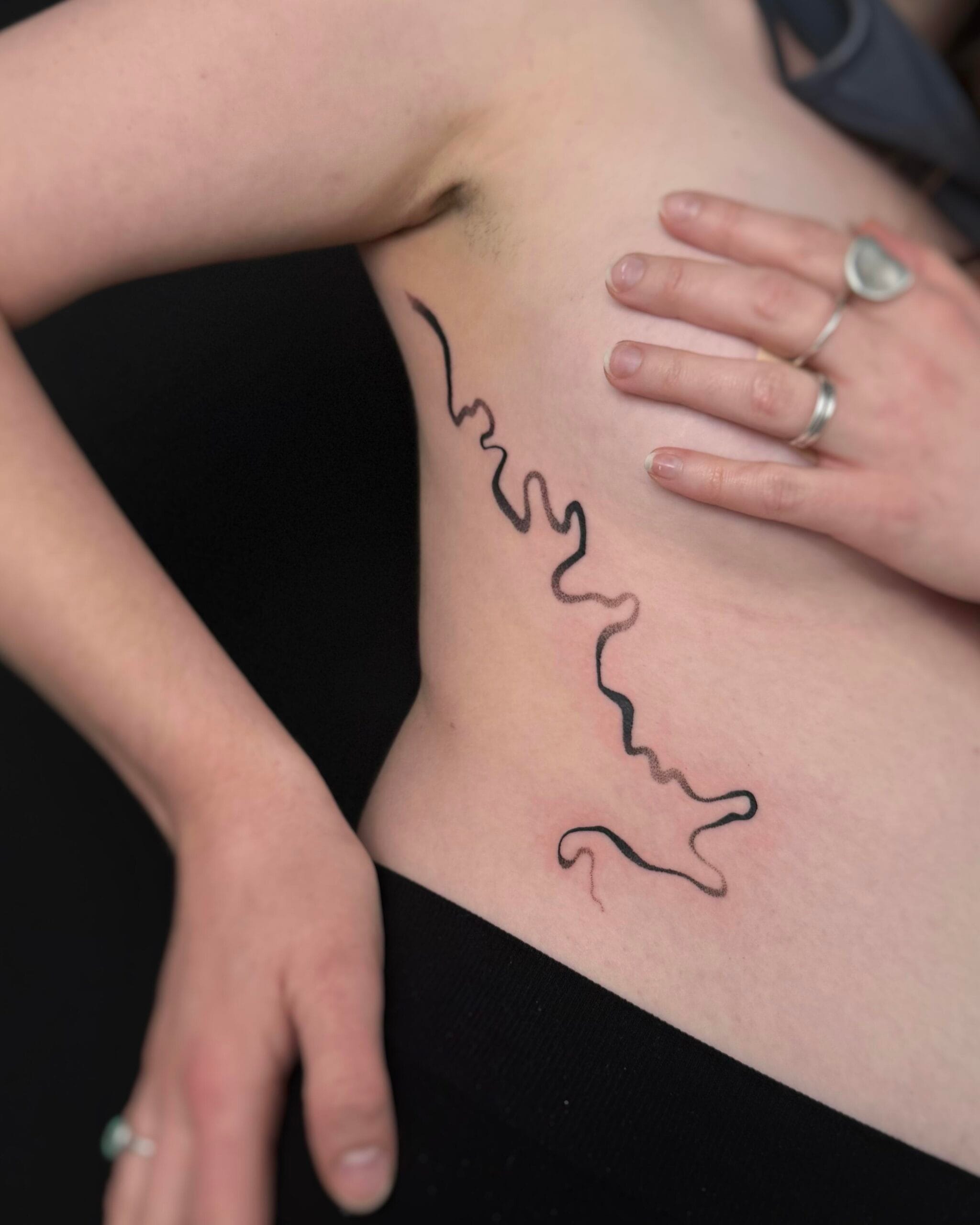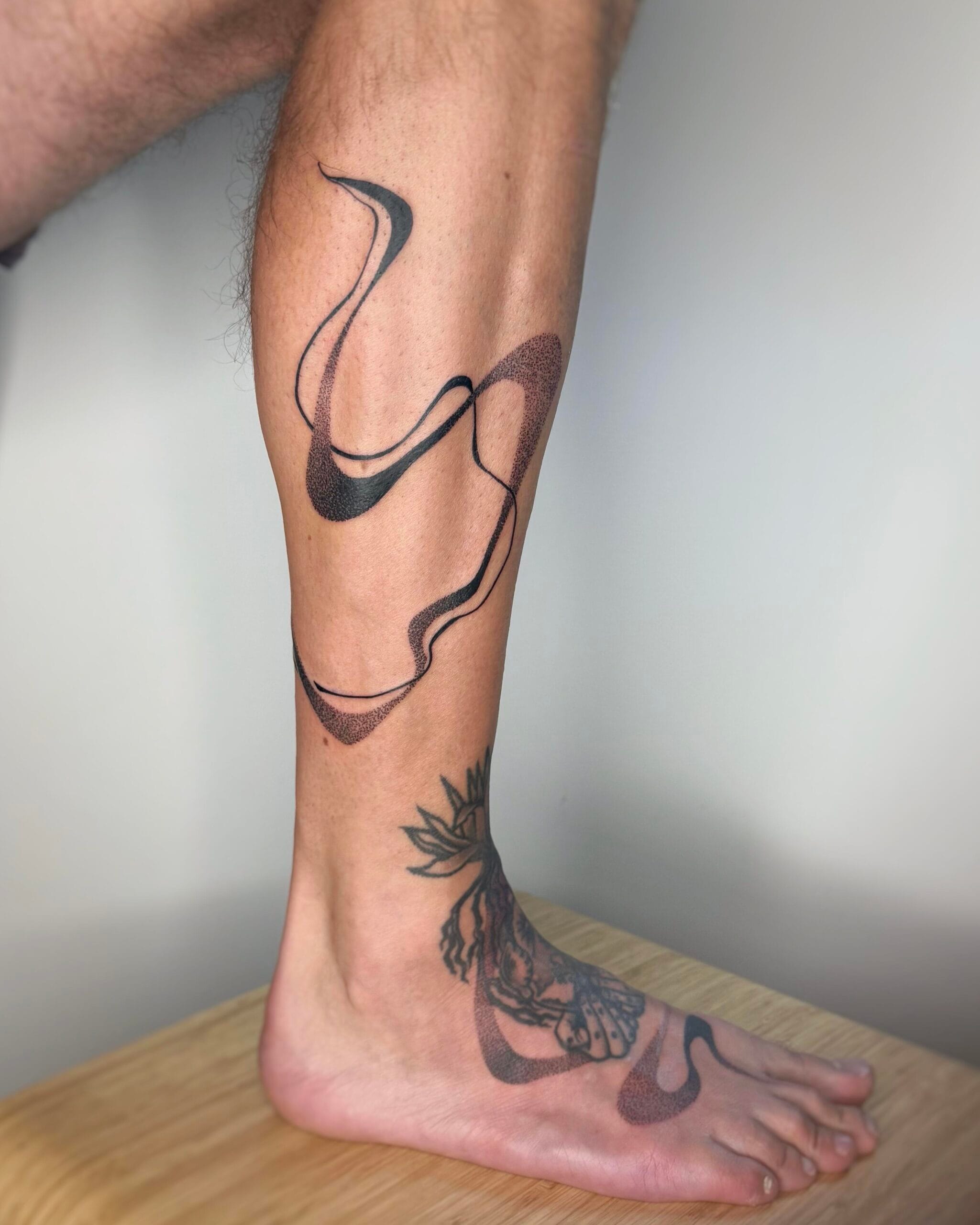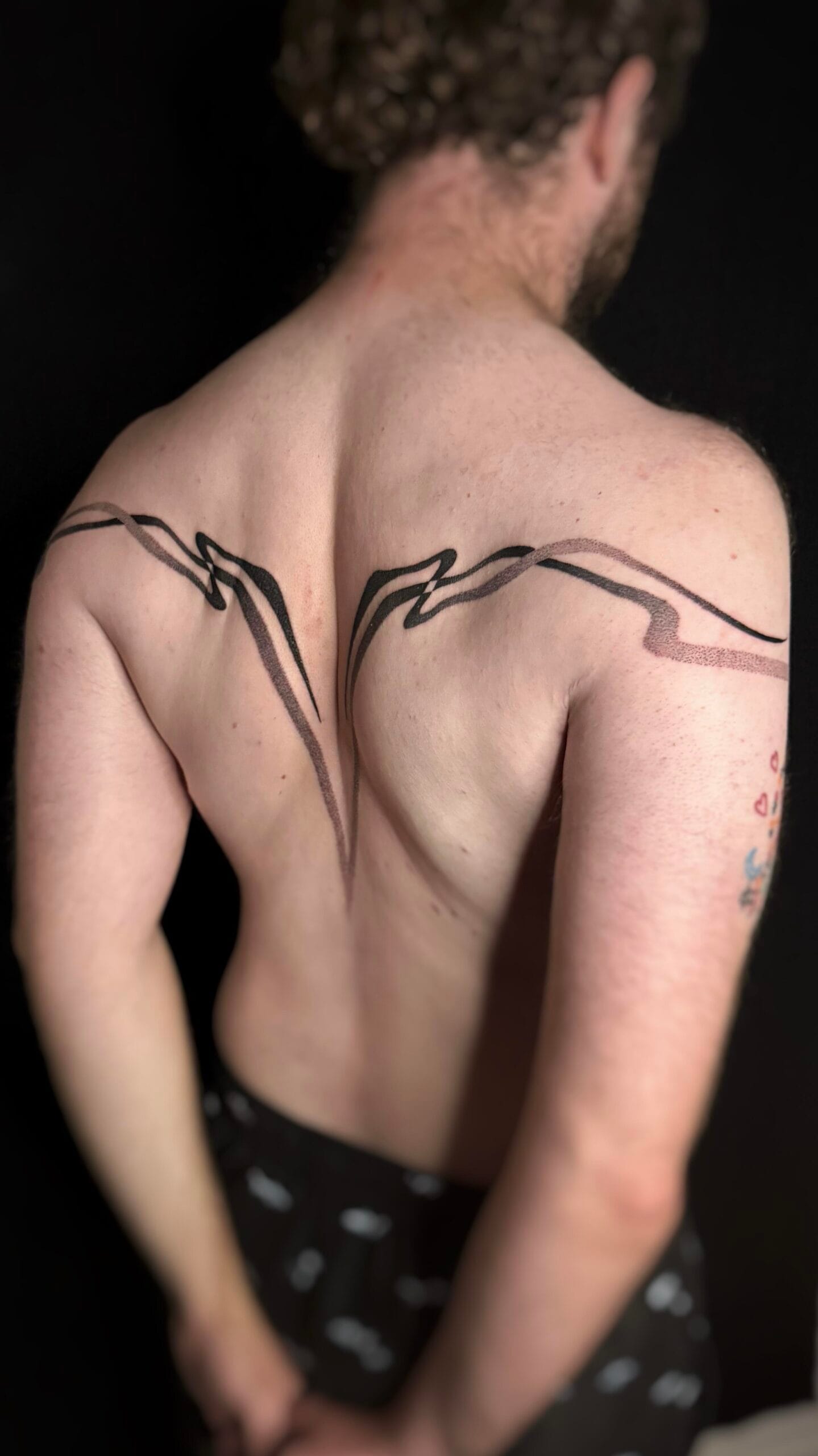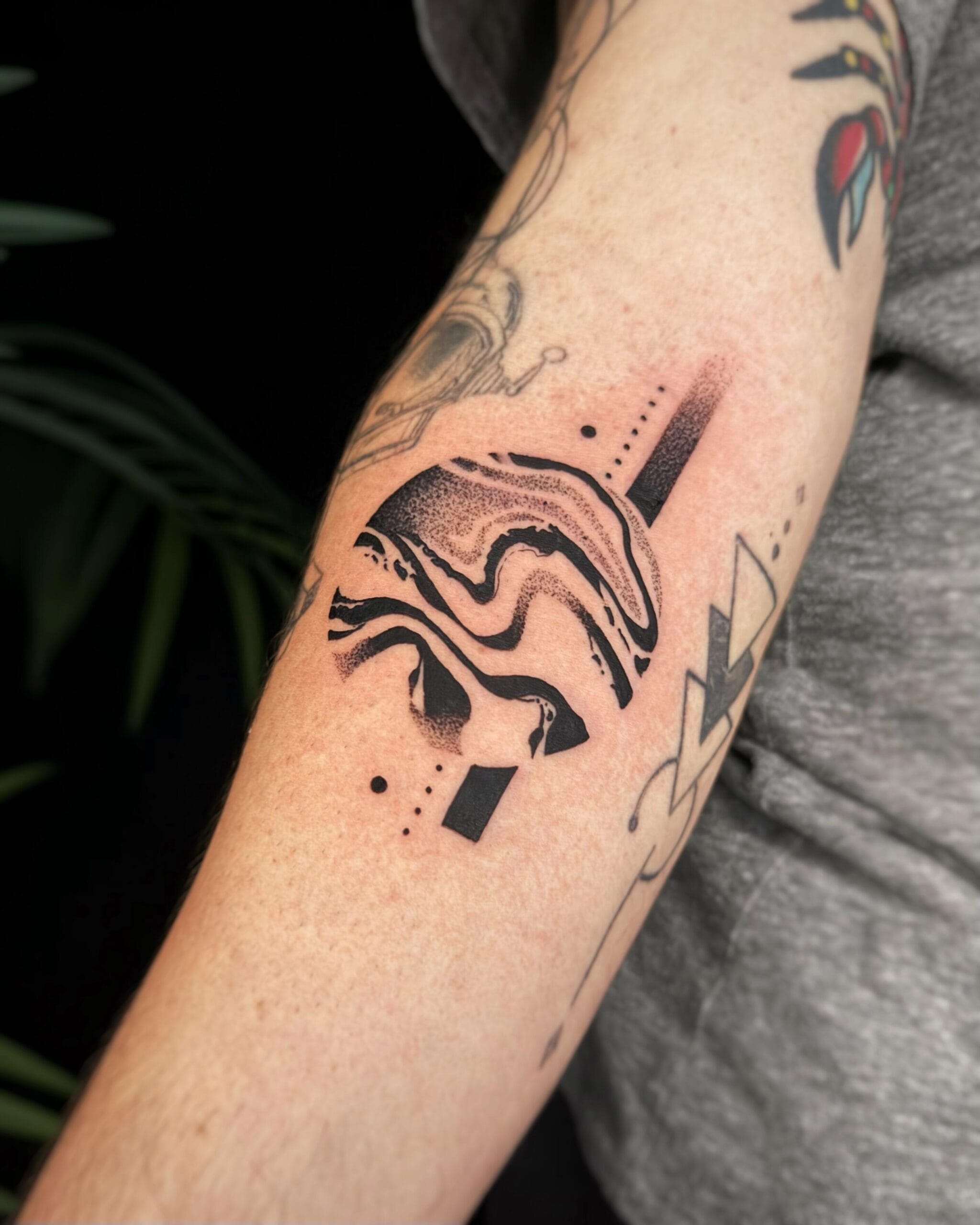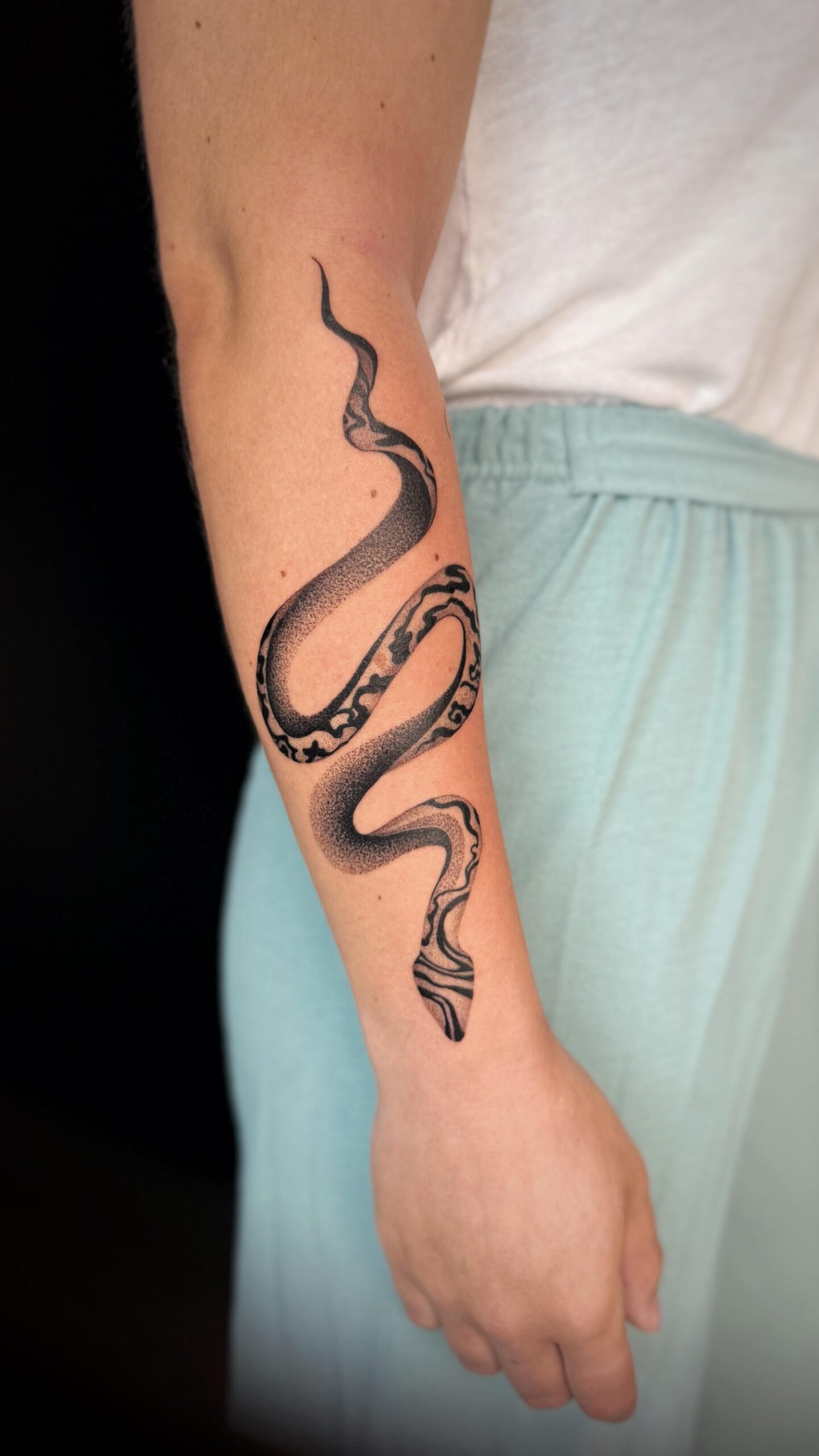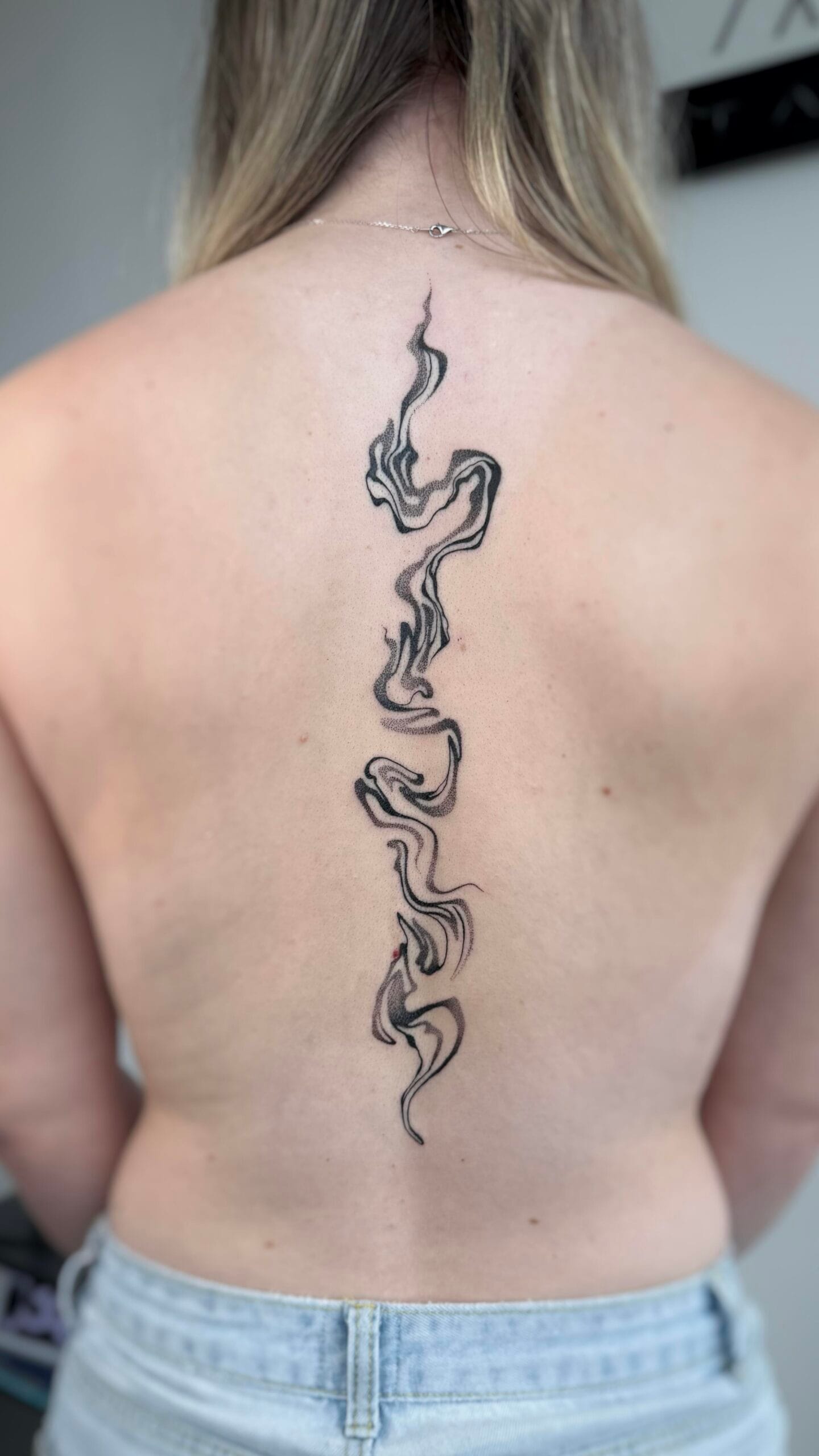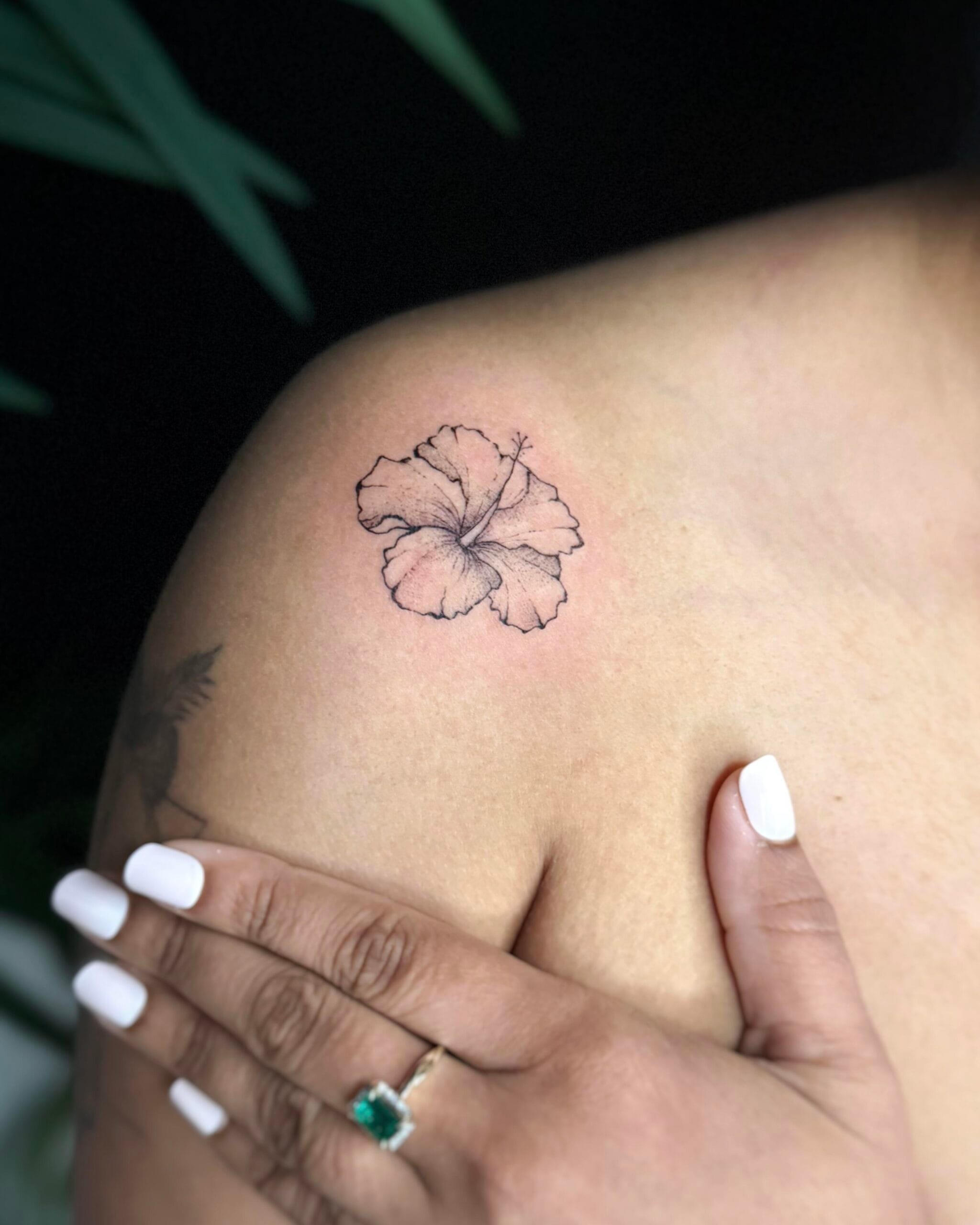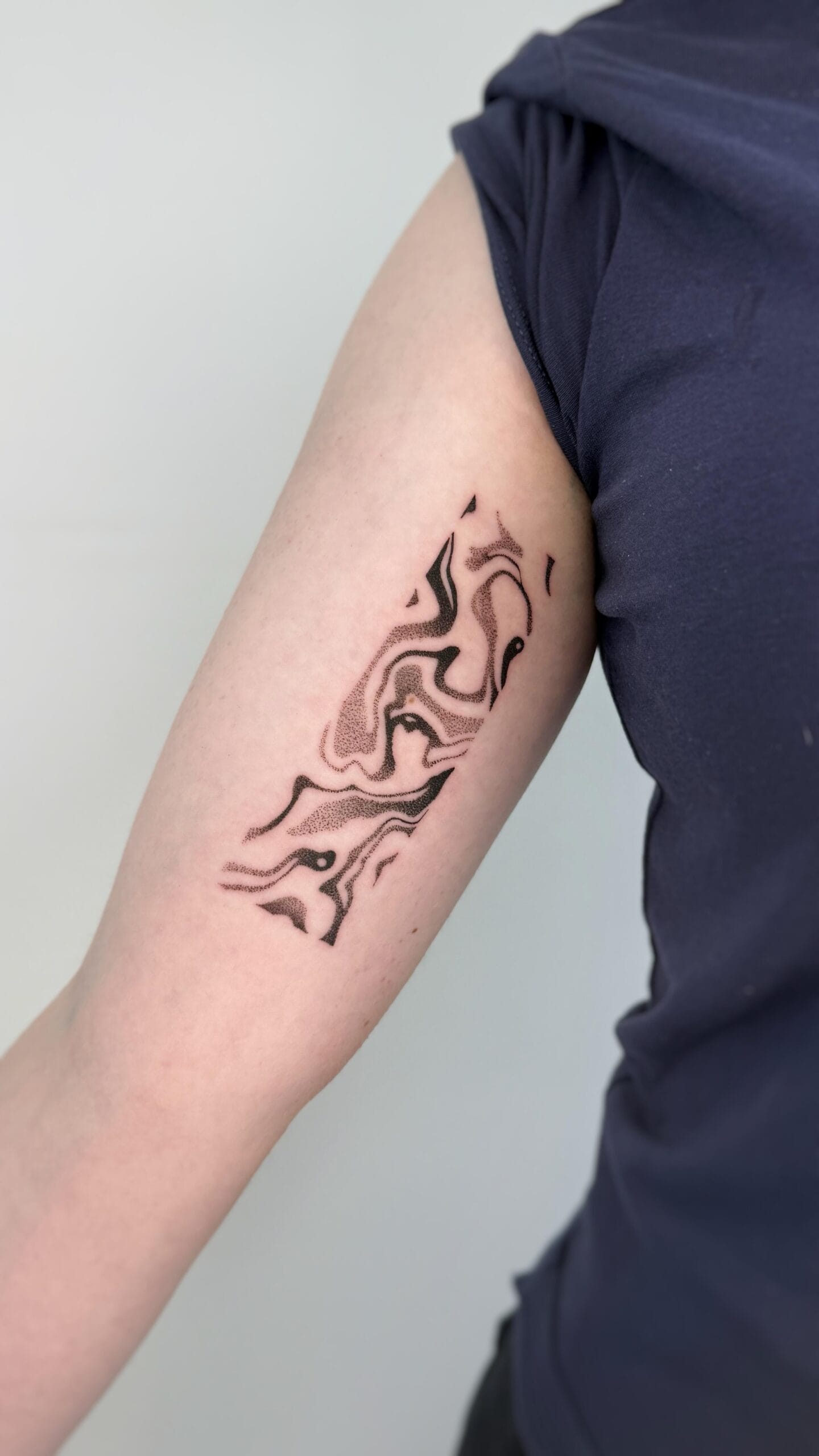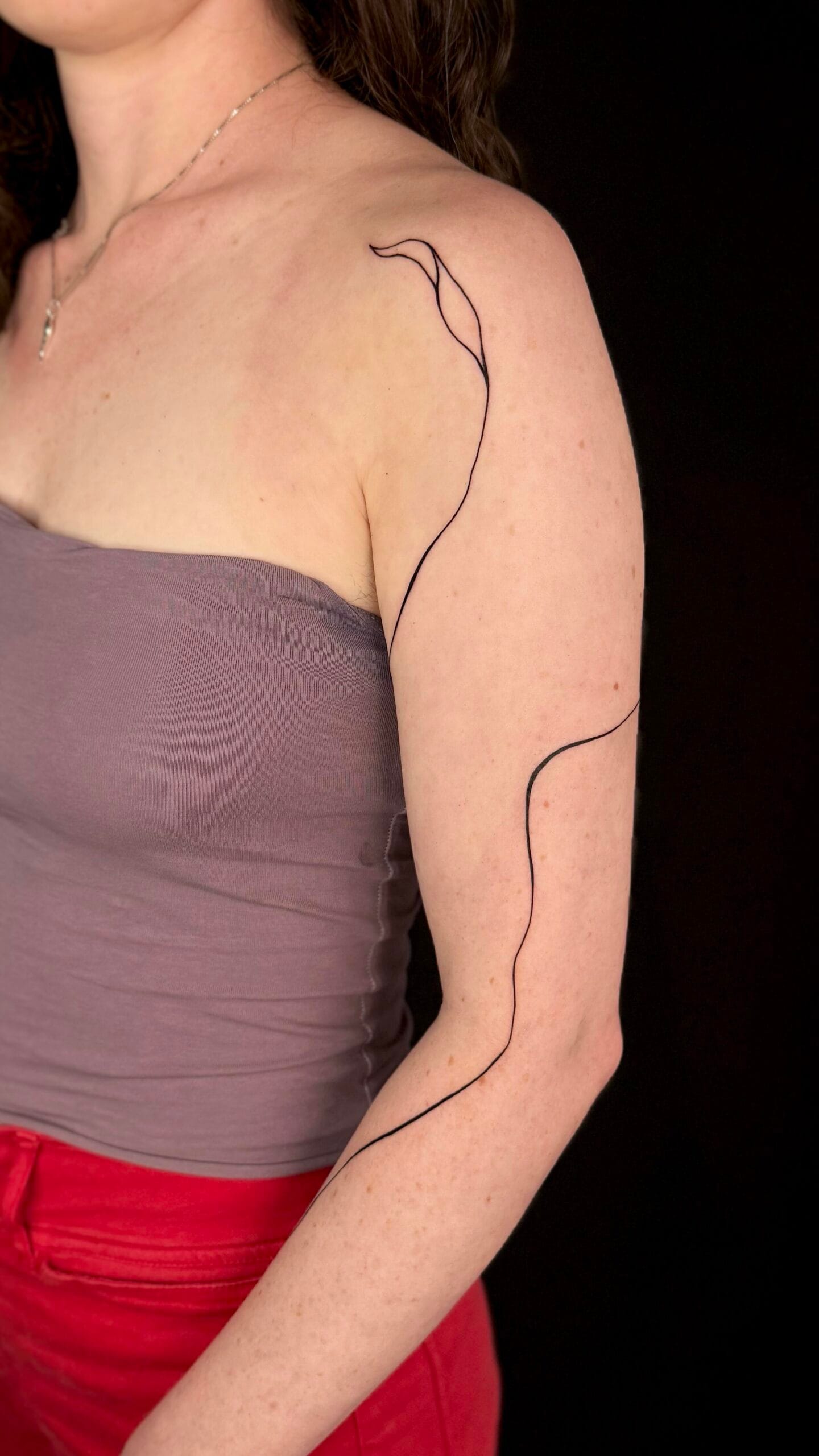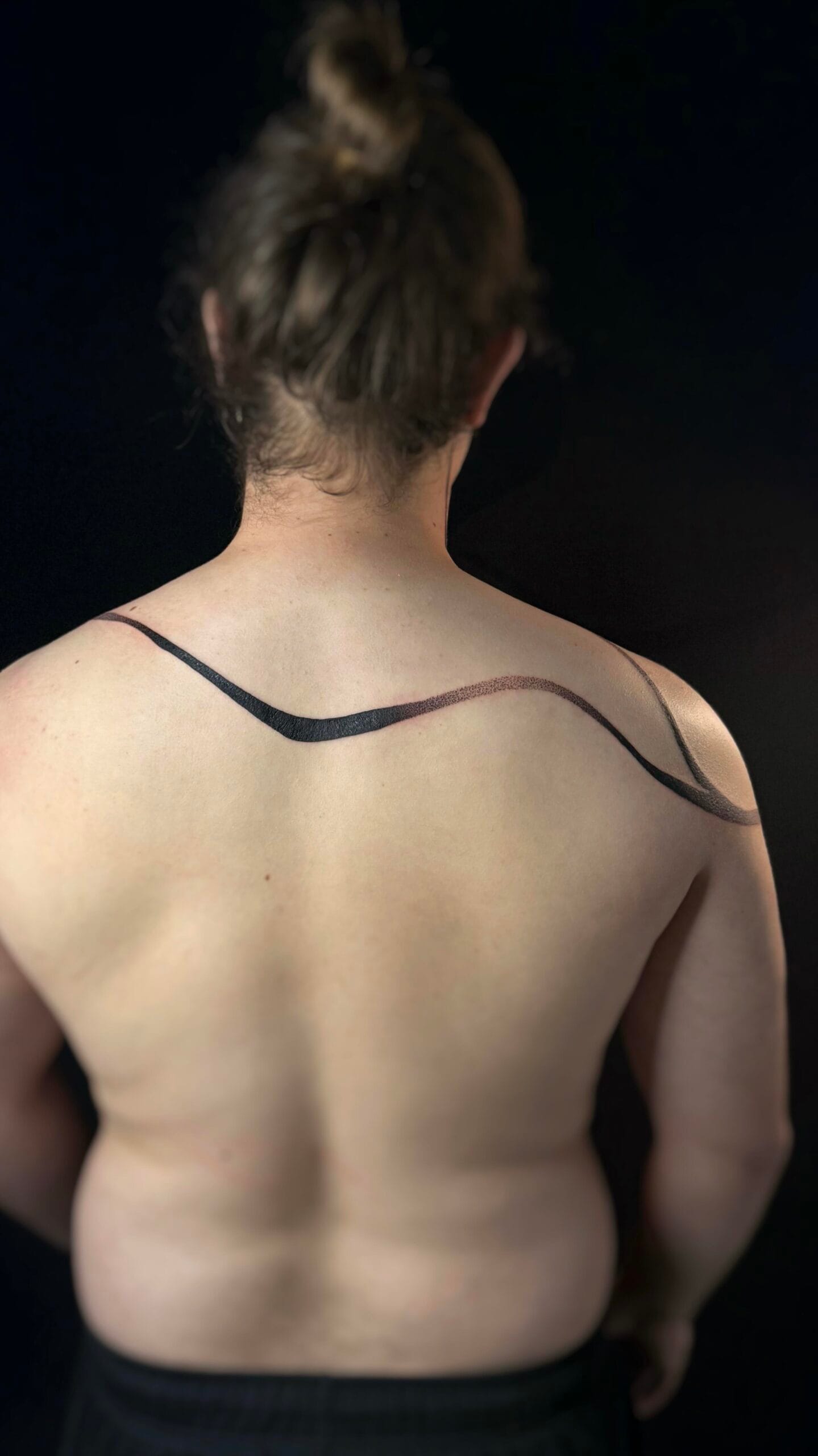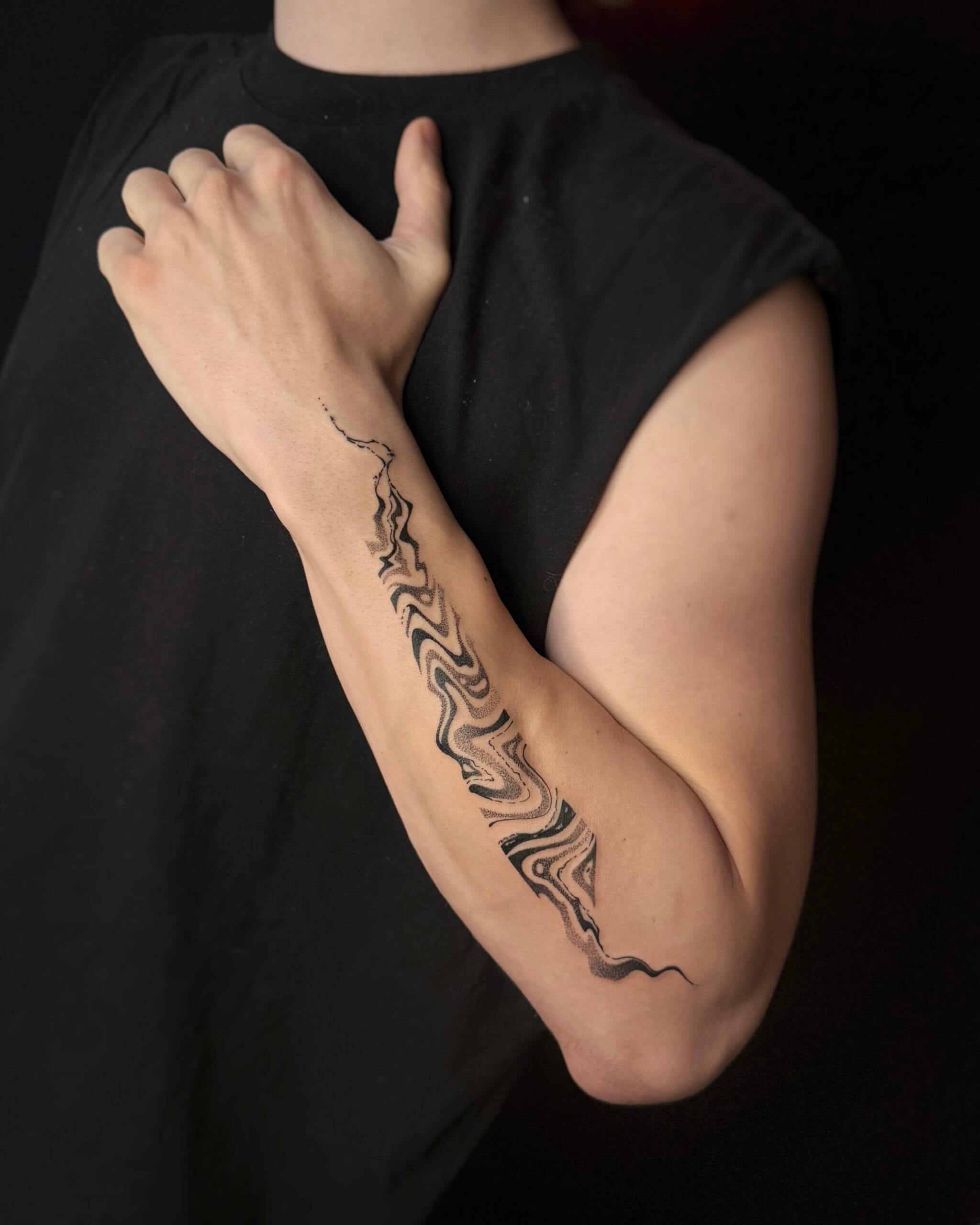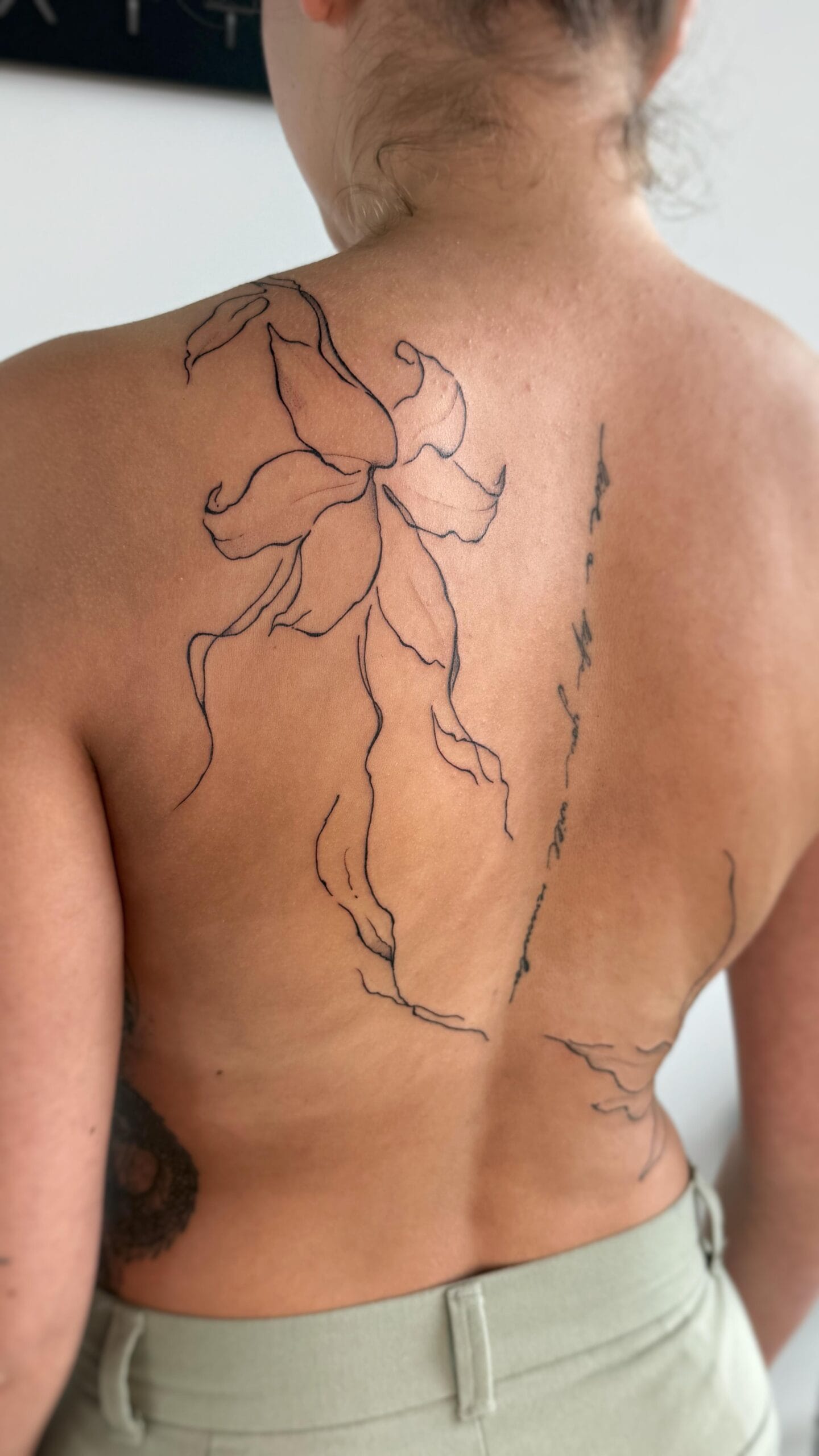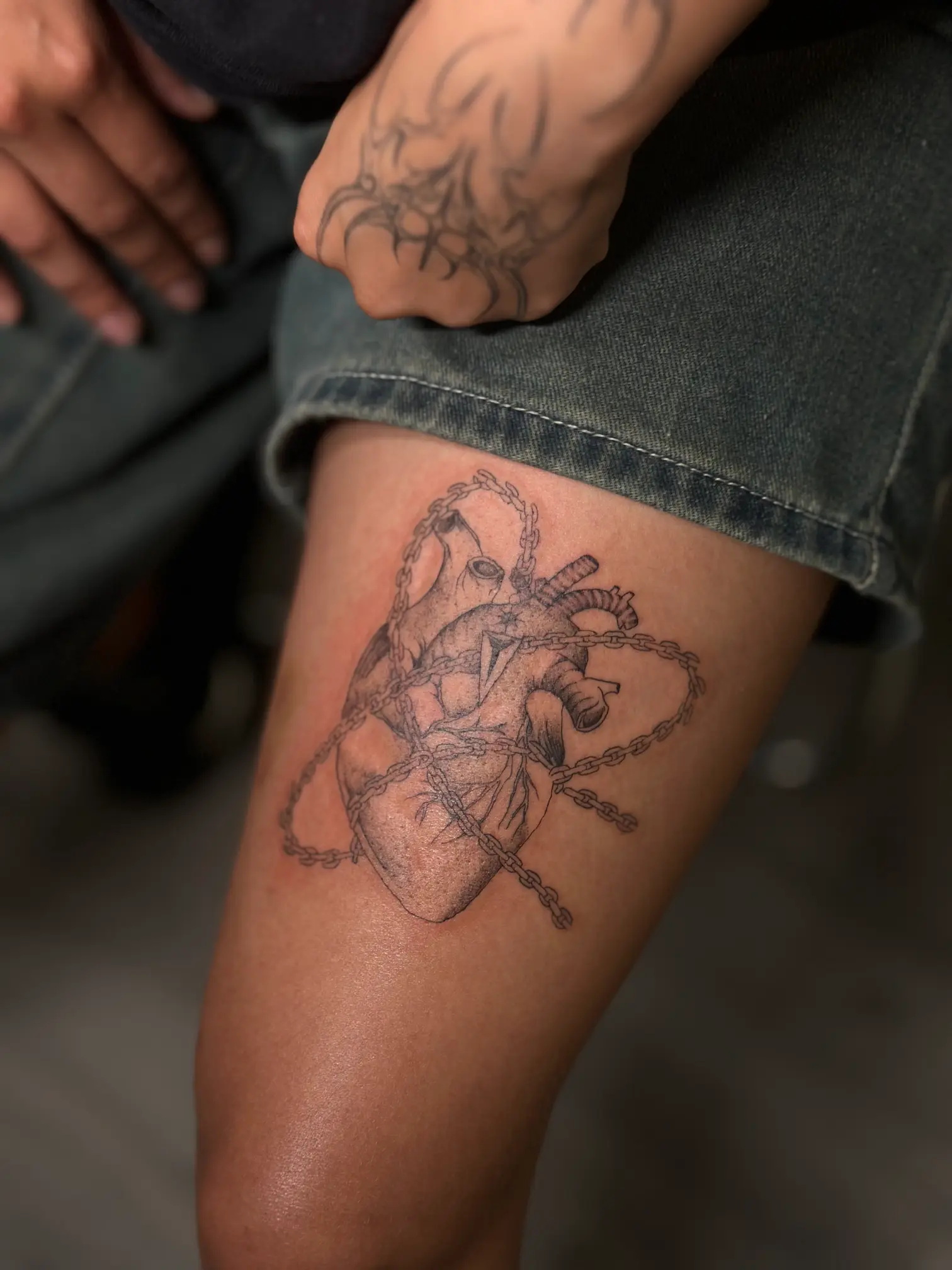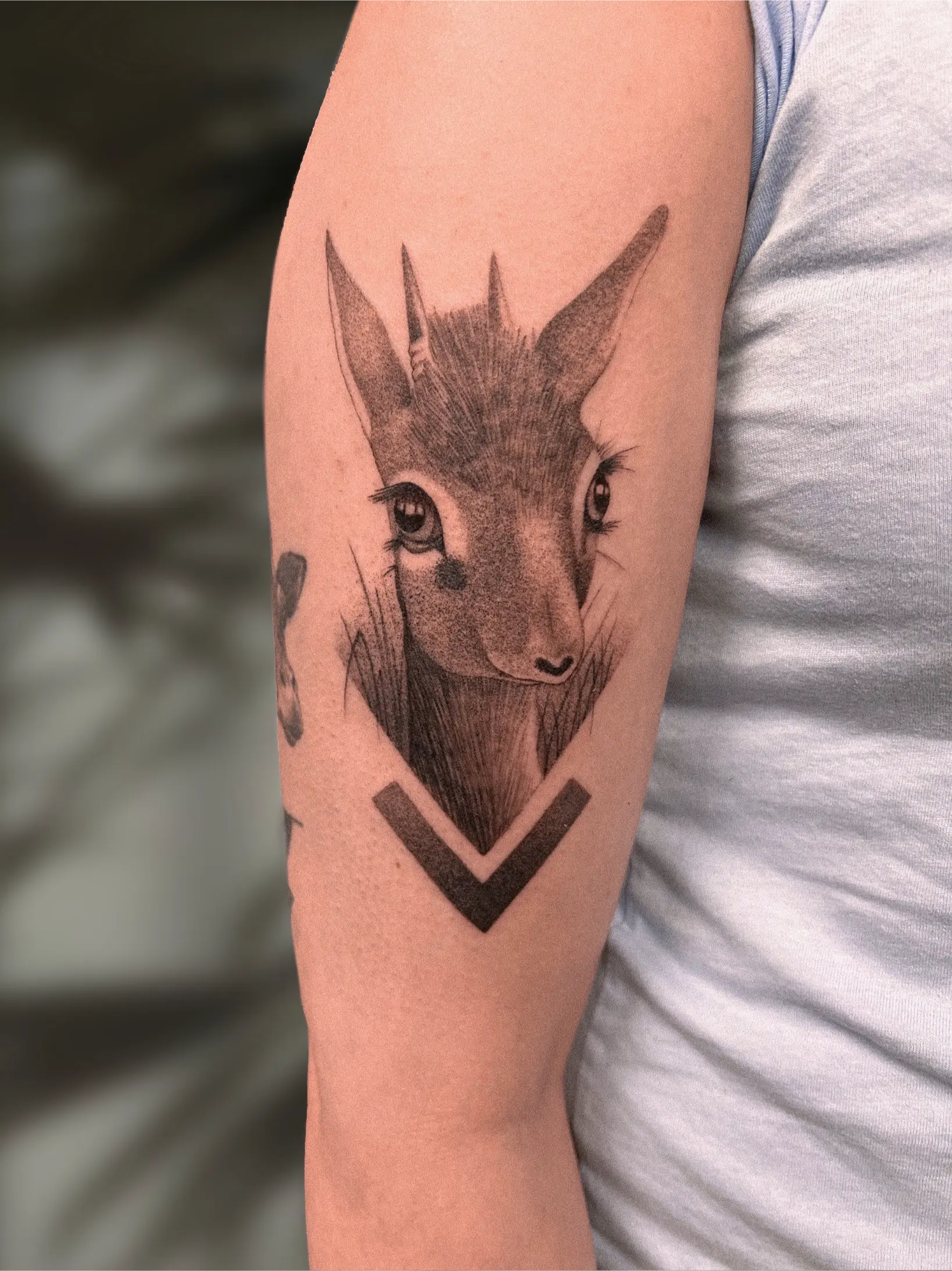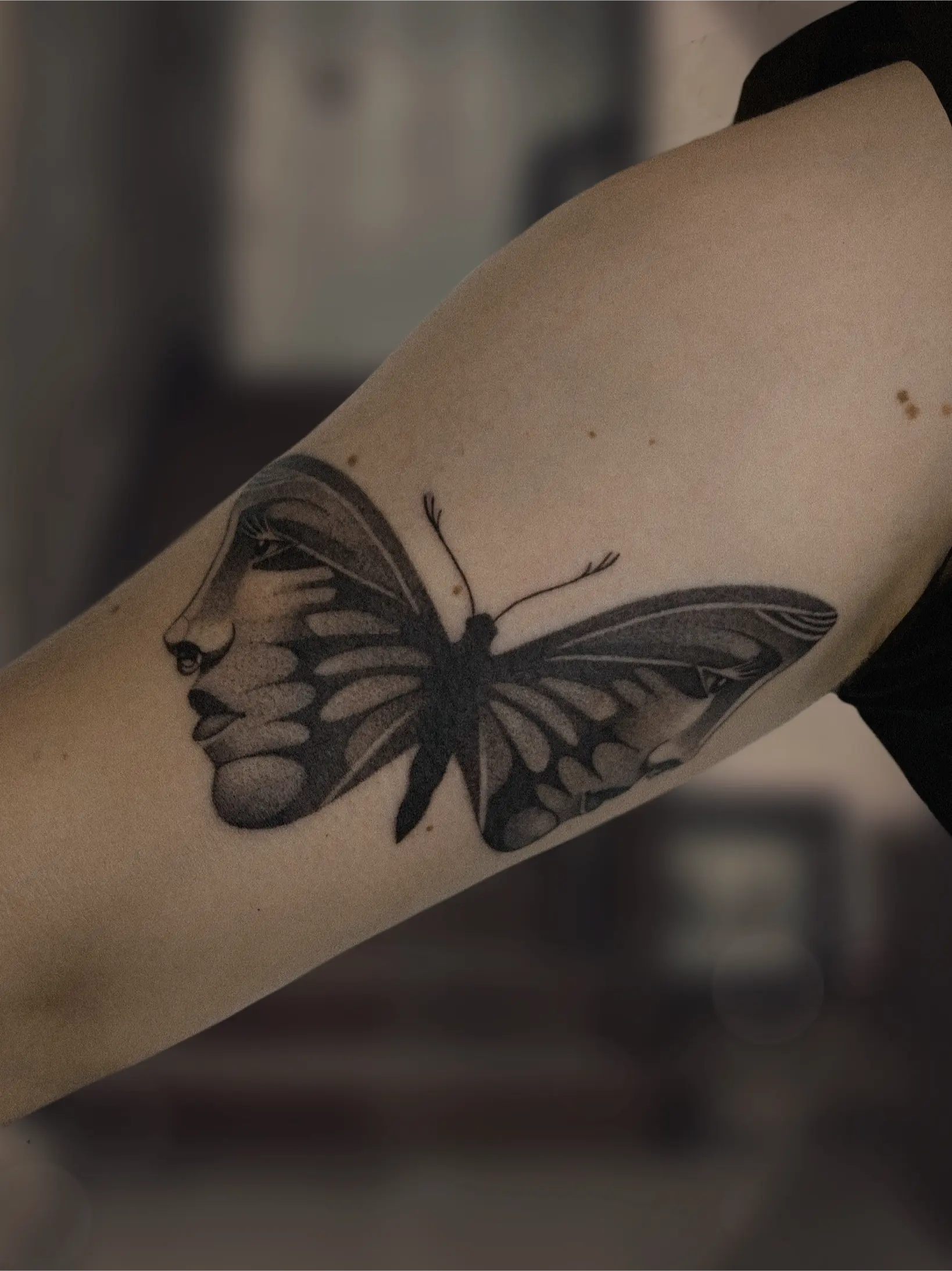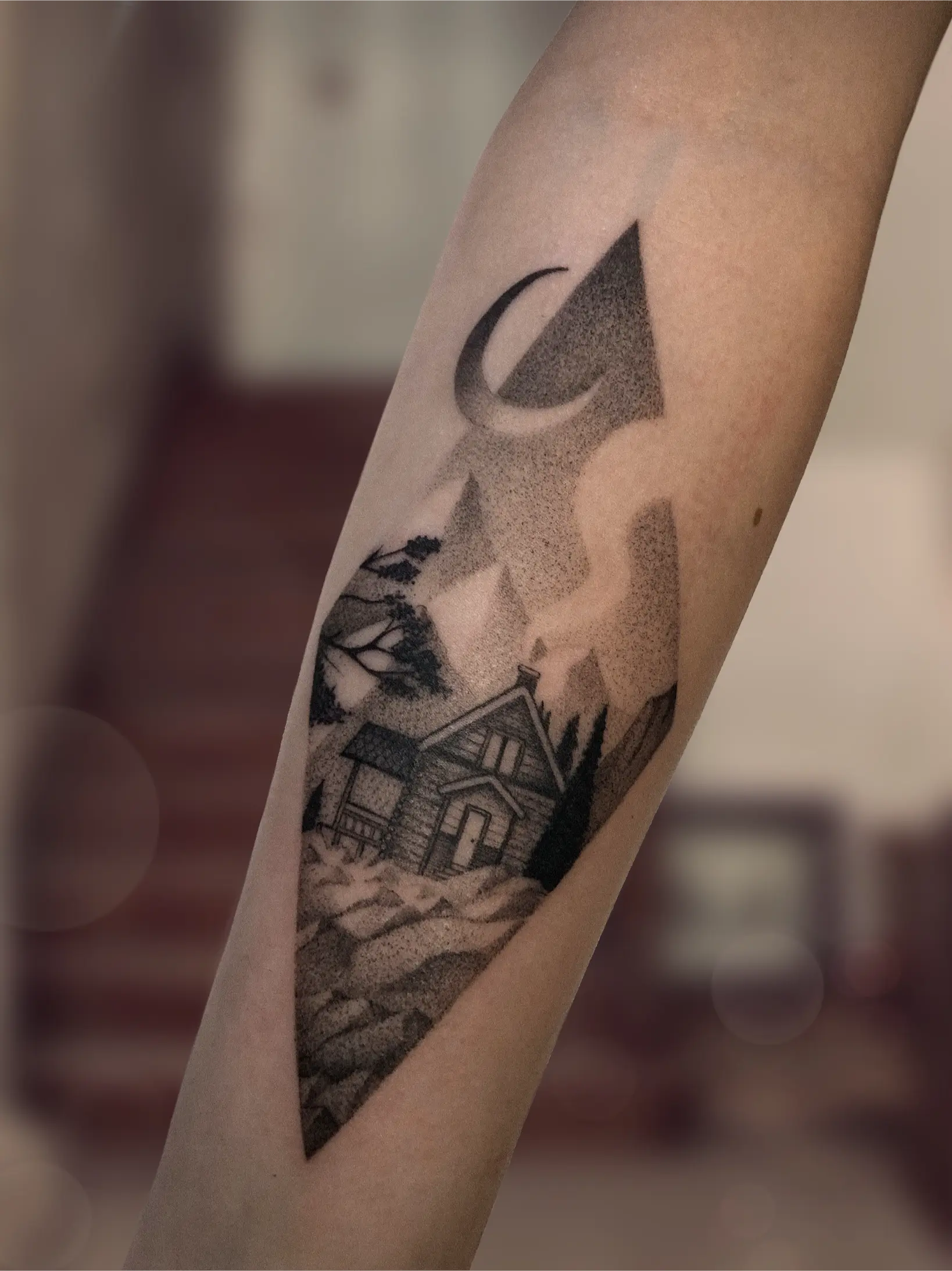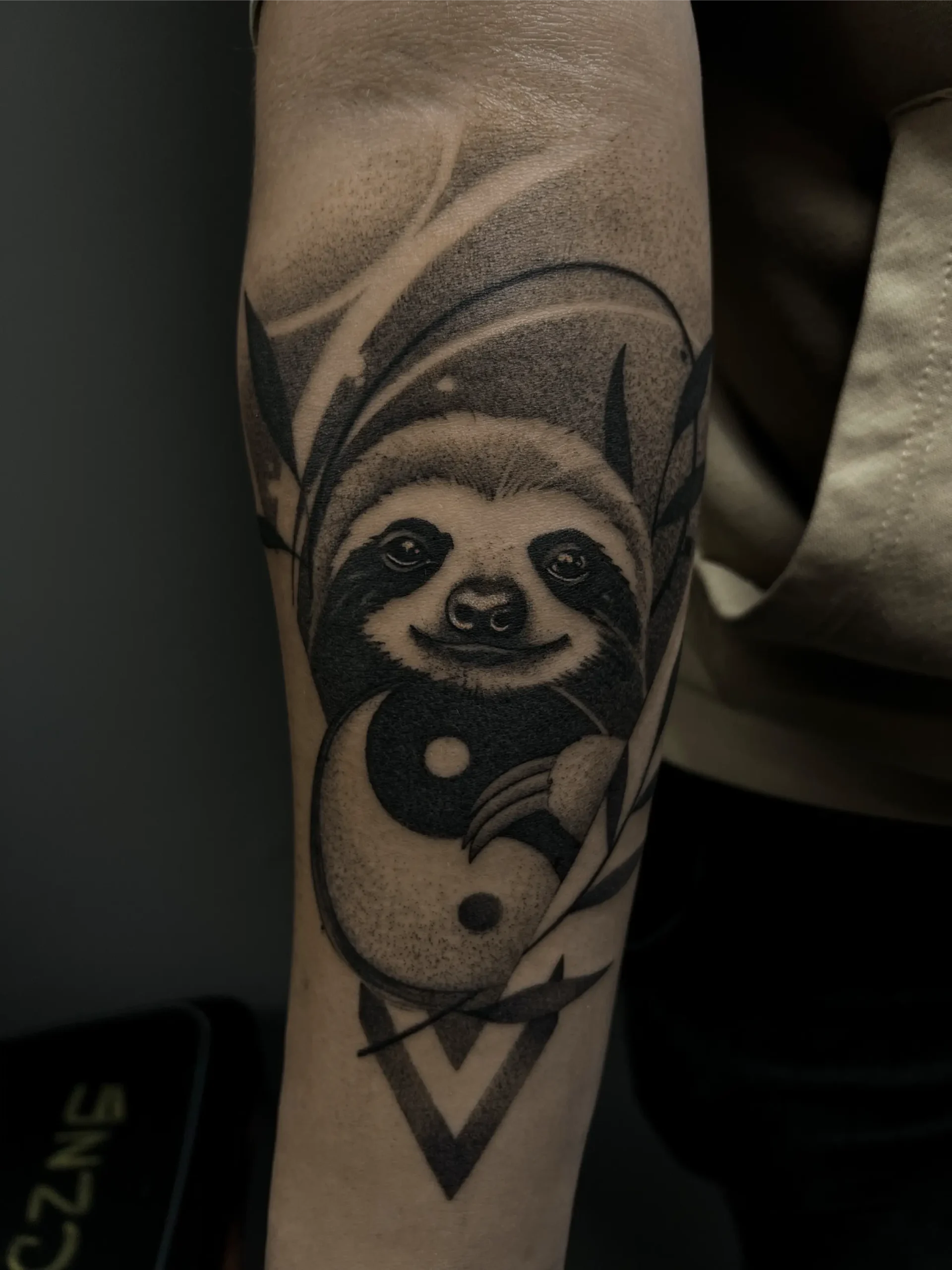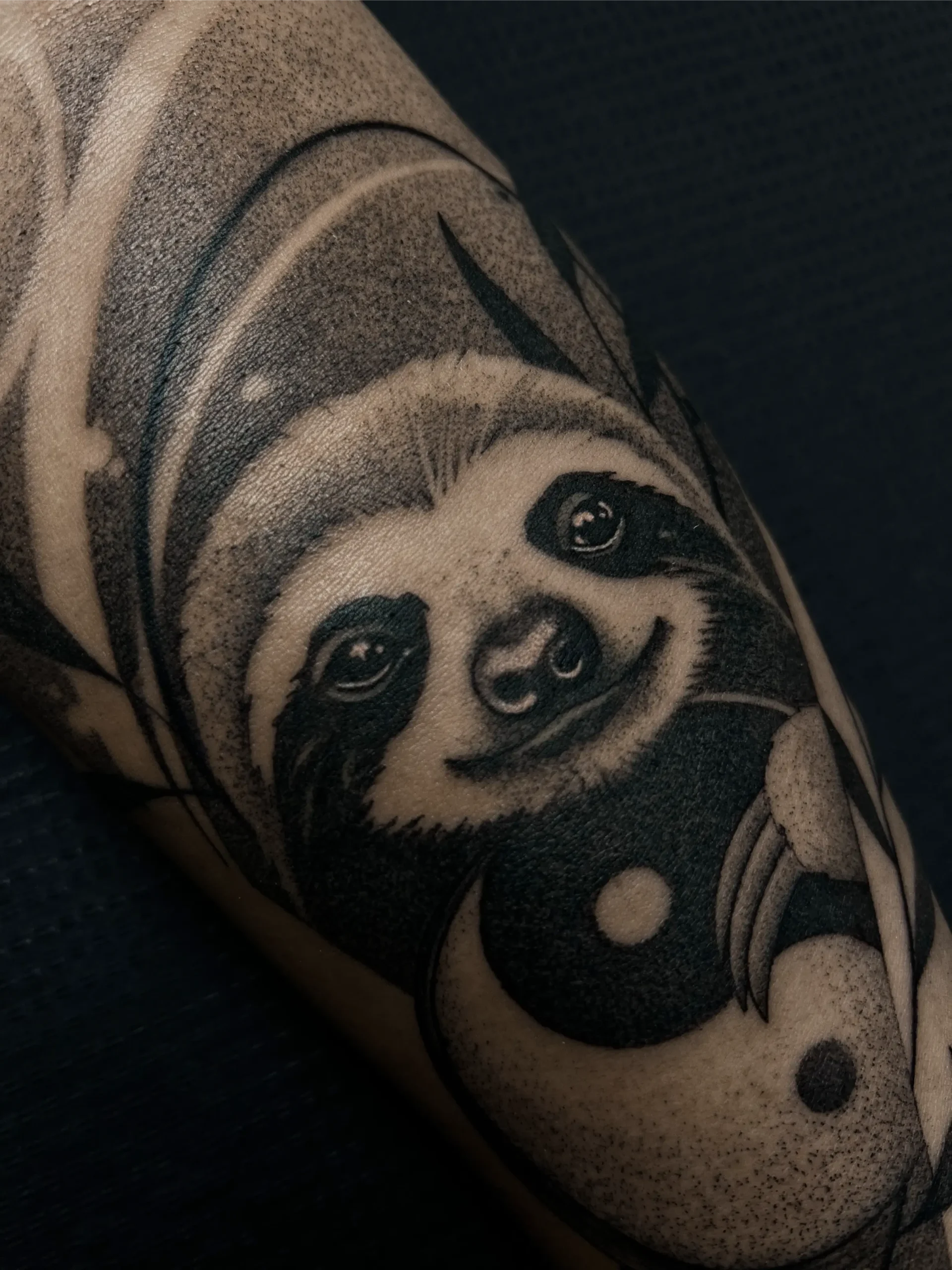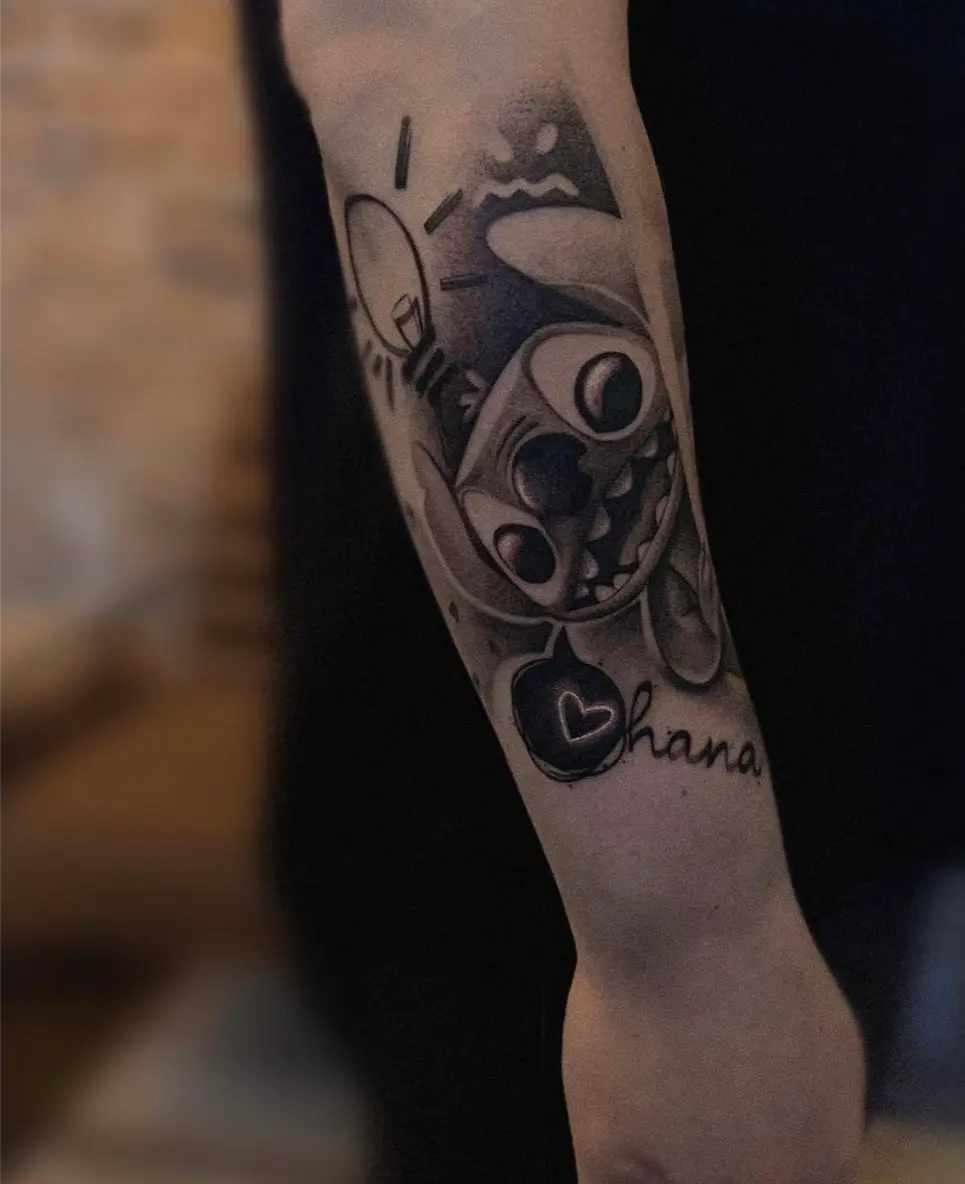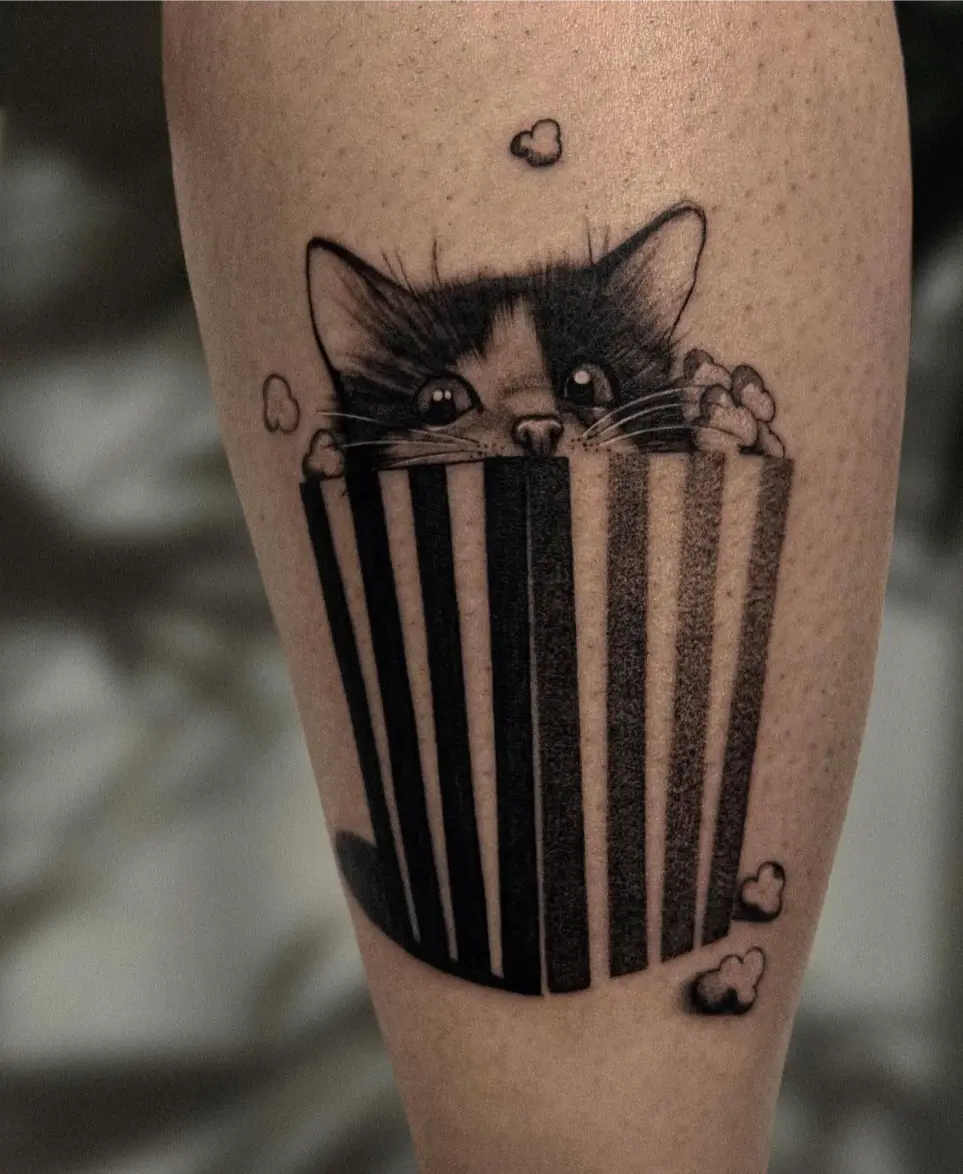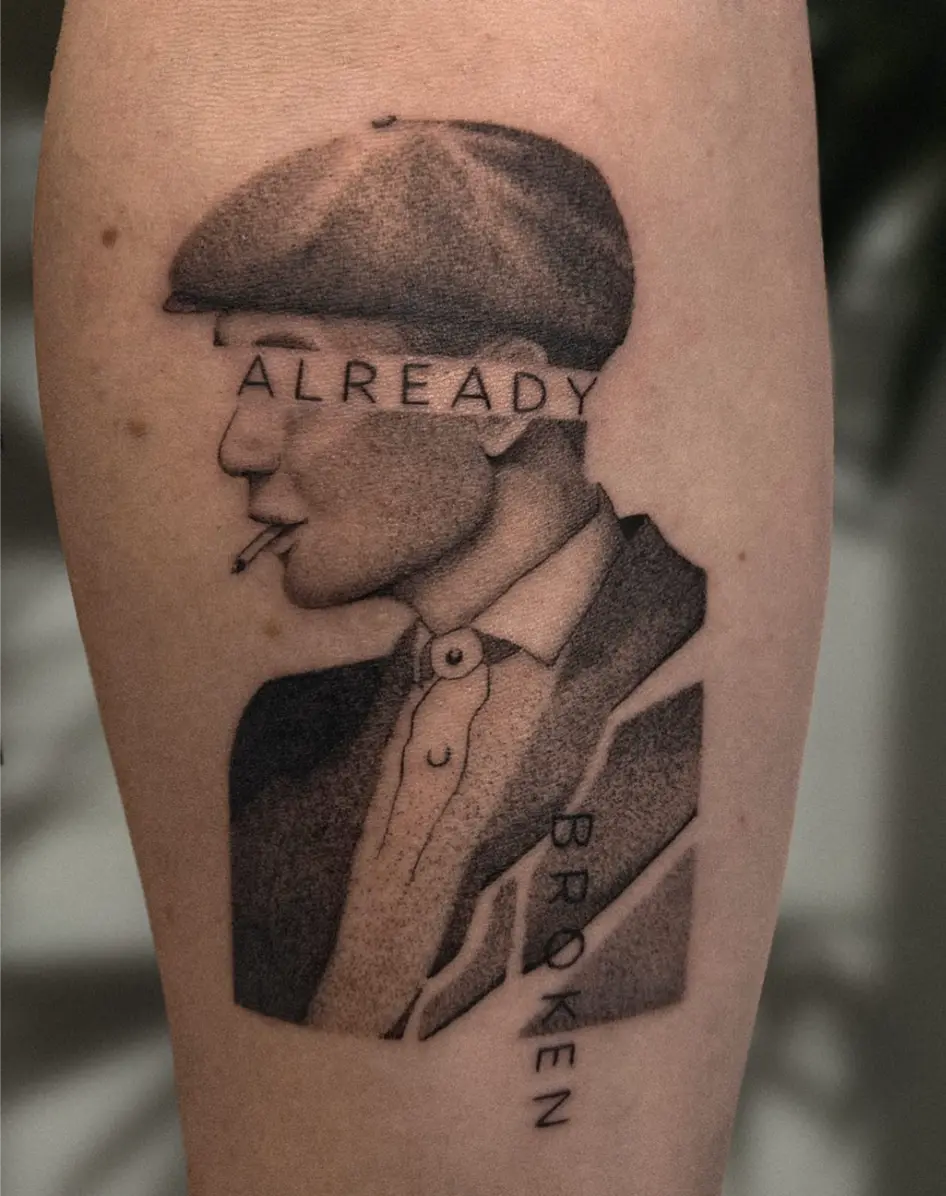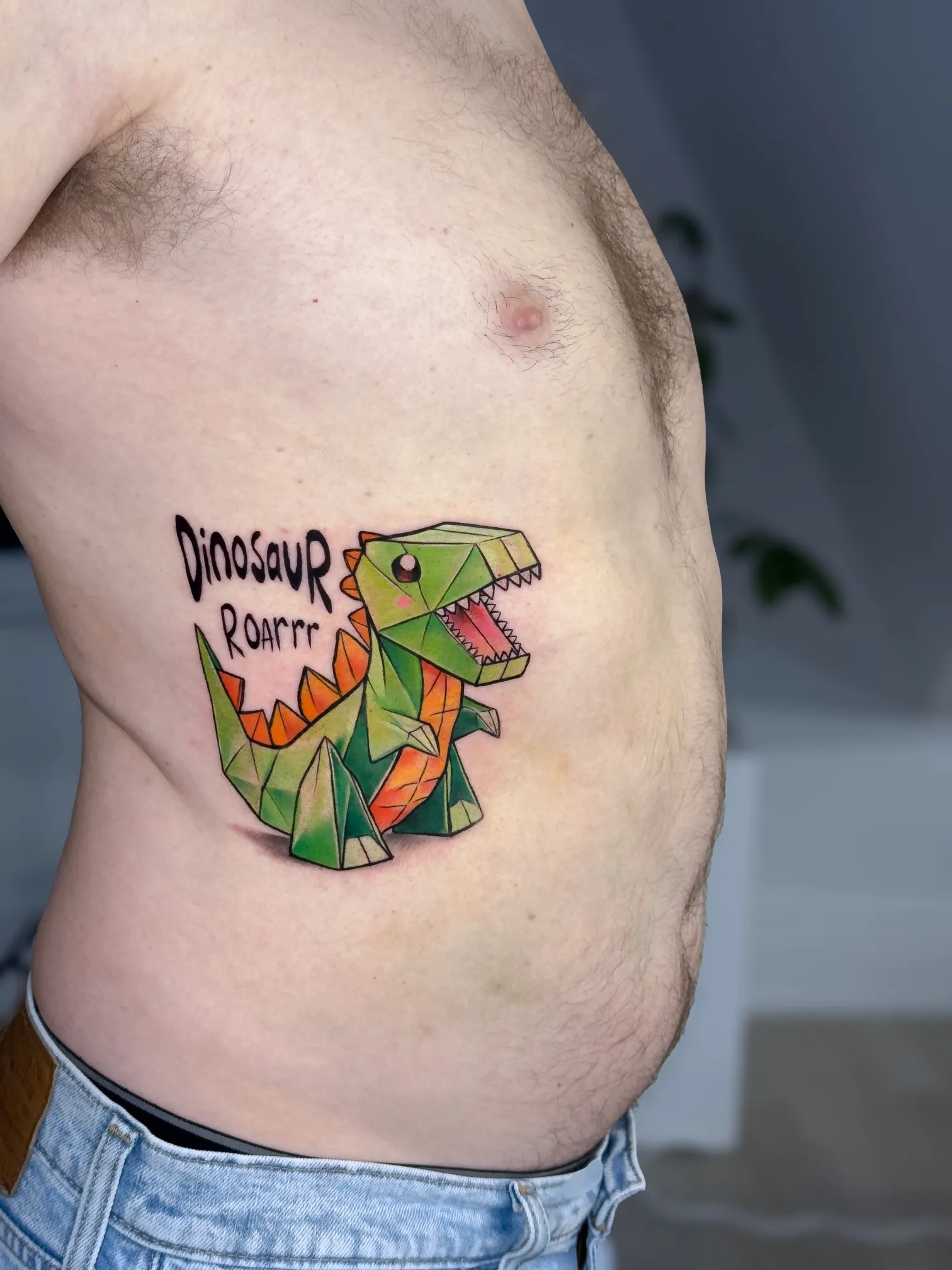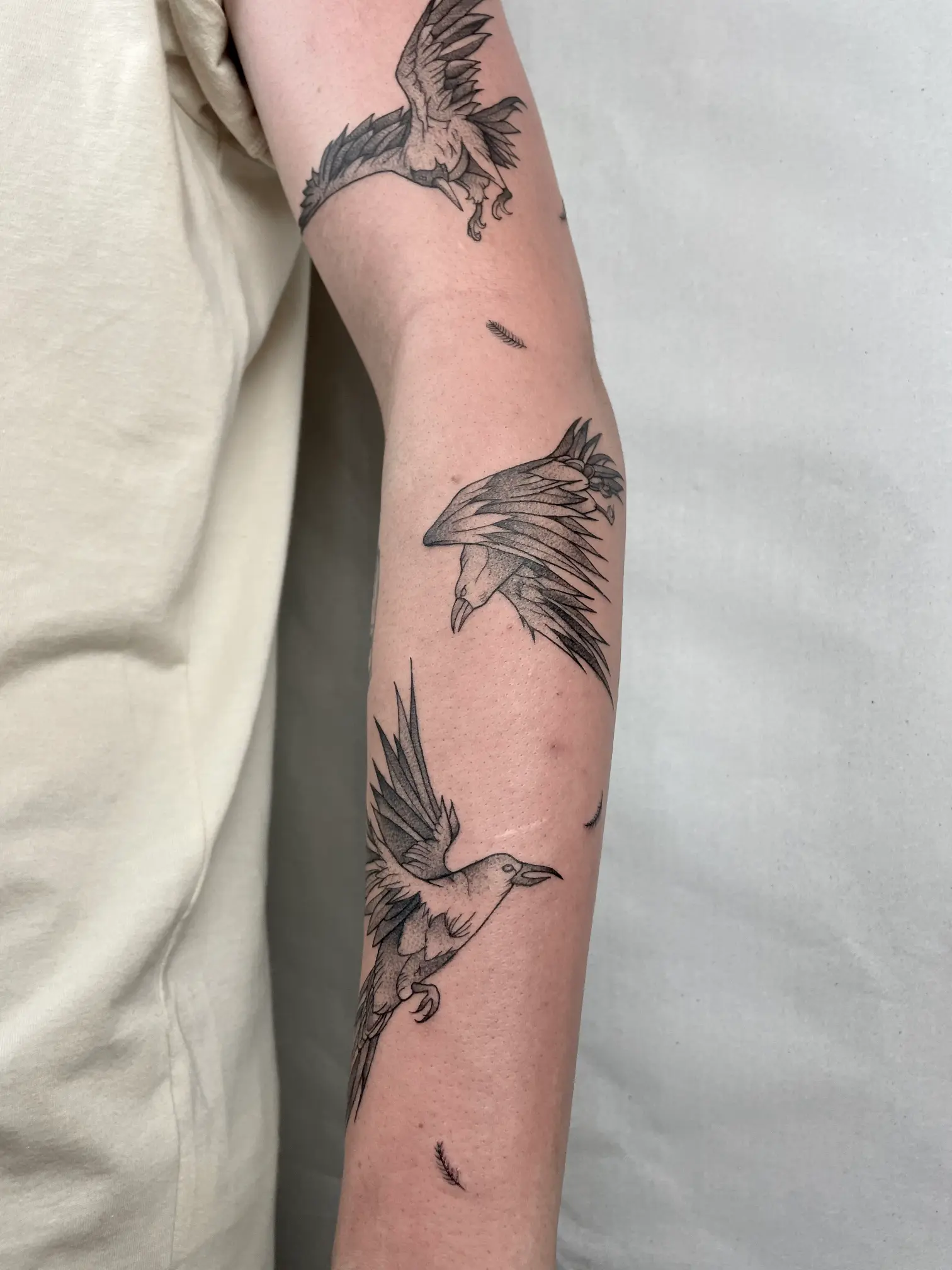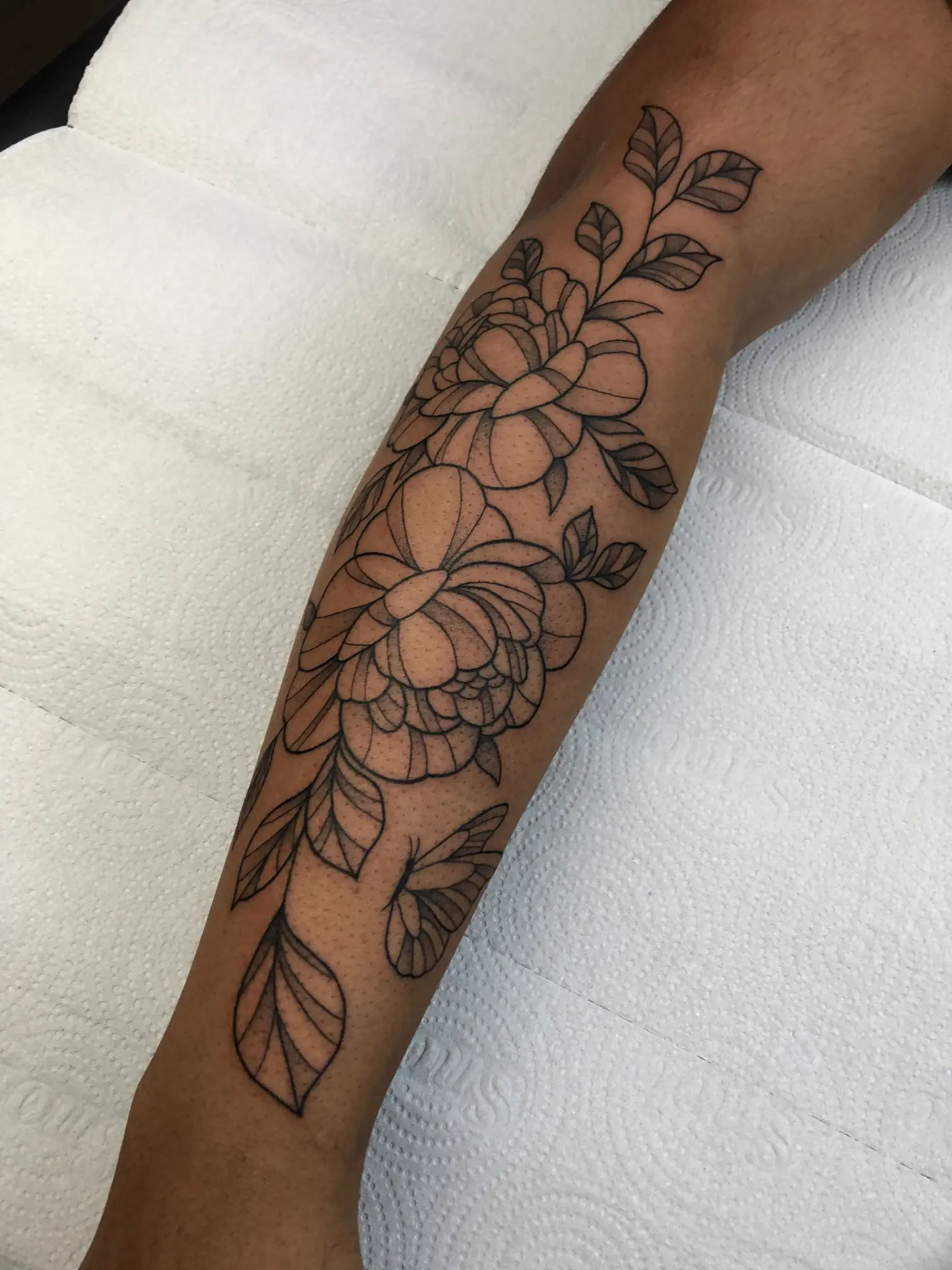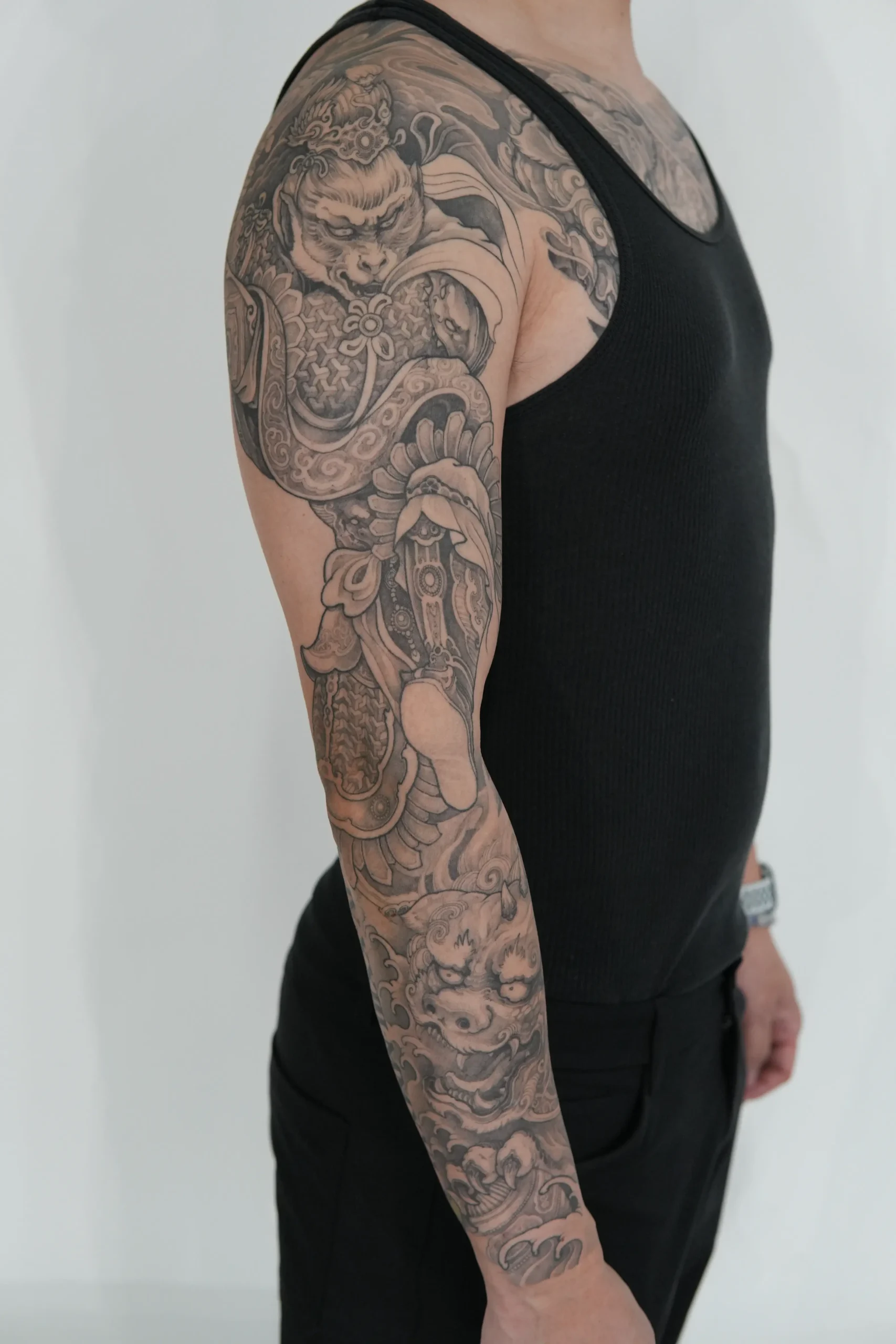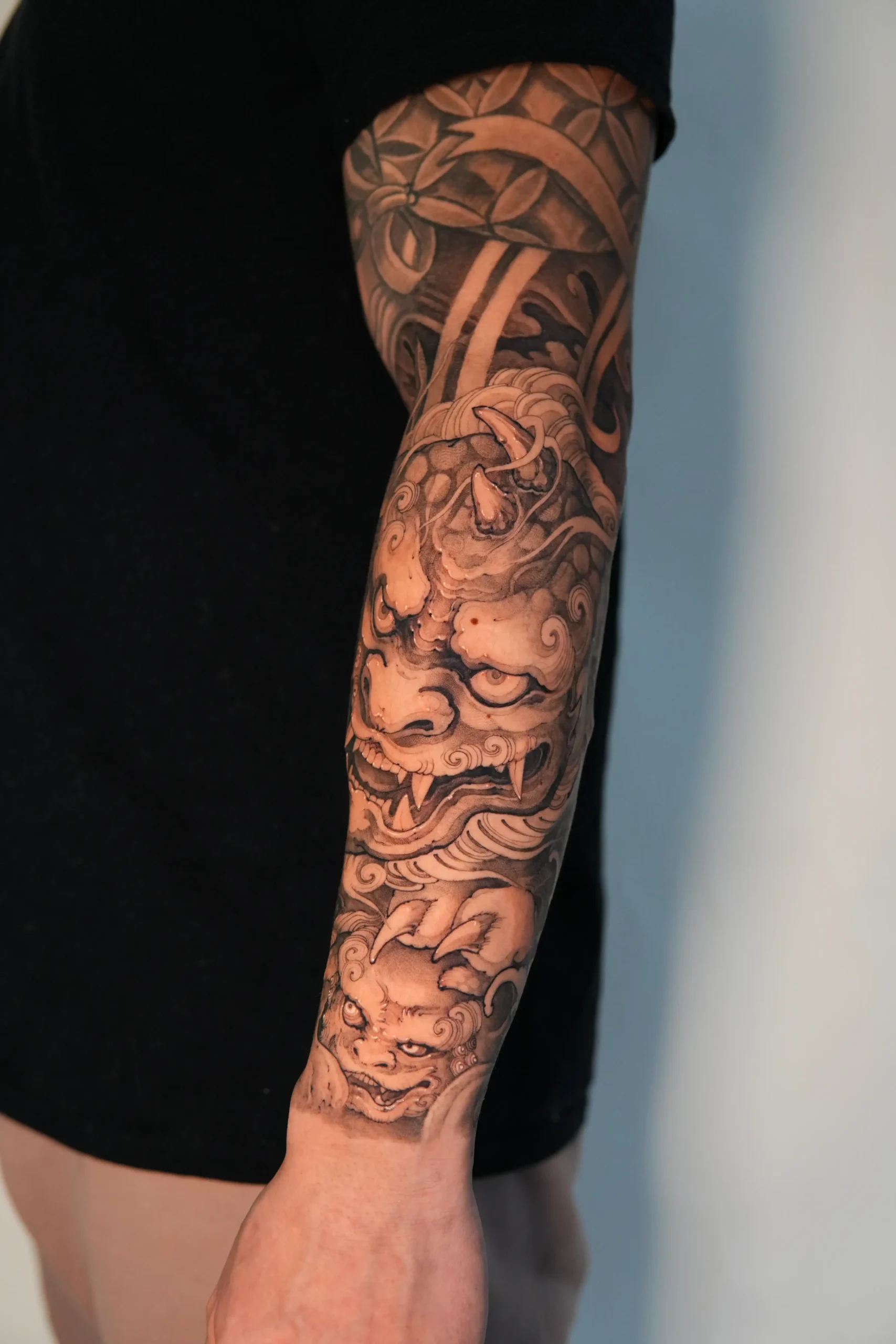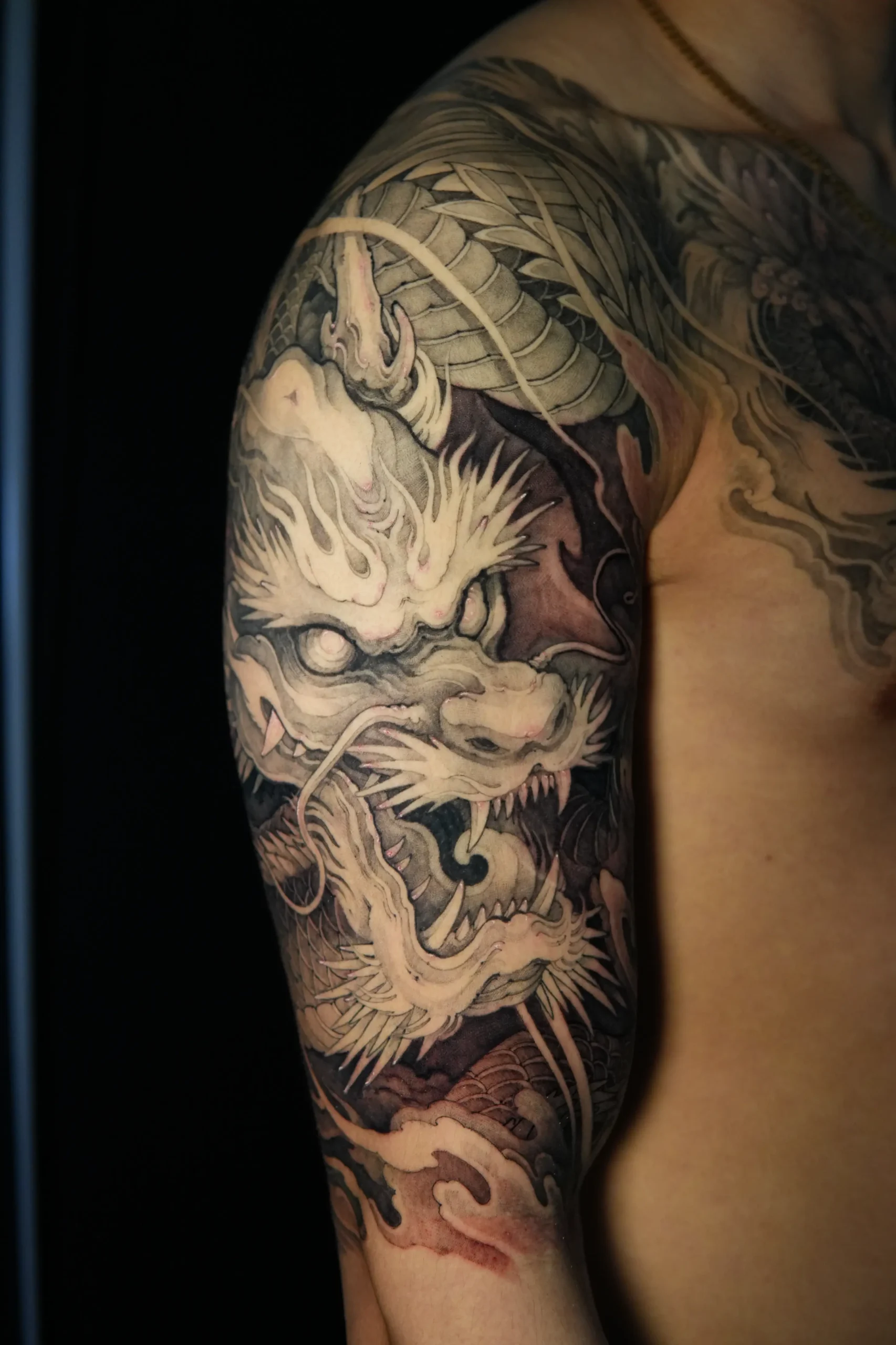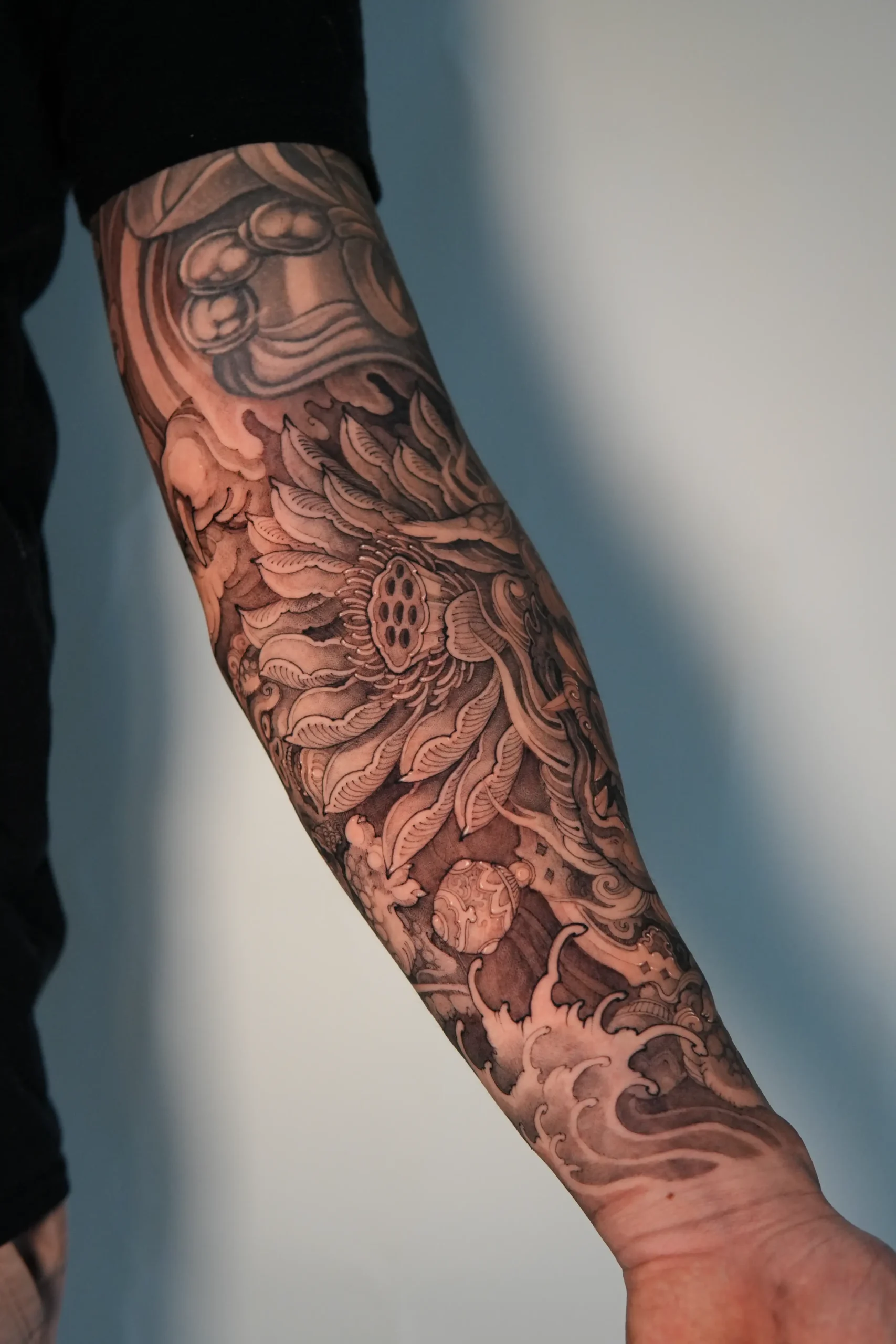

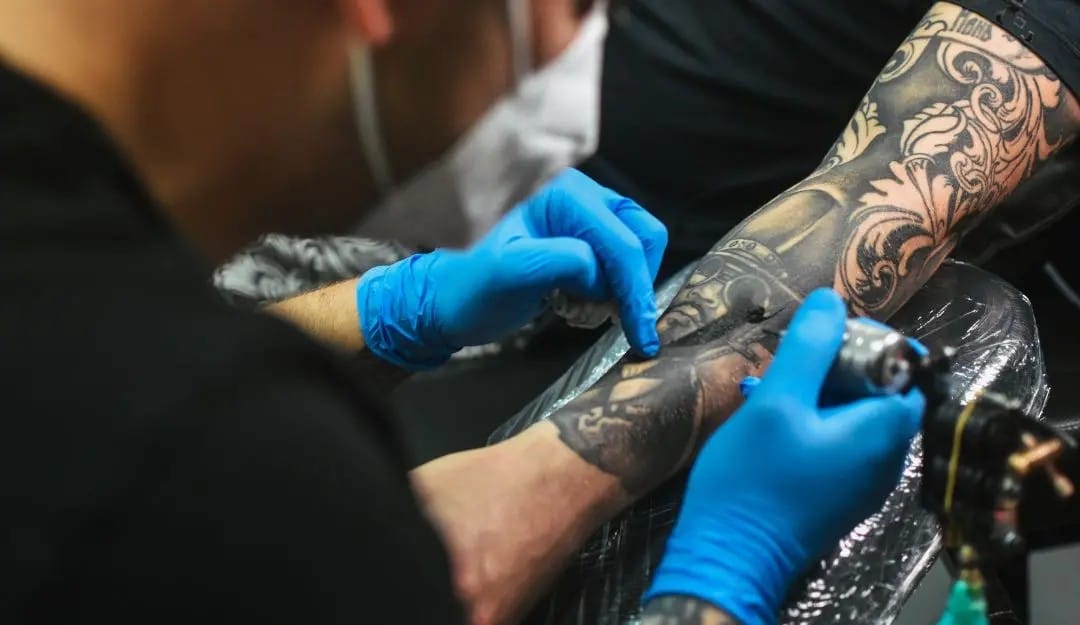
What was once dismissed as reckless body modification is now being examined through immunology, endocrinology, neuroscience, and vaccine research. Every time a tattoo needle punctures the skin, the body launches a sophisticated biological response. Ink acts as a controlled stressor that forces your physiology to adapt and strengthen. The health benefits of tattoos that emerge from this process are backed by peer-reviewed research and span a surprisingly wide range of bodily systems. Here are the 7 most significant.
1. Strengthening the Immune System: The Inoculation Effect
One of the most fascinating reasons to get a tattoo, from a biological standpoint, is what it does to your immune system over time. A landmark study published in the American Journal of Human Biology examined immunoglobulin A (IgA) levels in individuals before and after tattoo sessions. IgA is a critical antibody that serves as the body’s first-line mucosal defense.
During a first session, the body treats ink pigment as an invader, triggering temporary immune suppression as white blood cells mobilize. IgA levels dip. For individuals with multiple tattoos, this response flips: repeated sessions produce elevated IgA levels, meaning the immune system learns to respond with efficiency rather than alarm.
Each subsequent session conditions the immune system to react with precision. Tattooing functions similarly to an inoculation effect, a controlled, repeated stressor that ultimately produces a more resilient immune profile. Does having tattoos affect your body? According to immunology, yes, and frequently in your favour.
2. Significant Stress Reduction via Cortisol Regulation
Among the rarely discussed pros of tattoos is their measurable effect on cortisol, the body’s primary stress hormone. During a session, cortisol initially spikes as the body registers physical stress. With repeated exposure, a meaningful adaptation occurs: the cortisol response becomes dampened and more controlled.
Chronically elevated cortisol contributes to hypertension, metabolic dysfunction, cognitive impairment, and immune suppression. The adaptation triggered by tattooing reduces cortisol reactivity and carries a cascade of downstream benefits.
| Feature | Low Cortisol (Adaptation) | High Cortisol (Chronic Stress) |
| Blood Pressure | Stabilised / Normal | Elevated (Hypertension) |
| Memory & Focus | Improved / Clear | Inhibited (Brain Fog) |
| Weight Management | Easier to maintain | Increased abdominal fat |
| Immune Strength | Robust response | Suppressed response |
Does getting a tattoo relieve stress? The science points to yes, not merely through the psychological ritual of the experience, but through a measurable hormonal recalibration. The post-session calm that clients consistently describe is biochemical, not imagined.
3. Enhanced Physical Recovery and Athletic Gains
When cortisol stays chronically elevated, the body shifts into a catabolic state where muscle tissue breaks down rather than builds. By conditioning the body to regulate cortisol more efficiently, tattooing may support an anabolic environment that favours tissue repair, muscle growth, and physical recovery.
Why Athletes Choose Ink:
- Faster Muscle Repair: Lower cortisol levels allow tissues to regenerate more quickly after training, shortening recovery windows.
- Reduction in Inflammation: Systematic adaptation to tattooing helps the body manage localised inflammatory responses, valuable for athletes navigating repetitive-use injuries.
- Increased Pain Tolerance: Repeated sessions condition the nervous system. Experienced tattoo recipients demonstrate measurably higher pain thresholds, which translates into mental toughness during demanding training.
The physiological adaptations tattooing promotes in cortisol regulation and nervous system conditioning offer a genuine biological advantage for those who train hard.

4. Psychological Healing and Mental Health Support
Perhaps the most deeply human aspect of tattooing is its role in psychological restoration. For many people, the experience is a form of narrative therapy: reclaiming ownership of a body marked by illness, loss, or trauma. Survivors of breast cancer who choose mastectomy tattoos, individuals who cover self-harm scars with meaningful artwork, and people who memorialise loved ones in permanent ink are all engaging in an intentional act of healing.
Research from Texas Tech University established a statistical link between tattooing and improved self-esteem, particularly among individuals who reported low body image before their first session. Deliberately choosing what is placed on one’s body appears to restore a sense of agency that trauma can erode.
What is the tattoo for mental health, practically speaking? It functions as a physical monument to survival, a mindfulness ritual that demands presence, and a social signal of identity. Researchers exploring whether tattoos are a healthy coping mechanism have found growing evidence that, when pursued thoughtfully, they genuinely can be. If you are considering this path, feel free to contact us and discuss your vision with an artist who understands the emotional weight a tattoo can carry.
5. Revolutionary Vaccine Delivery and Medical Innovation
The intersection of tattooing and medicine extends well beyond the metaphorical. Scientists are now exploring tattoo-based delivery systems as a more effective method of administering DNA vaccines, and the results from laboratory trials are striking.
Traditional intramuscular injections deliver vaccines into deep muscle tissue, where immune activation is slow and diffuse. The tattoo method introduces the therapeutic agent directly into the dermis, where the concentration of immune cells including Langerhans cells and dendritic cells is dramatically higher, producing a more robust immune response from the same dosage.
Key Benefits of Tattoo-Based Medical Delivery:
- 16 times more effective than traditional intramuscular injections at generating an immune response to DNA vaccines in laboratory conditions.
- Lower production costs for therapeutic vaccines targeting conditions such as HPV and certain cancers, making treatment more accessible.
- Safe delivery of multiple doses in a single session with less systemic disruption than repeated conventional injections.
Are there any health benefits to tattoos beyond the cosmetic? This line of medical research answers that question with remarkable clarity.
6. The Tattoo High: Endorphin and Adrenaline Release
Anyone who has spent time in a tattoo studio has witnessed it: the settled calm that takes over a client mid-session, the serenity that follows hours of discomfort. This is not stoicism. It is neuroscience. Why do tattoos feel good? The answer lies in a neurochemical sequence the body triggers in response to sustained, controlled pain.
Three key substances drive this response:
- Endorphins: The body’s natural opioids, released to modulate pain and induce euphoria. During longer sessions, endorphin levels can rival those from vigorous exercise, explaining why clients describe feeling deeply relaxed well before the session ends.
- Adrenaline (Epinephrine): Heightens alertness and focuses attention, making the early stages feel vivid and energising. Many clients describe a genuine buzz during the first portion of the appointment.
- Dopamine: Released upon completion, rewarding the brain for enduring the challenge and generating the near-immediate desire to plan the next piece.
This neurochemical loop is precisely why tattoos are therapy for many people: the session becomes a form of meditative, biochemically supported release.

7. Professional and Social Credibility in Creative Careers
The professional dimensions of tattooing have undergone a quiet transformation. Across Canada’s most dynamic industries, including digital marketing, fashion, architecture, and tech, visible tattoos are no longer a liability. For many professionals, they signal authentic self-expression and cultural alignment with forward-thinking organisations.
Studies on workplace perception in creative sectors consistently show that tattooed individuals are rated as more approachable, original, and memorable in networking environments. Rather than creating distance, tattoos often accelerate genuine connection by giving people an immediate, personal point of conversation.
The social bonding that tattoos facilitate is measurable too. Shared experiences around ink generate a form of social trust that deepens community ties. The benefits of tattoos, in this sense, extend outward into broader social life. You can explore various styles and find a design that speaks to who you are directly through our service.
Safety First: Protecting the Health Benefits You Gain
Every physiological benefit described above depends on one condition: the tattoo must be performed safely, using sterile equipment, in a professionally regulated environment. In Canada, tattoo studios are governed by provincial health regulations, and any reputable studio meets these standards without question.
Quick Checklist for a Healthy Tattoo:
- Verify certification: Look for a current Health Department inspection certificate. Reputable artists share their credentials openly.
- Confirm sterile equipment: Single-use needles, pre-packaged ink caps, and autoclave-sterilised tools are the baseline, not a bonus.
- Commit to aftercare: The healing phase is where most complications arise. Follow your artist’s instructions carefully and consult our aftercare guide for a full breakdown of what your skin needs.
Check the tattoo age requirements in your province before booking your session.
Tattoos Are More Than Skin Deep: What the Science Actually Shows
Tattoos are not merely art. They are a form of biological engagement that trains the immune system, regulates stress hormones, conditions the nervous system, supports psychological healing, and is now informing the future of vaccine delivery. A thoughtfully chosen tattoo is an investment in a more resilient self.
The health benefits of tattoos, understood through modern science, reframe what it means to get inked. It is not just about the art on the surface. It is about the biological resilience built underneath, session by session. Your skin is doing far more than holding pigment.