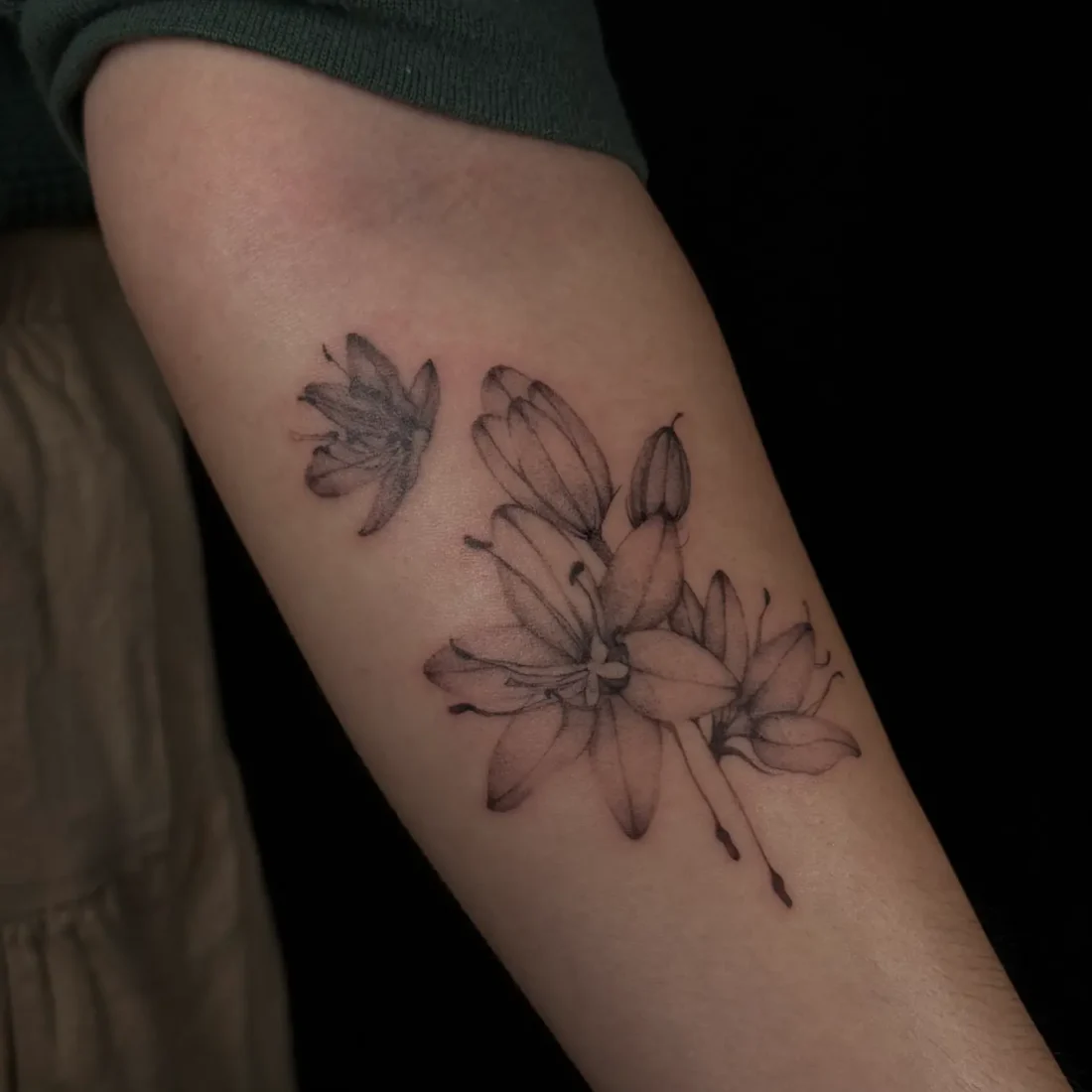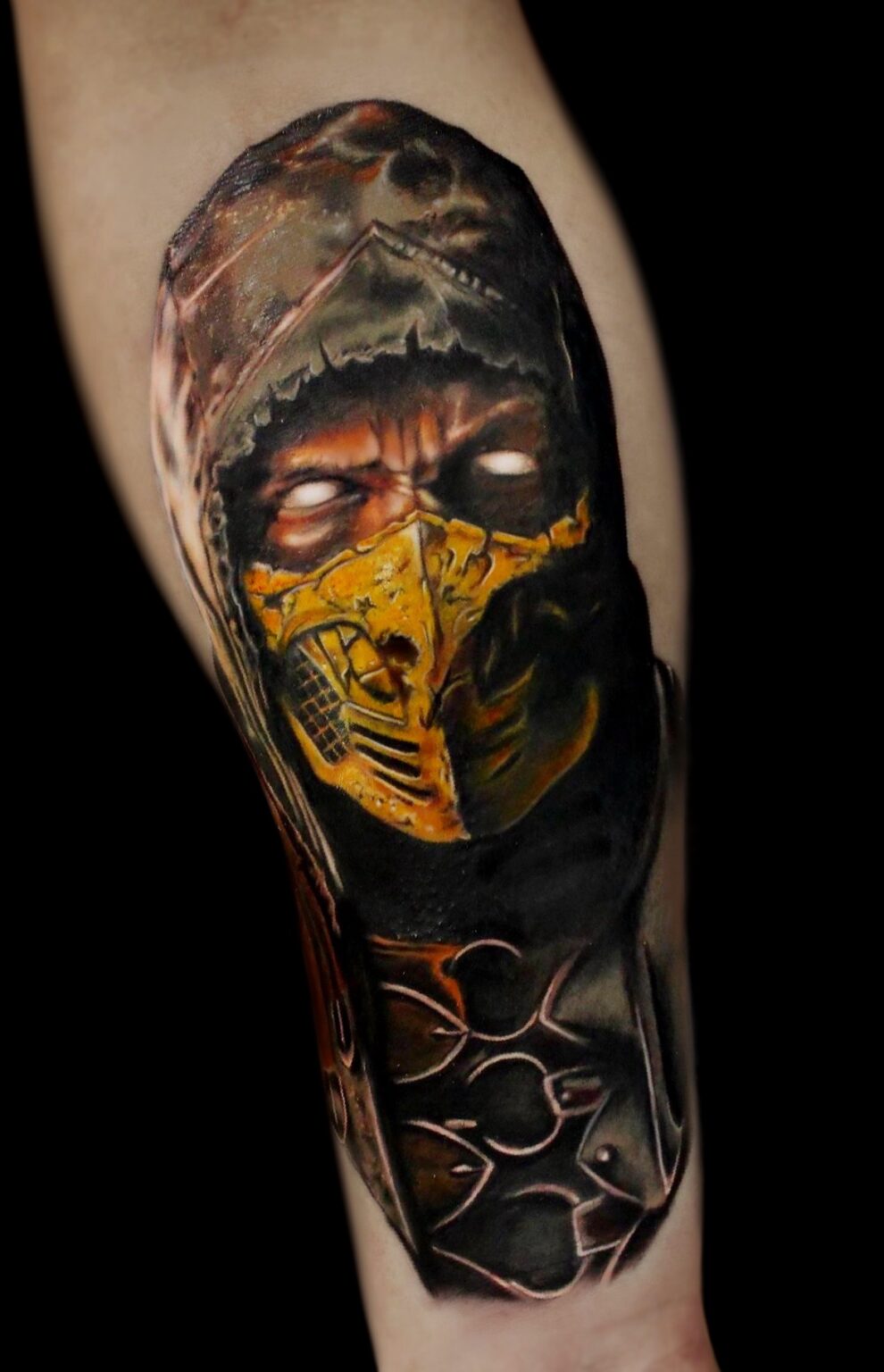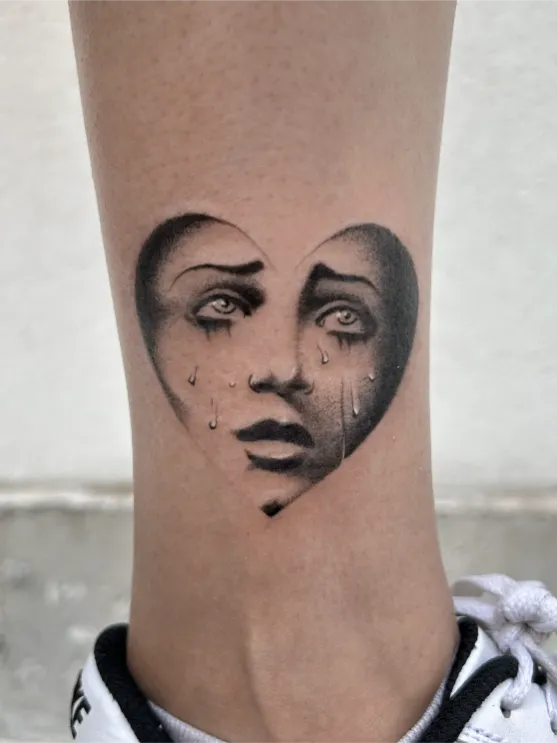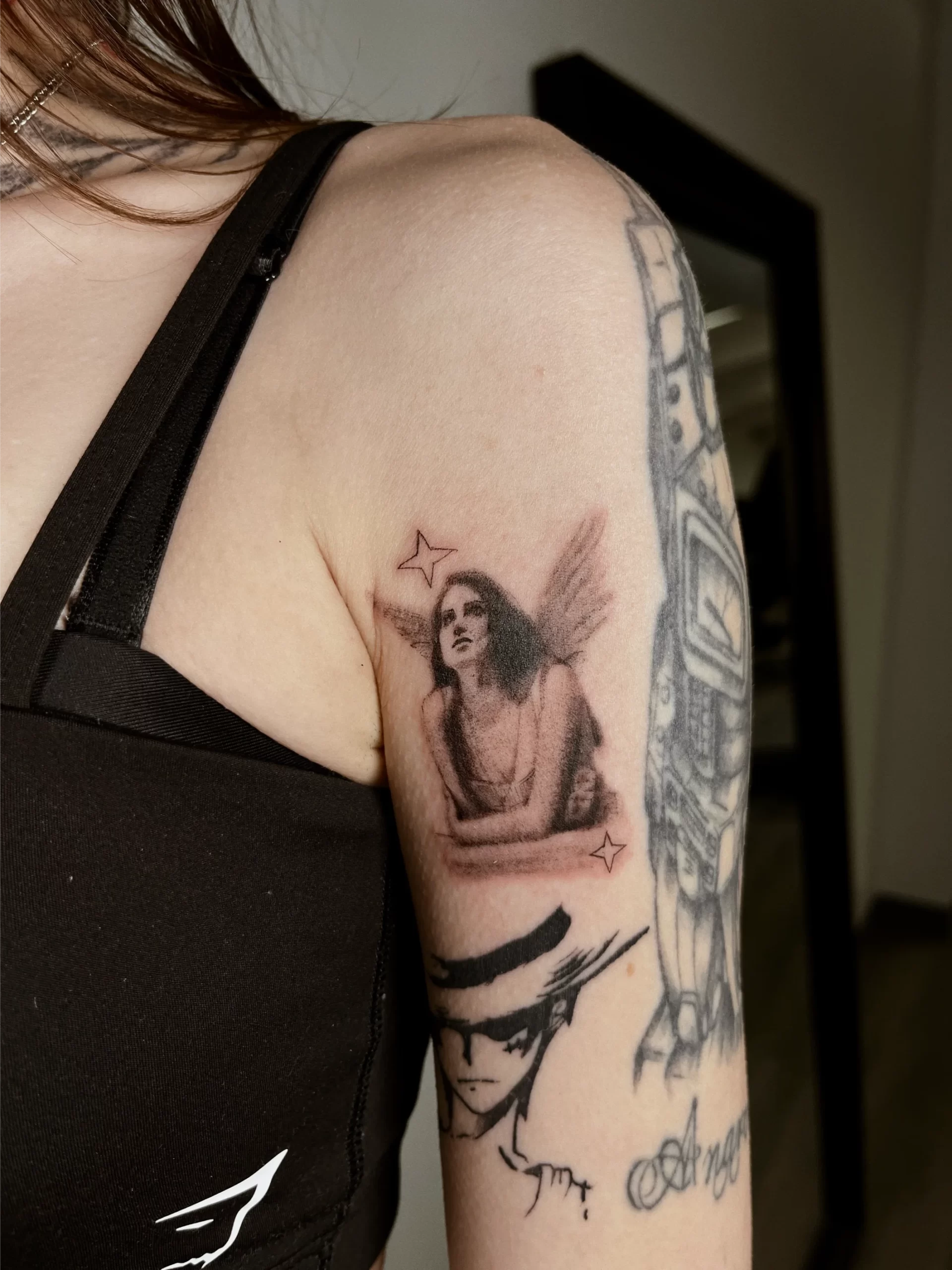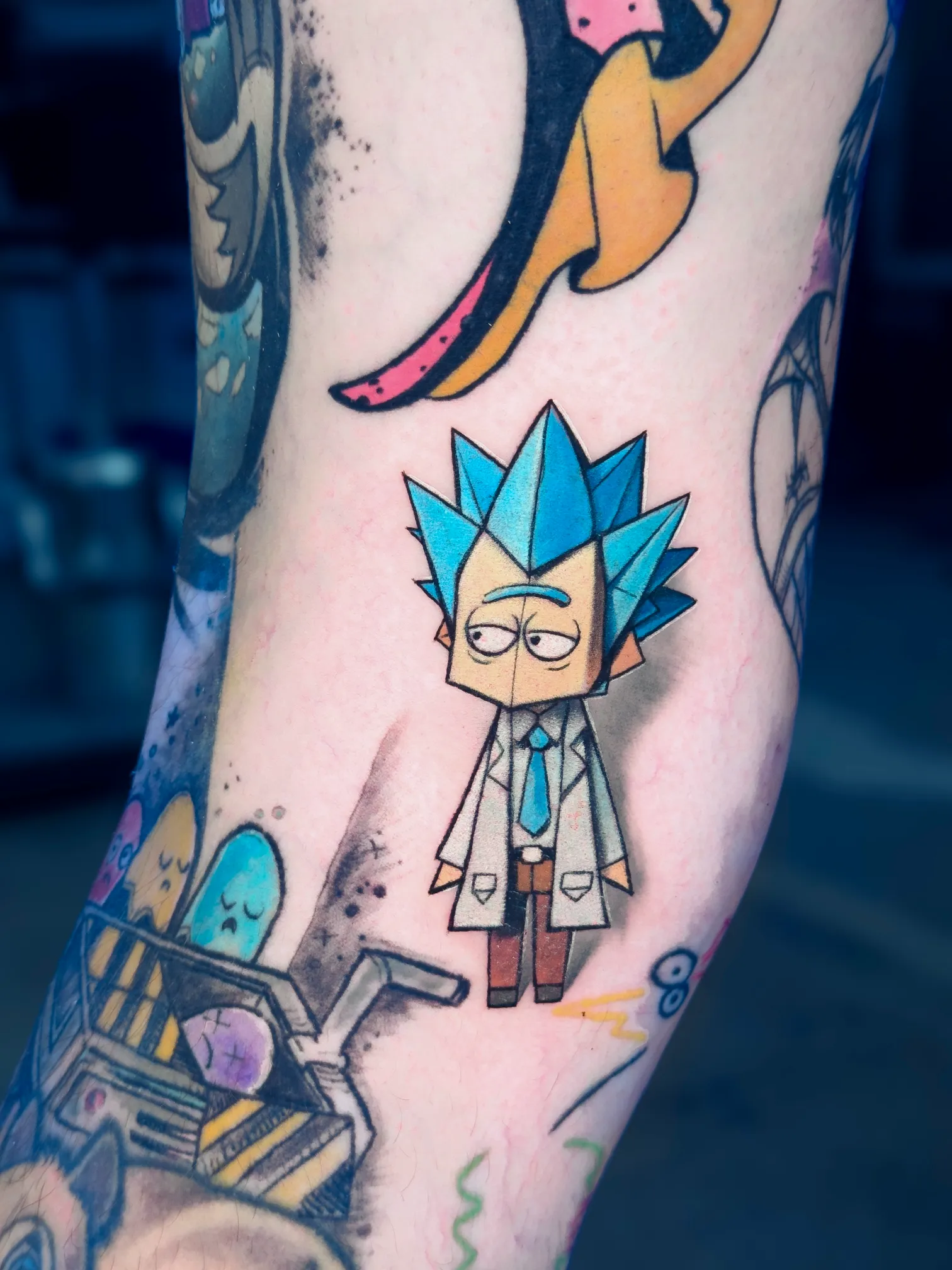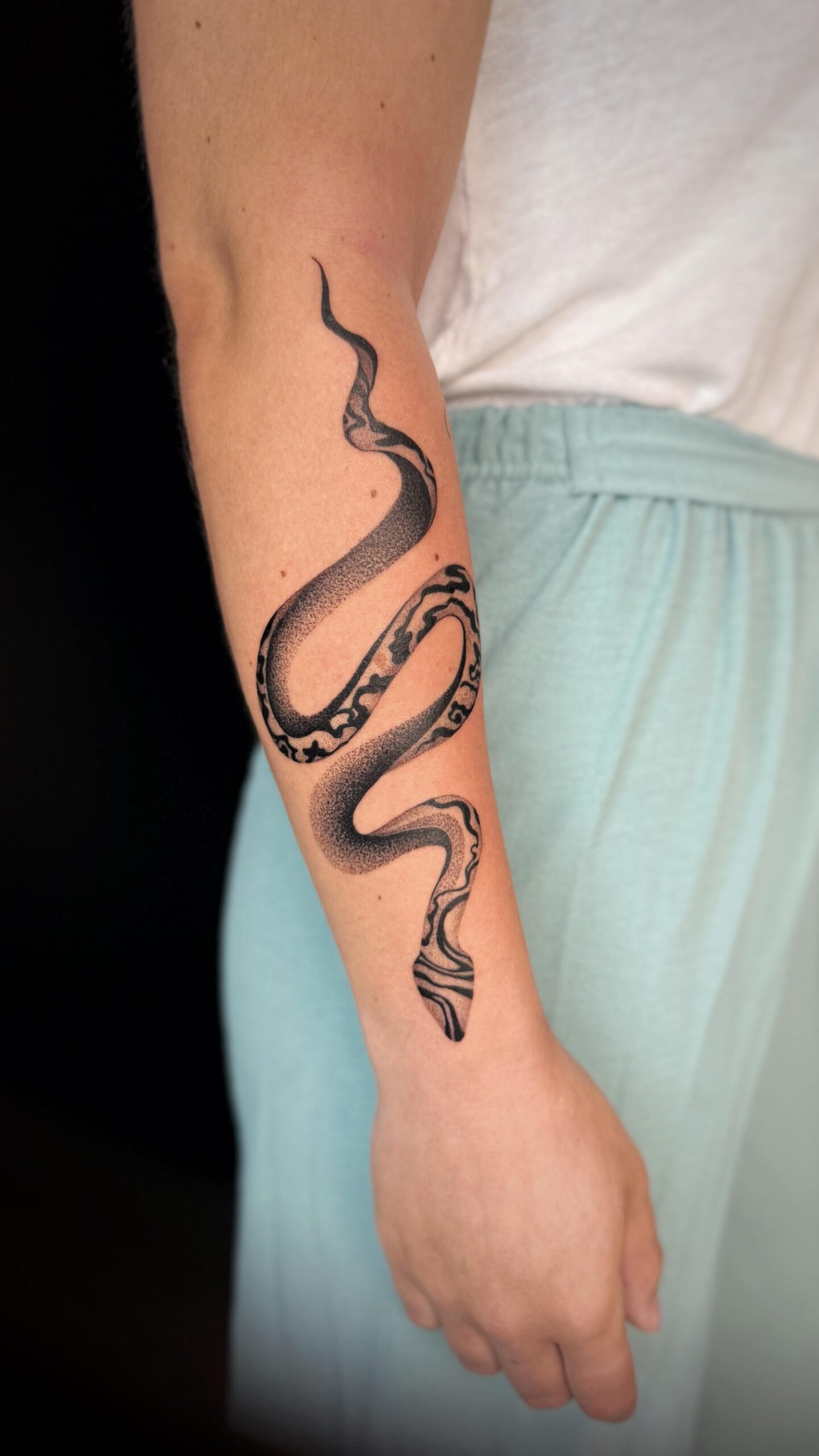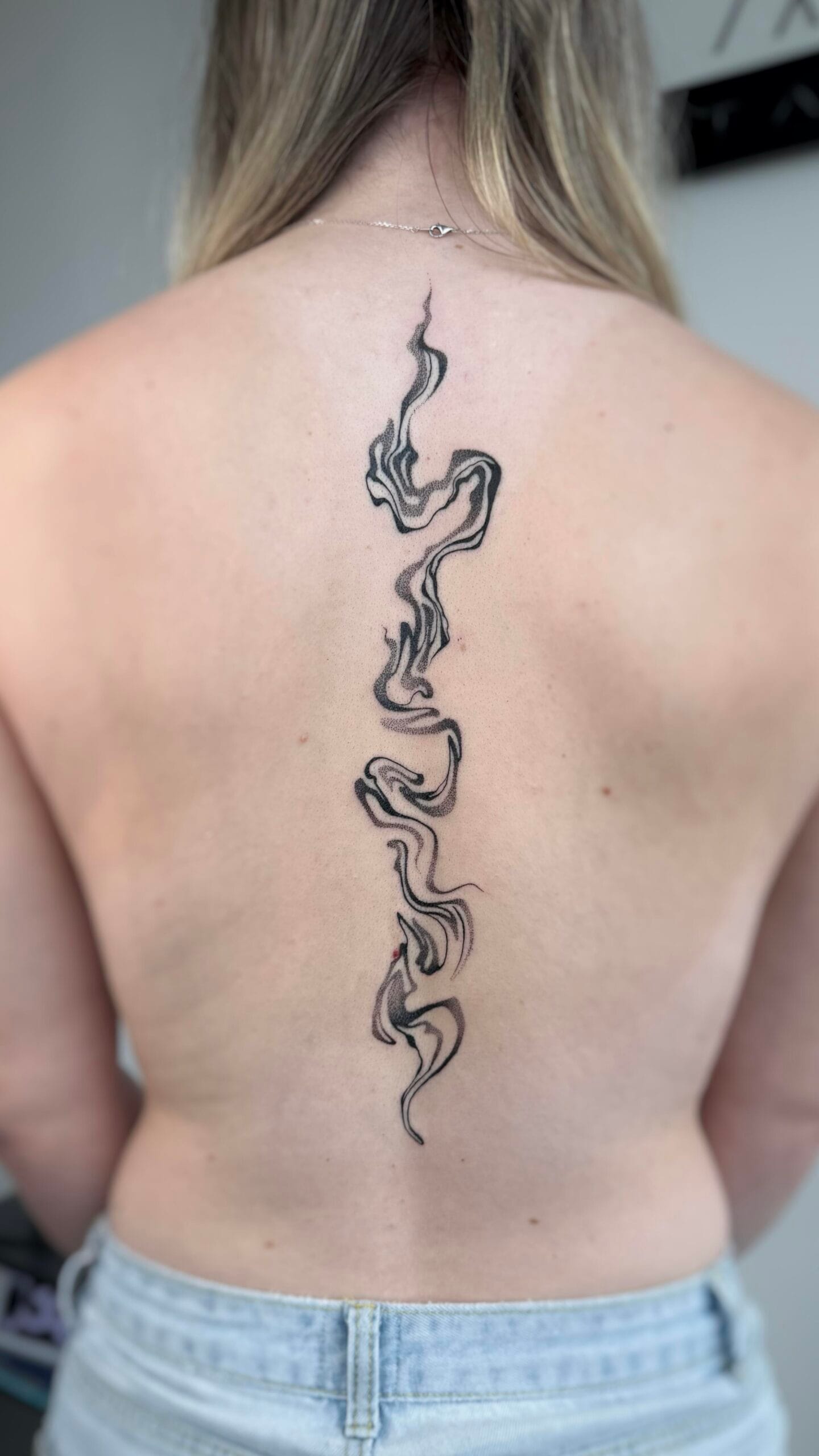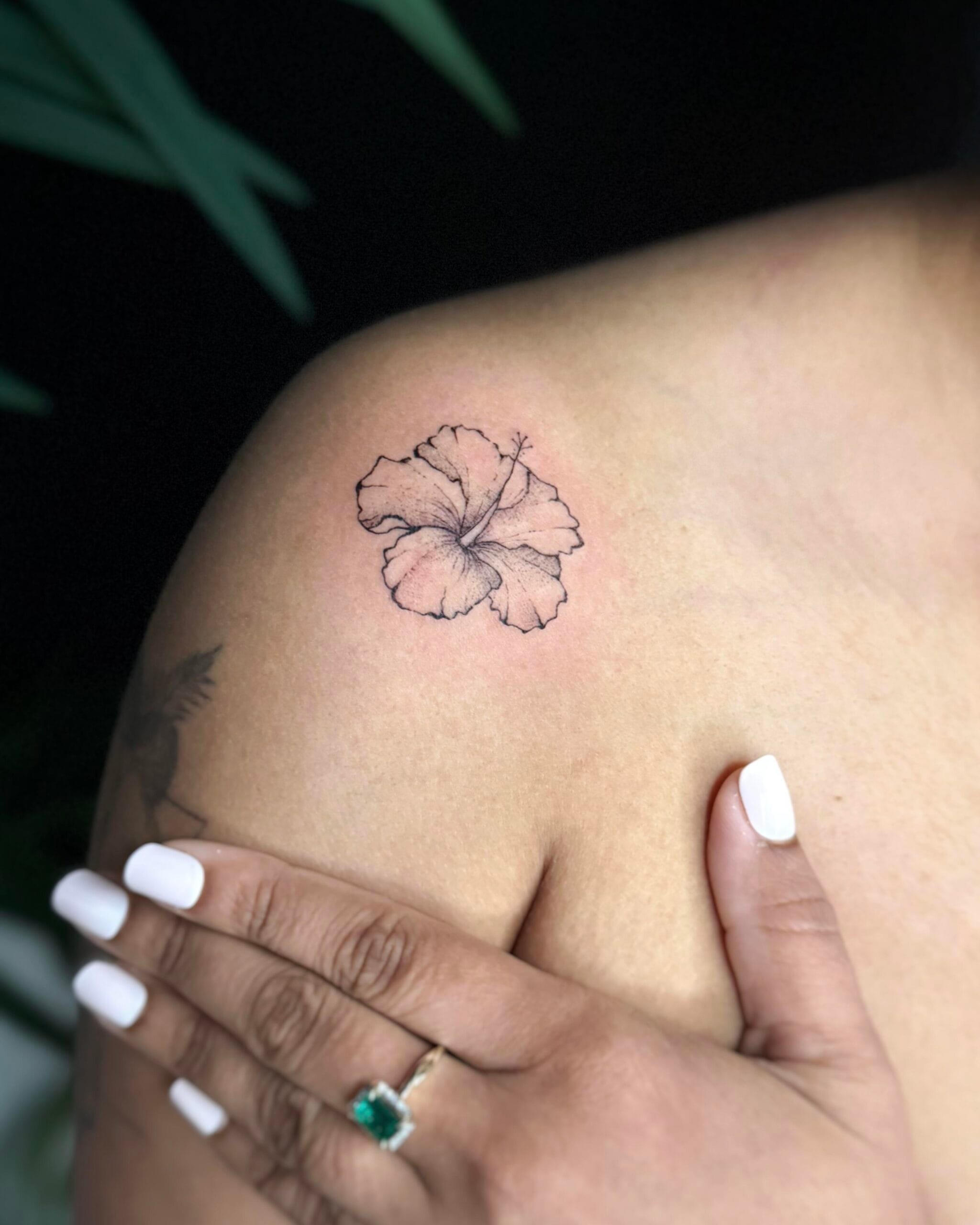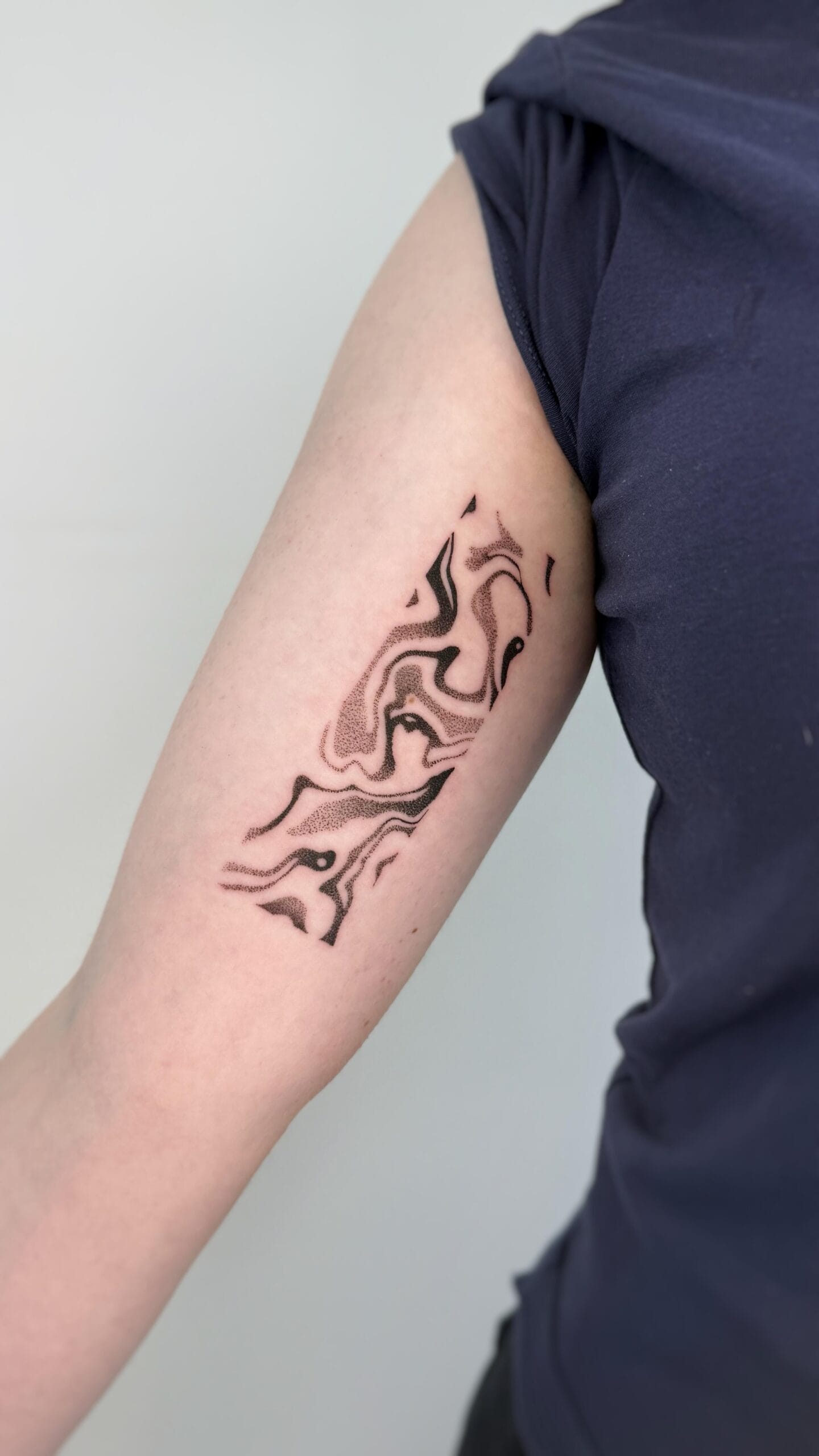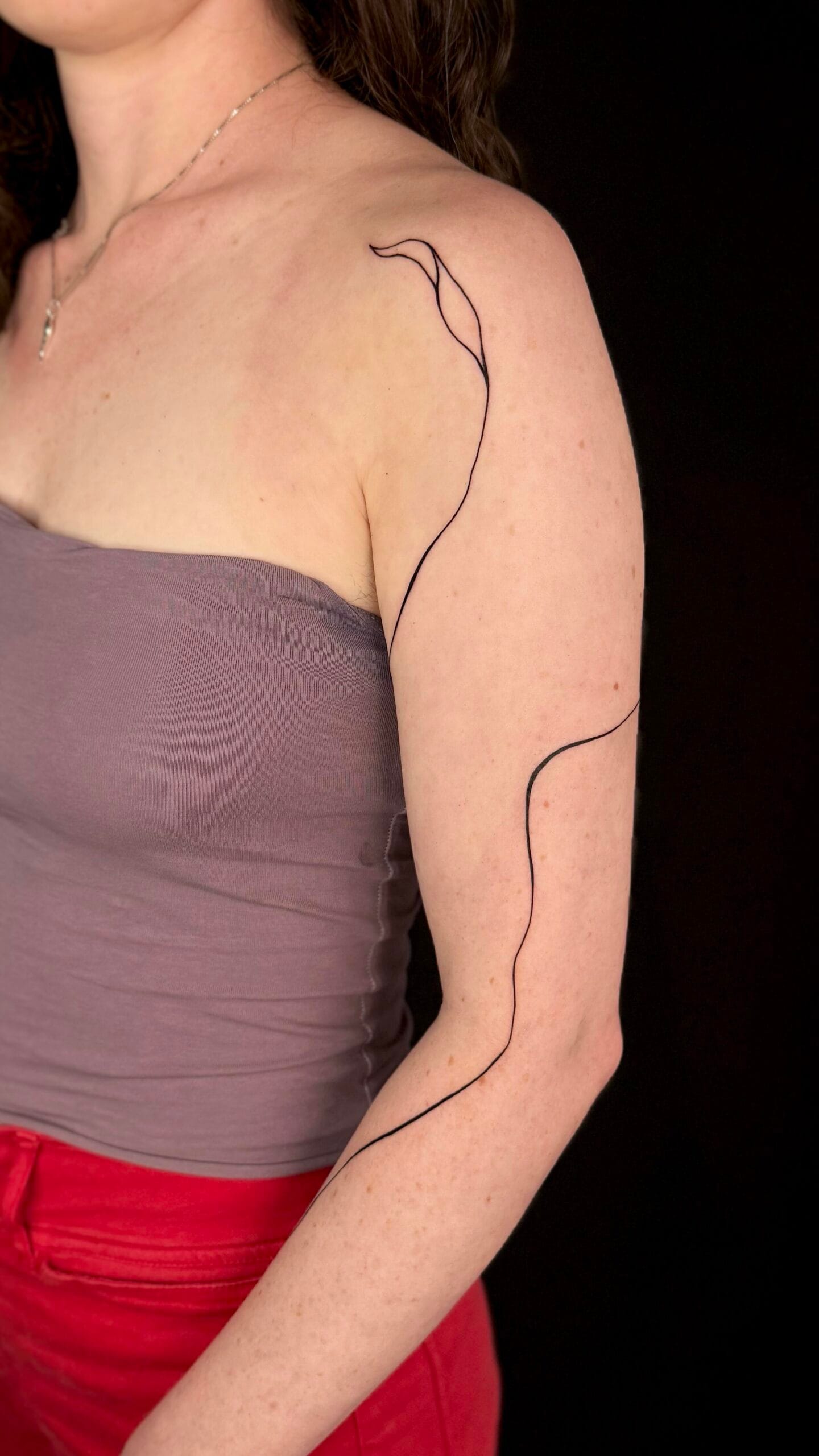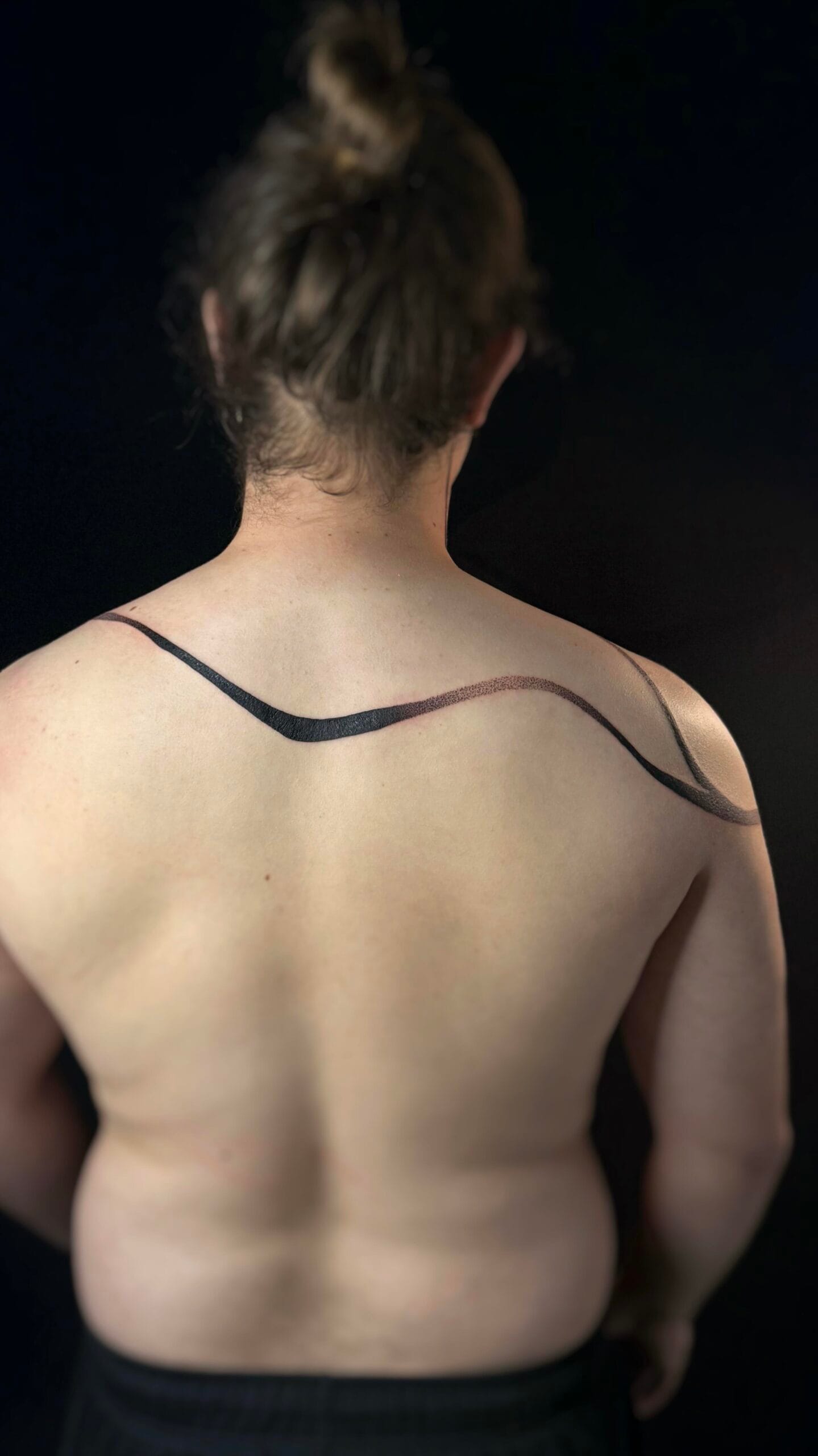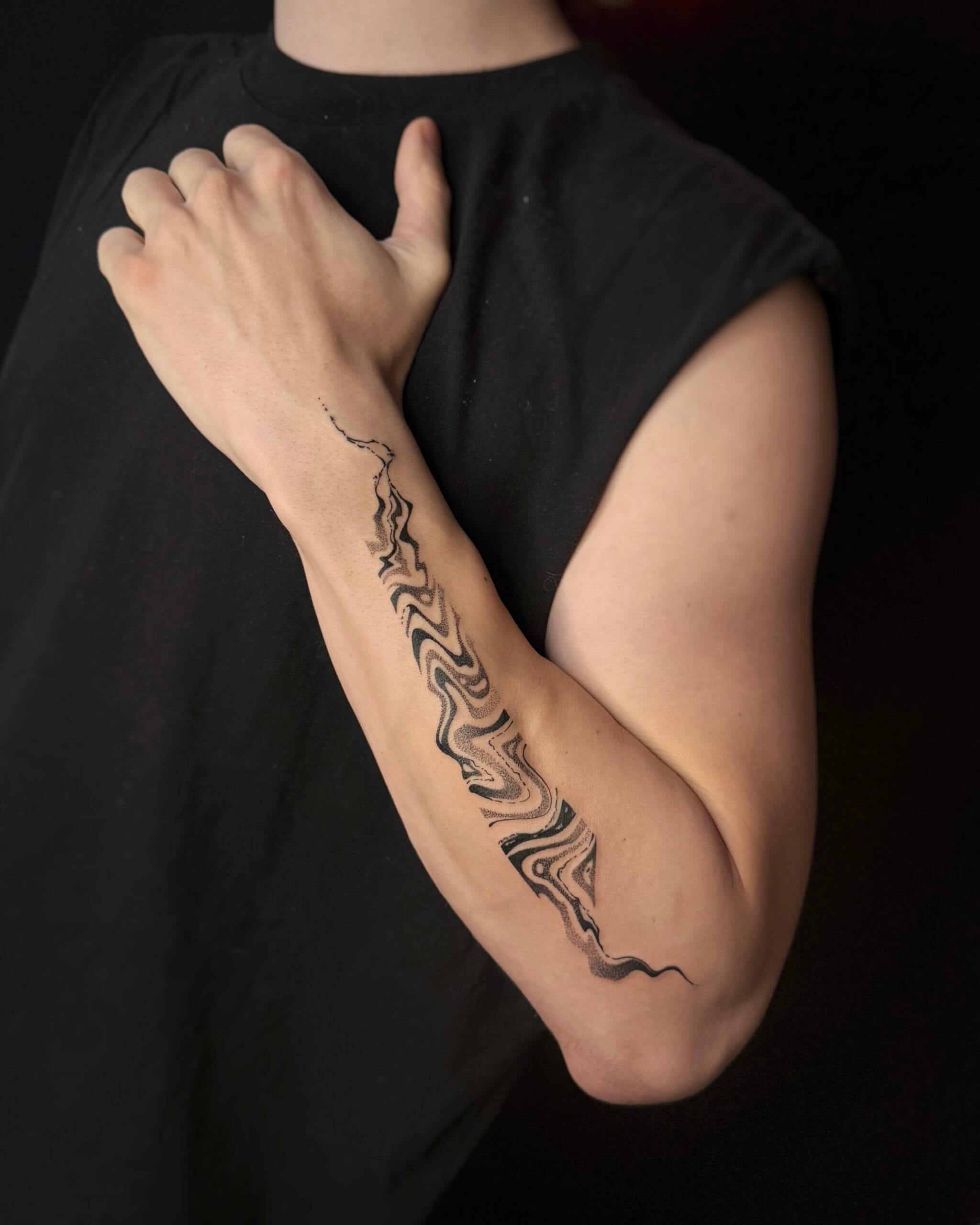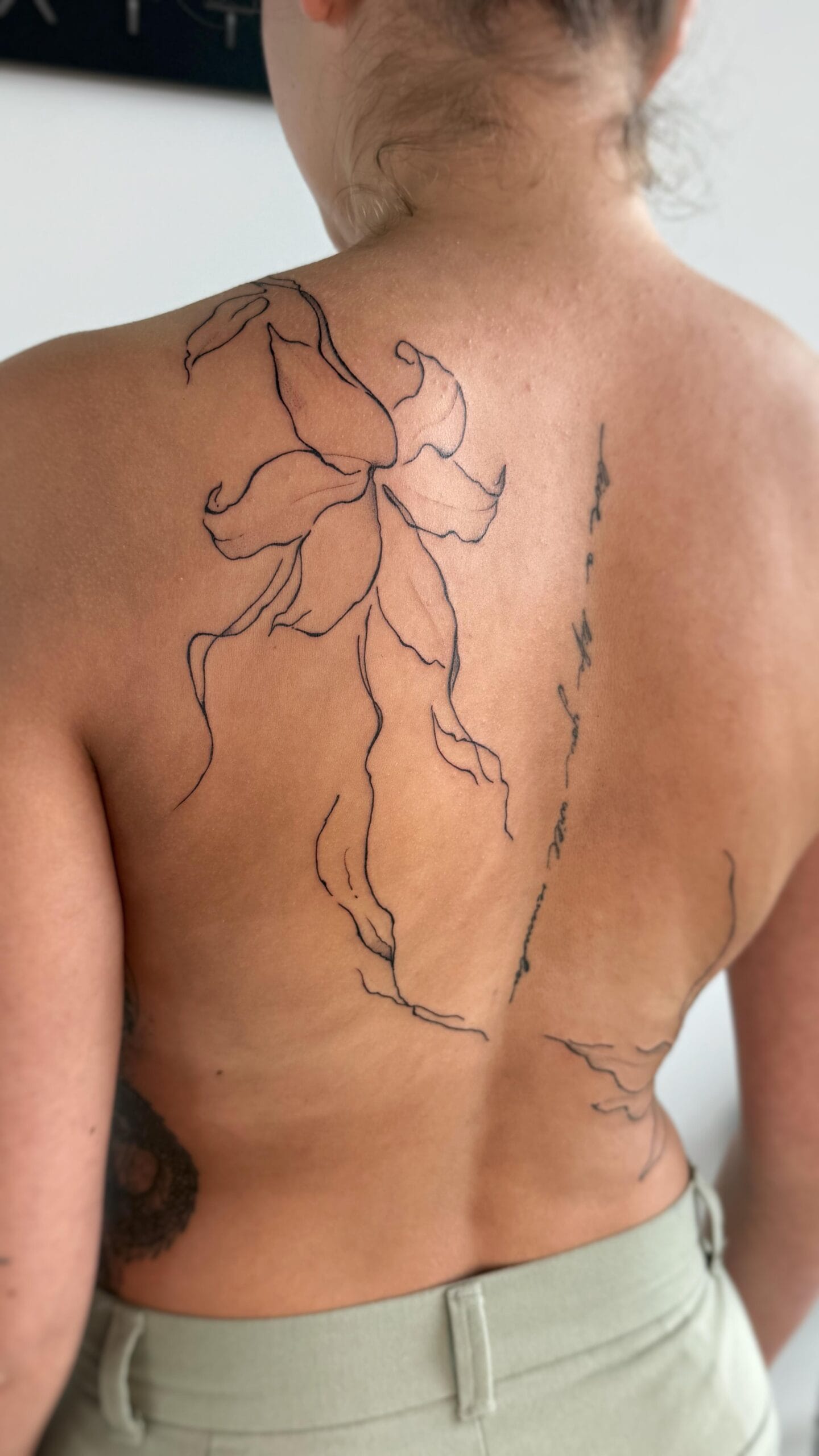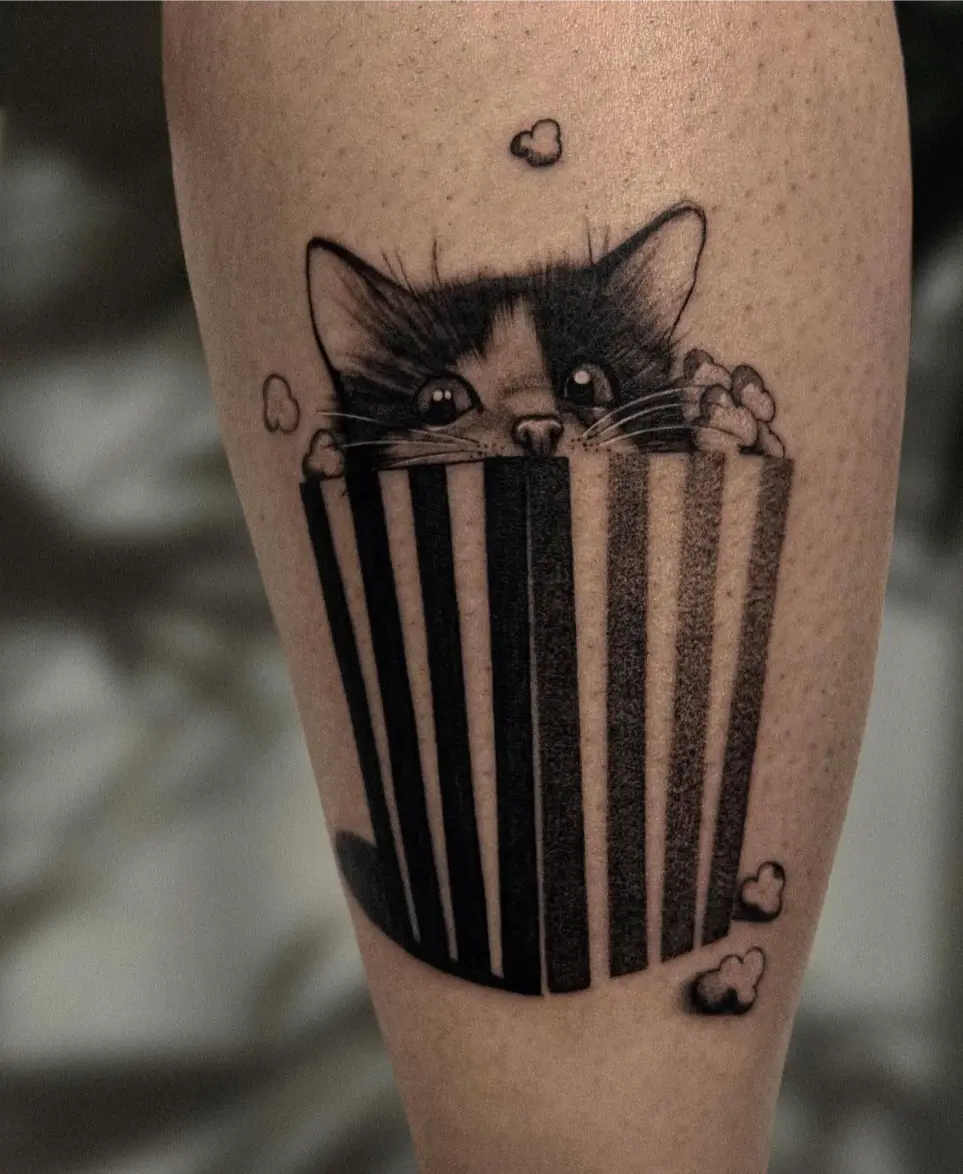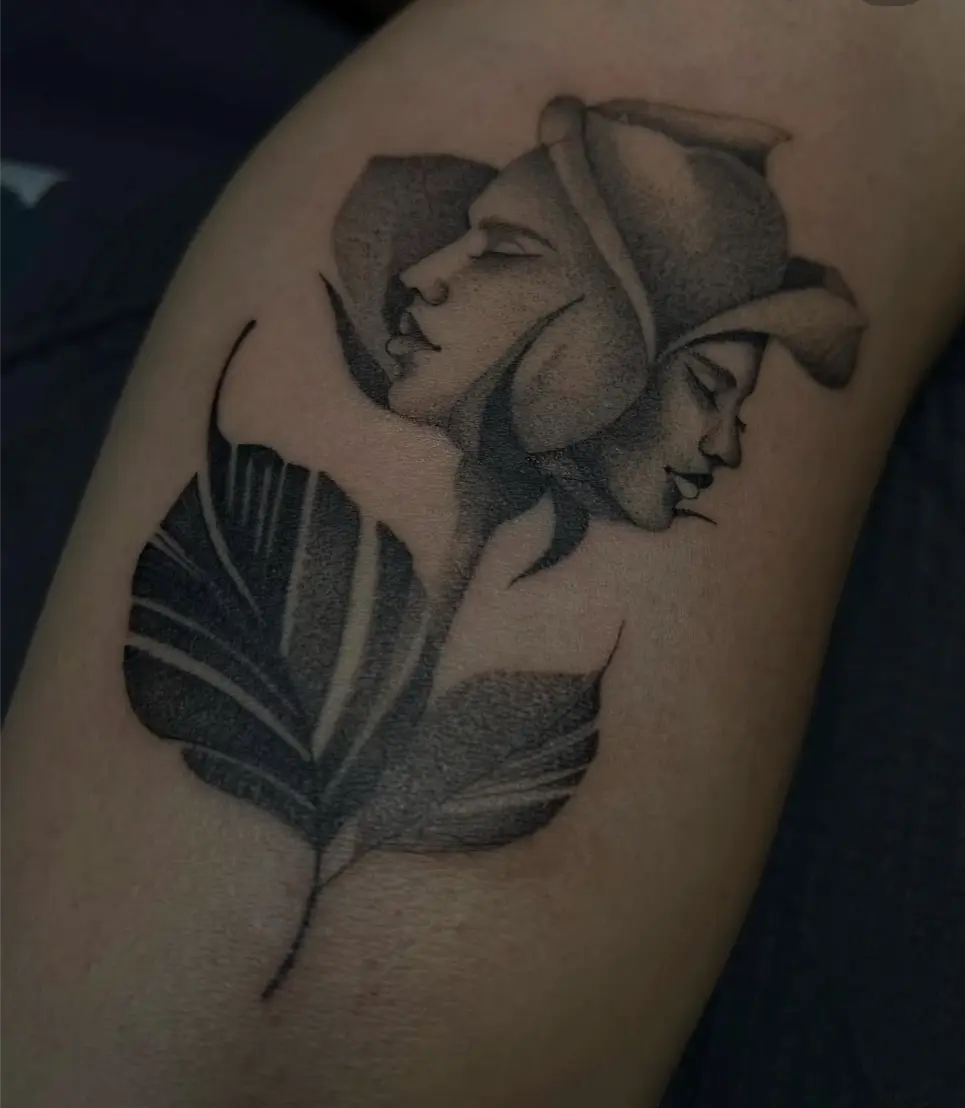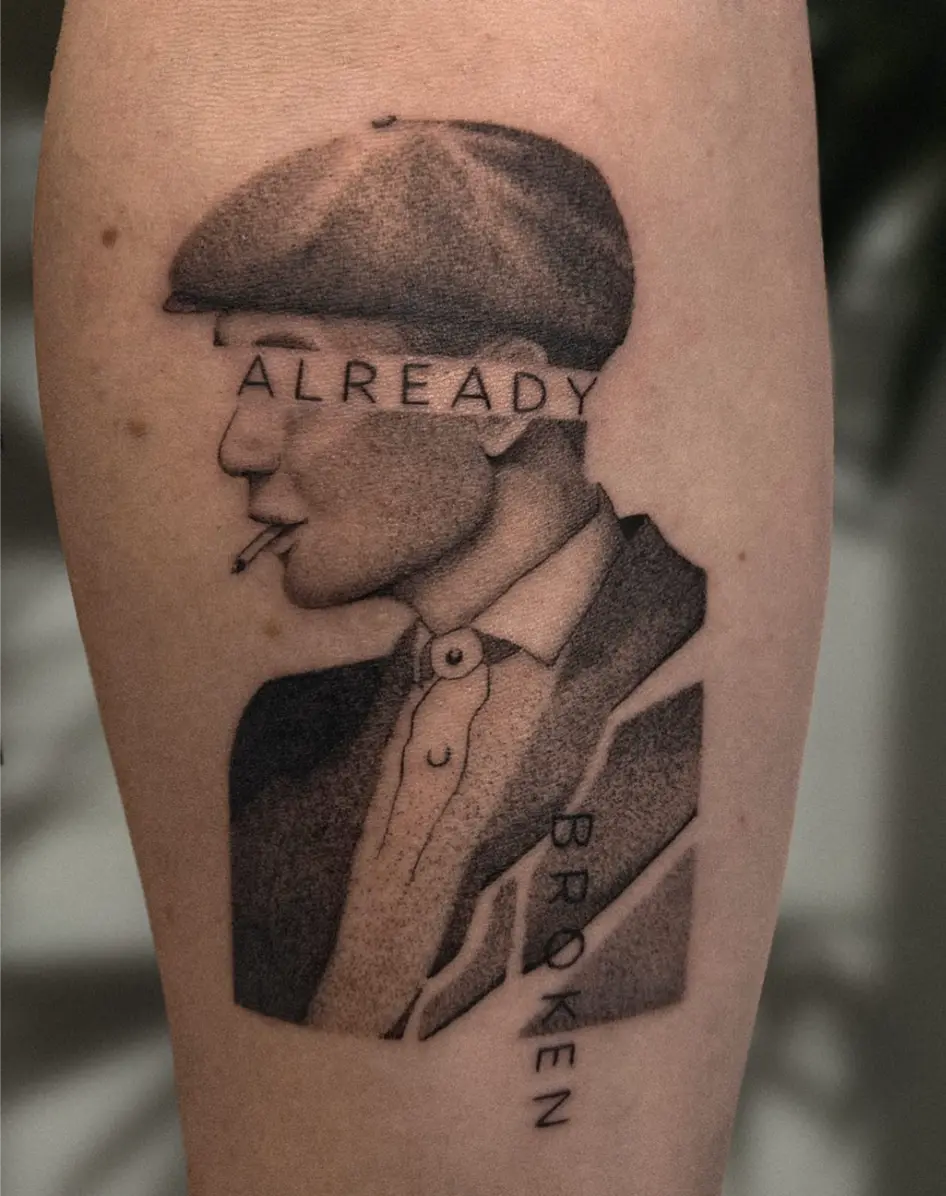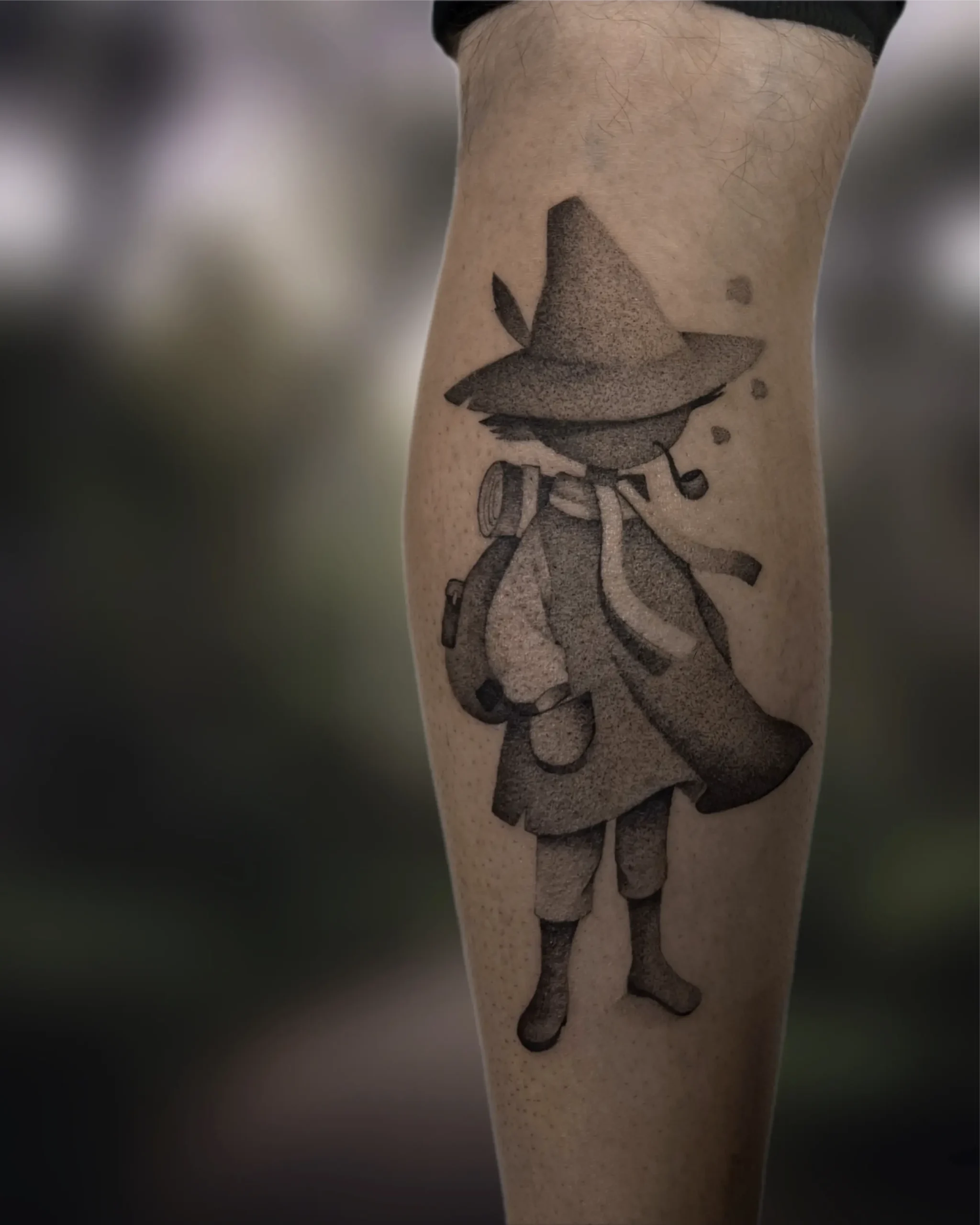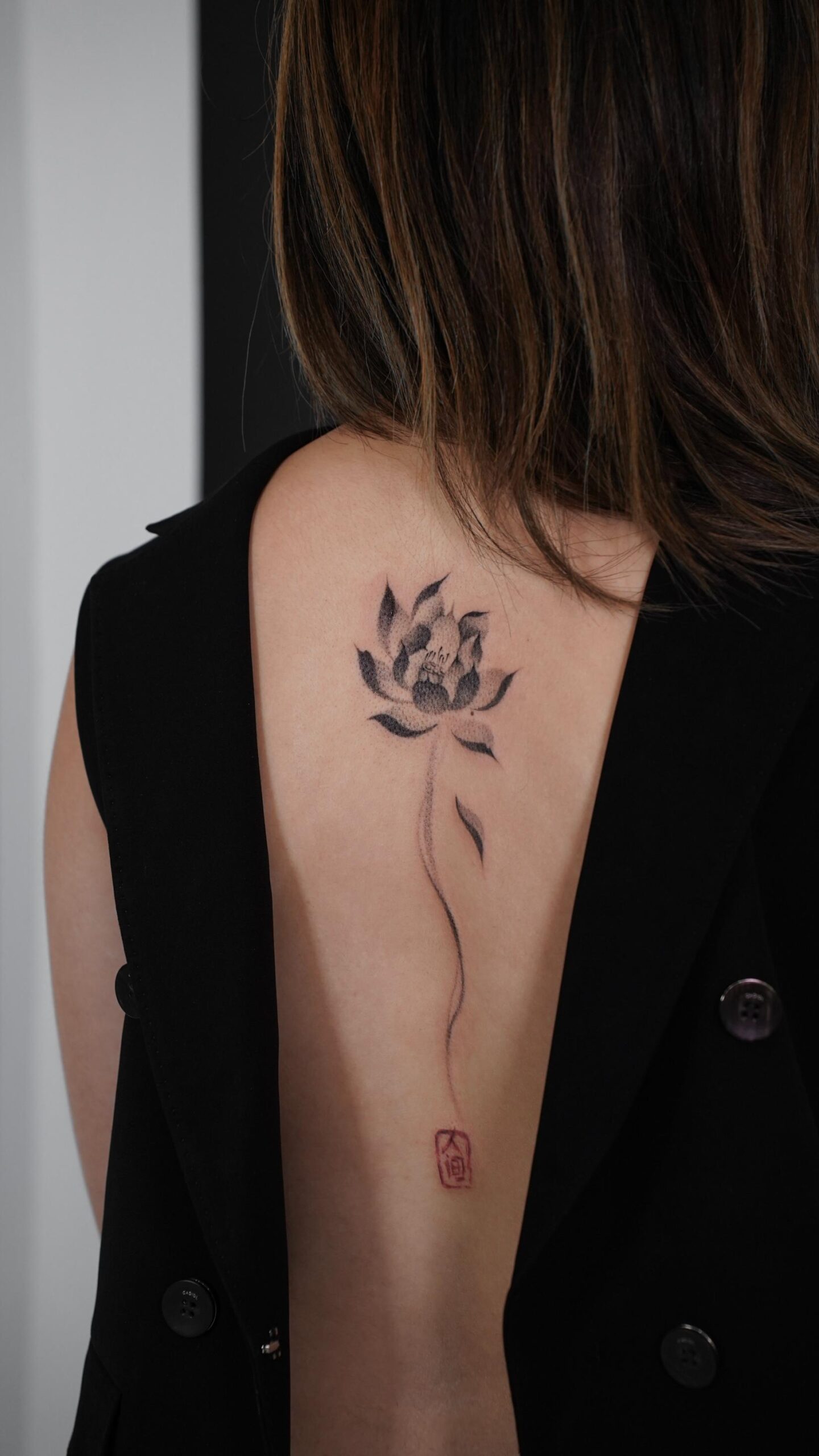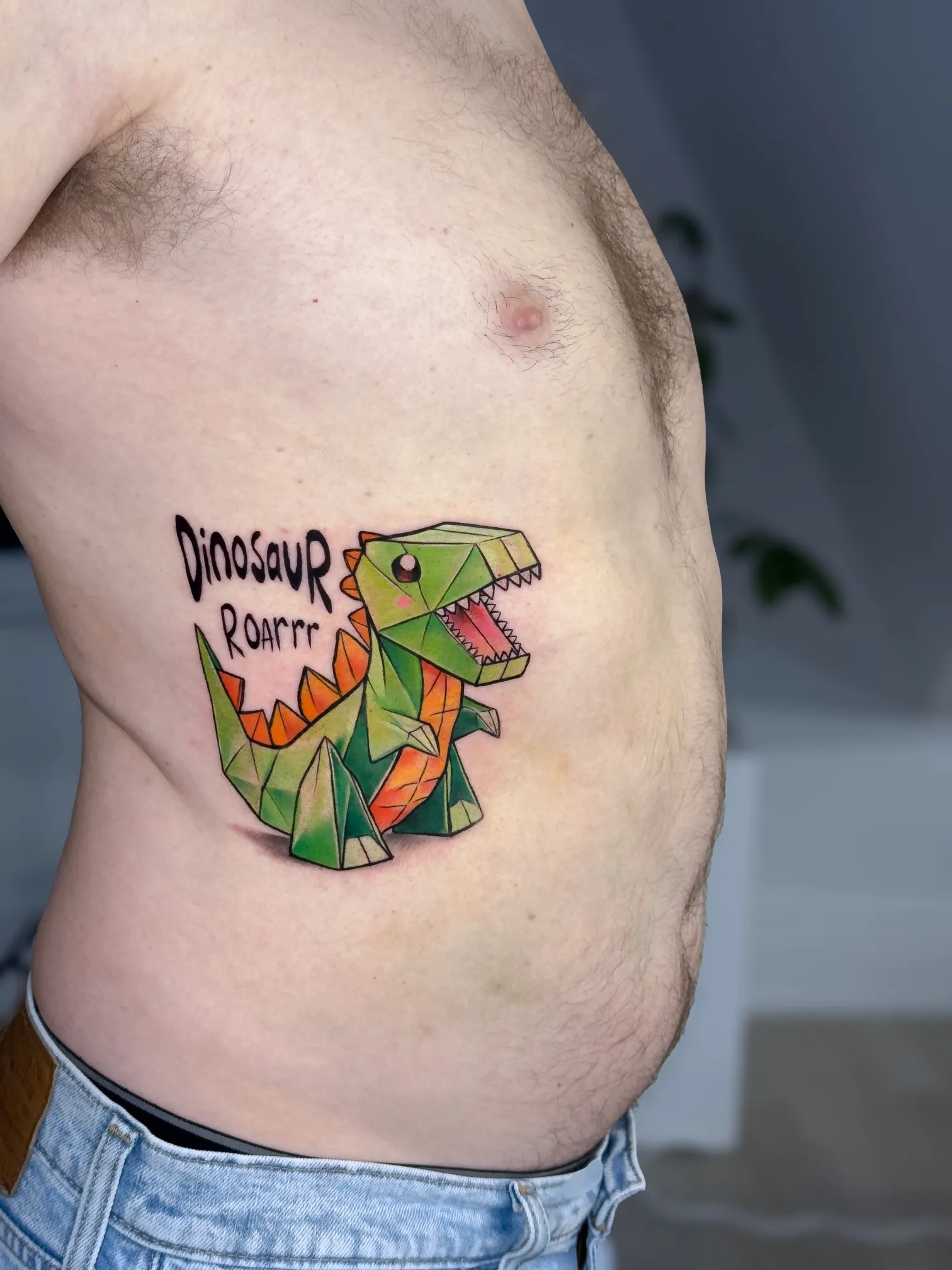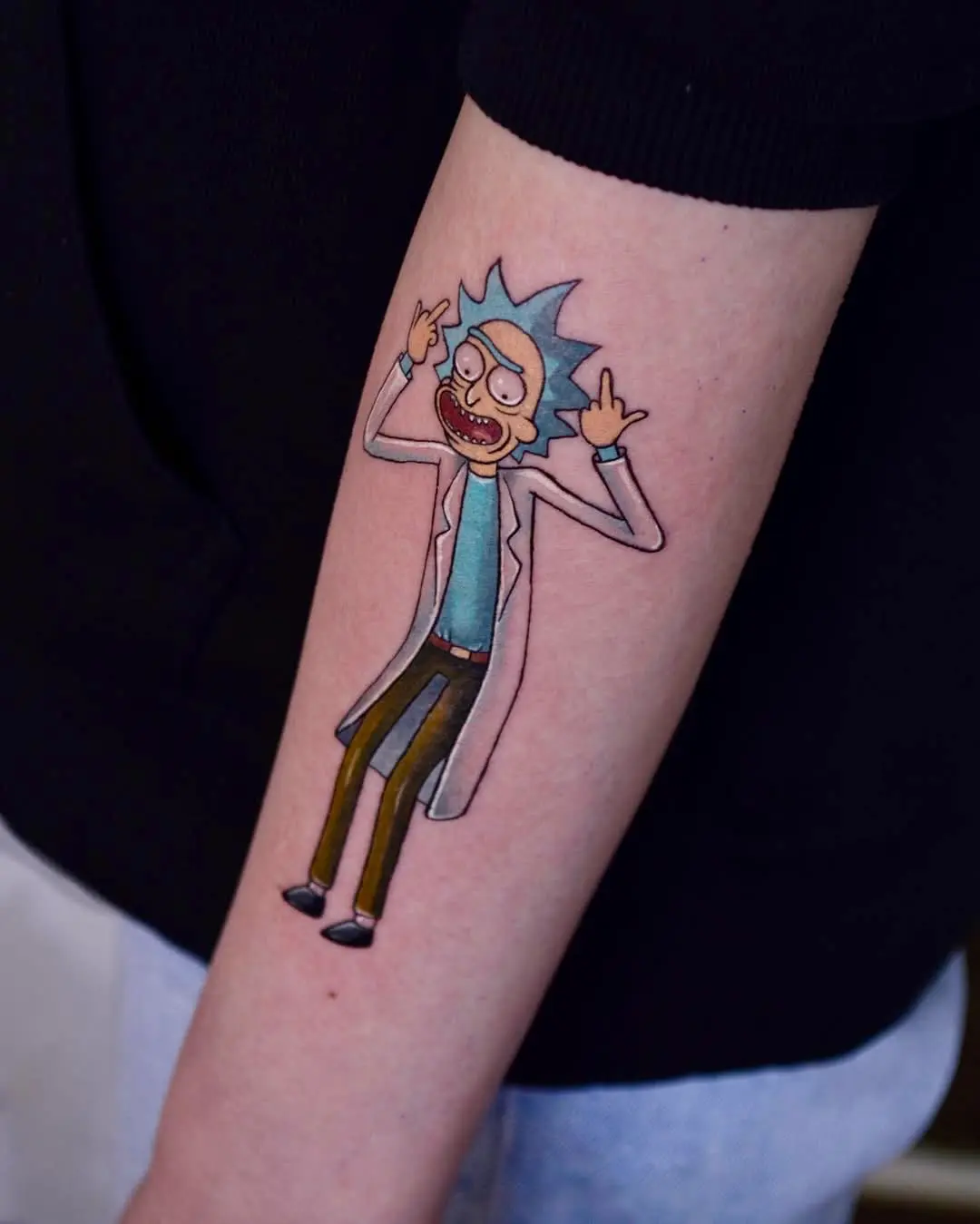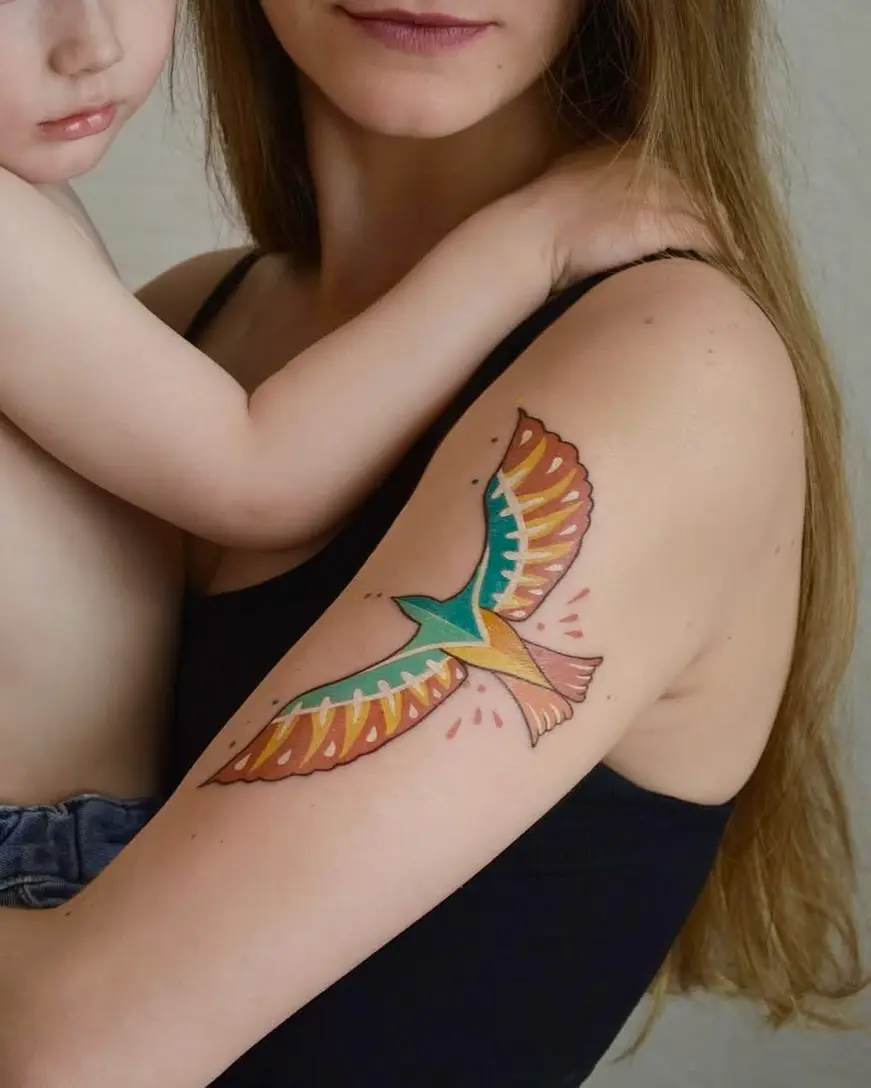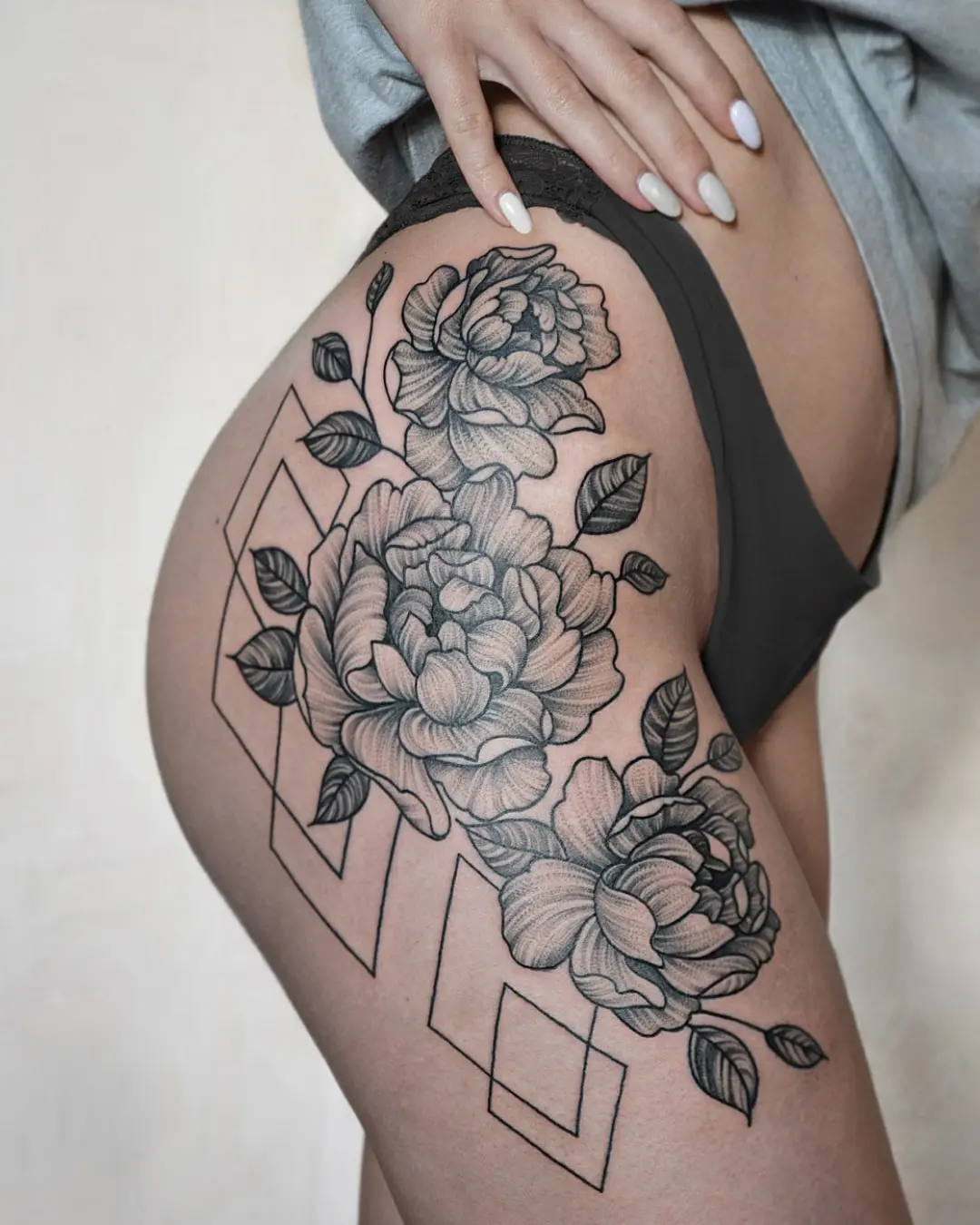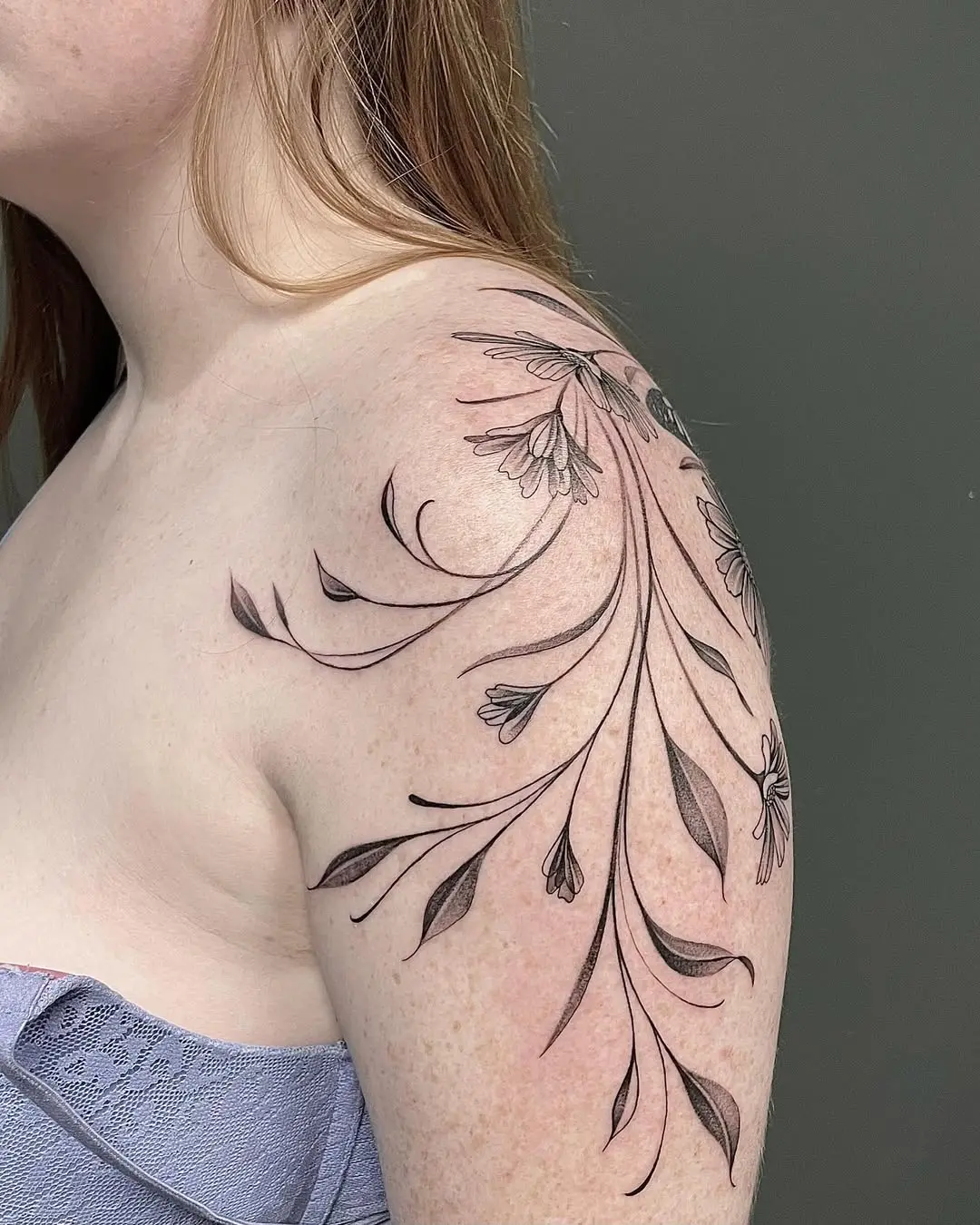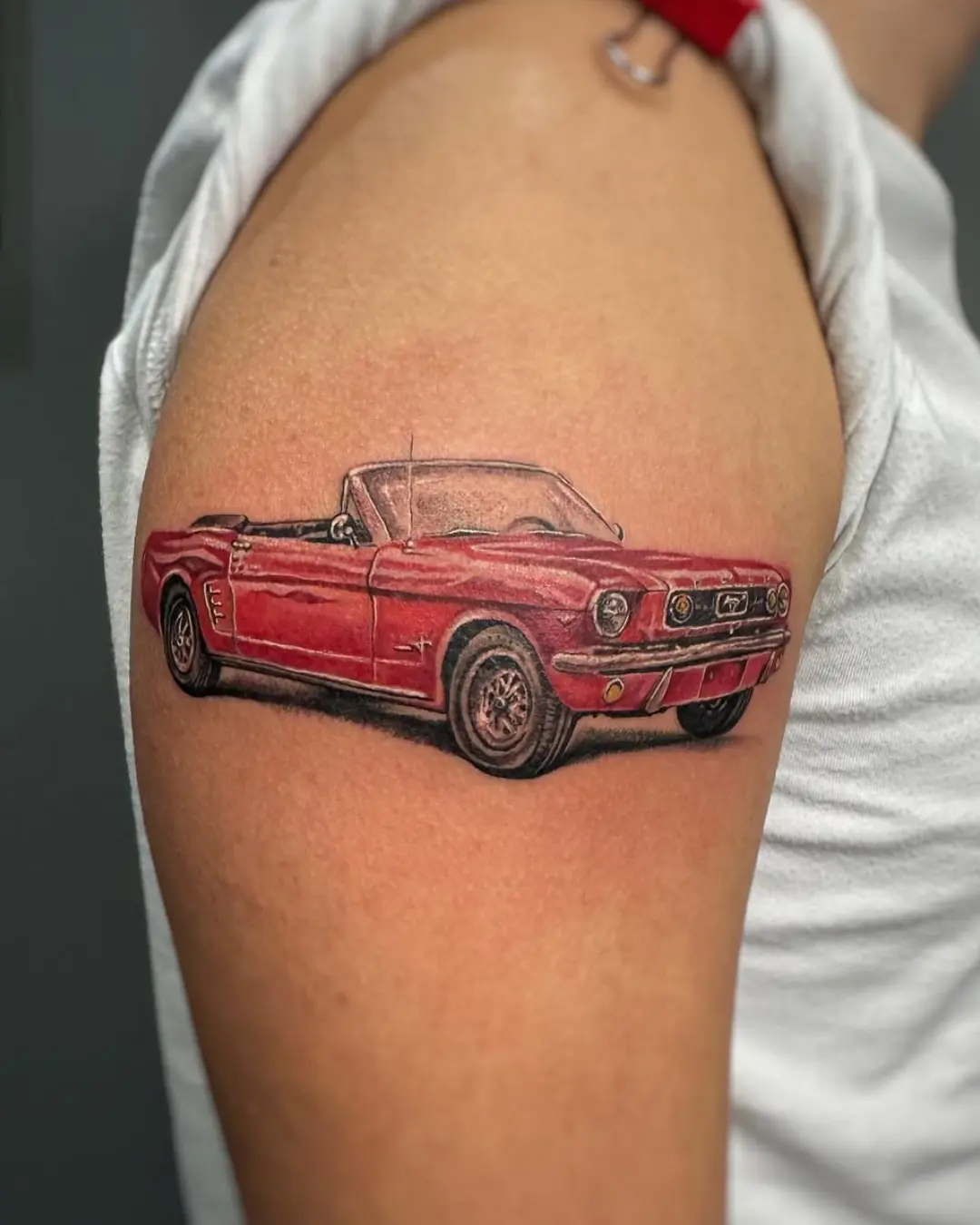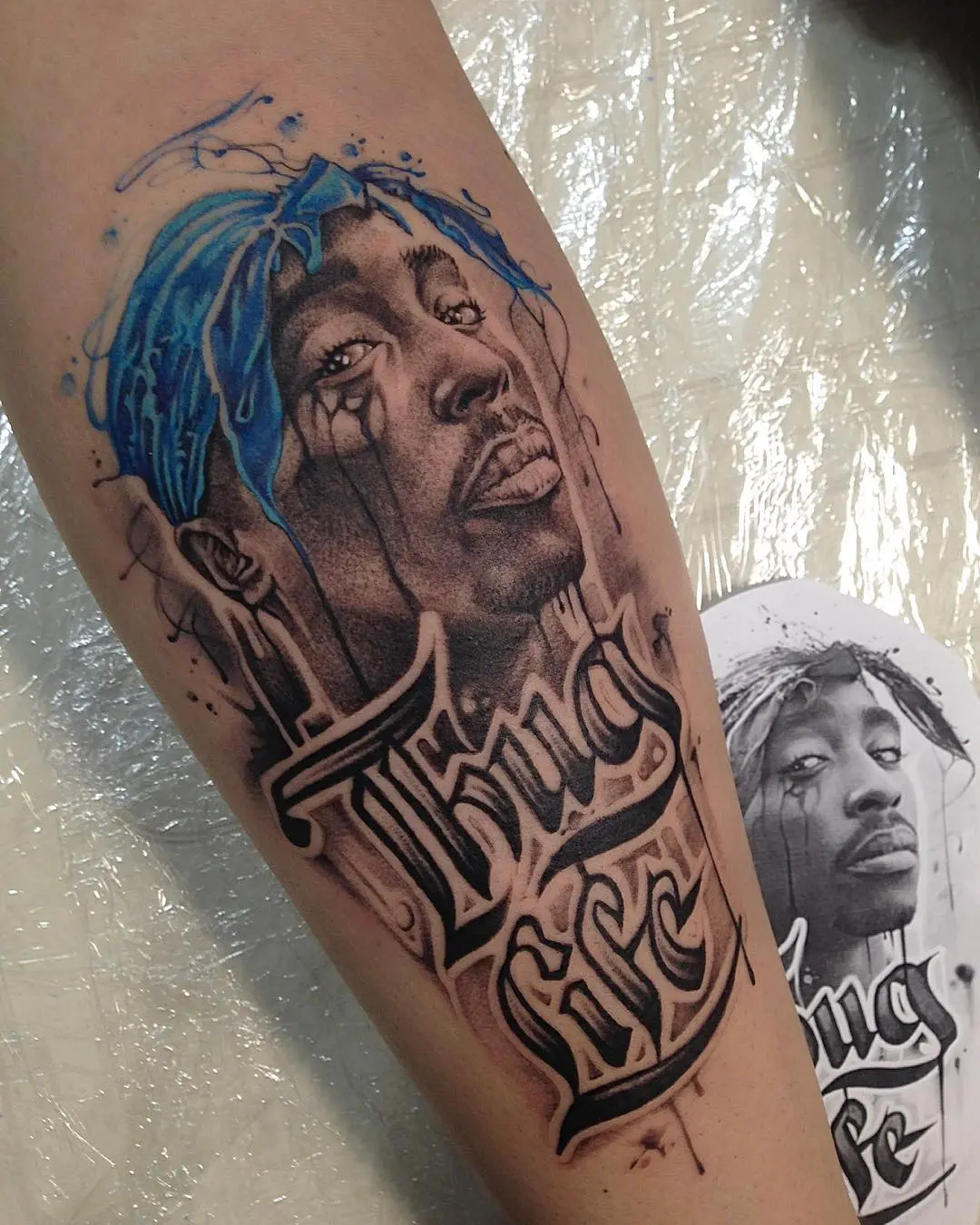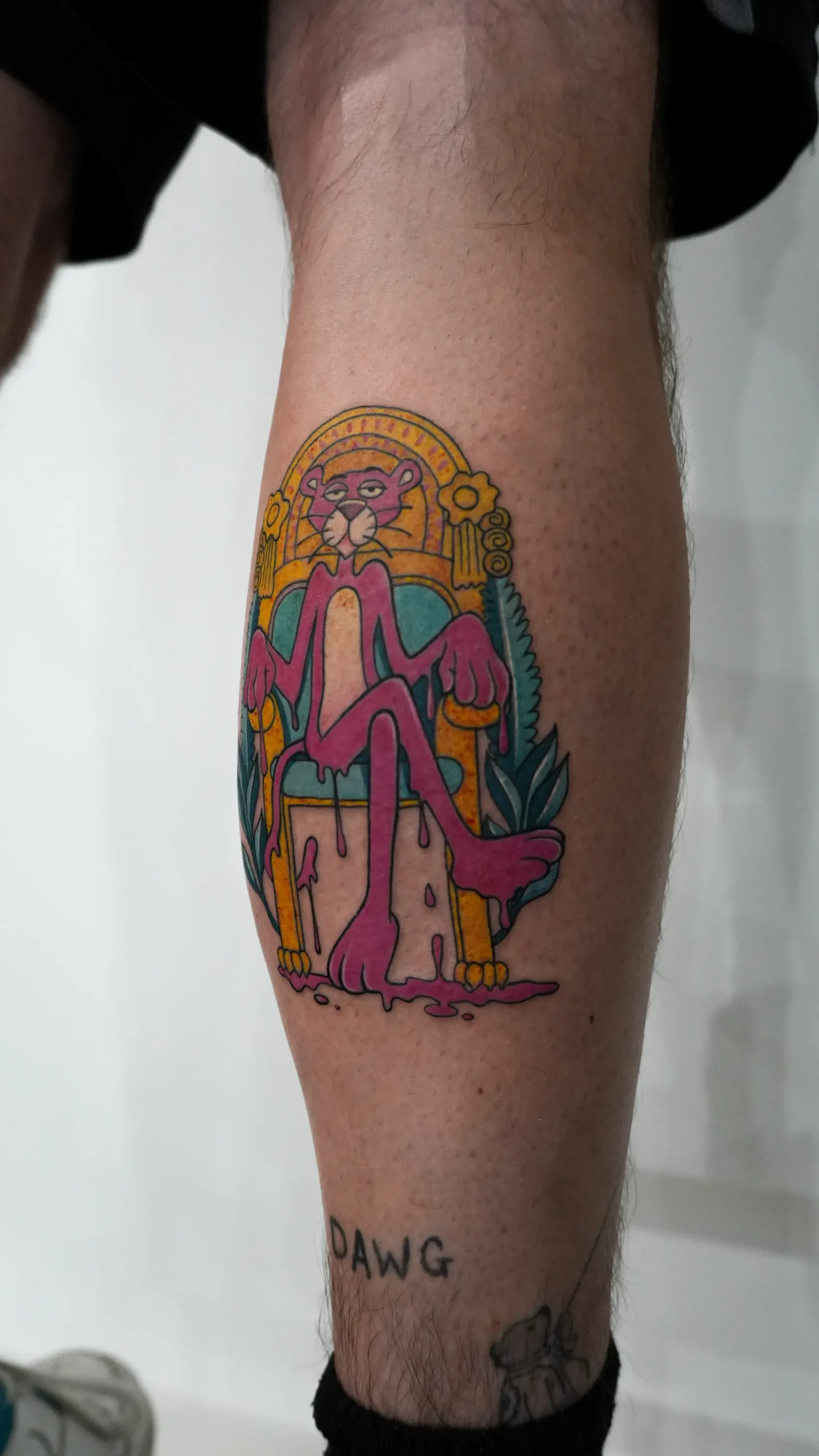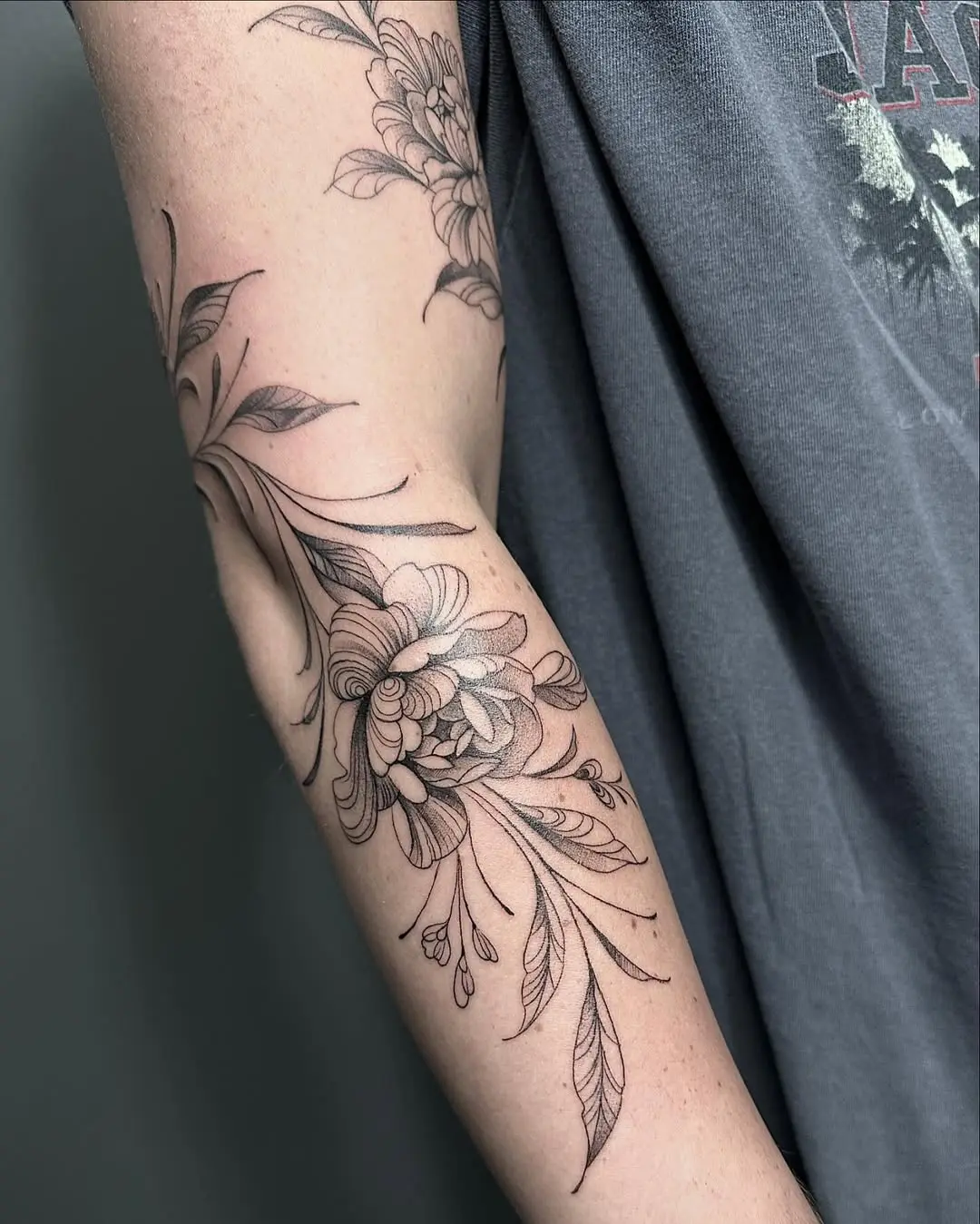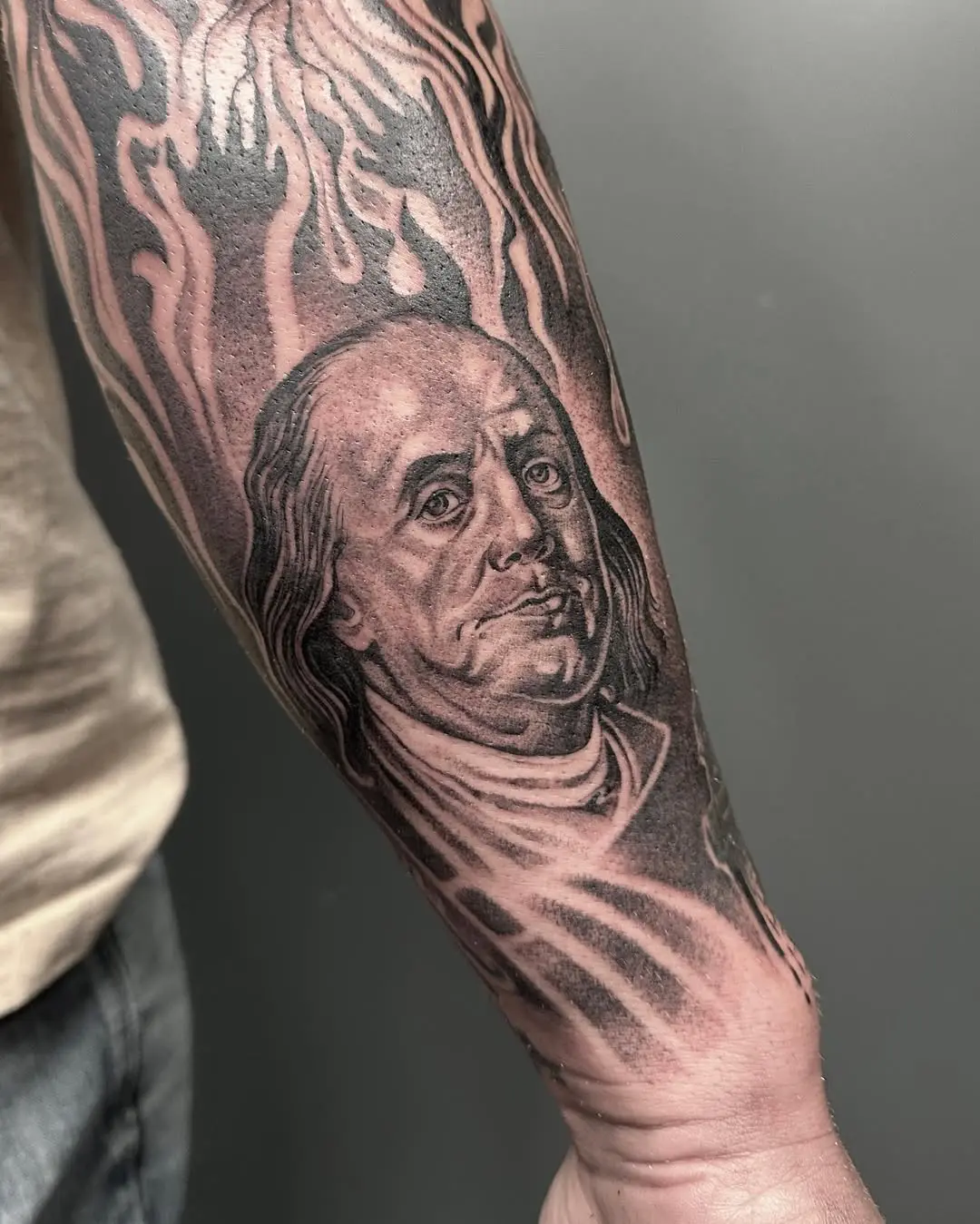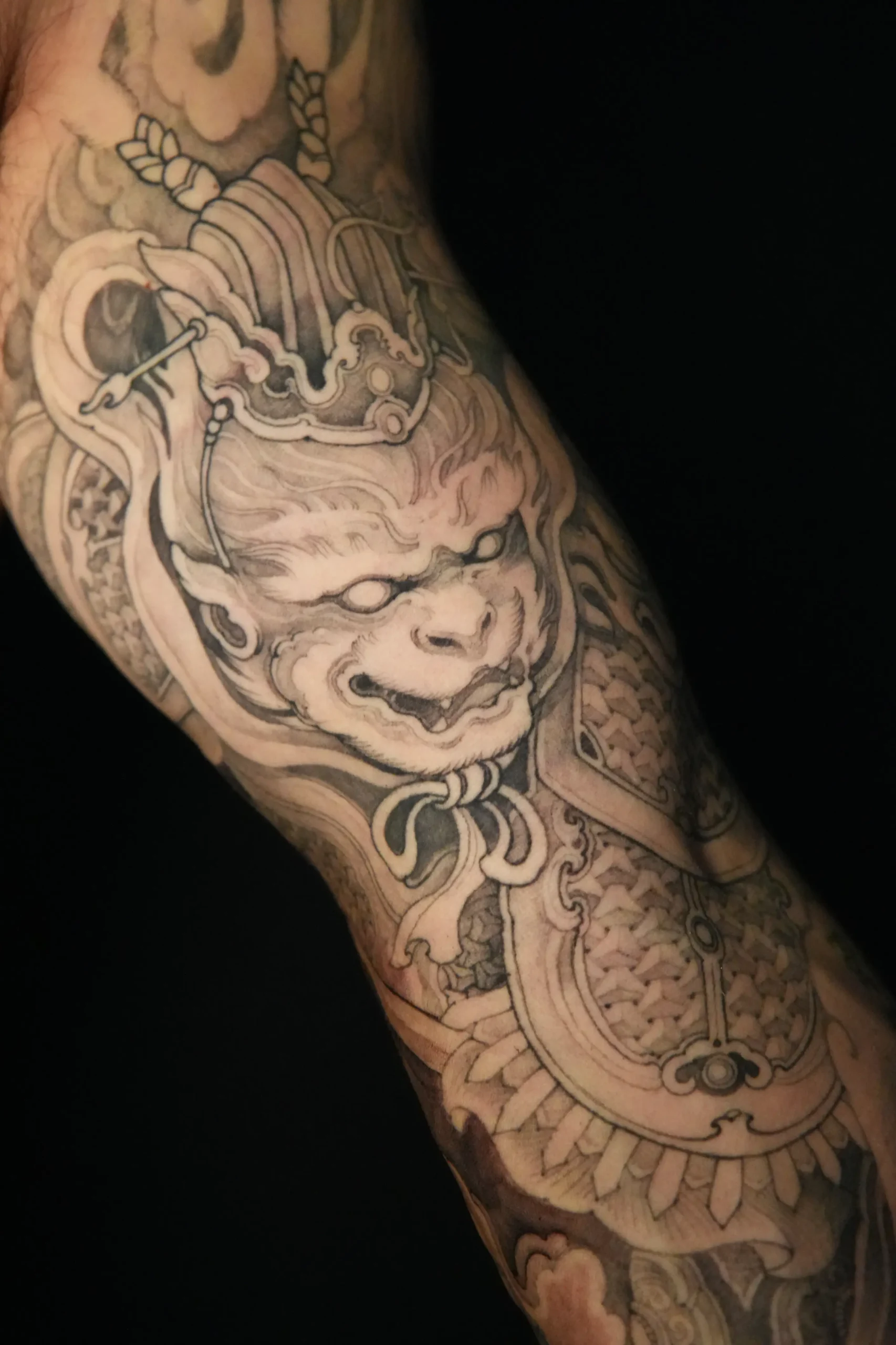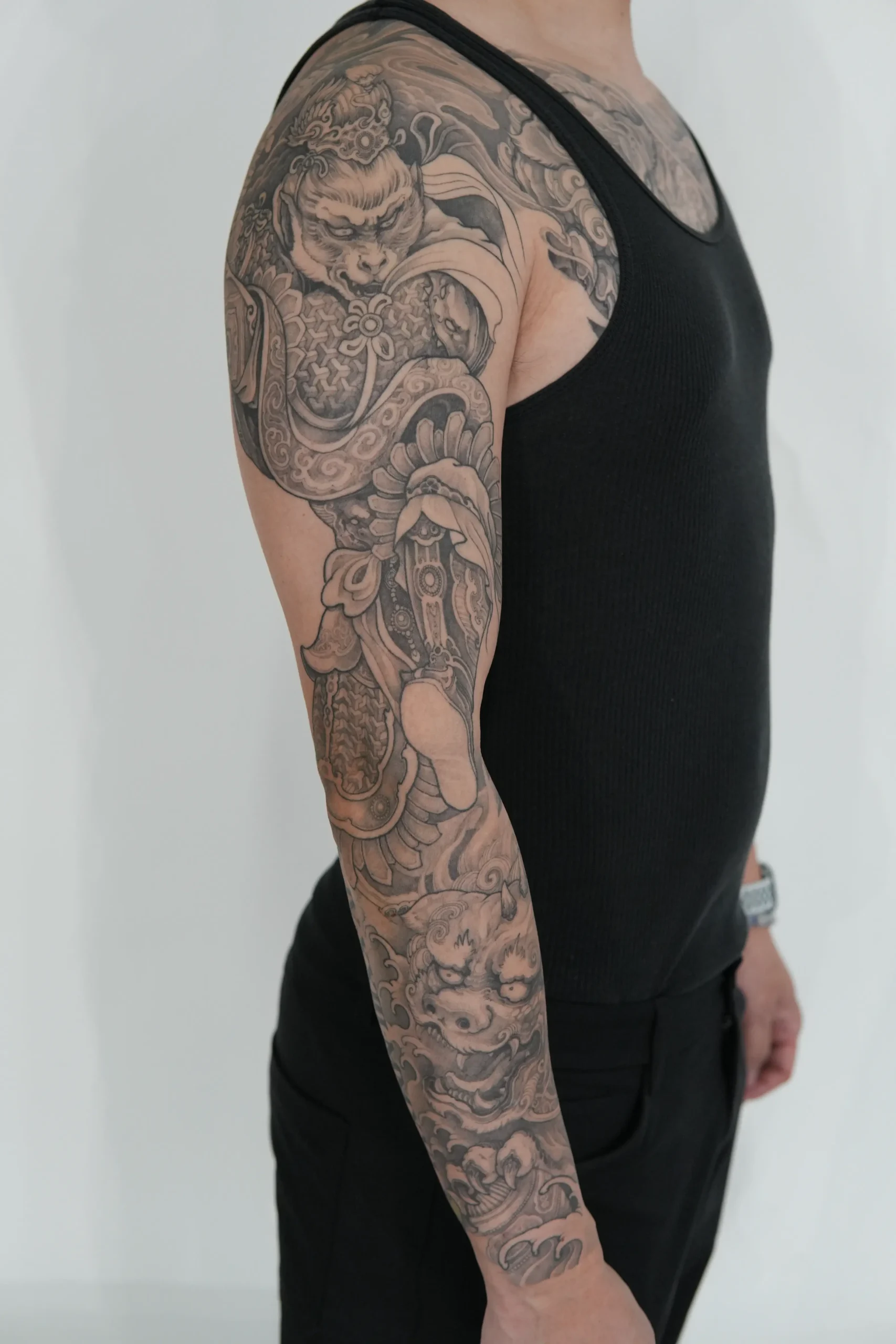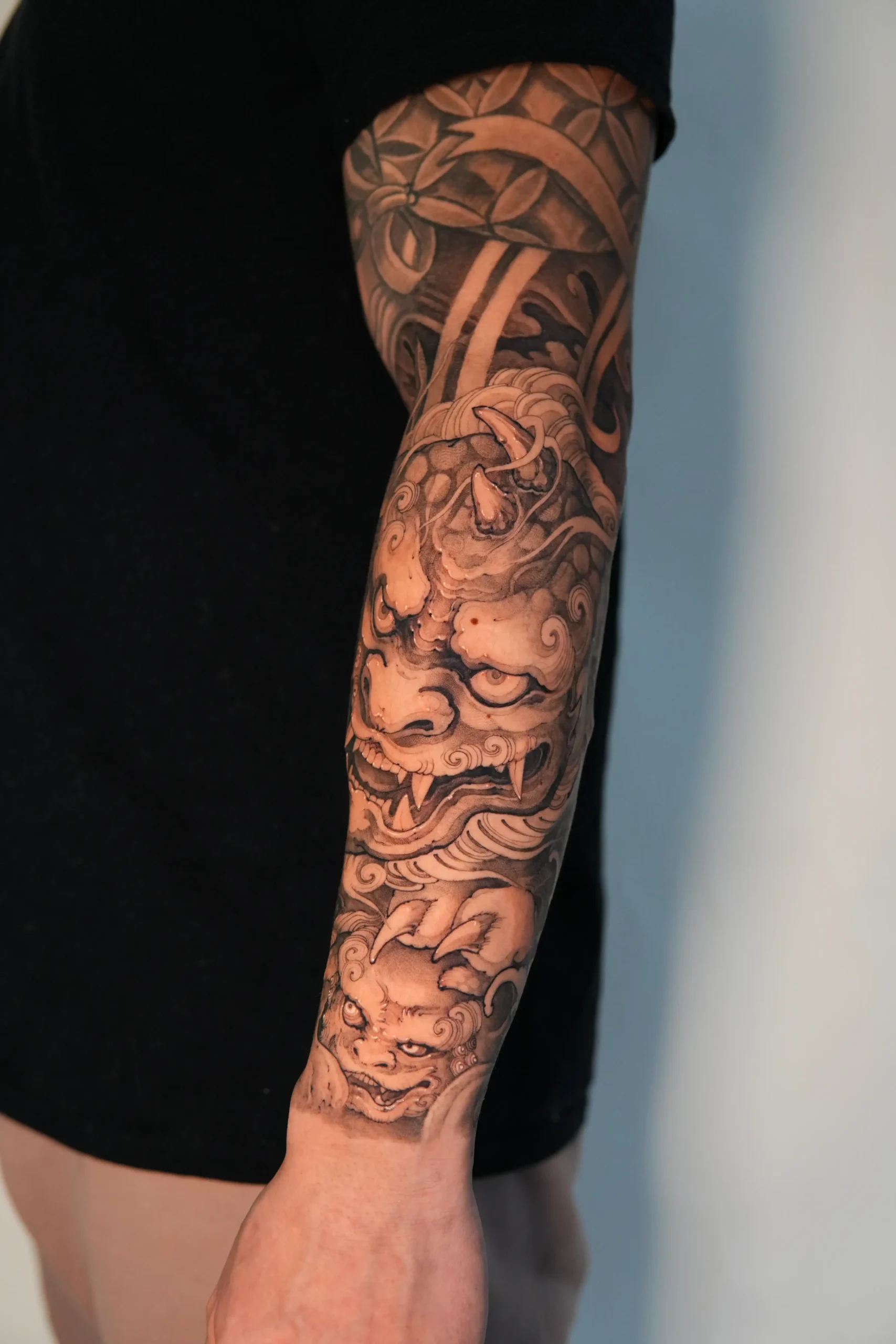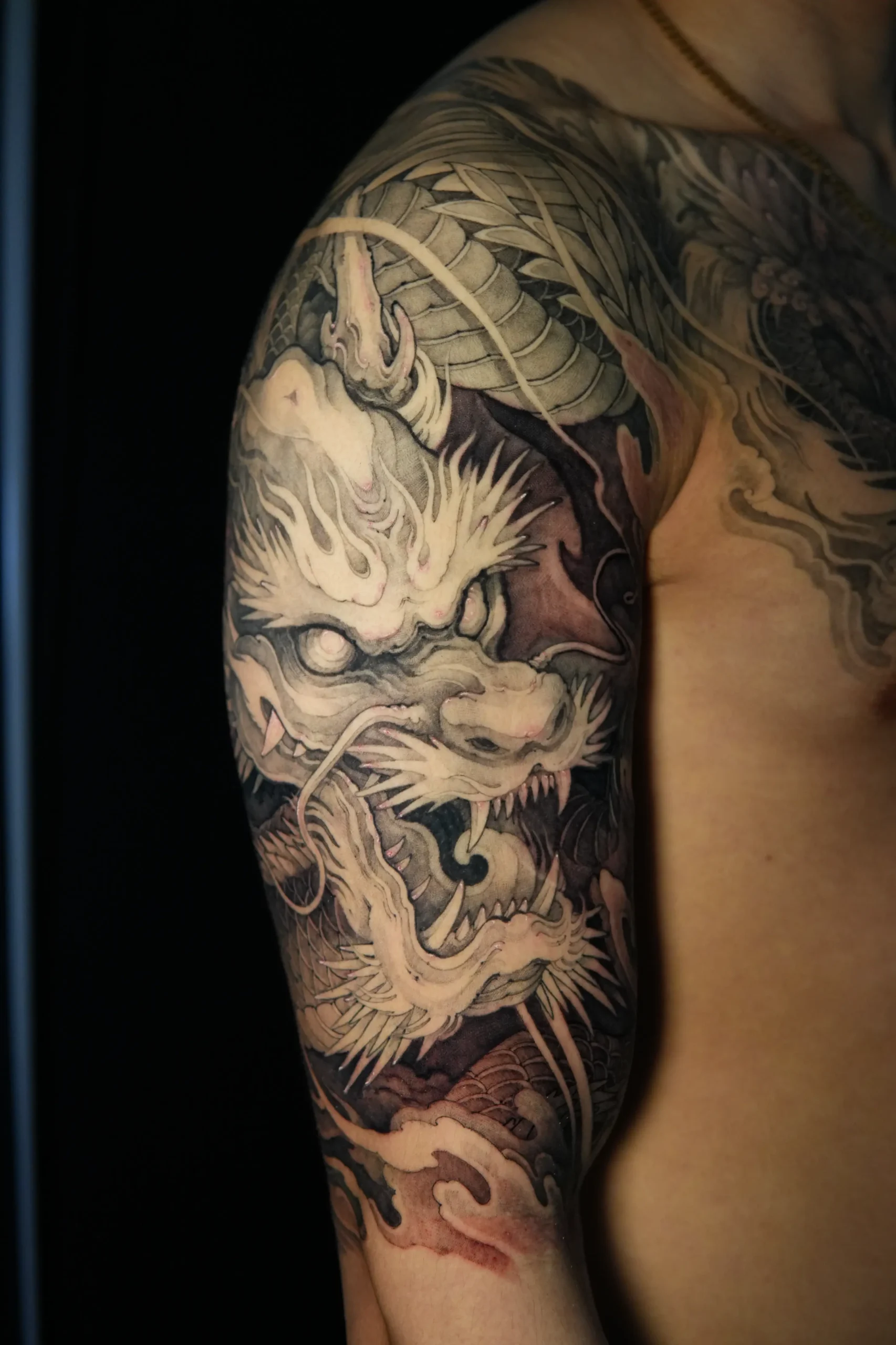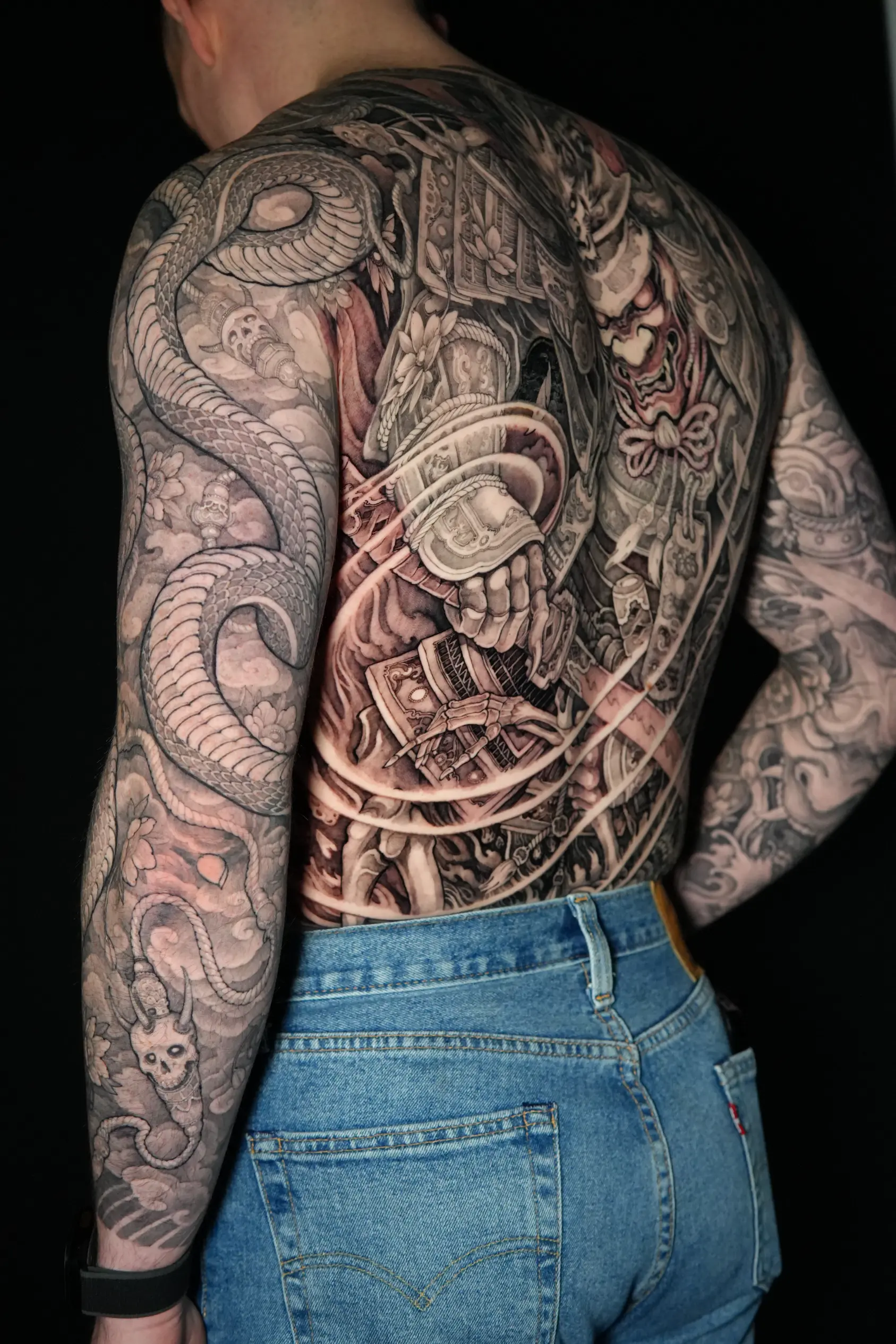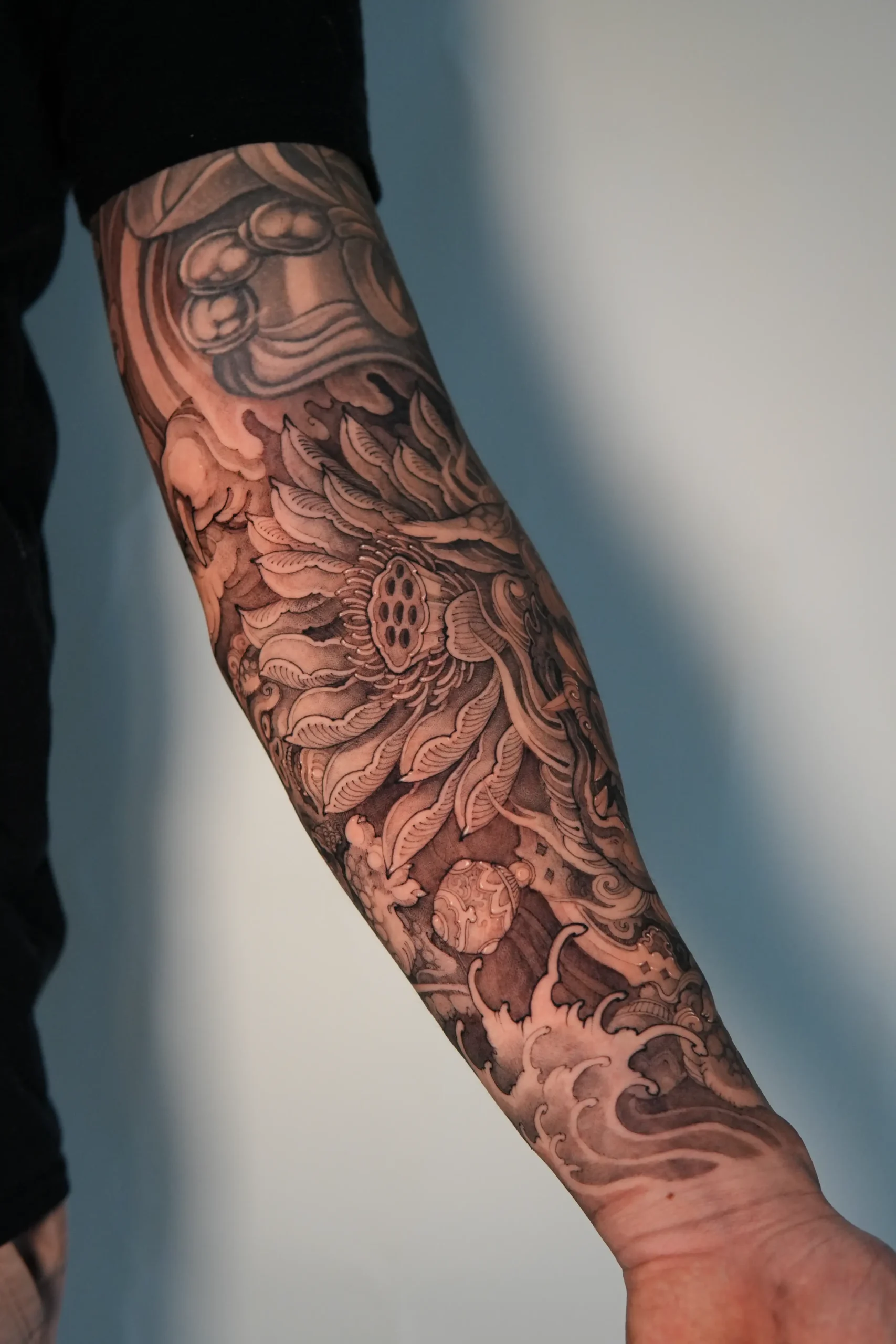




In the ever-evolving world of body art, a striking new trend has emerged: the embroidered patch tattoo. This style creates a captivating optical illusion where the ink on the skin appears like a tangible, thread-based patch sewn directly onto the body. For Canadians seeking something truly unique, distinctive, and culturally meaningful, understanding the rise of embroidered patch tattoos explains why this style is capturing the industry’s attention.
Unlike traditional tattooing, which emphasizes outlines and smooth shading, tattoo embroidery depends on texture, light, and shadow to deceive the eye. It celebrates folk art, nostalgia, and hyperrealism simultaneously. Whether inspired by traditional Mexican fabrics or the vibrant floral patterns of Eastern Europe, this style provides a tactile aesthetic that you could reach out and touch the threads.
What Exactly Is an Embroidery Tattoo? (what is embroidery tattoo)
An embroidery-style tattoo isn’t a specific method of tattooing but rather a specific artistic style, often referred to as an embroidery style tattoo. The artist uses standard tattoo needles and ink, but applies them in a way that resembles the texture of thread. The key to a successful embroidery tattoo lies in the “stitched” effect.
To achieve this, the artist meticulously creates:
- Thread Lines: Numerous fine lines mimicking satin stitch directions.
- Loose Threads: Small frays or “imperfections” at edges to enhance realism.
- Shadowing: A gentle drop shadow around the “patch” makes it appear to sit on the skin’s surface instead of being embedded.
- Highlighting: Light-colored ink, usually white, shows where light reflects off shiny threads.
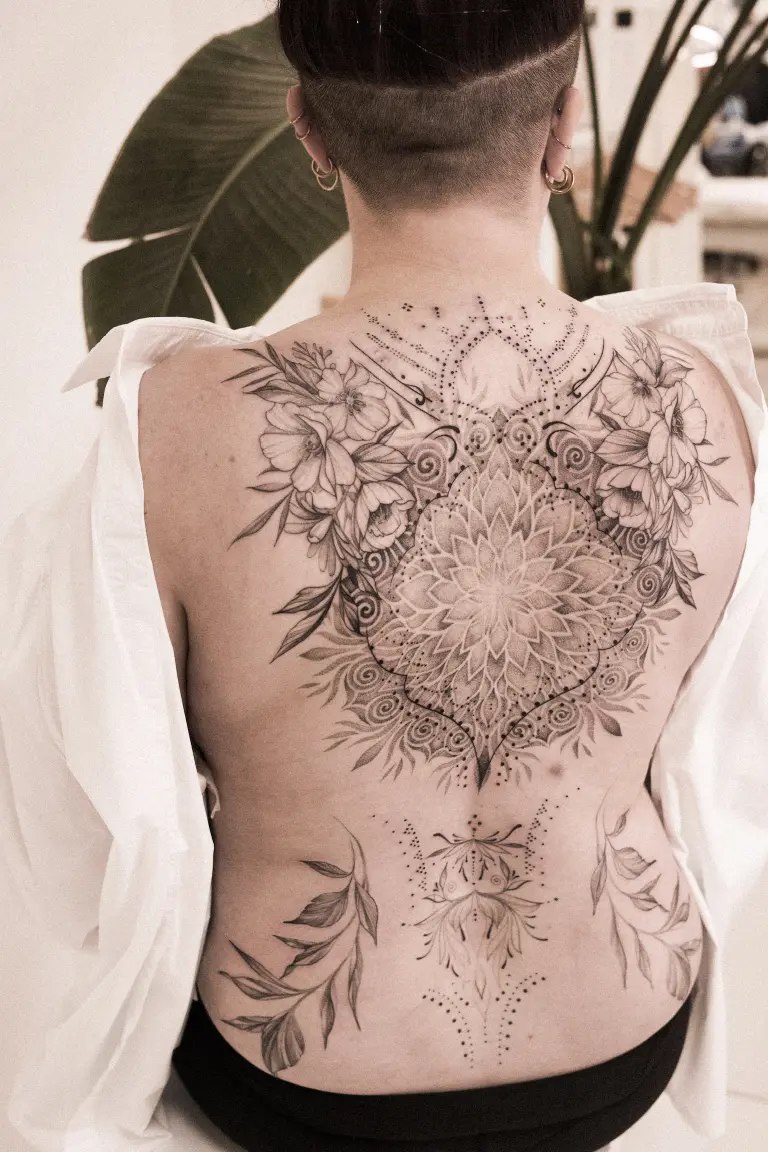
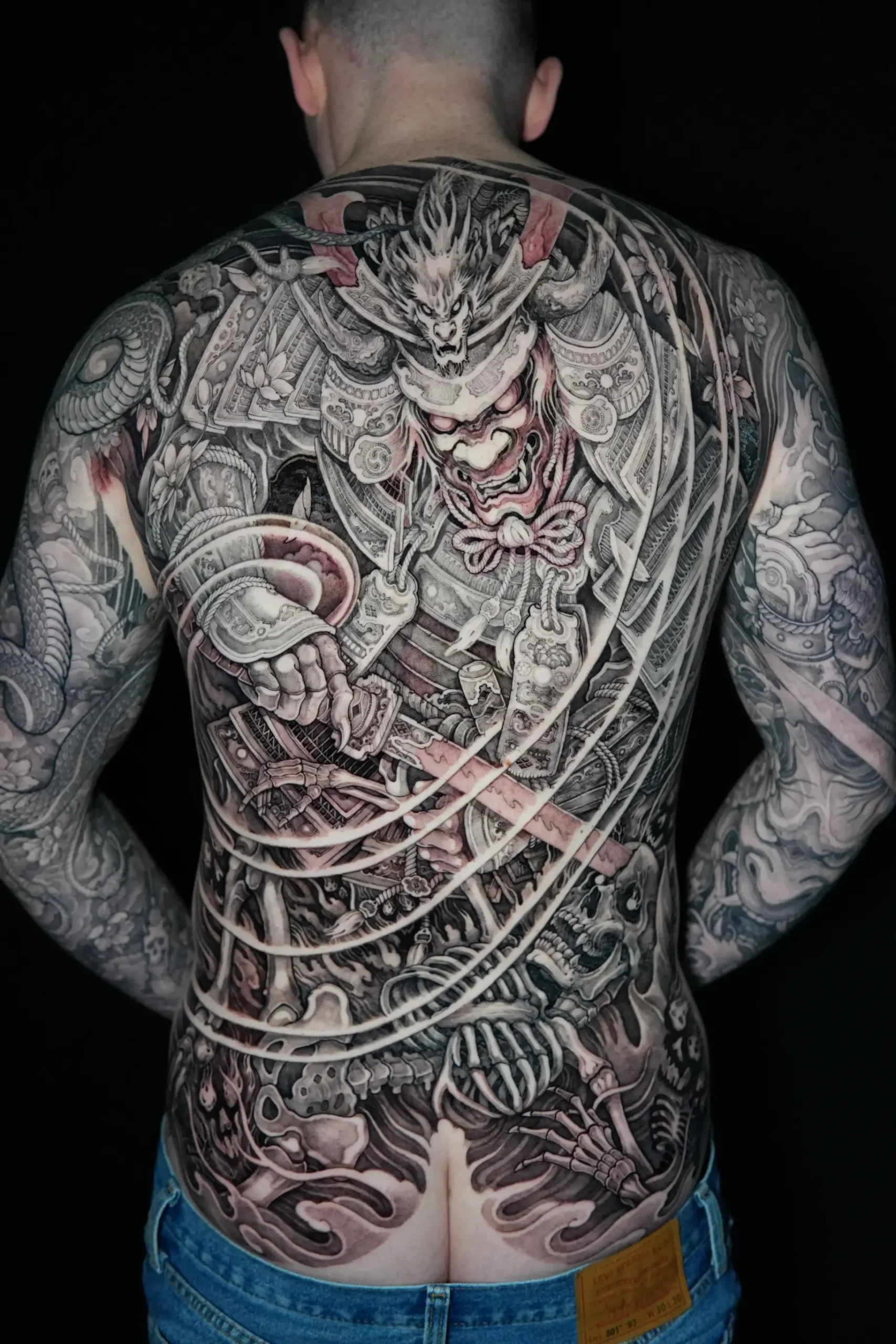
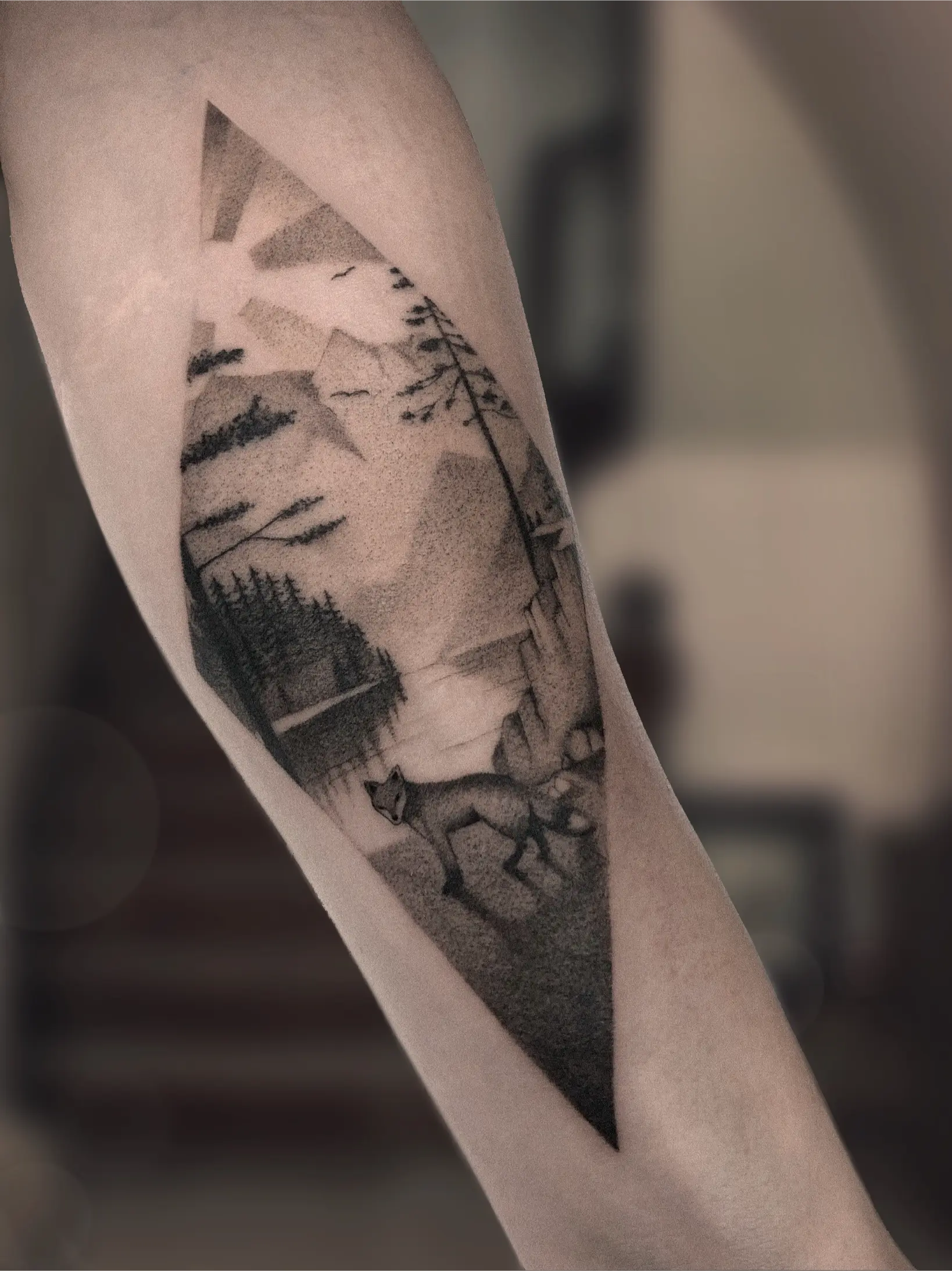
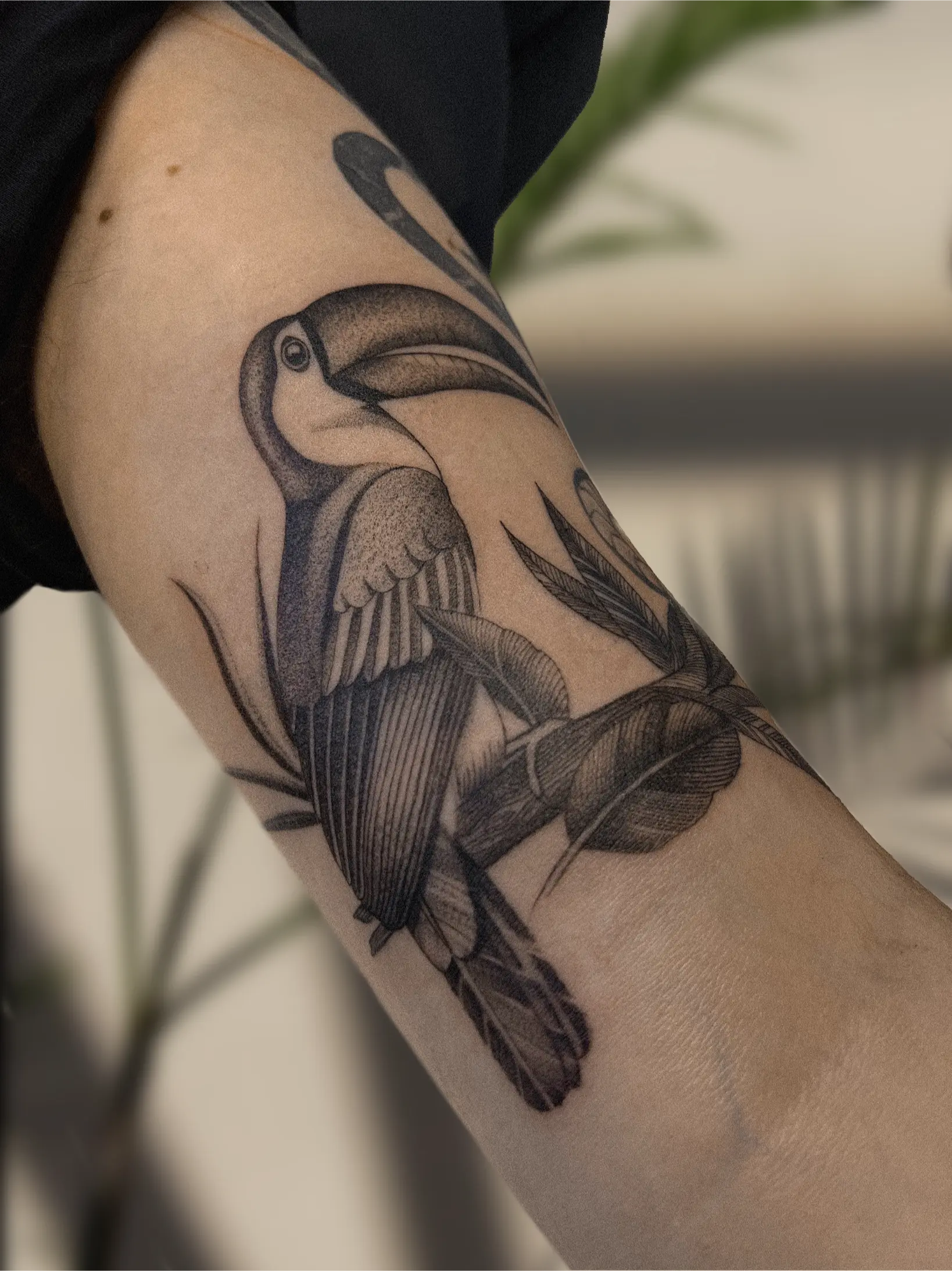
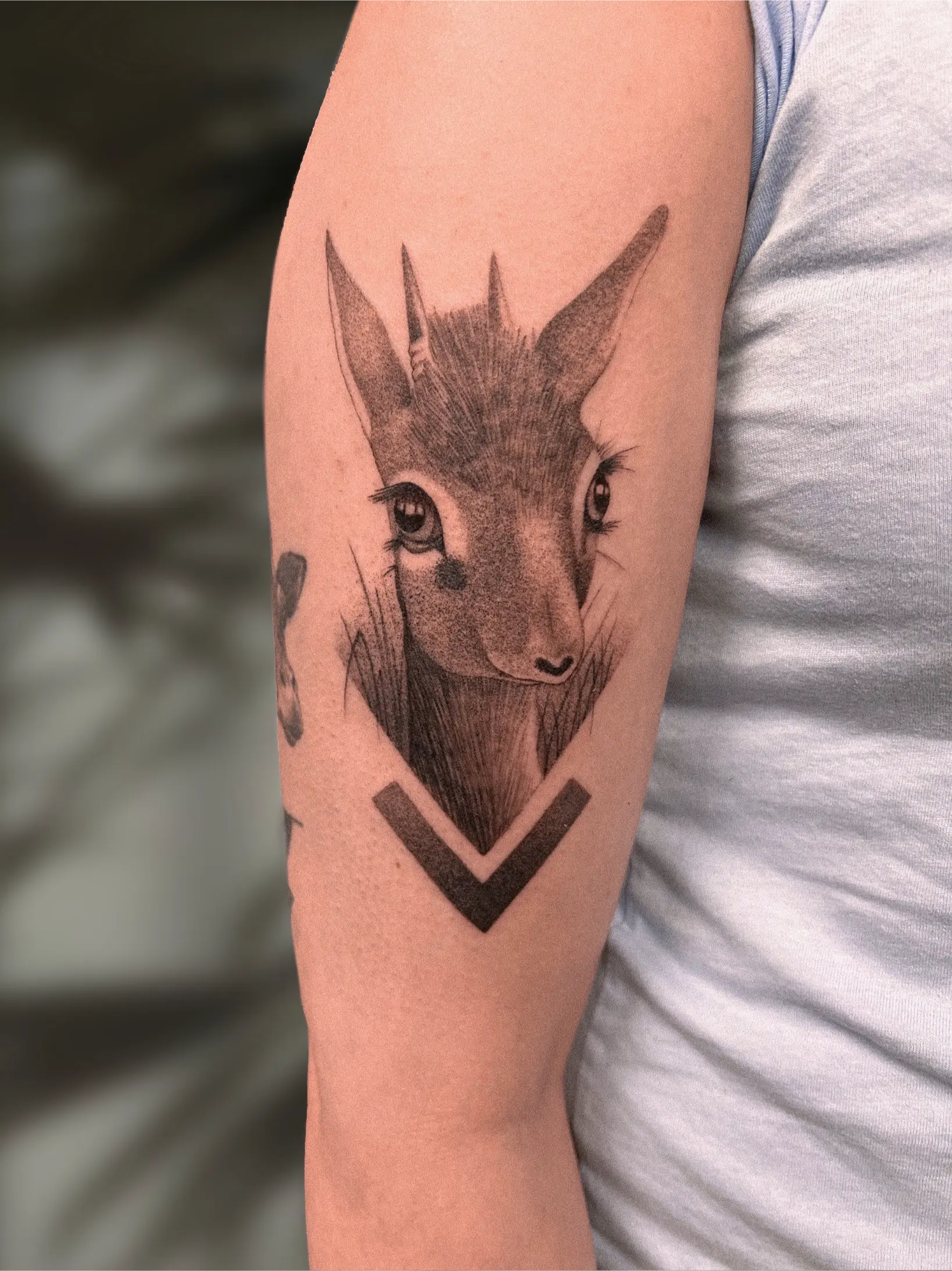
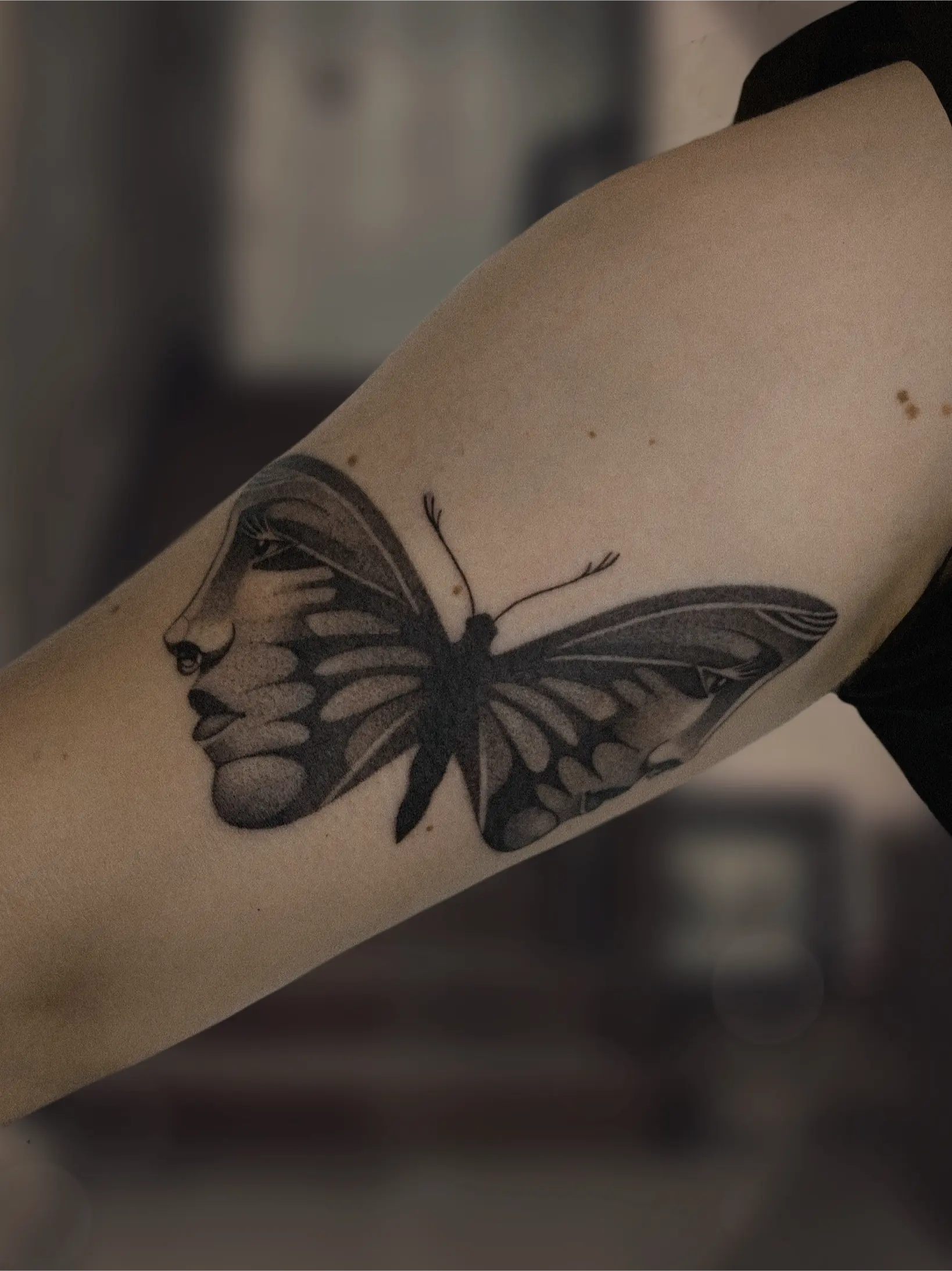
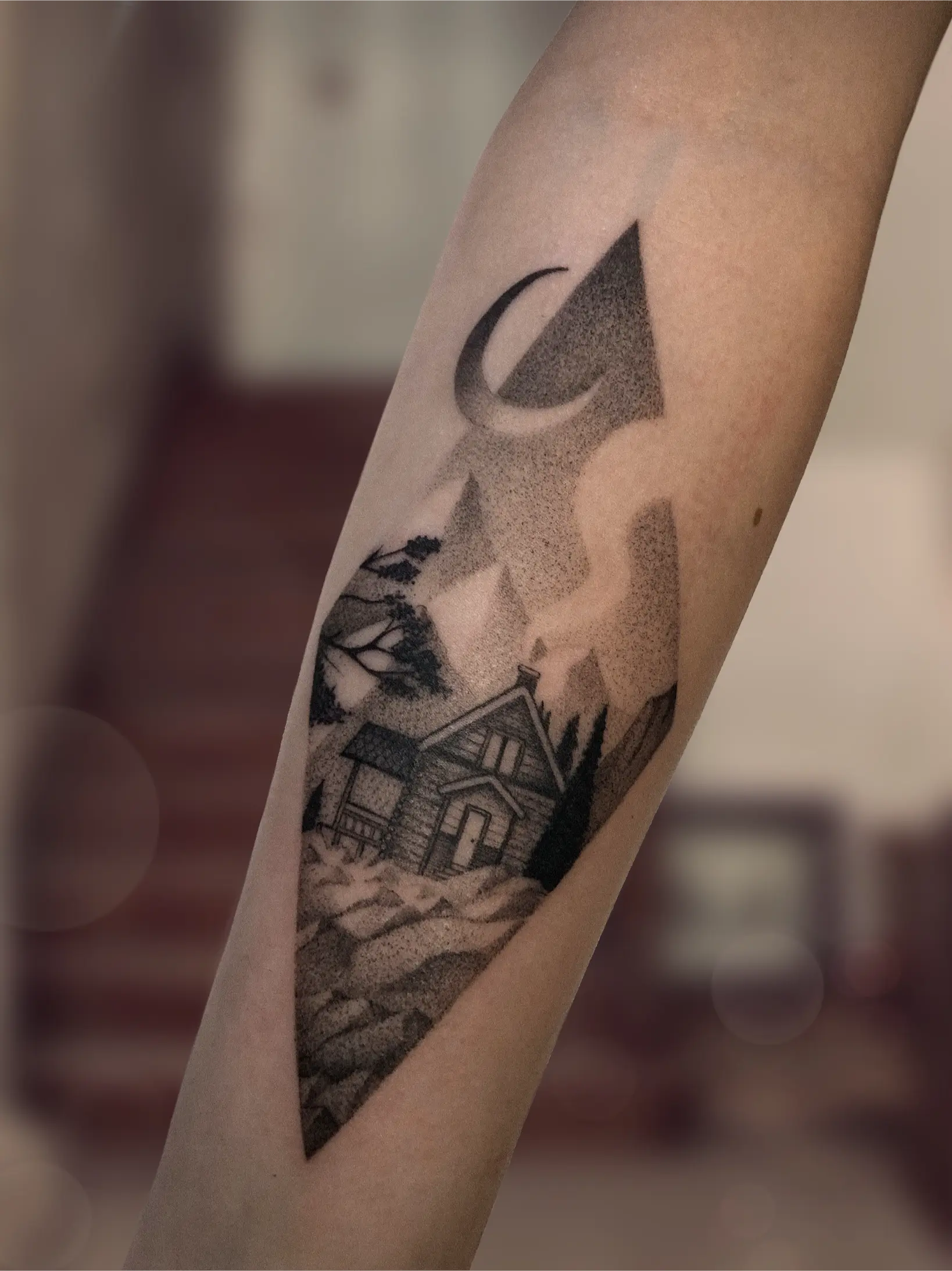
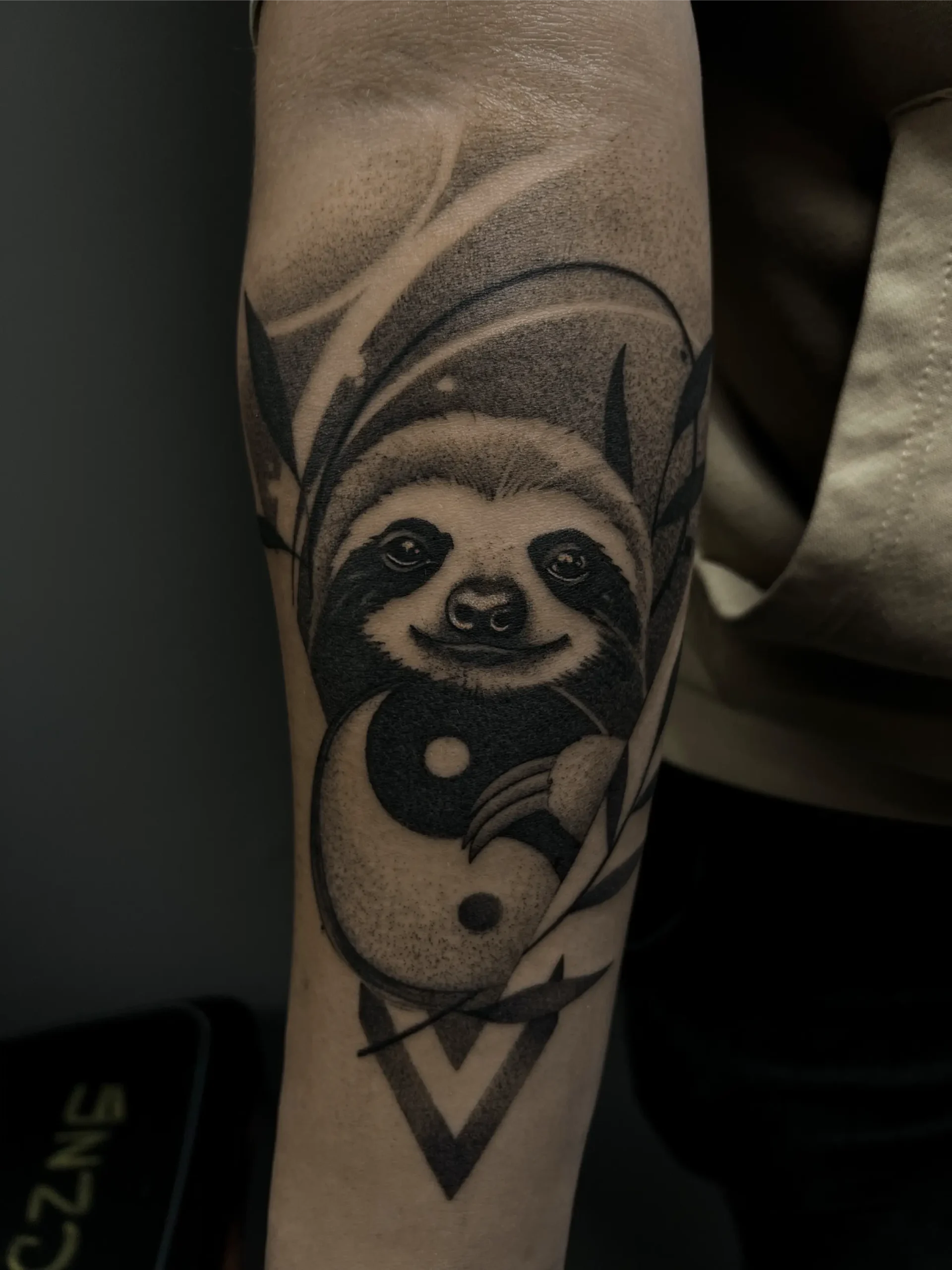
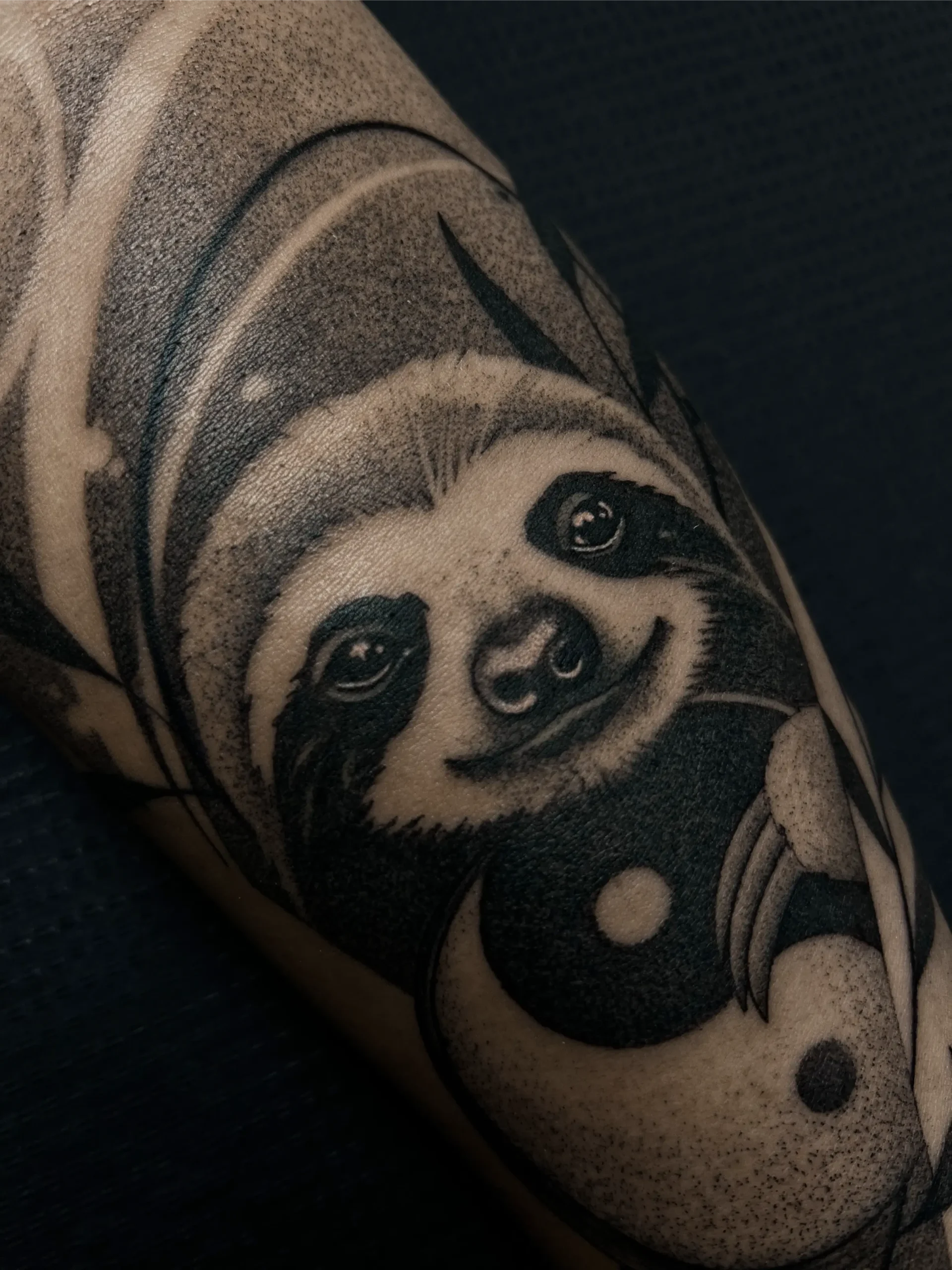
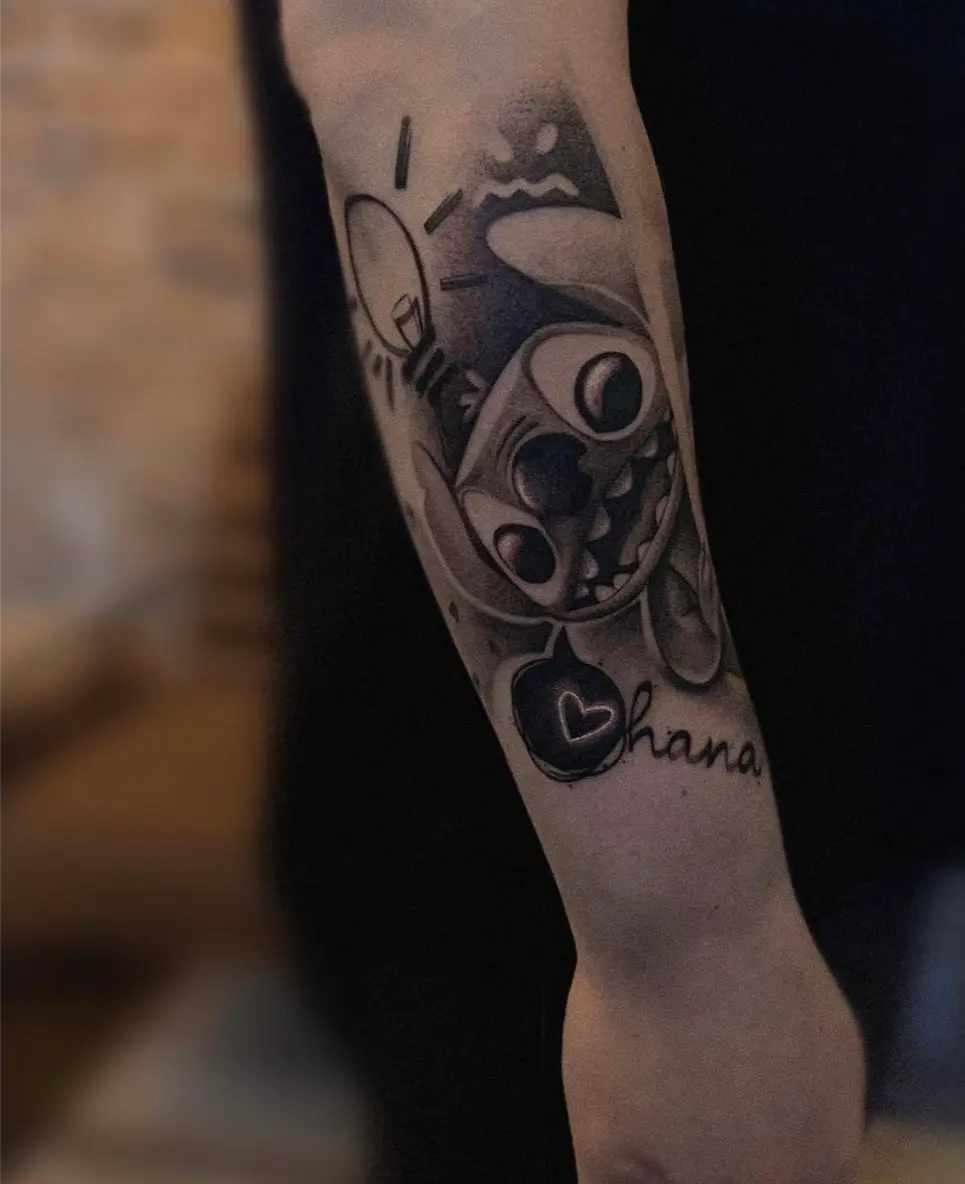
This method transforms a 2D image into a striking 3D artwork. If you’re curious about how these appear in real life, feel free to view some examples in the Icon Tattoo gallery.
Exploring the Styles: Mexican vs. Hungarian Embroidery
While the technique can be applied to any image (like cartoon characters or logos), the most authentic versions of this trend draw from rich cultural heritage. The two strongest influences are Mexican embroidery tattoo styles and Hungarian embroidery tattoo patterns. Both are lively and floral, but they have clear differences.
Here is a comparison to help you distinguish between the two major cultural influences:
| Feature | Mexican Embroidery Style (Tenango) | Hungarian Embroidery Style (Kalocsa/Matyo) |
| Colour Palette | Multicoloured, chaotic, high contrast | Specific sets (often red/green or blue/yellow) |
| Primary Motifs | Mythical animals, birds, and large flowers | Roses, tulips, paprika peppers, buds |
| Composition | Often fills the space, a busy background | Symmetrical, structured, repetitive patterns |
| Symbolism | Narratives of daily life and nature | Protection, femininity, heritage |
Understanding what embroidery tattoo art in these cultural contexts adds a layer of depth to your piece. Whether you choose the bold, festive colours of Mexico or the structured elegance of Hungary, you are wearing a piece of art history.
Popular Designs and Motifs in Embroidery Style
Embroidery tattoo designs are diverse, extending beyond traditional folk art patterns. Modern tattoo enthusiasts have embraced the “patch” look for pop culture icons. It’s common to see logos of favourite bands, cartoon characters, or iron-on patches from the 80s and 90s brought to life in ink.
Some of the most requested embroidery designs include:
- Floral Bouquets: Using the satin-stitch effect to create realistic-looking roses or poppies.
- Pop Culture Patches: Designs that look like merchandise patches, complete with a “stitched” border.
- Animals: Birds and butterflies rendered to look like they were sewn onto a denim jacket.
These designs evoke nostalgia, reminiscent of customized denim jackets and handmade quilts, linking us to the past. Crafting realistic embroidery-style tattoos requires an artist with patience and understanding of light physics, especially when working with tattoo embroidery techniques. The intentional “wobble” in the line creates a layered thread effect, demanding careful colour layering to mimic silk or cotton. Insufficient contrast may make the design look blurry. A drop shadow adds a 3D effect, making the tattoo stand out. Check availability on our announcements page. Placement and aftercare are vital, as detailed tattoos require flat skin areas to maintain the illusion.
Ideal placements include:
- Forearm or Upper Arm: The natural canvas allows the “patch” to sit flat.
- Shoulder Blade: Ideal for larger floral embroidery pieces.
- Thigh: Provides a large area for intricate Mexican or Hungarian patterns.
- Calf: A popular location for standalone patch designs.
Aftercare is just as important. Since these tattoos often incorporate many colours and white ink for highlights, protecting them from the sun is essential. UV rays can quickly fade the white highlights, causing the “thread” to lose its shine and the 3D effect to flatten. Always apply high-SPF sunscreen once the tattoo has healed.
Is an Embroidery Tattoo Right for You?
If you’re searching for a great conversation starter, an embroidery tattoo is a wonderful choice. It invites curiosity and highlights a love for textured art. Whether you choose a lively Mexican embroidery tattoo to celebrate your heritage or a playful pop-culture patch, you’ll end up with a stunning piece that captures attention.
Excited to weave your story into your skin? If you’d like to share your design ideas with our specialists in this unique style, you’re welcome to visit our contact us page. We’re excited to hear from you!
Final Thoughts
The rise of embroidered patch tattoos highlights a growing trend towards hyperrealism and textured designs in the tattoo scene. This style beautifully blends traditional craftsmanship with modern body art, making each tattoo more than just ink — it’s a lasting piece of art that celebrates colour, culture, and creativity. Choosing this style means you’re not just getting a tattoo; you’re adopting a piece of art that tells a story and reflects your unique personality.